
Fundraiser Mahjong Party Food: Snacks & Menu Ideas
Last updated: Nov 23, 2026
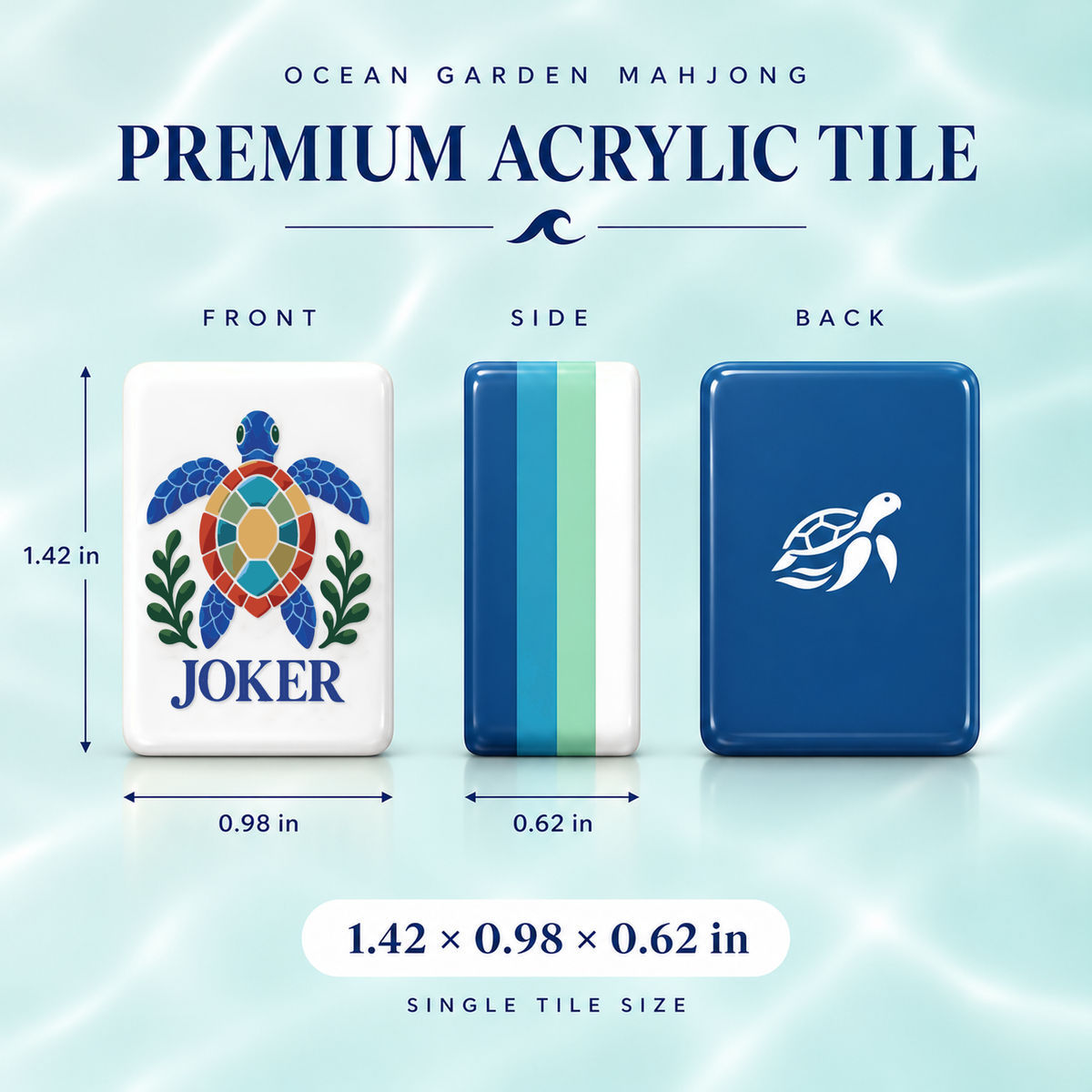
A fundraiser mahjong party succeeds when food fits the game's pace and tile safety. Serve finger foods that are dry, low-mess, and don't require two hands: nuts, cookies, cheese cubes, cut fruit (watermelon, grapes), and vegetable sticks with dip in a separate station. Avoid chocolate, greasy chips, and sticky candies—they stain acrylic tiles and felt mats. Timing matters: offer appetizers during the pre-game Charleston and between rounds, then hold the main spread until a natural break or end of play. Drinks should be in covered cups, placed behind the rack or on a side table, never within tile-touching distance. A best-selling set paired with a washable mat and a quality bag for post-party cleanup ensures your investment stays pristine. Plan for 2–3 snacks per player per hour, rotate offerings every 90 minutes to keep energy up, and always have wet napkins and a small trash bin at the table's edge. 🀄 Shop best-selling mahjong sets →
What snacks truly work at a mahjong table?
The golden rule: if it leaves residue on your fingertips, skip it. We've watched spilled dip ruin a felt mat and chocolate smudge acrylic tiles mid-game. Winners include individually wrapped items (pretzels, granola bars), cheese and crackers on a separate tray, roasted almonds or cashews, fresh berries in small bowls, and veggie platters. The key is portion control—a few grapes at a time, not a handful. Dry snacks let players grab one piece and return focus to their hand. Offer these in rotation so the table doesn't feel cluttered; refresh every 60–90 minutes during a multi-round event.

How should you separate food from the playing surface?
Never place snacks or drinks directly on or near the mahjong mat or table. Create a "food-free zone" by setting a side table 18–24 inches from the mahjong play area, or designate one corner of a larger table for nibbles and beverages. If you're using a mahjong mat, this buffer is non-negotiable because even water rings and small crumbs degrade felt over time. Some hosts use a rolling cart or a small cart one arm's length away so reaching for a snack requires a deliberate pause in play. Players appreciate the ritual—it breaks tension and prevents accidental spills during a tense endgame moment. Behind the racks with pushers, a small platter or napkin holder works perfectly for individual servings.
What's the best timing for serving food during a game?
Offer appetizers freely during the pre-game Charleston (the tile-passing ritual before round one begins), when hands are full of tiles but the game hasn't started—roughly 10–15 minutes of natural downtime. Between rounds—typically 5–10 minutes after the hand ends and someone records the score—is the ideal window for a second offering or a drink refill. If your fundraiser runs three or more rounds (2–3 hours), serve a light lunch or main snack only after round two ends, not mid-game. Players lose focus if they're eating and calculating simultaneously. During active play, offer only water and mints or gum in a bowl; you want hands clean and minds sharp. For an all-day event, build in a formal 30-minute meal break between the morning session and afternoon games.
Which drinks are safest around tiles and mats?
Covered cups with lids and straws eliminate 90% of spill risk. Keep all drinks behind the racks or on that designated side table, not within arm's reach of active play. Avoid red wine, coffee, and dark sodas if the tiles or mat are light-colored; even a small splash shows. Water, sparkling water, and iced tea in opaque cups work best. Never place a full mug or glass where a player's elbow might knock it during play—that moment always comes. If someone must have a drink within reach, use a spill-proof tumbler with a tight seal. At the end of play, wipe down any tile edges with a dry cloth, and if your mat sees moisture, let it air-dry flat before rolling and storing it in a travel bag.

How do you plan quantities for a multi-hour fundraiser?
A rule of thumb: 2–3 distinct snacks per player per hour, plus one main snack or lunch if the event runs longer than 3 hours. For a four-player game that lasts 4 hours, offer about 32–48 snack servings total across the entire session, split into three rotating offerings. Nuts and cheese scale well (1.5 cups per person for a 4-hour event), fresh fruit (about 1 cup per person), and a few packaged items (pretzels, crackers). During the Charleston, put out 30% of your spread; save 40% for between-round breaks, and 30% for an optional later snack or end-of-event nibble. This keeps the table from feeling bare or overwhelmed. Track what disappears fastest—if the nuts go in 90 minutes, double that next time. You also avoid leftovers that have sat in the open for 6+ hours.
Snack Planning Comparison Table
Snack Type | Mess Risk | Setup Time | Cost Basis | Best Served | Why It Works |
Nuts (roasted, unsalted) | Very low | None; buy pre-packaged | Budget-friendly | Between rounds | No grease, easy to grab one at a time |
Cheese & crackers | Low | 10 min; cut cheese cubes | Moderate | Before play & mid-game | Protein sustains energy; crackers won't stain |
Fresh fruit (grapes, melon) | Low–medium | 15 min; cut & portion in bowls | Moderate | Between rounds | Hydrating, crowd favorite; avoid sticky fruit |
Chocolate or candy | High | None | Low | End of event only | Stains tiles and hands; save for after-game |
Greasy chips or fried foods | Very high | None | Low | Not recommended | Residue on fingers transfers to tiles & mat |
Veggies with dip | Low (dip separated) | 5 min; keep dip off the table | Moderate | Before play | Guests can rinse hands; dip stays in a side bowl |
Brownies or cookies (individually wrapped) | Medium | None; buy pre-made | Low–moderate | Between rounds | No mess if wrapped; easy to eat in 1–2 bites |
Hummus or cheese board | Medium (if kept far from table) | 20 min | Moderate | Pre-game only | Requires designated zone away from play |
🎁 See our most-loved mahjong sets & accessories →
What equipment setup makes hosting a fundraiser easier?
A well-organized table layout keeps snacks, drinks, and tiles separate without feeling cramped. Position the mahjong mat in the center, flanked by a side table for drinks and one for snacks—or use a rolling cart to move snacks away during active play. The mat itself acts as a barrier; its edges define the play zone and remind guests not to set cups there. Pair the mat with racks with pushers behind each player so hands stay elevated and visible; this also creates a natural place to rest a napkin or small plate. Use a durable travel bag to store tiles before and after; it keeps dust and spills away during setup and cleanup. For a larger fundraiser with multiple tables, assign one volunteer per table to manage drink refills and snack rotation, preventing distractions for the players.
How do you protect your set during a fundraiser?
Acrylic tiles and felt mats need active care during a public event. Before guests arrive, inspect your best-selling set for any pre-existing chips or marks so you can document the condition. Once play begins, keep napkins and a small damp cloth at the table's edge—not for eating, but for quick wipes if a tile gets touched by a snack-dusted hand. After the event, wipe tiles with a dry microfiber cloth, never a wet one (water can seep into joints). Roll the mat carefully and store it flat in its bag; don't fold it if you can avoid it, as felt creases over time. If a drink does spill on the mat, blot it immediately with paper towels, then leave it to air-dry horizontally for 24 hours before rolling. Many hosts take a photo of their set before and after to track wear. For a high-traffic fundraiser, consider asking guests to wash their hands before the first round—a simple bowl of hand sanitizer wipes by the door does the job.
What to Check Before You Buy or Host
Tile material: Acrylic sets resist staining better than bamboo or bone; confirm your set's material so you know what cleanup methods are safe.
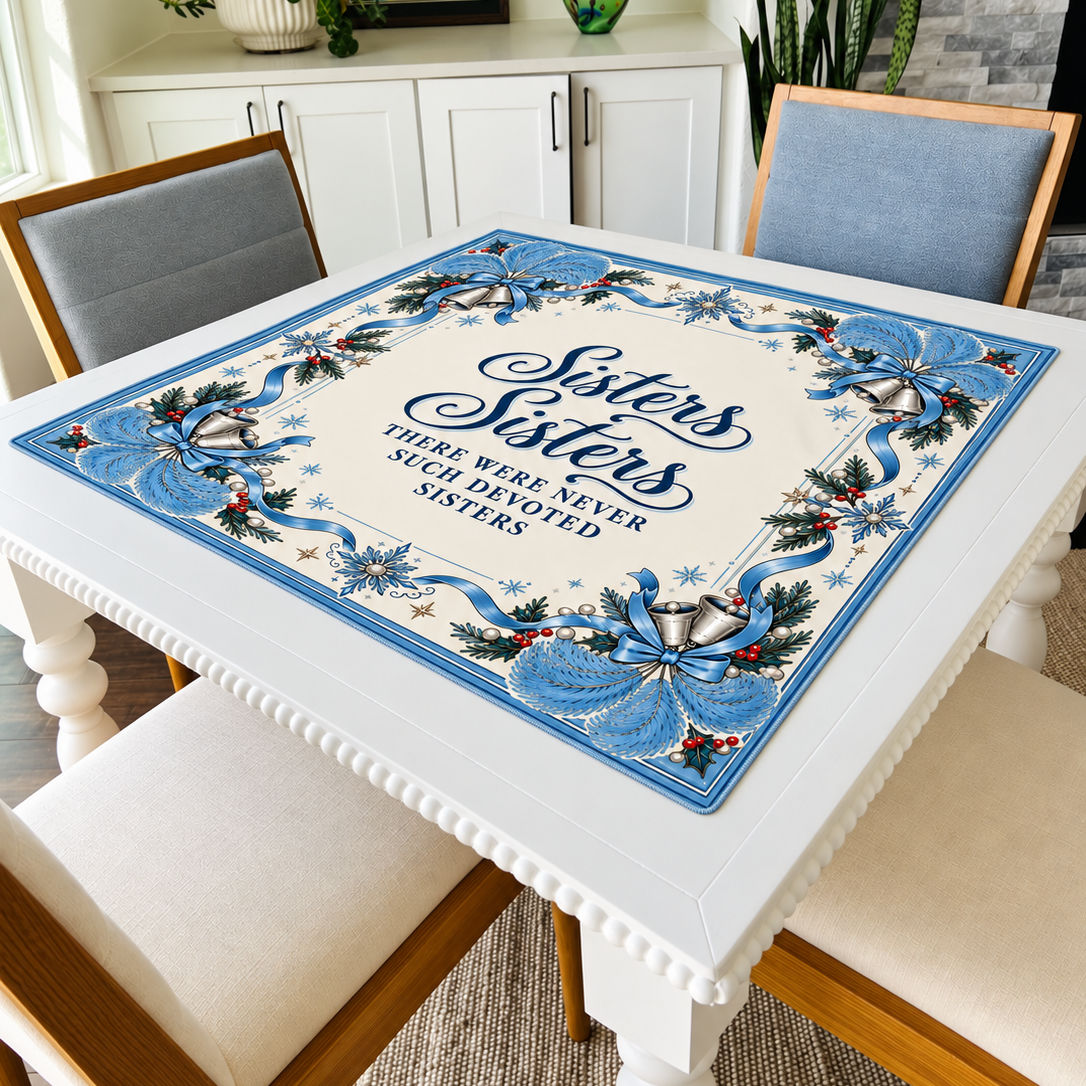
Mat type: A felt mat shows stains more visibly than vinyl; felt requires more care but feels traditional; vinyl is more forgiving and easier to clean.
Snack policy: Decide in advance whether to allow eating at all, or restrict it to specific times and types; communicate this to your fundraiser host or co-players.
Cleanup supplies: Have wet napkins, dry cloths, a small trash bin, and a lint roller on hand before the first game starts.
Guest count: Confirm headcount so you can right-size snack quantities and avoid waste or shortages mid-event.
Event duration: Three-hour events need different food planning than all-day tournaments; adjust quantities and meal timing accordingly.
✨ Find your Mahstead set — free US shipping →
FAQ
Can I serve pizza or sandwiches at a mahjong fundraiser?
Yes, but only during a dedicated meal break—not during active play. Pizza residue and sandwich fillings are too messy for the playing surface. Schedule a 30-minute lunch between rounds, then resume play once hands are clean and dry. Keep any crumbs or grease off the mat and tiles.
What's the safest drink to serve near an acrylic mahjong set?
Water in a covered cup with a tight-fitting lid and a straw. Keep it behind the racks or on a separate table, never next to tiles. If you must have a drink in arm's reach, use a spill-proof tumbler. Avoid red wine, coffee, and dark sodas on light-colored mats.
How many snacks should I buy for a four-player game that lasts four hours?
Plan for 2–3 snack servings per player per hour. For four players over four hours, budget 32–48 total snack pieces across three rotating offerings: nuts, fresh fruit, and cheese or crackers work well, served in shifts between rounds.
Will chocolate stain acrylic mahjong tiles?
Yes. Even a small smudge from chocolate-covered fingers can mark tiles permanently. Save chocolate treats and desserts for after the game ends, or serve them only during a pre-game social time before tiles are in hand.
How do I clean a felt mat if a snack spill happens mid-game?
Blot immediately with paper towels or a dry cloth—do not rub. If liquid soaked in, leave the mat flat to air-dry for 24 hours before rolling or storing. For sticky residue, wait until the mat is fully dry, then gently brush with a soft-bristled brush. Avoid water until the spill is completely absorbed.
Can guests eat while holding their tiles during a round?
Not safely. Hands on tiles should be clean and dry. Require a pause—players set their racks down, eat, wipe their hands, and return to play. This also prevents accidental tile knocks during the meal and keeps the tile surface pristine.


View More
View More
View More
