
Filipino Mahjong Payment and Betting Rules
Last updated: Nov 23, 2026
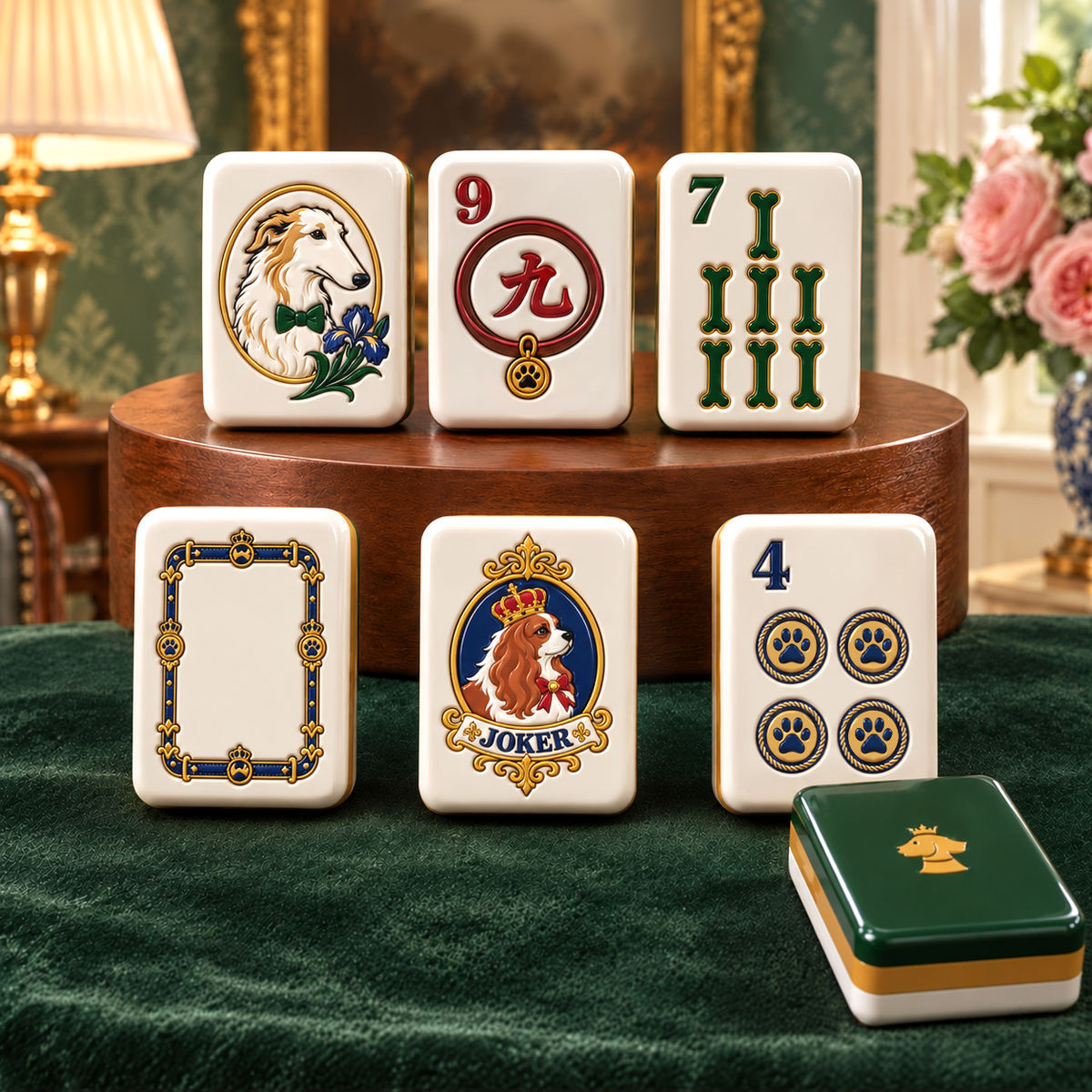
Filipino mahjong follows the same tile structure as American mahjong (152 tiles, three suits, winds, dragons, flowers, jokers) but the betting framework differs sharply: wagers are typically settled hand-by-hand rather than at game end, with players contributing to a common pot before tiles are drawn. Payment rules center on three customs: (1) antes (small mandatory bets per player before the game or hand begins), (2) hand payouts (winners collect from each loser based on hand difficulty and joker count), and (3) table rules (penalty bets for infractions like exposing tiles early or calling incorrectly). Unlike American mahjong's score-card tracking, Filipino games rely on cash settlement immediately after each hand, making clear house rules and transparent record-keeping essential. The amount wagered varies by group—from casual family play with minimal stakes to competitive games with substantial bets—but all revolving rules should be announced before the Charleston begins. Our players host weekly games and stock best-selling mahjong sets built to handle frequent reshuffling and confident tile handling that keeps the game moving and fair.
What are the main payment systems in Filipino mahjong?
Filipino mahjong uses three primary payment layers: the ante (entry fee or hand bet), the win payout (money collected from losers), and pot accumulation (unclaimed bets that roll forward or split at game end). The ante is typically announced before the Charleston and may be a flat amount per player or scaled by position (East often bets more). Win payouts depend on hand complexity—a simple pung hand pays less than a hand with five quints and jokers—and all players pay the winner equally. Many groups also run a "game end" pool: any unclaimed antes or penalties go into a pot split among the three non-dealers or donated to a charity. Each group sets its own thresholds, so the first rule is always: agree on money amounts and payout multipliers before play.

How do position and dealer status affect Filipino mahjong bets?
In Filipino mahjong, the dealer (often East wind in the first round, rotating after each game or per hand) typically wins more frequently and therefore many groups assess a higher ante from the dealer or collect an extra "East fee" before play. If the dealer wins, they collect from all three players; if a non-dealer wins, the dealer usually pays double or is exempt from paying (house rule varies). Some groups rotate the dealer after every winning hand, which means the dealer role shifts quickly in a hot streak; others hold the position for four hands (one full rotation of wind order) or an entire game (typically 8 or 16 hands). A clear rule beforehand prevents disputes: decide whether the dealer antes extra, whether the dealer pays double when they lose, and whether winning as a non-dealer triggers an automatic dealer change. This single rule clarifies nearly half of Filipino mahjong payment friction.
What penalties and infractions have cash consequences?
Filipino mahjong groups assign penalty bets for rule violations: showing tiles during the Charleston, calling "mahjong" incorrectly (a "false win"), exposing tiles before play is legal, drawing out of turn, or miscounting at hand end. Penalties vary widely—some groups fine the offending player a small amount (half an ante, or one hand's payout from the offender to the winner); others rule it a "dead hand" (offender pays all three opponents an agreed amount and sits out the next hand). False wins carry the highest cost in many groups: the player who called mahjong incorrectly pays all three opponents double the normal hand payout, effectively losing four rounds of antes at once. Establish and announce penalties in writing or verbally before the Charleston; post them on the table or in a chat if playing hybrid. Consistent enforcement prevents resentment and teaches new players the cost of careless play. Experienced players often agree to "mercy" for true newcomers (first false win forgiven, second costs standard penalty).
How do you track and settle Filipino mahjong bets fairly?
Use a simple ledger or spreadsheet shared among all four players to record antes, hand winners, payouts, and penalties in real time. After each hand, write: date, hand number, winner, hand type (if tracking complexity), payout amount from each loser, and any penalties. At game end, total the ledger—each player's final row shows net gain or loss—and settle in cash immediately or via agreed payment app. This transparency prevents "he said / she said" disputes and creates a historical record if the group plays regularly. Many Filipino mahjong groups photograph the ledger at game end for group chat archive. If playing with a cash box (common in larger community games), appoint one neutral "banker" per session to hold antes and manage the pot; rotate this role weekly so no one player controls money for too long. Digital tracking via spreadsheet or a dedicated betting app (not affiliated with Mahstead) also works well for groups that meet weekly and want to see trends over months. The key principle: transparency beats memory, and a two-minute ledger update saves hours of argument.

What house rules do successful Filipino mahjong groups adopt?
The strongest groups establish a one-page "house rules" document distributed to all players before their first session. It should cover: (1) antes and minimum/maximum bets per hand, (2) how hand complexity affects payout multipliers (e.g., a hand with one joker pays 1× the ante payout; five jokers pays 2×), (3) dealer role and rotation rules, (4) penalties for infractions and false wins, (5) what happens if a player cannot pay immediately (grace period, check, payment plan, or suspension), and (6) dispute resolution (majority vote, table captain as tiebreaker, or return to rulebook). Post the rules where every player can reference them—on a laminated sheet at the table or in a shared document. Introduce new players by reviewing rules together; experienced players often mentor newcomers on etiquette (keeping one's tiles private, speaking clearly when calling, settling bets promptly). Groups that enforce rules consistently and kindly build trust and retain players. Many long-running Filipino mahjong circles report that rule clarity reduced conflict by 70% and doubled attendance within the first year of formalizing them.
House Rule Element | Why It Matters | Common Approach |
Ante amount | Sets stake level, prevents runaway bets | Small fixed bet per player; dealer may add extra |
Payout multiplier | Rewards difficult hands fairly | 1× for simple hands; 2–3× for complex hands with multiple jokers |
Dealer betting & rotation | Fairness, prevents dealer advantage | Dealer antes extra or pays double if they lose; rotate after each win or every 4 hands |
Penalty amounts | Deters cheating, enforces rules | False win = 2× hand payout to all three players; wrong call = half ante fine |
Ledger tracking | Prevents fraud, settles fairly | Write every payout immediately; photograph at game end |
Grace period for payment | Keeps friendships intact | 24–48 hours to pay if short; check or app transfer accepted |
🀄 Shop best-selling mahjong sets →
What equipment do you need for a fair, professional Filipino mahjong game?
A mahjong set with clear, durable tiles is the foundation: tiles that don't stick together, a precise count (always 152 playing tiles), and a carrying case keep games moving without disputes. Equally important are mahjong racks with pushers—they keep your hand private and prevent accidental exposure, which often triggers false-win penalties in competitive play. A dedicated mahjong mat with clear quadrants shows whose tiles are whose, reducing confusion in fast, high-stakes rounds. A scoreboard or ledger (physical or digital) is non-negotiable for money tracking. Finally, keep a travel bag or case for storage and transport; tiles that get wet, bent, or lost in transit will cost you replacement sets and game delays. Many Filipino mahjong groups appoint one host who maintains the equipment and invites players to a regular venue (home, community center, church basement) where the mat, racks, and tiles live permanently—this removes setup friction and signals professionalism.
Before you buy equipment, verify these points
Tile count: Confirm the set contains exactly 152 playing tiles plus spare jokers—never 144 or 166, as Filipino mahjong uses 152 for every hand.
Rack quality: Racks should tilt at least 45 degrees and have smooth pushers; stiff racks cause hand exposure during crowded games.
Case durability: A padded or hard case prevents tile warping during weekly transport between homes or venues.
Ledger format: Choose a ledger (paper or digital) your group can share; if using an app, test it with one practice game before money plays.
Ante clarity: Write down the exact ante amount, payout multipliers, and penalty amounts—ambiguity costs friendships.
🎁 See our most-loved mahjong sets & accessories →
Common mistakes in Filipino mahjong payment and how to avoid them
Unwritten rules breed conflict. Assuming "everyone knows" the ante or penalty triggers disputes within the first hour. Fix: Write and share your house rules in a group chat or document before the first game.
Mixing cash and informal IOUs. If one player owes money "next week," resentment compounds if they forget or leave the group. Fix: Settle every hand in cash or agreed digital payment immediately; use a grace period only for trusted regulars, and track any outstanding balance on the ledger.
Dealer role ambiguity. If it's unclear whether the dealer antes extra, pays double, or rotates after a win, the dealer changes become contentious. Fix: State the dealer rule explicitly before the Charleston for each hand.
No ledger means chaos. Memory is fallible; three players will disagree on the final count. Fix: Assign one trusted player to record every hand payout in a shared ledger in real time, or use a spreadsheet the group can review at game end.
New players unaware of penalties. Surprise penalties breed resentment. Fix: Teach newcomers the penalty schedule in a brief orientation; forgive the first minor infraction as a learning moment.
✨ Find your Mahstead set — free US shipping →

FAQ
Can the dealer refuse to play a hand, or do they have to stay in every hand in Filipino mahjong?
In most Filipino mahjong groups, the dealer must stay in every hand until their role rotates or the game ends. However, house rules vary: some groups allow a dealer to "pass" one hand per session if they pay a small penalty, or to step out after winning once. Clarify this before play begins.
What happens if someone calls "mahjong" but their hand isn't actually a winning hand?
The false caller pays all three opponents an agreed penalty—typically double the normal hand payout, or a flat amount set in house rules. This is often the harshest penalty because it punishes carelessness and prevents deliberate bluffing.
Is it common to bet on individual tiles or draws in Filipino mahjong, or only on complete hands?
Most groups bet only on complete, legal winning hands settled after the hand ends. Some casual or festive games allow side bets (e.g., "I'll bet the flower tile comes up third") but these are separate from the main antes and payouts. Always agree on side bets before the Charleston.
How do you handle a situation where a player can't pay their full loss immediately in a cash game?
Most groups set a grace period (24–48 hours) and allow checks or digital transfers. If a player repeatedly cannot pay on time, they may be asked to sit out future games or pay a deposit upfront. Never let unpaid debts accumulate; settle them within a week or the group loses trust.
Do the antes reset after each hand in Filipino mahjong, or do they carry over if no one wins?
Antes reset after each hand in most groups. However, if the hand is voided (everyone made a mistake), some groups roll the ante forward to the next hand as a "bonus pot." Always specify this rule in your house document.
Can you change the house rules mid-game if the group agrees, or should rules stay fixed for the entire session?
Best practice is to keep rules fixed for the entire game session to avoid confusion and accusations of favoritism. If the group wants to change a rule, make the change before the next game and announce it to all players in advance.


View More
View More
View More
