
Do You Need a Mahjong Case? When & What Works
Last updated: Nov 23, 2026
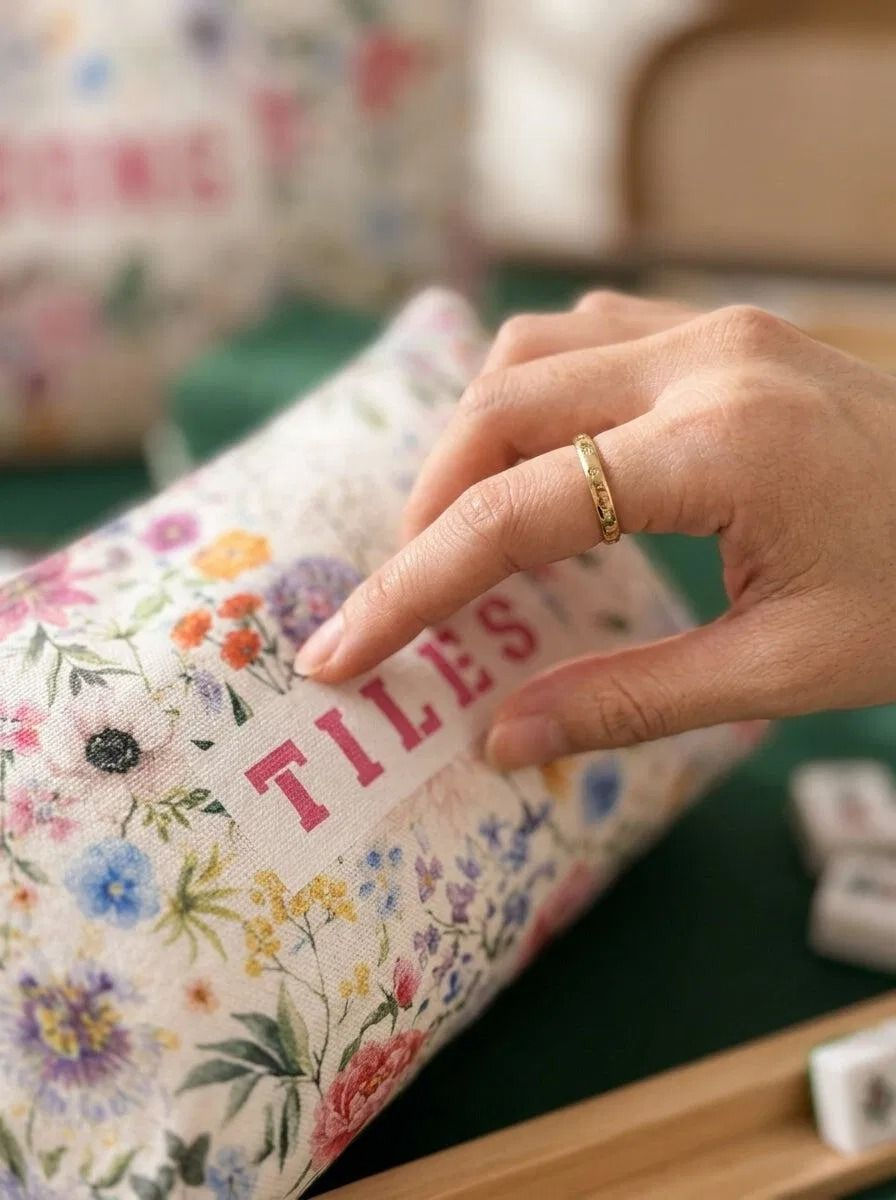
You need a mahjong case if you carry your tiles to weekly games, store them long-term, or play in clubs where tiles spend time in transit. A 160-tile American mahjong set—152 playing tiles plus spares—fits comfortably in a soft travel bag or hard case, both of which protect acrylic tiles from dust, humidity shifts, and physical damage. Cases range from simple zippered cloth bags that fit under an armchair to fitted hard cases with compartments for tiles, racks, and mats. If you play at home only and store your set on a shelf between games, a case is optional. If you're a regular at multiple venues or gift sets frequently, a case becomes practical. Mahstead offers travel bags and cases designed to fit a full acrylic set plus accessories—see what fits your lifestyle and budget on the product page.
If you play mahjong once a week at a friend's house or rotate venues with your group, you're asking the right question. A case does one job: it keeps your tiles safe and organized during storage and transport. It's not mandatory, but it solves real problems.
What damage does travel actually cause to tiles?
Acrylic tiles are durable, but they accumulate dust, scratches, and temperature stress over time. In transit—especially in a car trunk or a crowded game bag—tiles can shift and rub against each other or hard surfaces, causing edge wear or chip marks over years of play. Humidity also affects tile fit in bamboo racks; a case that seals keeps tiles at a stable moisture level. If your tiles live in a humid basement or get thrown into a closet between games, a case with a tight zipper matters more than you'd think.

How often do you actually need to move your set?
This is the key threshold. Play once a month at home? A case is nice but optional. Weekly games at two or three venues, or games at a club? A case becomes practical—it protects tiles during weekly transport and reduces setup time because everything stays organized. Travel to tournaments or host frequent guests? A case is essential; it keeps tiles clean and ready, and it signals care. If you gift sets regularly or teach beginners, a case makes each set feel more professional and more likely to last through casual play.
What's the difference between a soft bag and a hard case?
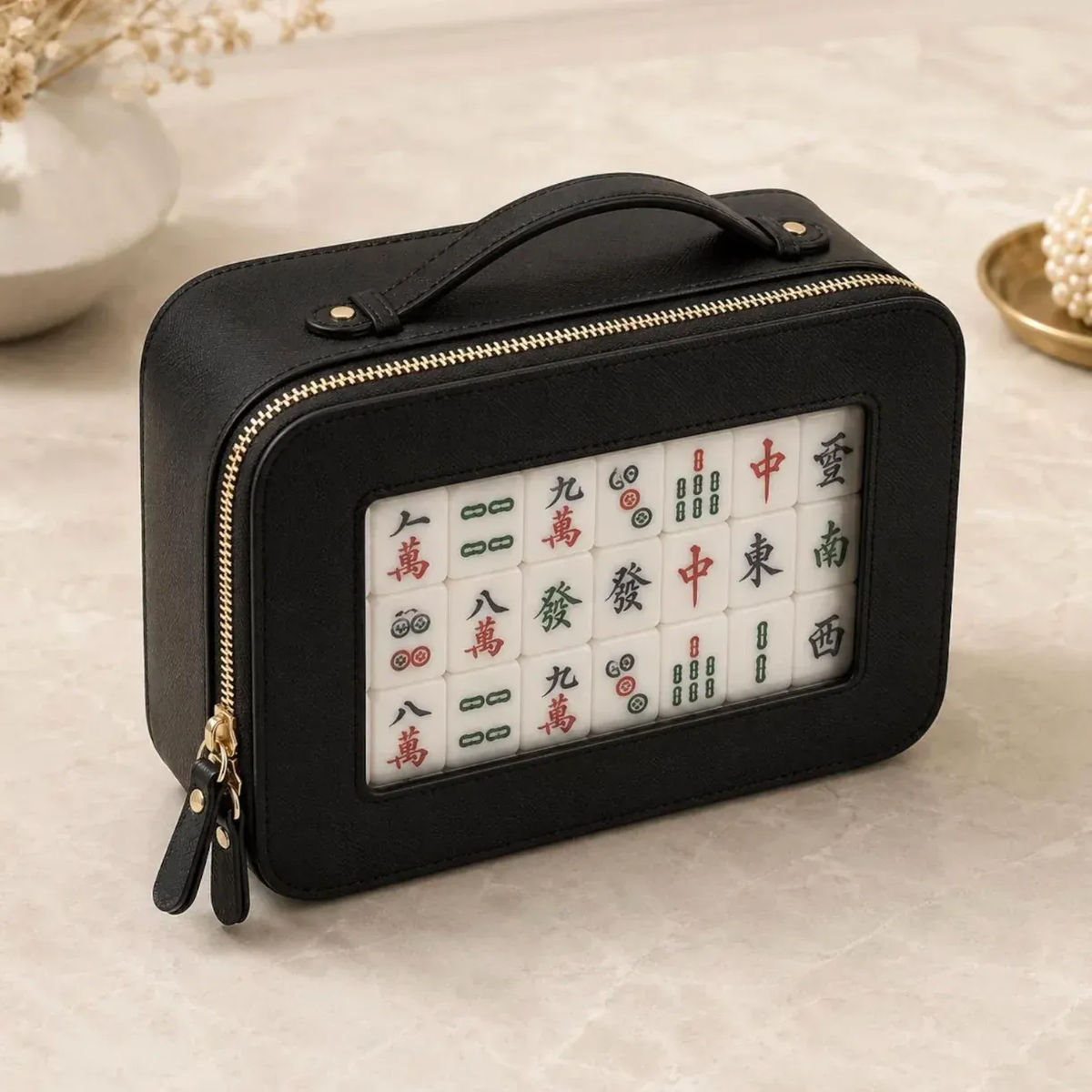
Soft bags (canvas or padded fabric) are lighter, fit in a car door pocket or under a seat, and cost less than hard cases. They compress slightly, so they're forgiving if you pack them full. Hard cases offer more structure: tiles stay in fixed compartments, less shifting occurs, and hard cases protect against spills better. Hard cases also take up defined space—you can stack them or store them vertically.
For weekly club players, a soft bag often wins because it's easier to carry and store. For tournament players, collectors, or people who transport sets across state lines, a hard case's protection justifies the bulk.
Which Mahstead case designs work best for different games?
We design bags and cases in different styles to match play patterns. Our travel collection includes options from compact carry-alls to cases with mat compartments and pusher slots. Some designs feature engraved monograms or mahjong-themed logos—ideal for gifts or personal sets you carry to the same venue every week. Others are plain, durable, and built to last through heavy rotation. Check the Mahstead product pages for interior dimensions (American sets are compact, so even a smaller bag often fits a full 160-tile set plus racks and a mat). If you already own one of our engraved sets, a matching case ties the whole package together and makes the set recognizable at club night.
When is a case actually a waste of money?
If you play mahjong only at home, store your set on an accessible shelf between games, and never plan to move it, a case adds friction—you pay for something you don't use. If your tiles are mostly for display (decorative sets don't travel), a case is optional. If you're a competitive tournament player with a sealed set that never leaves a dedicated case, a case is required (and part of your tournament kit, so the question is moot). The honest answer: if you've never asked "where are my tiles?" or "are they in a safe place?"—you don't have a case problem yet.
Quick comparison: Case types and when they fit
Style | Best for | Trade-off |
Soft canvas bag | Weekly club play, frequent moves, easy storage | Less structure; tiles shift slightly in transit |
Padded fabric tote | Casual games, travel by car, carrying with other items | Still relatively soft; limited compartments |
Hard case with sections | Tournament, multi-venue rotation, long-term storage | Bulky; takes up fixed shelf or trunk space |
Travel case with mat slot | Home to club, regular venue rotation, mat + tiles together | Higher price point; heavier than soft bags |
Small zippered pouch | Gift sets, occasional guests, tile-only transport | No room for racks, mats, or a second set |
What you'll need
If you've decided a case fits your play pattern, measure your set first. A standard American 160-tile acrylic set in its tile box (or loose in a bag) is roughly 9–10 inches wide by 5–6 inches deep by 3–4 inches tall. Most Mahstead cases accommodate this, but check the product dimensions. You'll also want space for racks and pushers (another 2–3 inches), and a rolled mat adds bulk. Shop our travel bags and cases to see interior dimensions and layouts—each design lists what it holds.
✨ Find your Mahstead set — free US shipping →
What to check before you buy
Set dimensions: Confirm your tiles fit (160-tile sets are standard; if you own a custom set, measure it).
Zipper quality: Cheap zippers fail after a few dozen opens. Mahstead cases use heavy-duty zippers tested through regular play use.
Compartments: Do you want one big space, or separate pockets for tiles, racks, and mats? Check product photos.
Material: Canvas holds up well; synthetic materials vary—read product descriptions.
Carry options: Handles for hand carry, or a shoulder strap for commutes? Mahstead designs offer both.
Personalization: If you gift the set, does the case come engraved or monogrammed? Check the product page.
🀄 Shop best-selling mahjong sets →
Most players underestimate how often they'll move their tiles once they join a regular group. If your mahjong life changes—you find a club, join a tournament group, or start teaching—a case becomes worth the investment quickly. The good news: cases from a solid maker (like Mahstead's best-selling collection) last years, so you're not replacing it often. Think of it as insurance on a set you already love.
🎁 See our most-loved mahjong sets & accessories →

FAQ
Will a mahjong case prevent my tiles from getting damaged?
A quality case protects against dust, humidity swings, and collision damage during storage and transport. It won't prevent damage from regular play (normal wear is inevitable), but it slows it significantly over years of use.
Can I fit an entire mahjong set plus a mat and racks in one bag?
Yes—most Mahstead travel cases hold a full 160-tile set, racks with pushers, and a rolled mat together. Check product dimensions to confirm your specific items fit.
Should I buy a case if I only play at home?
No. If your set stays on a home shelf between games, a case adds cost and takes up storage. A case pays for itself only if you transport tiles regularly.
What's the difference between a travel bag and a case?
Travel bags are typically soft, compress slightly, and fit into car storage easily. Cases are rigid, offer fixed compartments, and protect tiles more aggressively—best for frequent transport or tournament play.
Do engraved mahjong sets require a special case?
No. Engraved sets are the same size as standard sets, so they fit into any Mahstead case designed for 160-tile American sets. A matching case is a nice pairing, especially as a gift.
How much does a mahjong case cost?
Prices vary by design and materials—see current pricing on the travel bags and cases collection page for exact details.


View More
View More
View More
