
Do You Need a Mahjong Bag? A Player's Honest Guide
Last updated: Nov 23, 2026
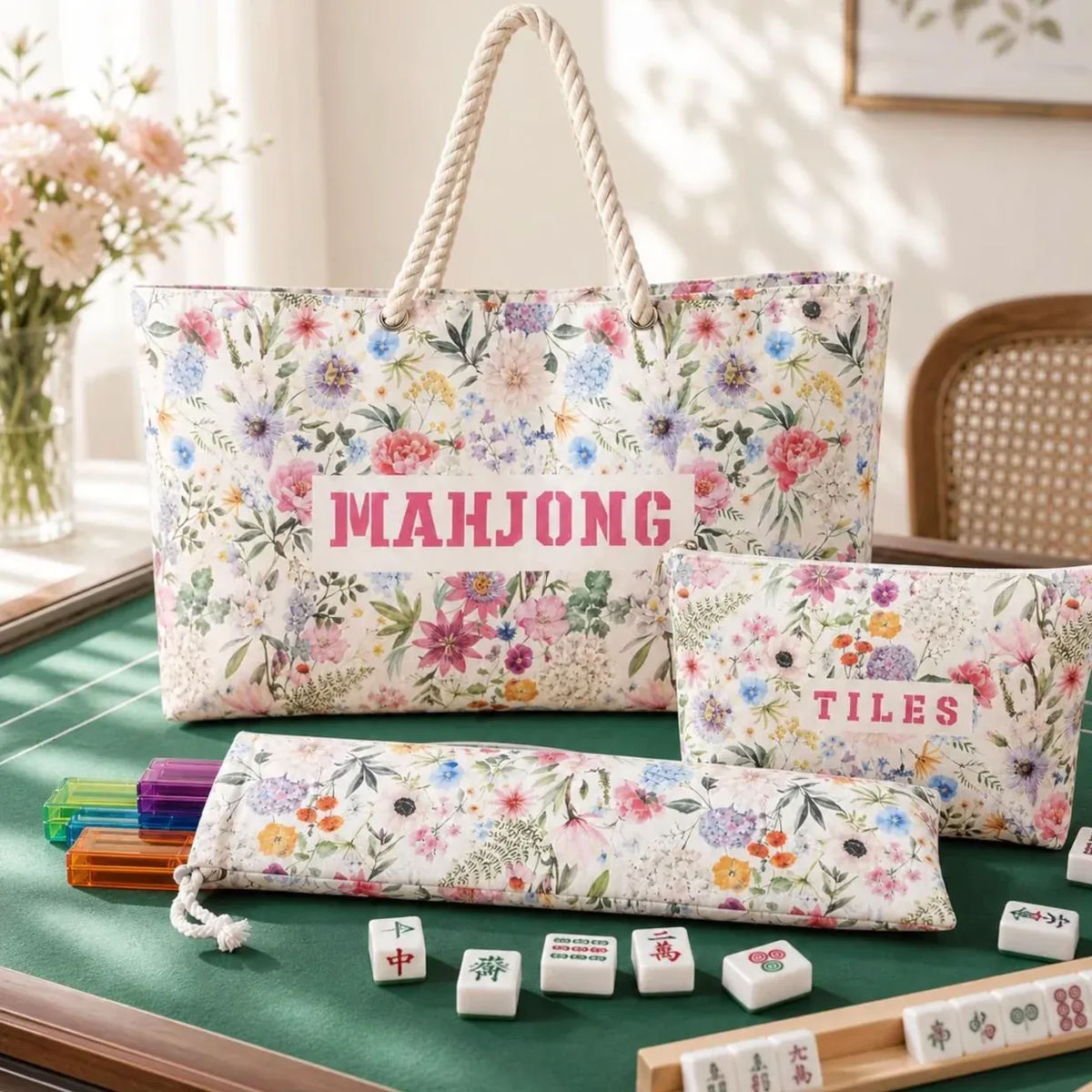
You need a mahjong bag if you transport your set regularly, host in multiple locations, or play in leagues where tiles travel between venues. A dedicated bag protects acrylic tiles from cracks and scratches, keeps pieces from spilling, and organizes rack, mat, and dice in one place. Travel bags designed for mahjong—not generic tote bags—have compartments sized for a standard 160-tile set in its original box or a loose tile rack, plus slots for a mat and pushers. If your set lives permanently on one table at home, a bag is optional; if it leaves your house weekly, it's practical insurance against damage worth considering.
Does Your Game Actually Need a Bag?
Your answer hinges on one simple metric: how many times per month does your set leave your home or primary table? If it stays put, skip the bag. If you attend weekly games, host rotating locations, or play league tournaments, a bag becomes necessary. We've watched acrylic tiles crack from being stacked loosely in a cardboard box during a car ride to a friend's house, and from someone dropping a set while carrying it unprotected down stairs. A bag isn't glamorous—it's damage prevention.

What Does a Mahjong Bag Protect Against?
Acrylic tiles are durable but not indestructible. They chip and crack under impact (a dropped set on concrete or a bag sliding off a car seat), pressure (someone sitting on a bag thinking it's just fabric), and dust or moisture that collects on exposed tiles during transport. Wooden racks and pushers scratch or dent from rubbing against hard surfaces. Mats wrinkle or tear if they're crammed with tiles and rolled carelessly. A structured bag with padding absorbs shock, isolates tiles in compartments so they don't tumble loose, and keeps your mat flat and your rack protected. Nylon or canvas bags with internal dividers work better than soft totes because they hold shape even when packed. The biggest mistake we see: using a regular satchel or shopping bag because "it fits." Those offer zero shock protection, and tiles end up loose against zippers or other hard edges.
What Size and Features Should You Look For?
A mahjong bag needs to fit a 160-tile set (either in its original box or transferred to a loose tile rack), your mat, and a set of racks with pushers—the three essentials of transport. Most effective bags have:
A padded main compartment large enough for your tile set without compression.
A separate flat pocket (usually on the exterior) for a mat rolled or folded.
Interior dividers or elastic slots to keep racks, pushers, and dice from rattling.
A reinforced bottom so the bag doesn't sag or tear when packed.
Handles or a shoulder strap that distribute weight evenly (not thin strings that dig into hands).
Width matters more than height for most designs. A standard American mahjong set box is roughly 10 inches wide by 6 inches deep by 4 inches tall; your bag should accommodate that with a couple inches of breathing room. If you use a loose tile rack and pushers, the footprint is similar, but a padded rack lets tiles shift less during transit.
Check the interior dimensions on the product page—not just "fits a mahjong set" (vague marketing), but actual depth and width measurements. We also recommend bags with a top zipper you can partially open to access tiles quickly without unpacking everything at the table. Hard-case luggage-style bags exist but are overkill for casual play; reserve those for tournament travel or storage of multiple sets.
Comparison: Bag Styles and When Each Works
Bag Style | Best For | Protection Level | Portability |
Padded drawstring pouch | Casual home transport | Moderate (compression risk) | Easy, lightweight |
Divided canvas tote | Weekly neighborhood games | Good (structure + padding) | Very portable |
Structured padded case | League play, regular travel | Excellent (shock absorption) | Good with handles/strap |
Hard-shell luggage case | Multi-set storage, tournaments | Maximum (rigid frame) | Heavy, bulky |
For most home players who attend one or two standing games a week, a structured padded canvas or nylon tote with interior dividers strikes the right balance. It protects tiles from everyday bumps, fits on a car seat or closet shelf, and doesn't feel like you're lugging tournament equipment. Casual players moving sets once a month or less might skip a bag entirely and rely on the original set box padded with a towel.
🎁 See our most-loved mahjong sets & accessories →

How to Pack a Mahjong Set for Safe Transport
Once you have a bag, packing method matters as much as the bag itself. Here's the checklist:
Keep tiles in the set box or a tile rack. Never pour loose tiles into a bag; they will rattle, shift, and risk cracking against the bag's interior.
Place the tile container in the main padded compartment first. Center it so it doesn't shift side-to-side during acceleration or turns.
Add racks and pushers in a secondary slot or elastic straps, not loose on top of the tile box.
Roll or fold your mat flat and slide it into the exterior pocket or a dedicated flat compartment. Never compress it under tiles.
Tuck dice and score pad into small interior pockets or a small zippered pouch to prevent them from rolling around.
Zip or seal the bag fully. Open bags tumble their contents if you set them down hard or move quickly.
A common mistake: overpacking. If your bag feels strained, bulging, or hard to zip, you've compressed something. Tiles can crack under pressure over time; mats can wrinkle permanently. A properly packed bag should close smoothly with room to spare. If it doesn't, your bag is the wrong size or you're including extras (spare tile sets, books, a laptop) that belong elsewhere.
What to Check Before You Buy
Before ordering a bag, confirm three things:
Dimensions match your set. If you own acrylic tiles in the original box, measure that box and compare to the bag's interior depth, width, and height. Leave at least 1–2 inches of clearance.
Interior dividers or pockets exist. A single empty compartment is worse than no bag; everything will shift and collide.
The strap or handle is comfortable for the weight you'll carry. A full mahjong set, mat, and racks can weigh 10–15 pounds. Thin handles on a heavy bag will cut into your hands during a multi-block walk.
Return policies vary; check the product page before checkout. We're confident in our collection of mahjong bags and cases because every design was tested by players who host weekly games and move sets regularly. If a bag doesn't work for your setup after you receive it, contact support—most vendors will exchange for a different size or style.
✨ Find your Mahstead set — free US shipping →
When a Bag Is Worth the Investment
A bag is worth buying if: (1) you play weekly in a league or regular home game outside your own table; (2) you own a high-quality acrylic set you want to protect long-term; or (3) you plan to travel with your set more than four times a year. For casual players who host once yearly or store a set permanently in one room, the original set box with a towel for cushioning suffices.
We also recommend a bag if you've invested in custom-engraved tiles or a personalized mat—the kind of set you'd be upset to see damaged. Those sets deserve the protection a real bag provides. Budget 30 minutes to pack correctly the first time, and your set will last years of weekly play without chips or cracks. The small upfront cost of a bag pays for itself in avoided tile replacements and peace of mind.
🀄 Shop best-selling mahjong sets →
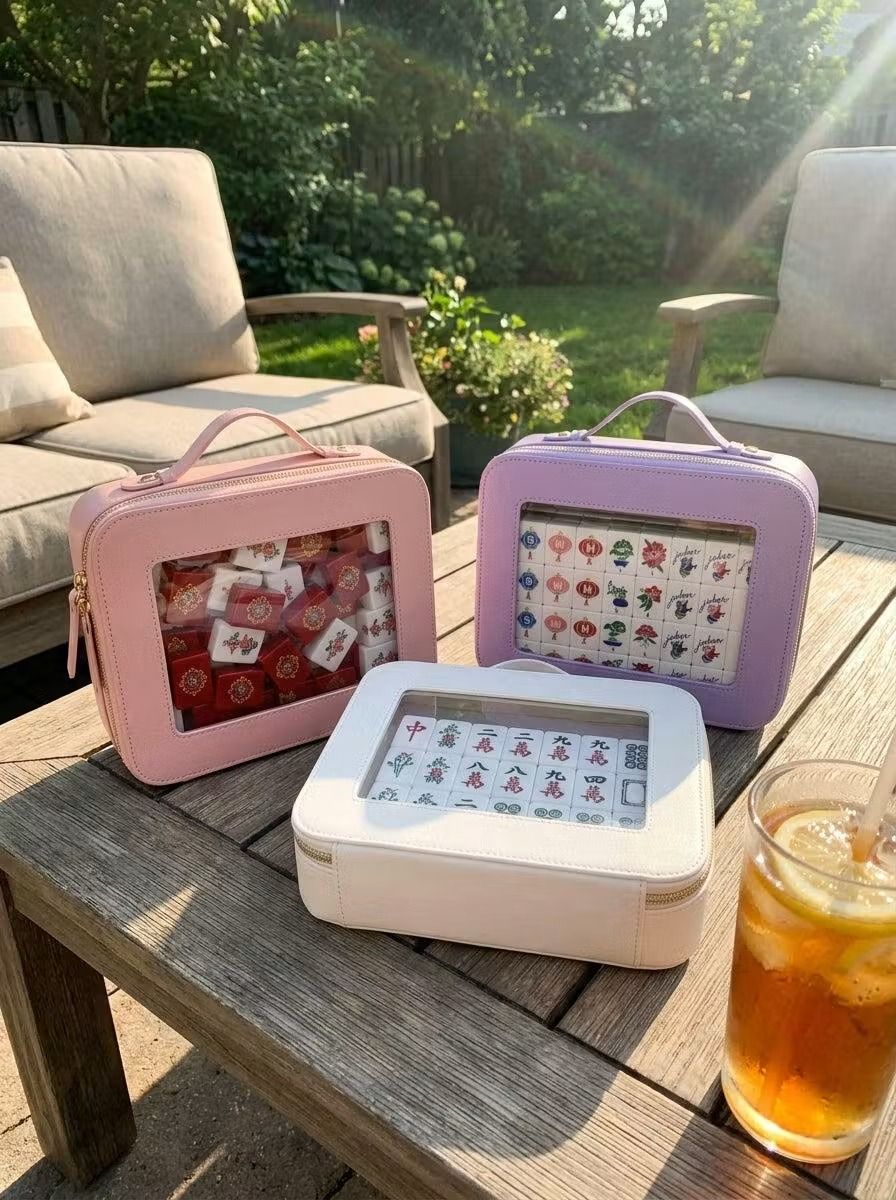
FAQ
Can I just use a regular tote bag or backpack instead?
Regular bags offer no shock absorption and let tiles shift loose, risking cracks. A mahjong-specific bag with padding and dividers is designed to keep tiles stable and protected during transport.
What's the difference between a bag and a hard case?
Bags are padded fabric with zippers and handles—lighter, easier to store, better for weekly play. Hard cases are rigid luggage-style containers—heavier, maximum protection, better for frequent airline travel or multi-set storage.
Will my set fit if it's still in the original box?
Check the bag's interior width and depth against your set box dimensions. Most bags are sized for a standard American mahjong set box, but always verify on the product page to be sure.
How do I know if my bag is protecting my tiles?
If tiles rattle inside the bag or shift when you move it, the bag is too large or lacks dividers. Tiles should sit snug in a secure compartment with minimal movement during transport.
Do I need a separate bag if I also have a mat and racks?
A good mahjong bag has compartments for tiles, a mat pocket, and slots for racks. One bag should hold everything; if it doesn't, you need a larger size or a second smaller pouch for accessories.


View More
View More
View More
