
Discard Mahjong Rule Explained: When, How & Why
Last updated: Nov 23, 2026
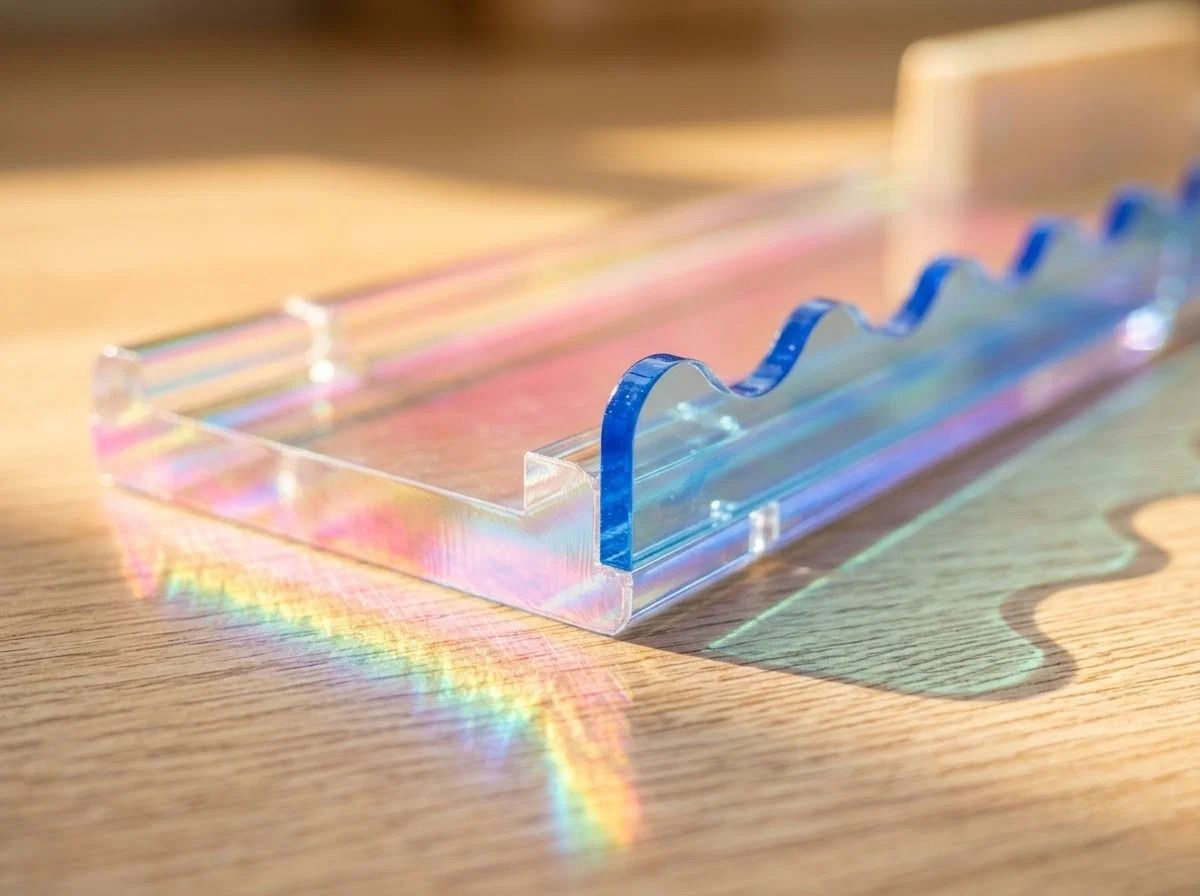
In American mahjong, after you draw a tile, you must discard exactly one tile face-up into the center discard pile before your turn ends. This tile is available for any player to call (claim) for an exposed pung, kong, quint, or sextet—but never for a pair or concealed hand. A discard becomes "dead" (no longer claimable) once the next player draws; jokers can be discarded like any other tile but cannot be used as a single tile, a pair, or in any formation by themselves. Practicing with marked mats keeps your discard pile clear and organized. The most common mistake is discarding a tile that could complete your hand or leaving the discard pile messy—both slow the game and create disputes.
What happens to a tile once you discard it?
The moment a tile leaves your hand and lands face-up in the center, it enters public play. Any player—not just the player to your right—may immediately call it to complete an exposed pung (three identical tiles), kong (four), quint (five), or sextet (six). Once the next player draws from the wall, that discard is "dead" and cannot be claimed. Dead tiles stay in the center as a record of the game's history but serve no further function. Understanding this timing is crucial: hesitate before discarding, not after.
Can you discard a joker, and if so, what are the rules?
Yes, you may discard a joker exactly like any other tile. The moment it lands in the center, opponents can call it for a pung, kong, quint, or sextet if they need a joker in one of those formations. Crucially, a joker cannot be used as a single tile (you cannot win on a single joker), cannot be part of a pair, and cannot substitute for itself in a winning hand. Many new players panic about discarding jokers, fearing they'll hand opponents an instant win—but this rarely happens because jokers are typically held in melds, not discarded early. If you're holding a joker you don't need, discard it strategically after your initial hand is solid.
What makes a discard illegal or a "washing" error?
A discard is illegal if you fail to discard exactly one tile before the next player draws, or if you attempt to take back a tile after it has touched the center. Some players accidentally discard the wrong tile in haste; once you release it, it cannot be returned. A "washing" error (confusion between discards and the wall) occurs when tiles are jumbled or the discard pile is messy, making it unclear which tile was most recently discarded. To prevent this, always place each discard neatly in the center, left to right, in a single line or organized pile. If a dispute arises about which tile was just discarded, the consensus at the table resolves it—but clarity from the start avoids the problem entirely.
How do other mahjong variants handle discards differently?
Chinese and Hong Kong mahjong allow discards to be claimed for "chows" (sequences like 1-2-3), which American mahjong forbids entirely—you can only ever expose pungs, kongs, and their larger variants. Riichi mahjong (Japanese) displays discards in a 6×4 grid pattern and allows players to claim any discarded tile for sets, but the order and visibility rules are strict. Taiwanese mahjong uses similar call rules to Chinese but with distinct scoring. American mahjong's simpler exposure rules (no chows, no sequences) mean discards are less contested overall; when a discard is called, the outcome is unambiguous. If you play multiple variants, the American rule—pung and larger melds only—is the key mental pivot.
Why does discard strategy matter for winning?
Your discard choices reveal your hand's direction and can telegraph whether you're pursuing flowers, dragons, or a specific number. Experienced players watch which tiles you're discarding early: if you shed low Bams and high Dots consistently, they deduce you're building mid-range Craks. By discarding "safe" tiles—ones other players have already discarded, or orphan numbers—you reduce the chance an opponent calls your tile to complete their hand. The safest early discard is often a tile no one else has shed yet, because it suggests the others don't need it. Timing matters too: never discard a tile that could complete your winning hand; instead, shed duplicates or wildcards you can replace later. The best strategy is to discard quickly and confidently, signaling control while keeping options open.
Discard Strategy at a Glance
Strategy | When to use | Risk level | Result |
Discard a "safe" tile (already shed by others) | Early-game (turns 1–6) | Low | Shows you're not hunting that number; opponents less likely to call it |
Discard an orphan number (1, 9, or honor tile no one's building) | Mid-game after hand takes shape | Low–Medium | Removes temptation to keep it; leaves mental space for your real melds |
Discard a duplicate of a tile you have | If you've built a pung or already have jokers | Medium | Signals strength but opponent might still call it for their hand |
Discard a honor tile (wind or dragon) you don't need | Mid-to-late game | Medium–High | Risky if opponent is hunting dragons; often safer to shed flower or joker |
Hold and discard a joker last | Only when your hand is locked | High | Can hand opponent an easy win if they called it earlier; best avoided |
🀄 Shop best-selling mahjong sets →
Real table-tested tips to master your discard
Discard in a line, not a pile. Lay each discard left to right in a neat row so everyone sees immediately which tile is most recent and which are dead. A jumbled pile invites mistakes and disputes.
Never telegraph your hand with hesitation. If you pause too long before discarding, opponents will guess you're torn between two options—and assume the one you shed is less crucial to you. Quick, confident discards seem random and safe.
Watch for "washing" before you start. Before the first draw, ask if the mats and discard areas are clear. If tiles are already scattered or marked surfaces are obscured, take five seconds to reset. A clean setup saves disputes every single game.
Keep score visible during the discard phase. Once you've drawn and are about to discard, glance at the NMJL card for your target hand. This 3-second check prevents you from shedding a tile you actually need.
Discard a high-honor tile early if you can. Winds and dragons are less common in winning hands than numbered tiles, so shedding a spare dragon in turn 2–3 removes a blocker from your hand and signals you're not pursuing dragons.
Jokers go last. If you're holding a joker at turn 5 and your hand is solid, keep it. Jokers are hard to replace; discard numbered duplicates first. Only shed a joker if you draw a third or fourth one, or if your hand is already complete.
🎁 See our most-loved mahjong sets & accessories →
Understanding discard in context: the full American game
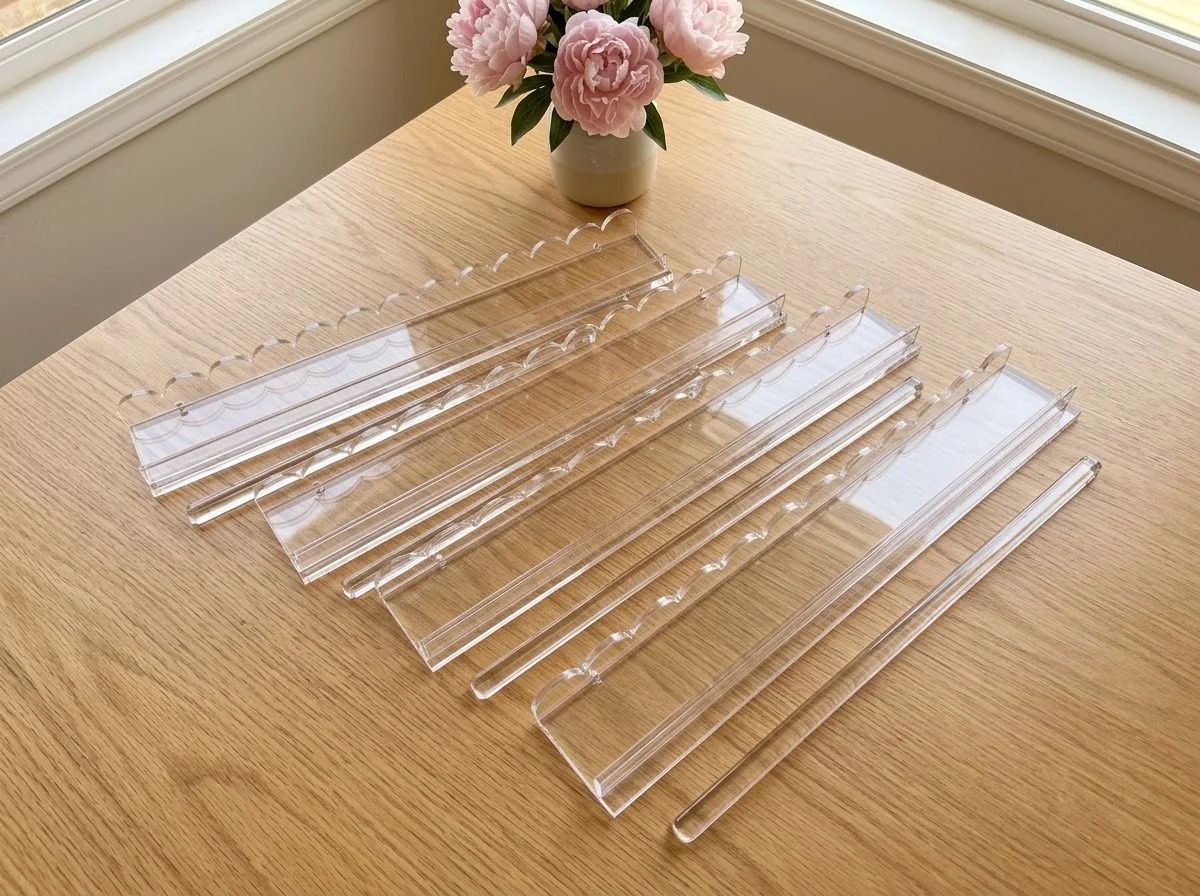
Discard rules only make sense within the larger flow of American mahjong. After the Charleston passes and the game begins, East draws first and discards first. Each subsequent player draws one tile, then discards one tile, in strict turn order. The discard pile grows as the game progresses; once 14 turns have passed, all players have exposed or concealed melds. Discards, draws, and calls happen at dizzying speed, so a clear discard pile prevents chaos. Racks with pushers keep your personal hand neat and help you focus on the center action without fumbling your own tiles.
The discard rule also intersects with the NMJL card: you can only win on hands listed on the current year's card. This means discarding a tile that prevents you from reaching a listed hand is pointless—always check your options before you shed. Conversely, a discard that unblocks your path to multiple hands is often worth the small risk an opponent calls it.
What to check before your next game
Is your mat clean and marked? A mat with a clear discard zone prevents messy piles.
Does everyone agree on the discard-pile placement? Agree before East's first turn.
Do all players know jokers cannot form a pair or single? Clarify this rule upfront to avoid disputes.
Is the NMJL card current (2026)? An outdated card leads to misread hands and wrong discards.
Are your racks organized enough to spot duplicates? A messy rack leads to careless discards.
✨ Find your Mahstead set — free US shipping →
When discards go wrong: common mistakes and fixes
Mistake 1: Discarding a tile you later need.Fix: Before discarding, scan your rack for the hand you're pursuing on the card. Shade or note the required tiles mentally. Shed anything outside that set.
Mistake 2: Leaving the discard pile messy or unclear.Fix: Assign one player as "pile keeper" to neatly line up each discard. Use a mat with a marked discard area to enforce clarity.
Mistake 3: Discarding a safe joker too early.Fix: Hold all jokers until turn 4–5, unless you draw more than you can use. Jokers are too precious to waste.
Mistake 4: Hesitating mid-discard, then changing your mind.Fix: Once a tile leaves your hand and touches the center, it's live—no takesies-backsies. Decide before you reach.
Mistake 5: Not watching others' discards for patterns.Fix: Spend 30 seconds each turn glancing at what others shed. Their patterns reveal which tiles are "safe" to discard yourself.
Comparing discard rules: American vs. other variants
American mahjong forbids chows (sequences), so discards can only be claimed for pungs and larger melds. This makes the game slower and more conservative—players discard more cautiously because there are fewer ways to use a discard. Chinese and Hong Kong mahjong allow chows, so a discard is called far more often; the discard pile shrinks quickly. In Riichi, discards are displayed in a strict grid and have intricate visibility rules. For beginners, American mahjong's discard simplicity is an advantage: fewer claim options mean fewer disputes. If you ever play how to play American mahjong with friends who know other variants, remind them: American discard calls are pung, kong, quint, or sextet only.
FAQ
Can I take back a discard once it touches the center?
No. Once a discard leaves your hand and lands in the center, it is live and permanent until the next draw. If you made a mistake, the group may allow a rare redo, but the rule is: no takesies-backsies.
What if two players call the same discard at the same time?
Priority goes to the player nearest to you in clockwise order. If East discards and both South and West call it, South has priority. The NMJL rules specify this; your group should clarify before play begins.
Can I discard a joker as part of my winning hand?
No. You cannot win on a single joker or a pair of jokers. A joker can only appear in an exposed pung, kong, quint, or sextet, substituting for one of the regular tiles in that formation.
How do I know if a discard is "safe" to shed?
A discard is relatively safe if other players have already shed the same tile (signal they don't need it) or if it's an orphan (1, 9, or an honor tile no one is building toward). Watch the discard pile for patterns.
What if the discard pile gets mixed up or messy?
Stop play immediately and agree on which tile was just discarded. Once consensus is reached, resume. To prevent this, neatly line discards left to right from turn one and use a mat with a clear discard area.
Can I discard a tile before I draw?
No. The sequence is always: draw one tile, then discard one tile. You must complete the draw first.
Does discarding a tile count as "exposing" it?
Yes and no. The tile itself is exposed (visible to all), but you are not exposing a pung or kong—you're simply removing one tile from your hand. Exposure (in the American rule sense) refers only to pungs, kongs, quints, and sextets you claim and lay down.
What if I accidentally discard two tiles?
Stop immediately. Return one tile to your hand and re-discard. The group should agree which tile was the intended discard. To avoid this, hold your tiles in a rack with pushers so each tile is clearly separated.


View More
View More
View More
