
Designer Mahjong Racks With Pushers: How to Choose
Last updated: Nov 23, 2026
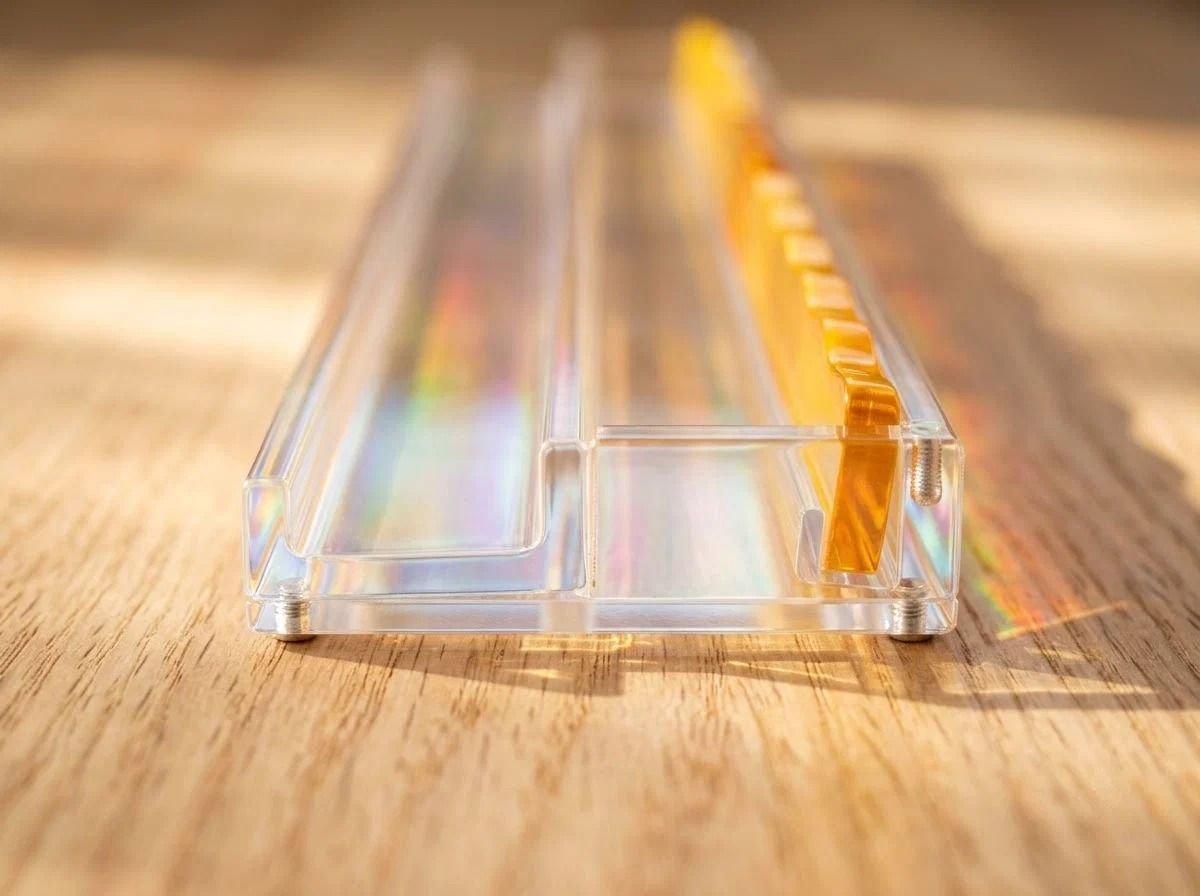
We use mahjong racks with pushers to hold and manage our 13 tiles during play—they're not optional, they're essential. A rack is an acrylic or wood tray that keeps your hand hidden and organized; the pusher is a small tool that slides tiles into place without exposing them. Mahstead offers engraved acrylic racks designed to match our best-selling mahjong sets, with built-in pusher slots or paired pushers included. Racks come in standard widths to fit 13–14 tiles comfortably. A good rack reduces fumbling, speeds up your game, and prevents accidental tile reveals. The key is choosing one that matches your tile size and game frequency: casual weekly players often prefer lightweight acrylic, while serious hosts benefit from durable engraved designs that complement a full set.
What's the difference between a rack and a pusher?
A rack holds your tiles; a pusher moves them. The rack is a long, shallow tray where your 13 tiles sit face-down or at an angle so only you see them. The pusher is a slim tool (about 3–4 inches long) that lets you slide individual tiles from the back of your rack toward the front without touching them directly—this keeps your hand hidden and prevents oils from marking tiles. Many players use both: the rack for storage, the pusher for careful tile management when calling or discarding. Some racks have a built-in pusher slot; others come paired with a separate pusher.

Should you buy an engraved rack or a plain one?
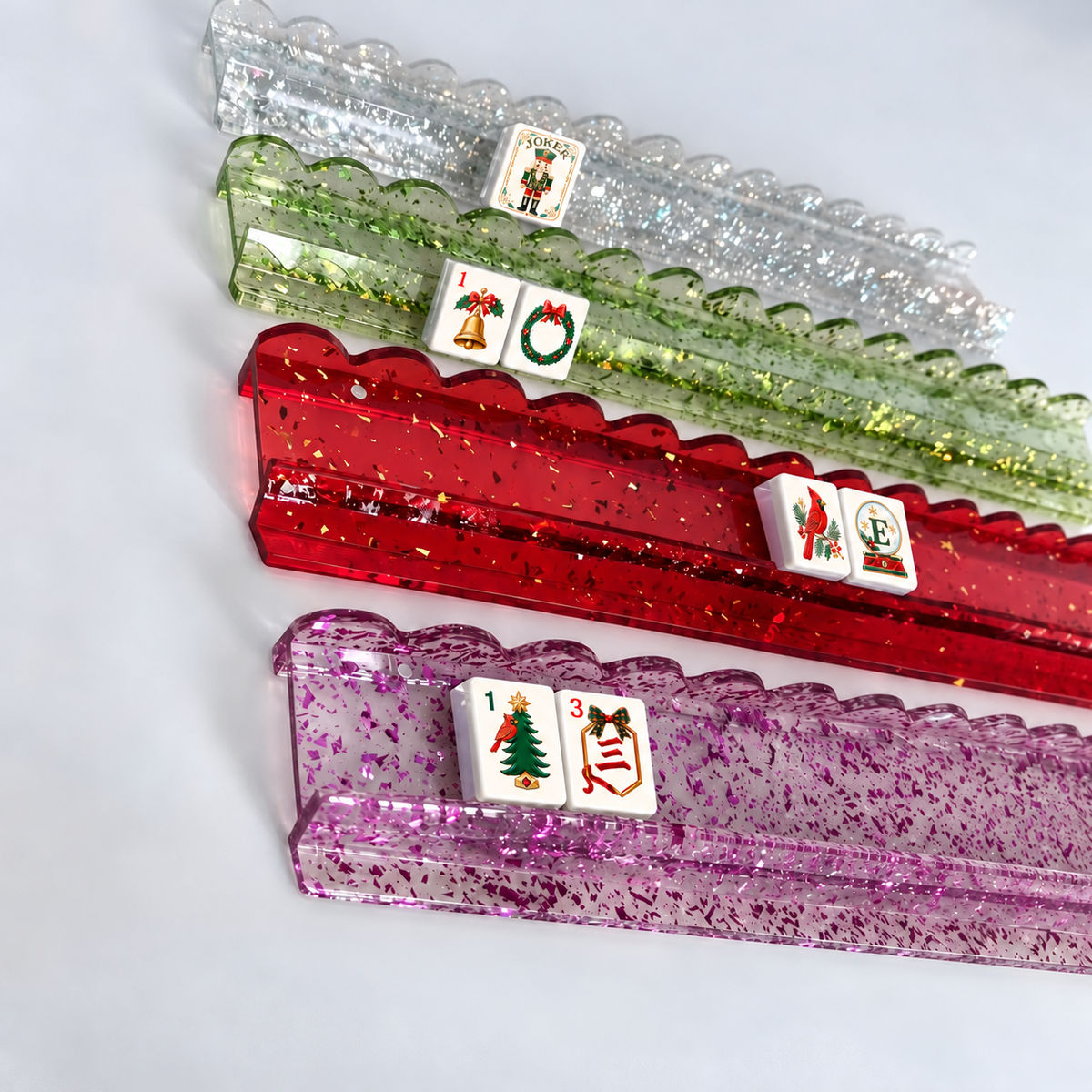
Engraved racks add visual appeal and pair beautifully with custom engraved American mahjong sets, especially if you host weekly games or want a cohesive table setup. Plain acrylic racks cost less and work equally well functionally, but won't stand out. An engraved design—whether it's a witty phrase, a player's name, or a thematic pattern—makes your game feel more intentional and memorable. If your set is already engraved, matching racks signal that you take the game seriously. For casual players, plain is fine; for hosts, engraved feels like a small luxury that guests notice and appreciate.
How do you choose the right rack size?
American mahjong uses 13 tiles in your hand at any time; your rack must fit those 13 comfortably, plus space for a discard or two. Mahstead racks are sized to accommodate standard American tile dimensions. Measure your tiles before ordering: if they're from a standard 160-tile set, they'll fit any American-spec rack. Test: when your 13 tiles sit in the rack, you should be able to see all of them without lifting the rack off the table, and the pusher should slide smoothly from back to front. If tiles jam or hang over the edges, the rack is too narrow. Racks that are slightly longer than 13 tiles wide give you wiggle room and feel less cramped during rapid play.
Use Case | Best Rack Type | Why It Works | Check First |
Casual home game | Plain acrylic, standard width | Lightweight, easy to store, affordable | Tile size matches set |
Weekly host setup | Engraved acrylic matching set | Looks intentional, coordinates with tiles/mat | Rack depth holds 13 + 1–2 extras |
Tournament or club | Acrylic with matching pusher | Durable, consistent across all players | Width fits standard American tiles |
Travel or small table | Compact or stackable | Saves space, portable | Pusher stays attached or paired |
What happens if your pusher goes missing?
Racks without pushers are hard to use: you'll end up manipulating tiles by hand, which exposes them and breaks the flow of play. A lost pusher stops the game unless someone lends you theirs. Mahstead racks are sold with pushers included or paired, so you always have one. If you lose it, buy a replacement from your set's collection or ask your group for a spare (most serious players carry extras). Never try to use a toothpick or chopstick—they scratch tiles and annoy everyone.
Should your rack match your mahjong set or mat?
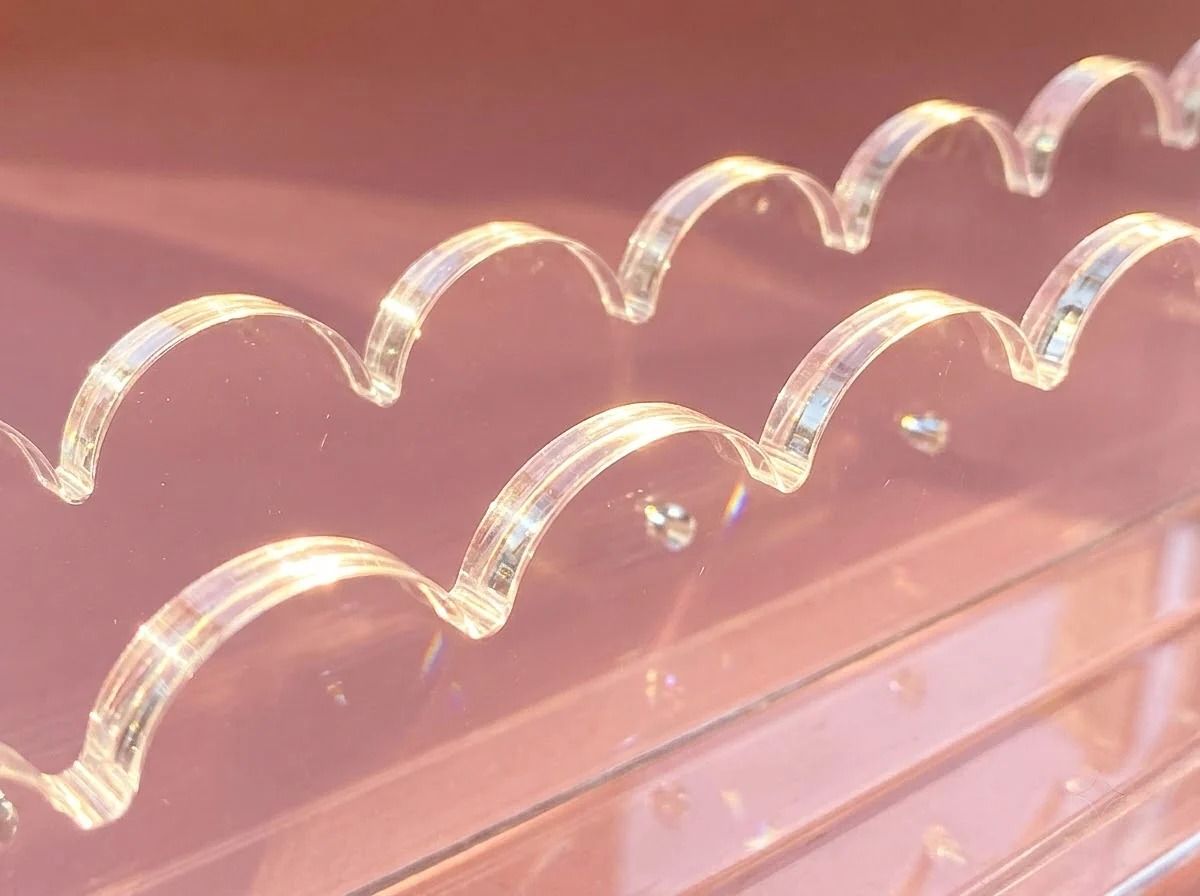
Yes, if you want a cohesive table. A matched set—tiles, mat, racks, and travel bag—looks intentional and makes hosting feel upscale. Your rack doesn't have to be the same color as your tiles, but it should coordinate: if your set is engraved with a name or phrase, matching that design on the rack (if available) creates a unified look. Many players order a full setup together and transport everything in one case. A mismatched rack works fine functionally, but a coordinated rack elevates the whole experience. If you're starting out, buy the set first, then add racks and accessories that complement it.
What to check before you buy
Tile size compatibility. Measure or compare your tiles to the rack width. American tiles are standard, but older sets sometimes vary slightly.
Pusher attachment. Confirm whether the pusher is built-in, included separately, or sold as a pair. Racks with slots or holders keep pushers from getting lost.
Rack depth and angle. The rack should support your tiles at a slight angle (if you prefer) or flat, and should hide them completely from opponents sitting nearby.
Material durability. Acrylic is lightweight and easy to clean; engraved acrylic resists fading. Check that any engraving is deep enough to be readable after years of play.
Quantity needed. For a four-player game, you need four racks (one per player). For hosting, buy extras in case guests forget theirs.
Storage and transport. Will the rack fit in your travel bag or case? Does it stack or nest with others?
🀄 Shop best-selling mahjong sets →
How do racks improve your game speed?
A good rack lets you see all your tiles at once without lifting or fanning them, which means you spot melds and winning combinations faster. The pusher lets you organize tiles by suit and number in seconds—sliding them into order without fumbling. This matters most during rapid exchanges: when you draw, discard, and call in quick succession, a smooth rack-and-pusher workflow keeps you calm and focused. Newer players often slow down because they struggle to hide and organize tiles simultaneously; a quality rack solves this. Over dozens of games, a quality setup saves minutes of dead time and makes the game feel more fluid.
Are designer racks worth the extra cost?
For weekly players and hosts, yes. A custom engraved rack lasts years, coordinates with your set, and signals respect for the game. For casual players who join games at clubs or use borrowed sets, plain is fine. An engraved rack becomes part of your identity as a player—guests remember your game setup, and you enjoy sitting down to a table that feels like yours. The cost difference between plain and engraved is usually modest, and the aesthetic return is high if you're hosting or playing regularly. If you play once or twice a year, save the money. If you play weekly, it's worth it.
🎁 See our most-loved mahjong sets & accessories →
When you're ready to build or upgrade your game, start with a complete mahjong set and then add racks that match. A coordinated setup—tiles, racks, mat, and case—transforms a casual hobby into a polished ritual. We've found that players who invest in quality racks and pushers play more consistently, host more often, and keep the game alive in their circles. Order from Mahstead with free US shipping, and you'll have everything you need in one box.
✨ Find your Mahstead set — free US shipping →
FAQ
Can you use a rack without a pusher?
Technically yes, but it's awkward and slow. You'll handle tiles directly, risk exposing them, and lose the organized, efficient workflow. A pusher is worth having.
What if your tiles don't fit in the rack?
The rack is too narrow, or your tiles are non-standard. Measure both before buying. American mahjong sets are consistent, so this is rare—most racks fit all standard 160-tile sets.
Do you need a new rack for each set, or can you reuse one?
Reuse one rack across multiple sets, as long as tile size is consistent. If you own sets from different eras or manufacturers, test each before committing.
How do you clean an engraved acrylic rack?
Warm water and mild soap. Wipe with a soft cloth. Never use abrasive cleaners or scouring pads—they blur engraving. Dry immediately to prevent water spots.
Should the pusher be the same color or material as the rack?
No. Pushers are often bone, wood, or colored acrylic for contrast so you can find them easily. A light-colored pusher on a dark rack (or vice versa) actually helps.
Can you buy just a pusher to replace a lost one?
Yes. Check the collection page for individual pushers or contact Mahstead with your set details; they can often match or suggest a compatible replacement.
What's the ideal angle for tiles in a rack—flat or tilted?
Tilted (about 30–45 degrees) is traditional and helps you see all tiles without lifting the rack. Flat is fine too; it's player preference. Your rack should support both.


View More
View More
View More
