
Bone and Bamboo vs Bakelite Mahjong Tiles: Which to Buy
Last updated: Nov 23, 2026
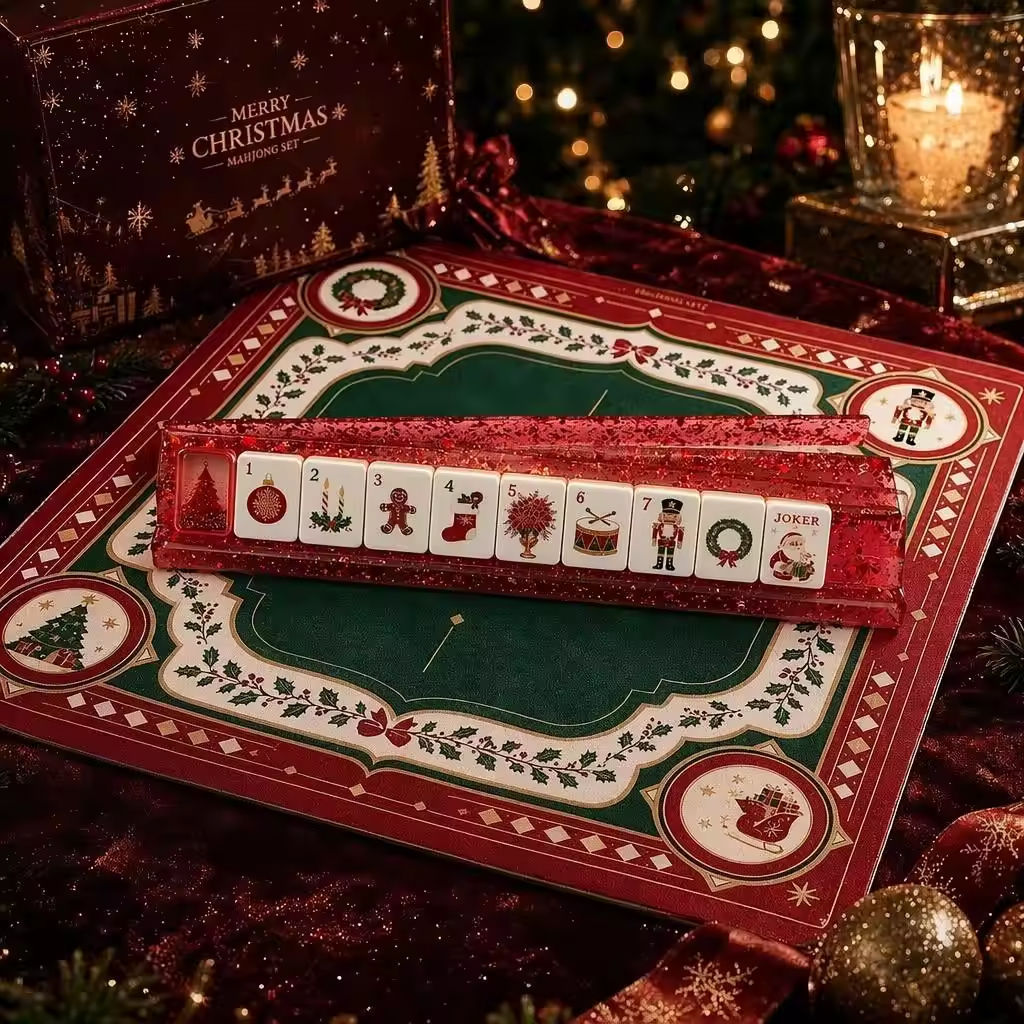
Bone-and-bamboo tiles are traditional, lightweight, and produce a soft click; they're prized by collectors but chip easily and cost significantly more. Bakelite tiles are heavier, produce a sharper sound, resist damage better, and suit competitive play—though they can feel plasticky and are harder to grip. Acrylic tiles, used in best-selling mahjong sets, offer durability, vivid engraved designs, consistent weight, low maintenance, and affordability for weekly game hosts. Your choice depends on budget, frequency of play, storage conditions, and whether you prioritize aesthetics or practicality. All three are valid; bone-and-bamboo is for purists, bakelite for serious players seeking authenticity at mid-range cost, and acrylic for households that play year-round without fussing over care.
What makes bone-and-bamboo tiles the collector's choice?
Bone-and-bamboo tiles combine bovine bone faces with bamboo veneer backs, creating tiles that feel warm and weigh less than bakelite. They produce a distinctive soft, delicate click—many players associate this sound with authentic mahjong. The hand-painted artistry on premium sets is unmatched. However, these tiles chip, crack, and stain easily; they require careful storage in climate-controlled spaces and cannot tolerate humidity swings. They are expensive—often costing substantially more than bakelite or acrylic equivalents. Bone-and-bamboo shines for occasional collectors, players who inherit family sets, or tournament purists who value heritage over convenience.

Why do serious players choose bakelite?
Bakelite is a dense thermosetting plastic developed in the early 1900s, and it was the standard for tournament play for decades. Bakelite tiles are noticeably heavier than bone-and-bamboo, producing a louder, crisper click that carries well in crowded rooms. They resist chipping, warping, and staining far better than bone-and-bamboo and require no special care. The sound and heft give many competitive players confidence and tradition. Drawbacks: bakelite can feel slippery or cold to the touch, and the manufacturing process limits design detail compared to engraved acrylic. Bakelite is mid-range in cost and remains popular in clubs where players expect an "authentic" feel but don't want the fragility of bone-and-bamboo. If you host serious league games, bakelite may satisfy purists while holding up to frequent shuffling.
How do acrylic tiles compare in durability and sound?
Acrylic tiles are cast from a single material—non-toxic, food-safe, and virtually indestructible under normal play. They weigh slightly less than bakelite but more than bone-and-bamboo, giving a controlled, crisp sound without the harshness of bakelite. Engraving allows vivid, detailed artwork that doesn't fade; colors stay bright after years of handling. Acrylic tiles won't chip, crack, or yellow and require only a damp cloth to clean. They suit humid, dusty, or high-traffic environments equally well. The trade-off: some players perceive acrylic as "plastic" and less traditional, though this bias has faded as modern acrylic sets become mainstream. For households that play weekly or teach beginners, acrylic is the practical winner. Mahstead's engraved American mahjong sets use cast acrylic with precision engineering to deliver a premium feel at a fraction of bone-and-bamboo cost.
🀄 Shop best-selling mahjong sets →
Comparison table: Material, weight, sound, and maintenance
Aspect | Bone-and-Bamboo | Bakelite | Acrylic |
Weight | Lightest (~3.5g) | Heavier (~6g) | Medium (~5g) |
Sound | Soft, delicate click | Loud, sharp crack | Crisp, balanced tone |
Durability | Chips, cracks, stains easily | Very durable, resist wear | Nearly indestructible |
Maintenance | Climate control, careful storage | Wipe clean, basic care | Wipe clean, no fussing |
Design detail | Hand-painted, artisanal | Limited detail | Vivid, detailed engraving |
Cost basis | Most expensive | Mid-range | Most affordable |
Best for | Collectors, purists | Tournament players | Weekly hosts, beginners |
Resists humidity | No | Yes | Yes |
Long-term fade | Colors fade | Some yellowing | Minimal fade |

What should you check before ordering?
Before committing to any material, ask yourself: How often will you play? Weekly players benefit from durability and low maintenance—acrylic wins. Will tiles sit idle for months? Bone-and-bamboo requires climate control; acrylic and bakelite tolerate neglect. Are you teaching new players? Acrylic's affordability and toughness make mistakes forgiving. Do you have the budget? Bone-and-bamboo requires significant investment upfront; acrylic offers better value over 5–10 years. Is sound important? Bakelite and bone-and-bamboo players love the click; acrylic produces a gentler tone that some find less satisfying initially, though most adjust within one session.
Check the best-selling mahjong sets to see acrylic options, then ask the seller about tile weight, sound samples if available, and storage recommendations. If you're borderline, consider a lower-cost acrylic set first and upgrade if you fall in love with bone-and-bamboo later—many players do both.
🎁 See our most-loved mahjong sets & accessories →
When to splurge on bone-and-bamboo versus when to go acrylic
Splurge on bone-and-bamboo if: you play monthly or less (tile care becomes ritual, not burden), you have a climate-controlled storage space, you value historical authenticity, or you're gifting an experienced player. Bone-and-bamboo is also wise if you inherit a family set and want to maintain the legacy.
Go acrylic if: you host weekly games, you live in a humid or variable climate, you teach beginners who may lose tiles, you travel with your set, or you want beautiful design without anxiety. Acrylic also suits households with children or pets where breakage is inevitable. Many serious players own both—bone-and-bamboo for display or occasional play, acrylic for regular rotation.
Mahstead's engraved sets and accessories pair well with acrylic tiles because the durability justifies investing in a matching mat or case that will last. If you're unsure, start with acrylic, gain confidence, and revisit bone-and-bamboo once you know your commitment level.
Cost and long-term value: A practical breakdown
Bone-and-bamboo sets often cost 2–4× more than acrylic equivalents per unit cost on the price list. Over five years of weekly play, bone-and-bamboo requires potential repair, storage management, and eventual replacement due to chipping. Acrylic, if dropped or stored poorly, remains functional; a single replacement tile is far cheaper than a full repair. Bakelite sits between the two—mid-cost upfront with modest maintenance. If you play 40 times per year, acrylic offers the best amortized value and peace of mind. If you play 4–6 times per year and have stable storage, bone-and-bamboo's investment spreads over time and justifies the ritual. Calculate your real play frequency and storage reality before deciding; most households underestimate how often they actually use a set.
✨ Find your Mahstead set — free US shipping →

FAQ
Can I mix tile materials in a single set?
No. All 152 tiles in a legal American mahjong set must match in feel, weight, and manufacturing process. Mixing creates inconsistent shuffles, uneven stacking, and rule violations in tournaments. Buy a complete set in one material.
Do acrylic tiles really sound cheap?
Acrylic produces a crisp, clean tone that many players initially associate with "plastic," but most adjust within one session. The sound is consistent and carries well. Bakelite and bone-and-bamboo produce louder, sharper clicks, but preference is personal, not objective quality.
How long do bone-and-bamboo tiles last if I'm careful?
With diligent climate control, hand-washing, and careful storage, bone-and-bamboo tiles can last 20+ years. However, a single humidity spike, accidental drop, or prolonged sun exposure can crack or warp tiles permanently. The maintenance burden deters most casual players.
Are bakelite tiles still manufactured for mahjong?
Yes, bakelite remains available through specialty vendors, though production is limited compared to acrylic. Bakelite is heavier and more durable than bone-and-bamboo but costs more than acrylic, placing it in a niche market of competitive and traditional players.
What's the best material for travel?
Acrylic. It withstands baggage handling, temperature swings, and humidity changes without damage. Pair an acrylic set with a padded mahjong travel bag for maximum protection and portability.
Do I need to seal or varnish acrylic tiles?
No. Acrylic requires no treatment, oil, or sealant. A damp cloth and mild soap are sufficient for cleaning. Any coating risks altering the tile weight or grip, so skip it.
Can I refinish chipped or worn bakelite tiles?
Professional refinishing exists but costs more than replacing the set. Most players discard bakelite tiles and buy new, making it less economical than acrylic or bone-and-bamboo for long-term ownership.


View More
View More
View More
