
Cute Mahjong Tile Trays: Designs That Make Setup Fun
Last updated: Nov 23, 2026
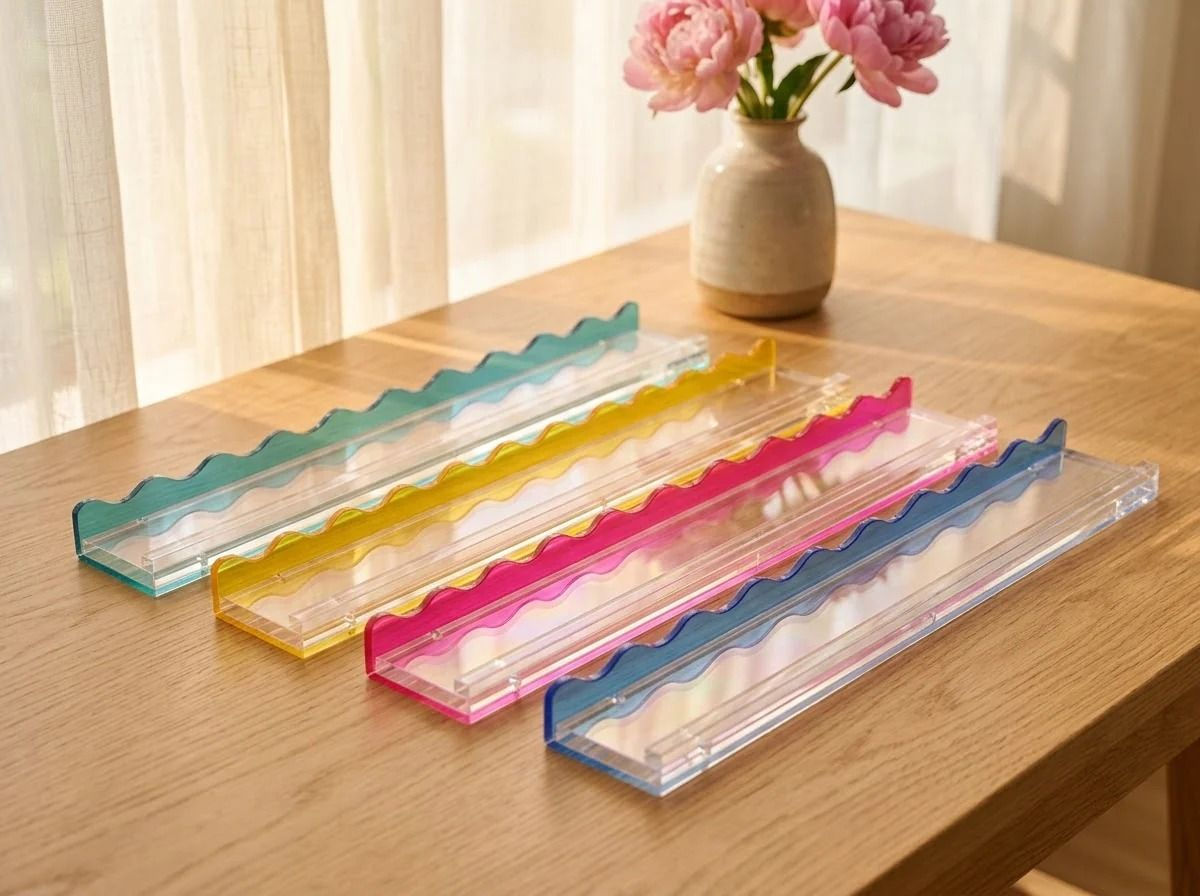
A cute mahjong tile tray is a tray or rack designed to hold and display tiles during play, usually angled to keep tiles upright and easy to see. Mahstead offers our most-loved mahjong sets & accessories in designs ranging from minimalist acrylic to engraved themes — some with pushers built in, some standalone. Most trays hold all tiles for one player (typically 14–18 tiles standing upright). Cost varies by material and customization; acrylic racks with pushers are durable and affordable, while engraved versions add personal flair. Before ordering, check tray depth (will it fit your table edge?) and whether you want pushers (small sticks that help advance tiles one at a time—essential if you host regularly). Avoid flimsy plastic; quality racks last years. 🀄 Shop best-selling mahjong sets →
What exactly is a mahjong tile tray or rack?
A tile tray is a holder that props your 14 tiles upright at an angle so you can see all of them without holding them in your hand. Most include a flat or ridged surface and walls on two or three sides. A rack with pushers adds small sticks (the "pushers") that let you advance one tile forward at a time—a small but meaningful convenience when you draw or discard. Some trays are simple acrylic ledges; others have themes, engravings, or decorative tops. They're one of the three pieces of equipment that make a weekly game comfortable: a mat, a set, and a way to hold your tiles.
Why do you need one?
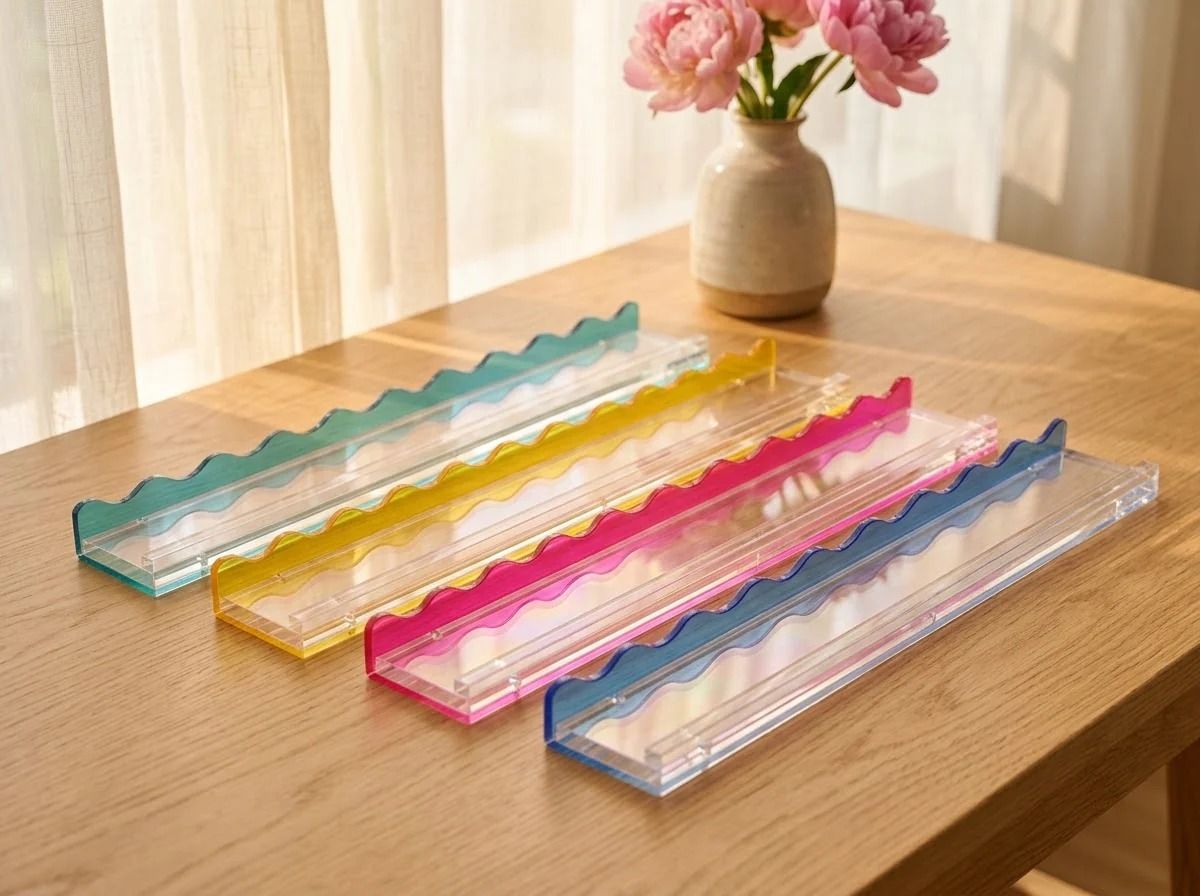
Holding 14 tiles in your hand for a full game is tiring and leaves you fumbling during crucial moments. A tray keeps tiles organized so you can spot pairs, pungs, and kong opportunities instantly. You also won't accidentally flash tiles to other players or drop them mid-draw. If you host weekly games, your guests will appreciate not hand-cramping—and a cute, well-made tray signals that you've thought about their comfort. It's also easier to teach beginners when they're not juggling tiles; they can focus on the card and strategy instead.
Types of cute mahjong trays: which is right for you?
Style | Who it's for | Why it works | Key feature |
Acrylic with pushers | Weekly hosts, serious players | Durable, affordable, professional feel | Pushers included; lasts years |
Engraved acrylic | Gift-givers, themed enthusiasts | Personal touch; great conversation starter | Custom text or design; same durability |
Minimalist design | Modern decor, young players | Blends into any table; clean lines | Lightweight, compact |
Themed/decorative top | Collectors, casual players | Visual appeal; doubles as décor | Unique art or inside jokes |
Standalone tray (no pushers) | Budget-conscious, casual groups | Lowest cost; still holds tiles upright | Works fine without pushers |
🎁 See our most-loved mahjong sets & accessories →
Pushers: do you really need them?
Yes, if you host regularly or play competitively. Pushers let you move tiles forward one at a time as you draw, exposing only the new tile to yourself and keeping the rest of your hand hidden from other players. Without pushers, you have to shuffle tiles constantly or reach over to the wall yourself, which slows the game and breaks rhythm. Casual players can skip them, but once you own a rack with pushers, you'll wonder how you ever played without. Most of our mahjong racks with pushers are built as a matched pair so both sides function the same way.
How to choose size, material, and color
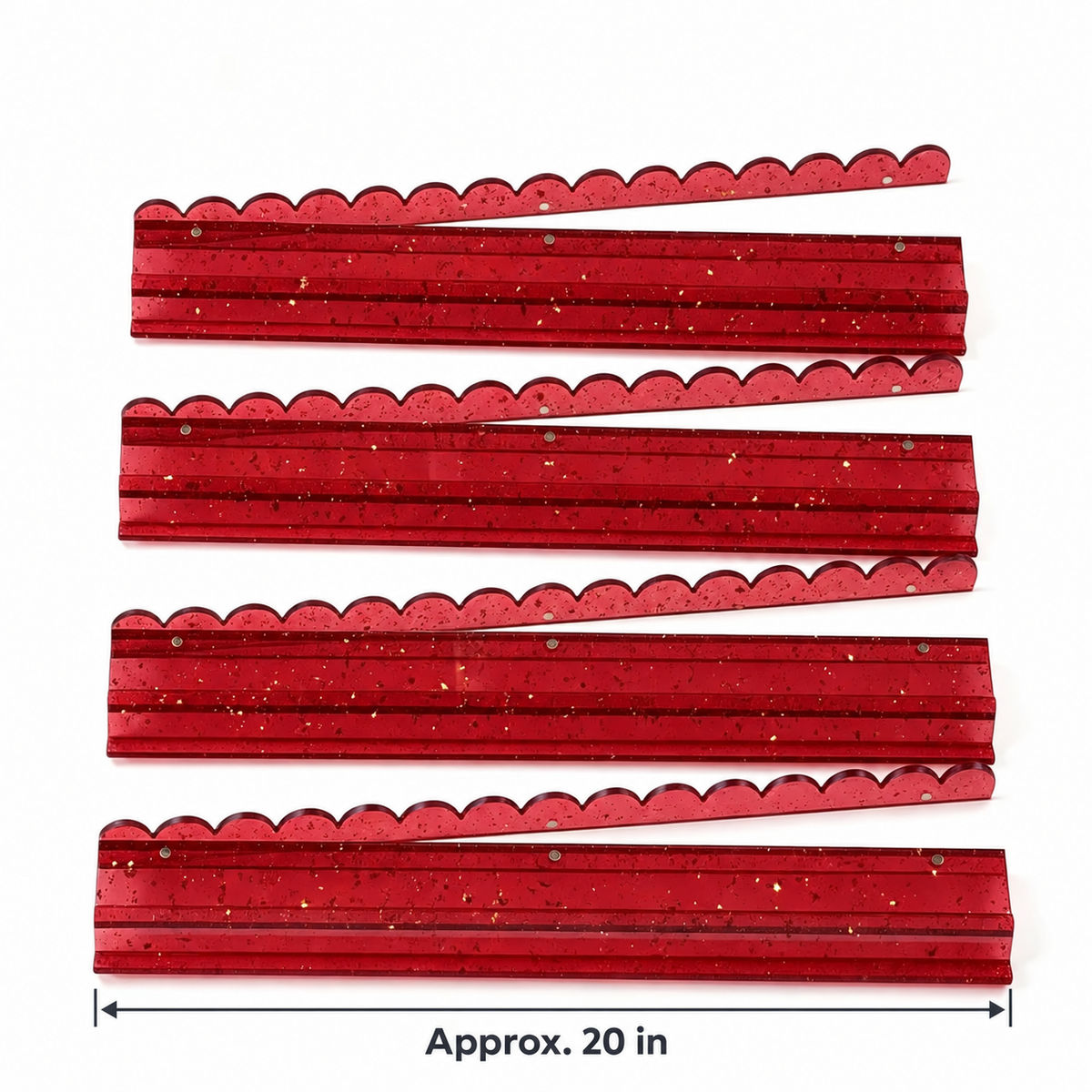
Measure your table edge first. A tray typically sits 8–14 inches wide; if your table is narrow or you play on a lap desk, measure before ordering. Acrylic is lightweight, durable, and easy to clean—it won't stain or warp over time. Color choice is personal: neutrals (clear, white, black) blend with any mat and set; colors and engravings add personality. If you're buying as a gift, match it to your friend's style—bold colors and custom text work well for long-time players; minimalist designs suit anyone. Depth matters too: deeper trays hold tile stacks more securely if you live somewhere warm (acrylic can slightly warp if left in direct sun, though quality sets resist this). Check the product photos to see exact angles and edge heights.
✨ Find your Mahstead set — free US shipping →
Engraved and themed trays: the gift-giving angle
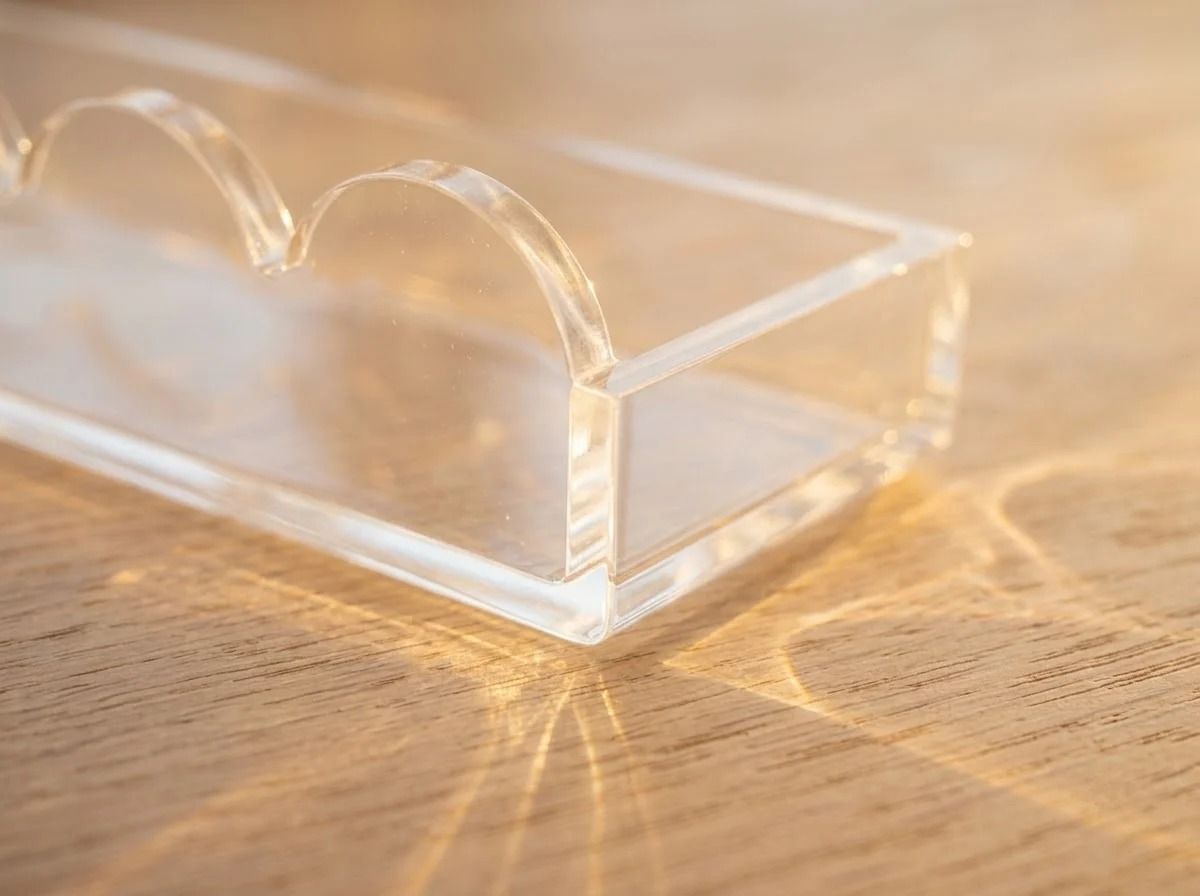
An engraved mahjong rack turns a utility item into a keepsake. Add a player's name, a funny inside joke from your group, or the year your weekly game started. Our engraved American mahjong sets show how deeply personalization resonates—the same idea works for racks. Themed racks (seasonal designs, cultural references, witty slogans) make great gifts for players who already own a set but want something that matches their table personality. They're also wonderful for milestone celebrations: retiring a longtime host, welcoming a new member, or marking a decade of games. A cute tray with the right message becomes something your table remembers, not just a place to rest tiles.
What to check before you buy
Size & fit: Will it fit your table setup? Measure the edge or lap space where you'll place it. Most racks are 9–12 inches wide; confirm before checkout. Material quality: Acrylic should feel smooth and substantial, not thin or bendable. Pushers included? If yes, check that both sticks are present and move freely. Color match: Hold the product image next to your mat color or preferred set style. Shipping: Mahstead offers free US shipping on all orders, so no hidden costs. Spare parts: Some racks come with extra pushers or replacement feet—a sign of durability-minded design. Angle & height: Taller tiles need steeper racks; short racks suit compact games. Test the photo angle against your hand height.
Common mistakes to avoid
Buying a tray that's too small. If you play with a full 152-tile set and hold 14 tiles plus a joker, a narrow tray will feel cramped. Choosing purely on looks without checking depth. A beautiful but shallow tray won't hold tiles securely when you bump the table. Ignoring pushers if you host. Save yourself and your guests the frustration—invest in pushers from the start. Assuming all acrylic is the same. Quality varies; thicker acrylic resists scratches and micro-warping better than thin versions. Not measuring before ordering. A tray that's three inches too wide won't fit your space, no matter how cute it is. Buying mismatched pairs. If two players are sharing a rack or you're gifting to a couple, confirm both sides have the same angle and pusher setup.
How cute trays fit into a complete setup
A tile tray works best alongside a quality mat and best-selling mahjong sets. The three pieces together create a complete, comfortable game experience. A good mat provides a textured surface for wall draws and shuffling; a quality set features legible tiles and balanced weight; a cute tray holds everything upright and adds visual polish. If you're hosting a game night, these three items signal to your guests that you take the game seriously—and that you want them comfortable. They also age well; a durable acrylic rack outlasts trends and casual interest.
Shop mahjong racks with pushers →
FAQ
Do I need a tray if I'm just learning to play?
Not immediately, but yes eventually. Beginners often hold tiles in their hand, but as you memorize the card and play faster, a tray becomes essential—it keeps you from dropping or flashing tiles. If you're taking a beginner class, ask the teacher if the venue provides them first.
Can I use any acrylic tray, or does it have to be a "mahjong" one?
You can use a generic acrylic tray, but mahjong-specific racks have the right angle, depth, and sometimes pushers. A jewelry or tile holder won't have pushers and might be too shallow.
What's the difference between a tray and a rack?
"Tray" and "rack" are used interchangeably. Both hold tiles upright. "Rack with pushers" specifically means it includes the two small sticks that let you advance tiles one at a time.
How many trays do I need?
One per player. A game of four needs four trays. Most players own one personal tray and bring it to game night; hosts often buy a set of four matching racks so guests don't need to carry their own.
Are engraved trays worth the extra cost?
Yes, if you're giving a gift or marking a milestone. For personal use, it depends on whether the engraving makes you smile every week. A name or date adds sentimental value that outlasts trends.
Can I wash an acrylic rack, or will it scratch?
Rinse under warm water and dry with a soft cloth. Avoid abrasive sponges. Quality acrylic is scratch-resistant, but gentle care keeps it looking new for years.
Do pushers ever wear out or break?
Rarely. Pushers are simple sticks. They can loosen over time if used roughly, but replacements are inexpensive and easy to install. Buy racks where you can replace parts if needed.


View More
View More
View More
