
Custom Automatic Mahjong Table: How to Choose
Last updated: Nov 23, 2026
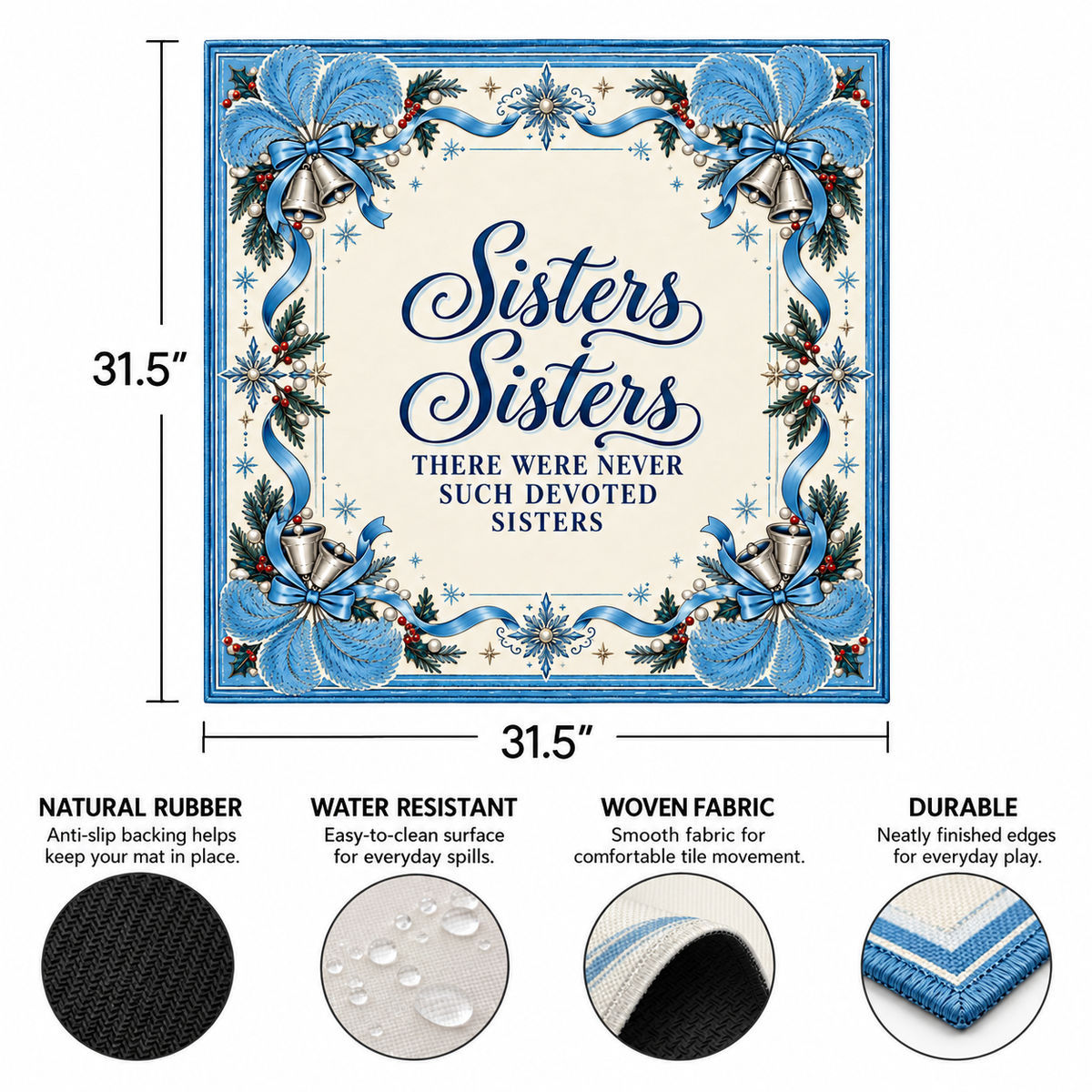
An automatic mahjong table is a motorized furniture piece that shuffles, stacks, and dispenses tiles without manual handling. These tables sit waist-high, are typically square (roughly 33–40 inches per side), and require wall power; shuffle cycles take 1–3 minutes depending on the model. They're built for players who host frequent games and want to skip tile setup entirely, though they demand dedicated floor space and can feel mechanical compared to the hands-on ritual of the Charleston. Cost varies widely based on build quality, tile mechanism, and whether the unit includes storage. Most casual weekly games thrive with a fabric mat designed for home play—easier to store, move between homes, and often gentler on tile wear.
What does an automatic table actually do?
An automatic table houses all 152 tiles plus jokers in internal shuffling trays. You load tiles once at the start of a session, press a button, and the machine tumbles them, stacks them into four walls, and rotates the walls to each player's position. A crank or motorized arm dispenses tiles to each player's hand during play. The table typically includes seating for four and storage underneath for score pads and the year's card reference. Most important: the table does not enforce rules or scoring—you still track points manually and refer to the current National Mah Jongg League card just as you would at any game. It saves your hands and arms, which matters over long sessions, but it doesn't replace mahjong knowledge or decision-making.
🀄 Shop best-selling mahjong sets →
Should you buy a table or use a mat?
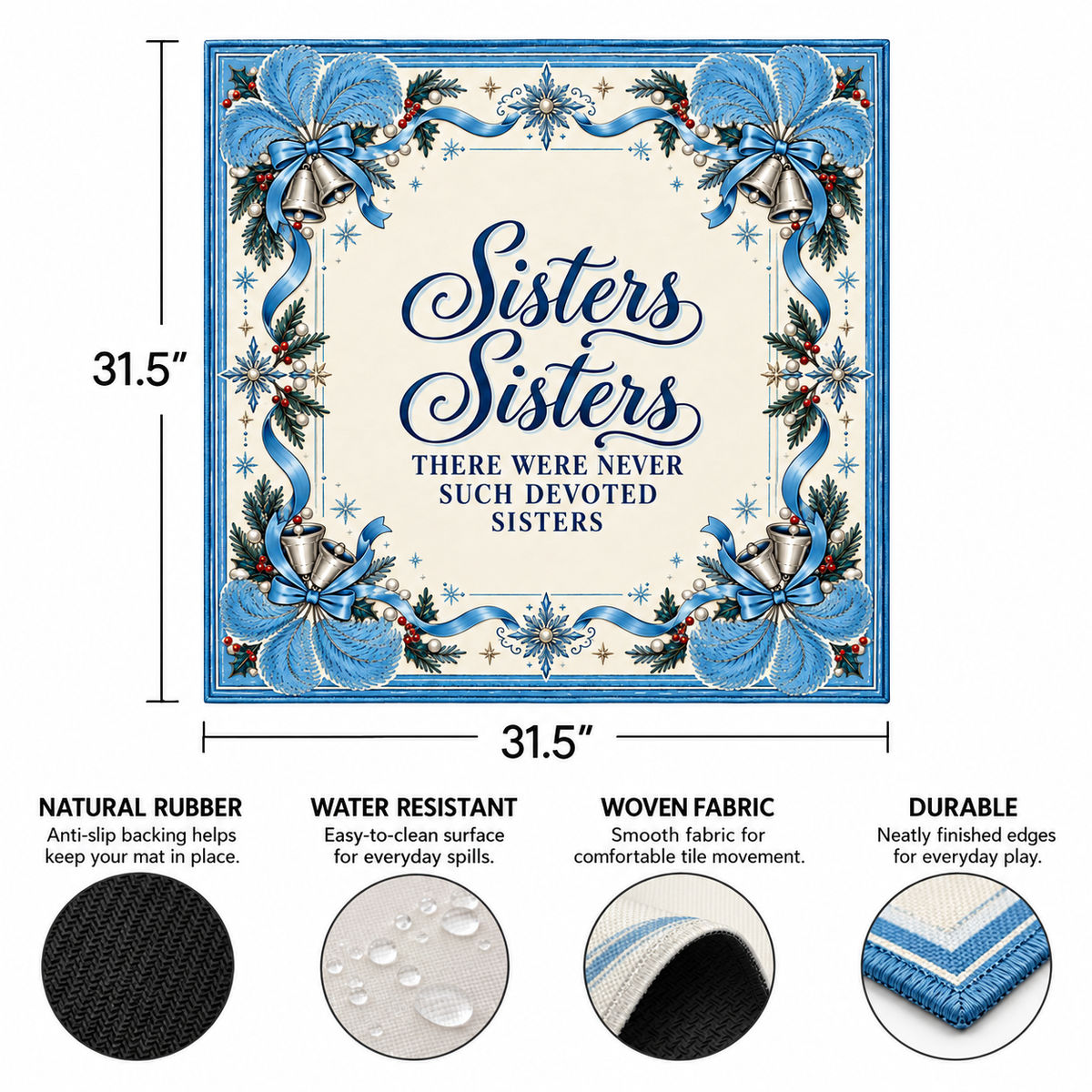
The choice hinges on three factors: hosting frequency, storage space, and budget. A mat is portable, flat-packable, and works on any dining table or hard surface; racks with pushers handle tile organization during play. A table is permanent furniture that occupies 10–15 square feet and requires electrical access. Here's how they stack up:
Factor | Automatic Table | Fabric Mat + Racks |
Setup time | 3–5 min (shuffle cycle) | 10–15 min (manual Charleston) |
Storage | None (takes floor space) | Rolls into closet or bag |
Portability | Immobile | Folds and travels |
Cost basis | Significant upfront | Lower entry point |
Feel | Mechanical, fast-paced | Ritual-driven, hands-on |
Tile wear | Mechanical friction | Human friction |
Hosting capacity | 4 players fixed | 4, or 2–3 with tweaks |
If you host twice a week year-round and have dedicated space, a table makes sense. If you move frequently, host in rotation, or have space constraints, a mat is the practical choice for most players. Many serious hosts run both—a mat for casual games and road trips, a table for weekend tournaments at home.
🎁 See our most-loved mahjong sets & accessories →
What should you check before ordering an automatic table?
Before committing, verify these technical and practical details:
Tile compatibility: Does the table work with your existing tiles, or does it require proprietary sizes? Standard American mahjong tiles are roughly 1 inch × ½ inch; check the manufacturer's specs against your set dimensions.
Motor durability: Ask about the shuffling mechanism—belt-driven or gear-driven? Belt replacements are common maintenance; gear systems tend to last longer but cost more upfront.
Noise level: Some tables are loud enough to disrupt conversation. Test it if possible or read detailed user descriptions.
Electrical requirements: Standard 110V outlet, or does it need a dedicated circuit? Check your play space's electrical setup.
Warranty and support: What's covered? Can you get replacement parts locally, or does repair require shipping?
Tile capacity: Does it hold exactly 152 tiles plus 8 jokers, or does it expect a different set size?
Seating comfort: Are chairs included? Do they have lumbar support for 3–4 hour sessions?
Automatic tables often require professional assembly or at least careful setup. Don't assume delivery includes installation. Ask the seller for a full specification sheet before purchase.
How do automatic tables change the pace of the game?
Once the shuffle cycle completes, play moves faster. There's no debate about whether the Charleston was "fair" or no stopping mid-game to unstick tiles. This speed appeals to players who treat mahjong as a timed sport; it can feel rushed to players who savor the ritual. The mechanical rhythm also removes the human element—some players love that consistency, others miss the personality each player brings to their Charleston strategy.
Automatic tables also alter scoring. Because tiles are dispensed uniformly and shuffled consistently, the odds of drawing "lucky" or "unlucky" walls shift slightly compared to manual shuffles. Over 52 weeks, this difference is negligible, but tournament players should know it exists. The table doesn't "know" if a tile was exposed or a wall was compromised, so you still need attentive players to enforce the rules—the table is a tool, not a referee.
What does a Mahstead mat offer instead?
If an automatic table feels like overkill, a good fabric mat handles all the logistics you need. Our collection of mahjong mats includes branded surfaces, marker grids for wall position, and non-slip bases. A mat pairs perfectly with racks that feature pushers, which let you organize your hand neatly and draw tiles smoothly. The mat method takes longer than a button press—the Charleston ritual takes 10–15 minutes—but many players see that as part of the game's charm, not a drawback.
The real advantage of a mat is flexibility. You can host at home one week, at a friend's house the next, and take it on vacation. A high-quality mat with reinforced edging lasts for years of weekly play. Tiles see less mechanical stress, so your set remains in better condition longer. And if your group outgrows four players or shrinks to three, mat-based games adapt easily.
✨ Find your Mahstead set — free US shipping →
Real-world hosting checklist before you decide
Use this framework to decide what setup fits your game:
Count your hosting frequency: Once a month? Weekly? Monthly players rarely justify an automatic table; weekly hosts should compare costs over a season.
Measure your space: Can you block off 15 square feet and keep it clear? If you share the room for other purposes, a mat wins.
Test tile feel: Visit a host with an automatic table if possible. Feel the shuffle sound, the tile dispense speed, and the seating posture. Decide if it suits your group's energy.
Check your existing setup: If you already own racks and a mat, the marginal cost of a table becomes the deciding factor. If you're starting fresh, compare full system costs (table + power + setup vs. mat + racks).
Ask your players: Propose the change at the table. Some groups love the automation; others resist losing the Charleston ritual. A unanimous shift is smoother than a split vote.
An automatic table is a luxury, not a necessity. Weekly players thrive with a mat. Tournament hosts or very frequent games justify the investment. Be honest about your hosting pattern—most home games fall into the mat category.

FAQ
Do automatic tables work with standard American mahjong tile sets?
Most do, but always verify. Standard American tiles are roughly 1 inch long; tables built in Asia may use slightly different dimensions. Ask the seller for exact tile specifications before buying, and confirm your existing set matches or budget for new tiles.
How much maintenance do automatic mahjong tables need?
Plan for basic upkeep: brushing debris from the shuffler monthly, checking belts annually, and tightening loose screws every few months. Ask the seller about replacement parts availability and typical service intervals before purchase.
Can you use an automatic table with 2 or 3 players?
Mechanically yes, but most tables are optimized for four. Playing with fewer players means leaving a station empty, which may confuse the tile-dispensing mechanism. Stick with a mat if your group often plays short-handed.
Is an automatic table louder than hand-shuffling?
Yes, typically 60–75 decibels during the shuffle cycle. If you play in an apartment or near sleeping rooms, noise can be an issue. Test the model's sound level before buying if quiet play matters to your household.
What's the real advantage over a good mat and racks?
Speed and ergonomics. An automatic table takes 3–5 minutes to reset between games; a mat takes 10–15 minutes. If you play 6–8 rounds per session, a table saves 30–40 minutes total. For players with wrist or shoulder issues, motorized tile handling also reduces strain over long sessions.
Can you move an automatic table between homes?
Rarely. Tables weigh 150–300 pounds, need professional disassembly, risk damage in transit, and require re-leveling at the new location. Treat automatic tables as permanent furniture; if you move frequently, a mat is far more practical.


View More
View More
View More
