
Common Mistakes in Sanma Mahjong: Rules & Strategy
Last updated: Nov 23, 2026
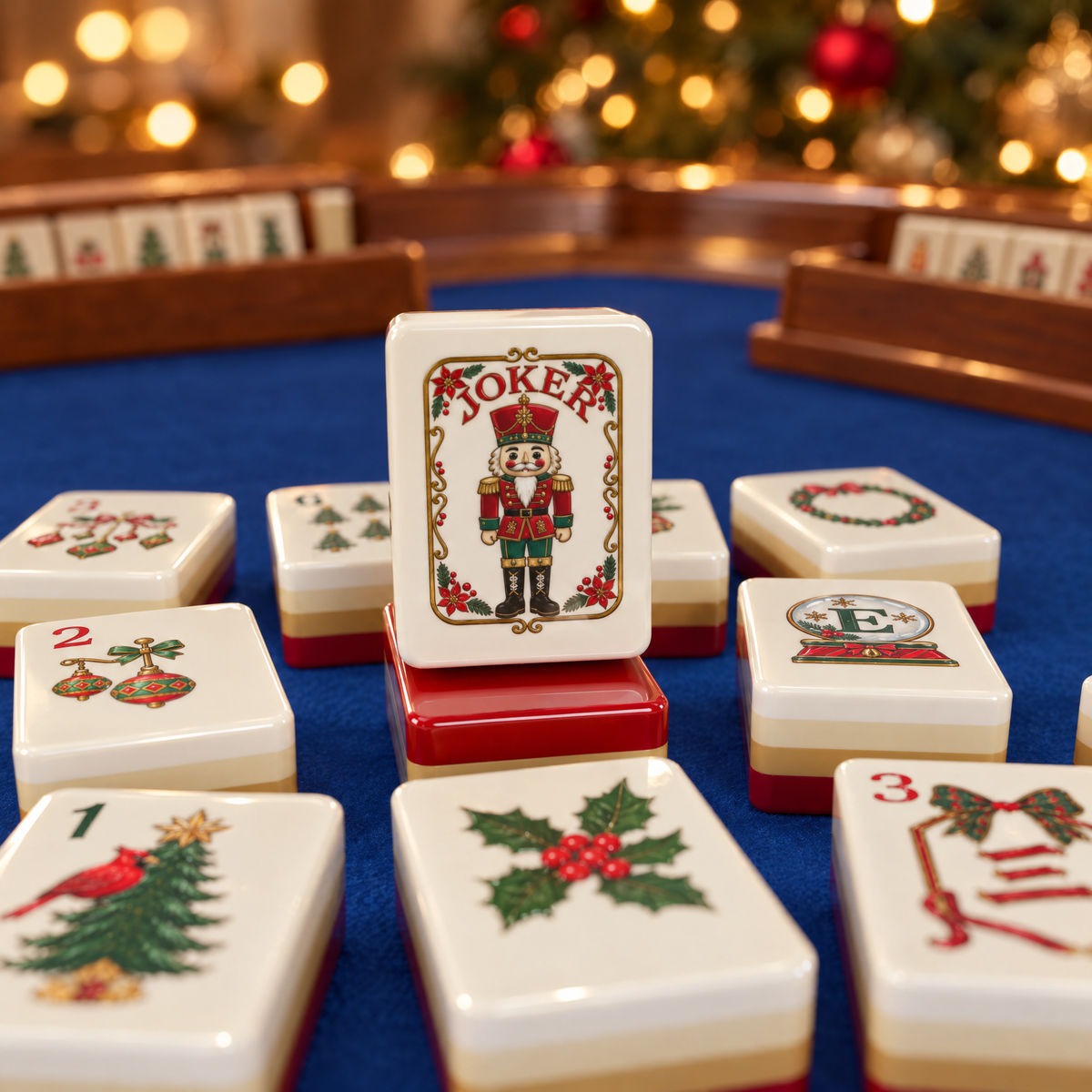
Sanma (three-player mahjong) uses only 108 tiles, removes the North wind, and requires a completely different hand-reading discipline because the deck is smaller and walls are shorter. The biggest mistakes are: confusing your draw order with 4-player rhythm, miscounting available tiles, misunderstanding which hands are valid in sanma-specific card layouts, forgetting that wall breaks differently, and misreading the exposed discard pile when three instead of four players mean fewer tiles in play. Most errors come from players trained on 4-player games who forget that sanma uses a distinct tile set and dramatically changes hand probability and dead tile visibility. Mahstead's mahjong sets include guides to American play, but sanma requires a separate rule resource and disciplined tile counting from the start.
Sanma—also called "three-player mahjong"—strips the 4-player game down to its bones. You lose one player, one wind (North), and forty tiles. That shrinkage changes everything: hand composition, wall length, discards per round, even which hands mathematically exist on a given turn. Players who jump from American 4-player mahjong (or Hong Kong rules) to sanma without relearning the tile math almost always stumble. Here's what goes wrong, and how to fix it.
What tile count errors are most common in sanma?
Sanma uses 108 tiles total, not 152. That means 13 tiles per suit (1–9 each, plus four wind tiles per remaining wind), eliminating North entirely. Many players either assume sanma uses a subset of a standard 152-tile set (a recipe for disaster) or miscalculate what's still in the wall. The moment you forget you're working with 36 fewer tiles, your hand-reading logic breaks. Count: three suits × 13 per suit = 39, plus 12 remaining winds (East, South, West each in four copies), plus 12 dragons, plus 8 flowers = 108. No North, no 160-tile variant set, no jokers in traditional sanma. If you're counting as though North still exists, you'll chase impossible hands.

Why do draw order and wall breaks confuse sanma newcomers?
In 4-player American mahjong, the wall breaks at a random wall tile, and draws flow in a strict player order. Sanma reverses the wall-breaking ritual: typically, the wall breaks happen at different intervals because you have fewer players and a shorter wall, and the dealer (usually East) draws first at wall break—but you must verify your rule variant beforehand. Many players trained on how to play American mahjong assume the same break-and-draw sequence applies, leading them to draw from the wrong end of the wall or miscount dead draws. Before any sanma game, clarify: Does the wall break at 16 or 18 tiles? Does East draw two or one? Do replacement draws (after a kong) follow the same rule as 4-player? Write it down. One mistake cascades through twelve rounds.
How does the smaller discard pile change your read?
With four players, roughly three-quarters of discarded tiles remain on the table by the time you're hand-reading in late rounds. In sanma, only two-thirds do—and the pile is denser because fewer players have thrown fewer tiles in total. This means: (a) you see fewer clues about what's safe; (b) dead tiles are harder to spot because the absolute count is lower; (c) chow sequences (1–2–3, 5–6–7, etc.) matter far less in sanma tile probability than they do in 4-player because fewer copies of mid-range tiles are even in play. Players familiar with 4-player "safe discard" heuristics often throw tiles they think are safe in 4-player context, forgetting that in sanma the discard pile tells a starker story. If 7 Bams hasn't been thrown by round seven, it's much more likely in someone's hand—because there are only four copies in the whole set, and three players have had fewer draws to exhaust it.
🀄 Shop best-selling mahjong sets →

What hand-reading mistakes trip up sanma players on the National Mah Jongg League card?
Here's the truth: sanma is not played with the current year's American mahjong League card. The standard American 4-player card has no sanma section. If you're playing sanma, you need a dedicated sanma card (usually published separately or regional). Many players who know how to read the mahjong card assume they can apply that logic to sanma and lose entirely. Sanma hands are structured differently: fewer pairs, more open combinations, different pung/kong/quint ratios because of the smaller tile pool. The rookie mistake is reading a standard American League card, finding a hand pattern, and then trying to build it in sanma—where that exact pattern may not exist or may require tiles that have already been discarded. Always obtain and study the actual sanma card for your rule set. Hong Kong, Taiwanese, and Chinese sanma each have their own conventions; American sanma is rare but has emerged in some regional circles. Know which card you're playing to before you sit down.
How do you avoid miscounting available tiles in sanma end-game?
Late-game sanma requires aggressive tile tracking. Because the wall is so short and the total tile count so low, by round eleven or twelve, you must mentally track: (a) how many tiles remain in the wall; (b) which tiles have been discarded; (c) which suits have been exhausted or nearly exhausted. A common blunder is assuming you have more "live" copies of a tile than actually remain. For example, if you need one more 5 Dot to complete a pung and you've seen three of the four copies discarded, the remaining tile must be either in someone's hand or in the wall. The mistake many make: they forget they've already seen three, assume there's still a good chance, and waste a draw. Keep a dead-tile count visible. Some players maintain a small tally or ask to count the wall every few rounds. In sanma, wall counting is not rude—it's professional. The smaller player count means fewer hands to read and fewer reasons to obscure the math. One player silently tracking dead tiles while others guess wildly gains an enormous edge.
Sanma Error | What Players Do | Why It Fails | The Fix |
Tile count confusion | Use a 152-tile set; forget North exists | Wall break, draw order wrong; hand probabilities broken | Use 108-tile set only; verify your rule card |
Wall break timing | Copy 4-player break rule (16 tiles, East draws 2) | Sanma wall breaks at different intervals; draws out of sync | Document your game's wall break rule before play |
Discard safety assumption | Assume 4-player safe-tile logic applies | Sanma pile is denser; fewer tiles mean fewer safe options | Re-read discard pile as sanma-specific; track dead tiles harder |
Hand selection | Apply American League card patterns | Sanma card is different; many 4-player hands don't exist | Obtain and study the actual sanma card you're playing |
Late-game wall blindness | Guess about remaining tiles; draw passively | Sanma wall exhaustion is fast; you must track precisely | Count dead tiles actively; ask to verify wall length |
🎁 See our most-loved mahjong sets & accessories →
What to check before you buy a sanma set
Sanma sets are rare in the mainstream market. Most "mahjong sets" sold in Western countries are configured for American 4-player play (152 tiles + jokers). If you're serious about sanma, you'll typically either: (a) buy a standard American mahjong set and manually remove North winds, or (b) source a specialized sanma set from a regional vendor. Neither approach is ideal. If you're going the removal route, keep the North tiles in a separate bag—don't mix them into your spares—so you can rebuild to 152 if needed for 4-player games. If you're buying acrylic or engraved tiles, verify the set includes the eight flowers and the full dragon set; sanma needs both. Confirm with your game group: Are you playing Hong Kong sanma (fewer flowers), Chinese sanma (traditional rules), or an American-adapted variant? Each has slightly different tile requirements. Check your set composition before opening it.
✨ Find your Mahstead set — free US shipping →

FAQ
Can I play sanma with a standard 160-tile American mahjong set?
Technically yes. Remove the four North wind tiles, set them aside, and you're down to 156 tiles. Remove eight more (four jokers + four blanks from spares) to reach 148, then discard 40 more to hit 108. Cumbersome, but workable. Simpler: buy or borrow a dedicated 108-tile sanma set if sanma is your regular game.
Does sanma use the National Mah Jongg League card?
No. American sanma uses a separate card (if one exists in your region). Hong Kong, Chinese, and Taiwanese sanma have their own card standards entirely. Always verify which card and rule variant your group plays before joining.
How often should I count the wall in sanma?
At minimum every two rounds in the endgame (rounds ten onward). Many serious sanma players count after every kong or claimed pung, because the wall shrinks visibly and hand probability shifts sharply. No penalty—it's strategy, not cheating.
What's the most forgiving sanma rule for beginners?
Hong Kong sanma is simpler tile-wise (no flowers; clearer hand structure) than traditional Chinese sanma, which has more pungs and fewer sequences. American-adapted sanma sits in the middle. Start with whichever your local group plays; switching variants mid-season guarantees confusion.
If my group doesn't have a sanma card, can we play by feel?
You can, but you'll argue constantly about valid hands and scoring. Without a written card, sanma devolves into house rules. Print or purchase a card for your variant and stick to it—consistency beats "what seems fair."


View More
View More
View More
