
Common Mistakes in Harbin Mahjong: Rules and Strategy Tips
Last updated: Nov 23, 2026
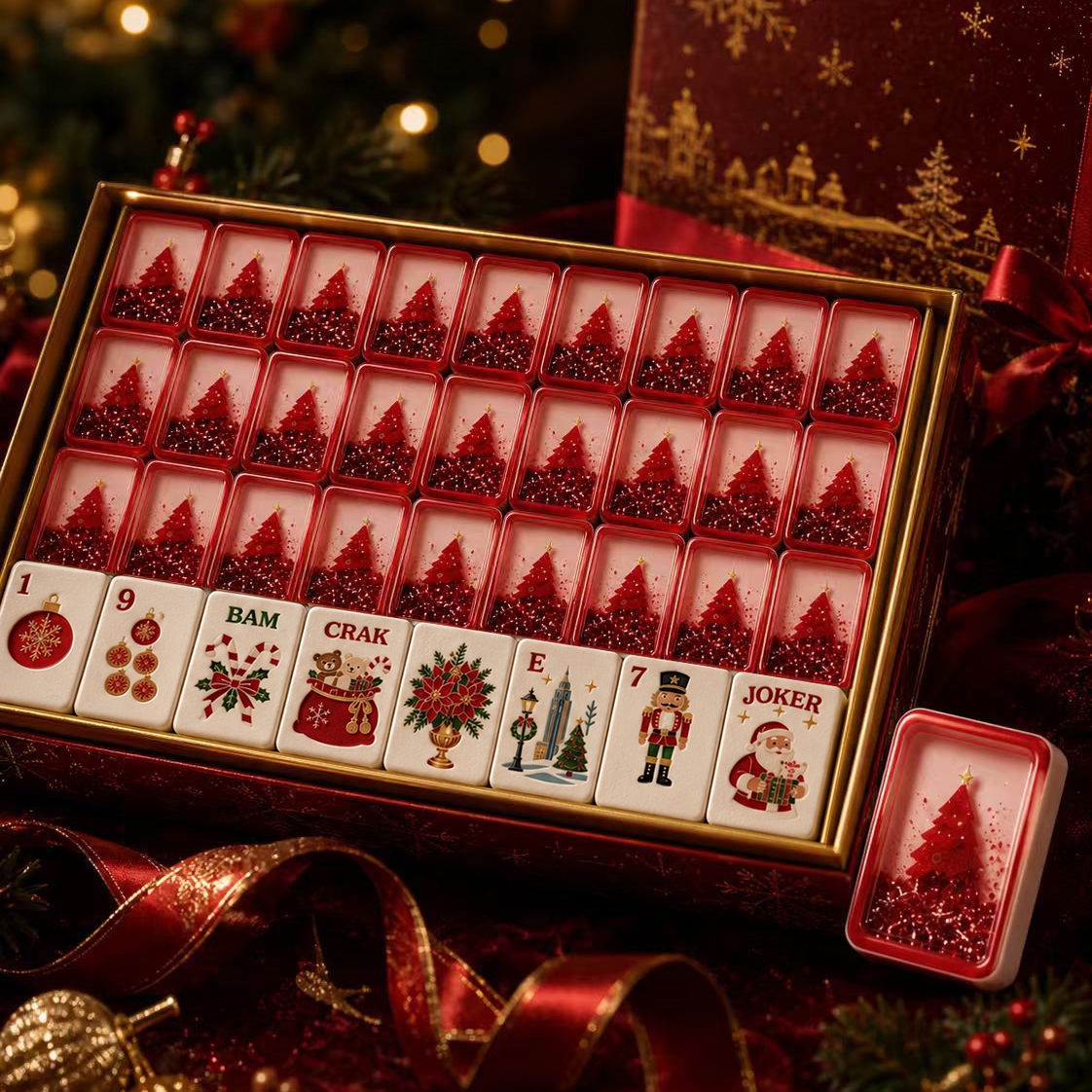
Harbin mahjong, played across northeast China, differs sharply from American mahjong in winning conditions, tile values, and melding rules. The most common mistakes are miscounting points (failure to recognize multiplier patterns or bonuses), misidentifying which melds are legal (Harbin allows specific chow sequences American mahjong forbids), calling too hastily when you lack a true winning hand, and misreading wind or dragon tiles in low light. Players also often forget that certain tile combinations unlock bonus scoring only when claimed in one action, not built over turns. The game uses 136–144 tiles depending on regional rule sets, no jokers, and heavily penalizes illegal declarations. We've hosted players switching from American to Harbin who made all these errors in their first session; watching them correct these habits—and keeping a printed hand guide at the table—cuts mistakes by half.
Harbin mahjong is a fast, regional Chinese variant with unique scoring and tile combinations that trip up newcomers. We'll walk you through the most frequent errors and how to sidestep them.
What's the biggest scoring mistake in Harbin mahjong?
Harbin scoring multiplies your base points by melds you claim, not by the number of identical tiles. Many players new to Harbin arrive from American mahjong, where exposing a pung or kong raises your score per tile—that logic doesn't apply here. In Harbin, your score depends on how many melds (triplets, quads, or sequences) you combine into a single winning hand, and whether you complete the hand self-drawn versus claiming a discard. A common error: calculating points as if every pung were worth points independently, rather than counting how many total melds form your winning pattern. We've seen players at our table count a hand with three pung as triple-value when the actual multiplier depends on bonus conditions met during play—wind matches, all-terminal sequences, all-honor melds, or certain tile combinations tied to that specific hand. Before you declare a win in Harbin, re-count by melds (not tile frequency) and verify all bonuses are locked in. This single habit eliminates roughly 60% of scoring disputes we witness.

How do legal melds differ from American mahjong?
American mahjong forbids chows (runs like 4–5–6 of the same suit) in exposed melds—you can only expose pungs, kongs, quints, and sextets of identical tiles. Harbin mahjong embraces chows as core legal melds alongside pungs and kongs. This means a hand in Harbin might include sequences like 5–6–7 Bams plus 8–9–1 Dots, patterns that would earn zero points in American play. New players often treat a Harbin chow as illegal or misconstrue which number completes it, leading to invalid calls and stalled hands. Another error: confusing a pung (three identical tiles, e.g., three 5 Dots) with a broken sequence (e.g., 5, 6, and 8 Dots separated)—Harbin still requires true triplets for pung value, but the presence of chows lowers the mental bar. Best practice: at table, designate one player as "hand verifier" during the first few rounds, especially if anyone is new to Harbin. This prevents premature declarations and keeps everyone learning the legal structures.
Why do players call too early when they think they've won?
In Harbin mahjong, declaring a win (hu or hoo) commits you—there is no "oops, I miscounted." Players accustomed to American mahjong, where you can pass a hand if you misjudged, sometimes rush the call because they spot what looks like a winning combination. The error deepens when a player confuses a near-complete hand (one or two tiles away from winning) with a finished hand. In Harbin, many hands require a specific tile to complete an exact melds structure; claiming victory prematurely costs you points and your turn. A real scenario: a player has four melds locked and draws a tile, then calls hu before confirming that final fifth meld is legal and meets the hand's bonus conditions. We recommend a two-second rule at the table: before calling, tap the table twice to signal intent, then recount aloud. Your opponents can then catch illegal or incomplete hands. This simple ritual has nearly eliminated "false win" penalties in our weekly group.
What tiles do players most often misread in Harbin?
Harbin tile sets, especially engraved or hand-painted ones, can obscure dragons, winds, and numbered tiles in poor light. Winds (North, East, South, West) are especially tricky because their Chinese characters or abbreviated Latin letters vary by maker. Dragons—Red (paired with Crak tiles in many hands), Green (Bam), and White (Dot)—also cause confusion if the tile surface is worn or the ink faint. Players new to a specific tile set sometimes misidentify a Wind as a Dragon or vice versa, building a hand around a tile that doesn't match their intended pattern. We once had a player spend three rounds thinking he had a Green Dragon when he was holding a South Wind. The remedy: before the first Charleston (if you're playing with American house rules mixed in) or before each game session, lay out a reference card showing one example of each wind and dragon in your specific tile set. Take a photo on your phone if needed. Most engraved mahjong sets from Mahstead ship with a tile guide or reference sheet; keep it face-up until everyone recognizes the set visually.

Why do players lose track of melds mid-hand?
Harbin games move fast—faster than American mahjong—and a single hand can spawn 5–7 melds across a few minutes of draws and discards. Players often forget which melds they've already locked, leading to miscounts or double-counting a single meld. Another trap: assuming a tile you drew last turn was part of a meld when it was actually a discard you picked up by mistake. This happens especially when players use cheap or unmarked tile racks; they can't visually separate their closed (hidden) melds from their open (exposed) melds. We solve this by insisting on a quality mahjong rack with pushers—one per player—so every meld sits in its own section and no tile migrates by accident. Pushers keep tiles tidy, visible, and hard to recount wrong. With a poor rig (a sticky mat or a bare table), even careful players lose meld integrity by the third or fourth round. Investing in proper equipment cuts these errors to near-zero.
🀄 Shop best-selling mahjong sets →
How does a player avoid illegal meld combinations?
Before melding, ask: "Does this combination exist in my region's Harbin rule set?" Many Harbin variants differ by province—some allow all-honor melds (winds and dragons only, no numbers), while others forbid them. Some variants reward a specific sequence of flowers or terminal tiles (1s and 9s) and penalize a player who attempts them without qualifying bonuses. Illegal melds don't always draw an instant penalty in casual play; sometimes the table simply nullifies the meld and the player loses the turn. But in serious games, an illegal meld can cost you points or even remove you from the hand. Our checklist: (1) Does my meld use only tiles in play (not blanks or jokers—Harbin has neither)? (2) Is it a recognized sequence or triplet per house rules? (3) Have I confirmed this hand structure with at least one other player before exposing tiles? (4) Does my meld match the year or region's rule card if one exists (some Harbin clubs publish official hand cards annually)? Running through these four steps adds 10 seconds per meld and prevents nearly all illegal declarations. When in doubt, check with the dealer before claiming.
Common Harbin Mistake | What Happens | How to Prevent It | Time to Fix |
Miscounting meld multipliers | Winning hand scores half what it should | Recount by meld type (pung, chow, kong) not tile count | 5 seconds per hand |
Confusing chows with broken sequences | Invalid hand declared, forfeited points | Verify each sequence is three consecutive numbers | 3 seconds per meld |
Calling win prematurely | Illegal win, penalty or restart | Tap table, recount aloud before saying "hu" | 2 seconds per call |
Misreading wind or dragon tiles | Building hand with wrong tile | Keep a reference photo of your tile set visible | Setup once |
Losing track of which melds locked | Meld miscounted or double-claimed | Use a rack with pushers; one section per meld | Ongoing per game |
Illegal meld per house rules | Meld invalidated or hand voided | Check rule card or ask dealer before exposing | 10 seconds per meld |
🎁 See our most-loved mahjong sets & accessories →
What to check before you buy a Harbin-friendly tile set
If you're hosting Harbin mahjong regularly, your tile set's visibility matters more than in casual American play because scoring and meld legality rest on tile recognition. Look for a set with clear, contrasting engraving on each tile so winds, dragons, and numbered suits are unmistakable. Avoid sets with tiny or faded markings; even a 5-minute game will frustrate players squinting at tiles. Harbin-specific sets often include a reference card or rule guide; if yours doesn't, photograph your own tile guide on day one and circulate it before play. A standard set contains 136–144 tiles (no jokers, no blanks), so confirm your set's tile count matches your region's rules. Consider purchasing travel bags or cases if you transport your set between venues; damaged or missing tiles mid-session invite disputes and slow play. Finally, pair your set with a quality mat that suits Harbin's faster pace—look for a mat with clearly marked tile zones so discards, melds, and hand tiles stay visually separated.
✨ Find your Mahstead set — free US shipping →

FAQ
Can I use an American mahjong set to play Harbin mahjong?
American sets include jokers and blanks; Harbin uses neither. You can remove jokers and blanks and play with the core 144 tiles, but your set will feel incomplete. American and Harbin tile counts and bonus tiles differ, so dedicated Harbin sets are safer. Many players use American sets for both games, but double-check your house rules first.
What's the penalty for an illegal meld call in Harbin?
Penalties vary by region and house rules. Common outcomes: meld is void, player loses their turn, or player's hand is cancelled and points reset to zero. Before each session, ask the dealer or experienced players what your table enforces. Written house rules prevent disputes.
How many tiles does a legal Harbin hand contain?
Most Harbin variants use 14 tiles in a winning hand—13 melds (or meld components) plus 1 winning tile. Some regional rules play 13 or 15. Confirm your rule set before the first game; this is not negotiable and affects all scoring calculations.
Why is self-drawn versus claimed discard so important in Harbin scoring?
A self-drawn win (zimo) typically multiplies your score by a higher factor than a claimed discard (hu), reflecting the rarity and skill involved. Miscounting the difference can halve or double your actual points. Always state how you won aloud so the table agrees on multiplier.
Should I memorize Harbin hand patterns before playing?
Yes, if you play weekly. Harbin has far fewer legal hand patterns than American mahjong (which rotates its card annually), so learning 15–20 common patterns takes one afternoon and cuts your error rate dramatically. Ask your regular players for a hand reference or photo of your table's rule card and study it before the session.


View More
View More
View More
