
Cocktail Mahjong Party Invitations: Wording + Hosting Tips
Last updated: Nov 23, 2026
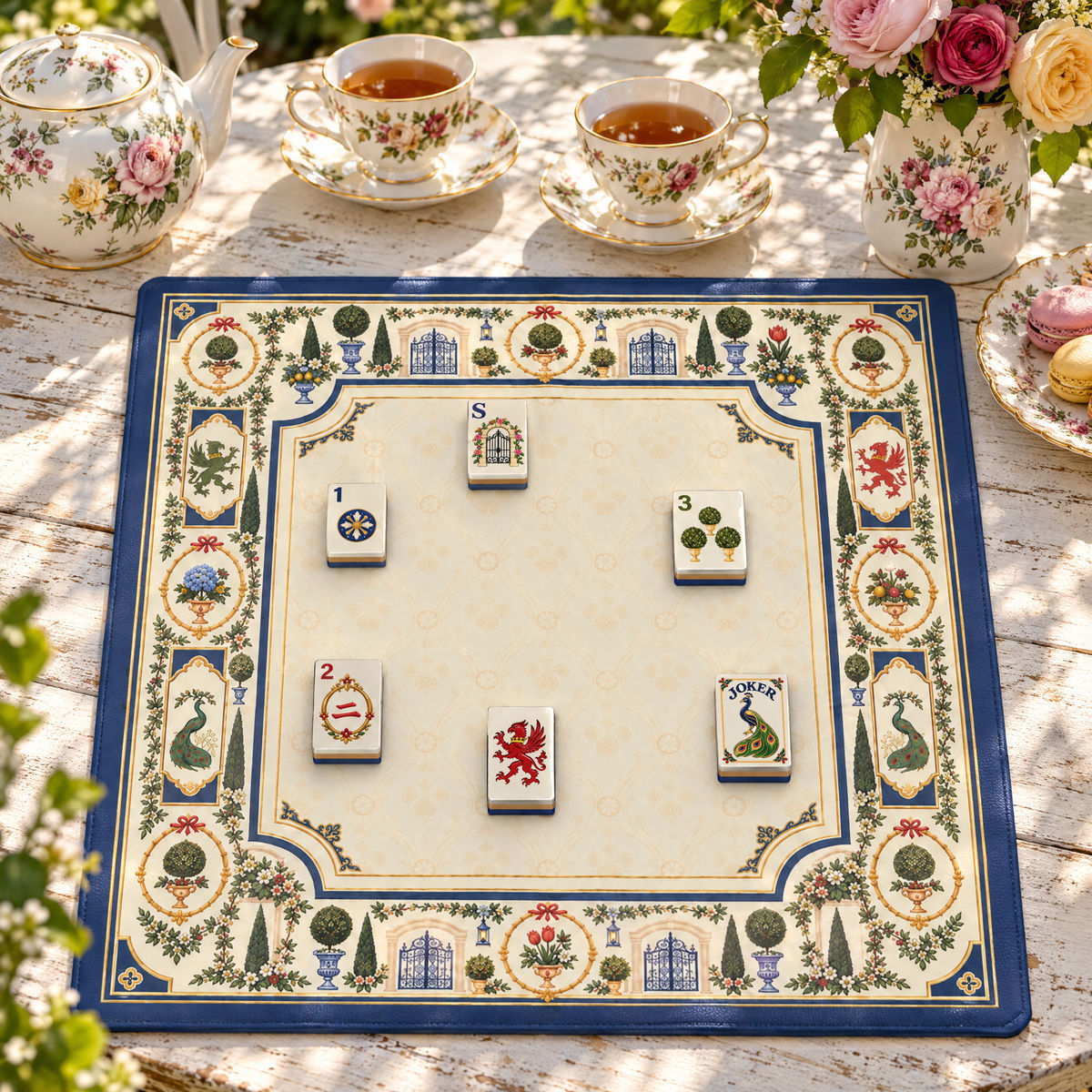
Cocktail mahjong party invitations should include: date, start time, player count (usually 4), RSVP deadline, your address, parking notes, and a casual tone that signals fun over formality. Mention "bring a tile strategy" or "all skill levels welcome" to lower new players' anxiety. Avoid overstating difficulty; mahjong hosting is about rhythm and laughter. Include a link to basic rules or offer a brief refresher 15 minutes before game time. Tell guests whether you'll provide snacks, drinks, and equipment or if they should contribute—clarity prevents day-of confusion. From our best-selling collection, hosts often choose a cohesive set with matching mats and racks so the table looks intentional and guests feel hosted, not improvised.
What tone works best for a mahjong party invitation?
Mahjong carries an old-school, sometimes intimidating reputation—your invitation's tone should shatter that myth. Aim for warm and playful: "Join us for cocktails, conversation, and mahjong chaos" or "Low stakes, high laughs: mahjong night at [your place]" signals that skill level is secondary to fun. Avoid stiff language like "formal tile-playing evening" or lists of complex rules—those scare off casual players. Instead, use humor: "If you can shuffle cards, you can play mahjong" or "No experience required; confidence optional." Mention the year's National Mah Jongg League card if you use it, but don't explain it in the invite itself—just say "We'll provide everything, including the strategy card." A good invitation balances welcoming (so people show up) with specificity (so they know what they're in for). Your tone sets the table's energy before guests arrive.

Should you mention skill level or just assume everyone knows the basics?
Don't assume. Even in cities with strong mahjong communities, players span beginners to veterans at a single table. Your invitation should explicitly say "all levels welcome" or "beginner-friendly" if that's true. If you're hosting experienced-only players, say so: "Regular Thursday night crew—[player names]—plus one guest." For mixed groups, phrase it: "Beginners paired with experienced players" or "We'll teach you the basics in 15 minutes." This prevents awkwardness—newcomers won't feel blindsided, and experienced players won't be frustrated teaching from scratch. If someone RSVPs asking "Have you played before?", answer honestly. A simple line like "No experience needed—we teach as we go" removes friction and fills seats with relaxed, curious people who become loyal friends at your table.
What specific details belong in the invite?
Here's a checklist:
Date and time: e.g., "Saturday, March 15, 6 PM–9 PM"
Your address (and parking guidance if relevant)
Player count: "4 players" or "4–6, depending on interest"
RSVP deadline: "Please confirm by March 10"
Contact info: phone or email for questions
What's provided: "Snacks, drinks, tiles, and mats included"
What to bring (if anything): "A competitive spirit" (joke) or "An appetizer if you'd like"
Attire: casual unless otherwise styled
Rule level: "Beginner-friendly" or "Experienced players"
Expected end time: Guests can plan childcare or next activity
For digital invites (email, text), include the National Mah Jongg League year if you use it—this signals you're organized. For printed cards, keep text to one page; use a clean font at 11pt or larger. Our best-selling collection includes hosts who pair custom invites with matching engraved mahjong sets with titles—a small gesture that guests remember and photographs capture.
How do you handle RSVP follow-up and last-minute changes?
Set a firm RSVP deadline (typically 5–7 days before) and follow up 48 hours before the party with a confirmation text or email: "Looking forward to mahjong with you Saturday at 6 PM! See you then." This catches people who said yes but forgot and gives you a final headcount for snacks and setup. If someone cancels close to game time (within 24 hours), reach out to your backup list calmly—don't make them feel they're second choice. A simple "Hey, one spot opened up for Saturday's mahjong game at 6 PM if you're free" works. For regular weekly or monthly games, a standing invite ("Same time, same place, every Thursday at 7 PM") works once trust is built; newcomers always need explicit timing. If you shift dates or times, send a new invite; don't assume people remember old details. Clear communication prevents no-shows and keeps your table full.
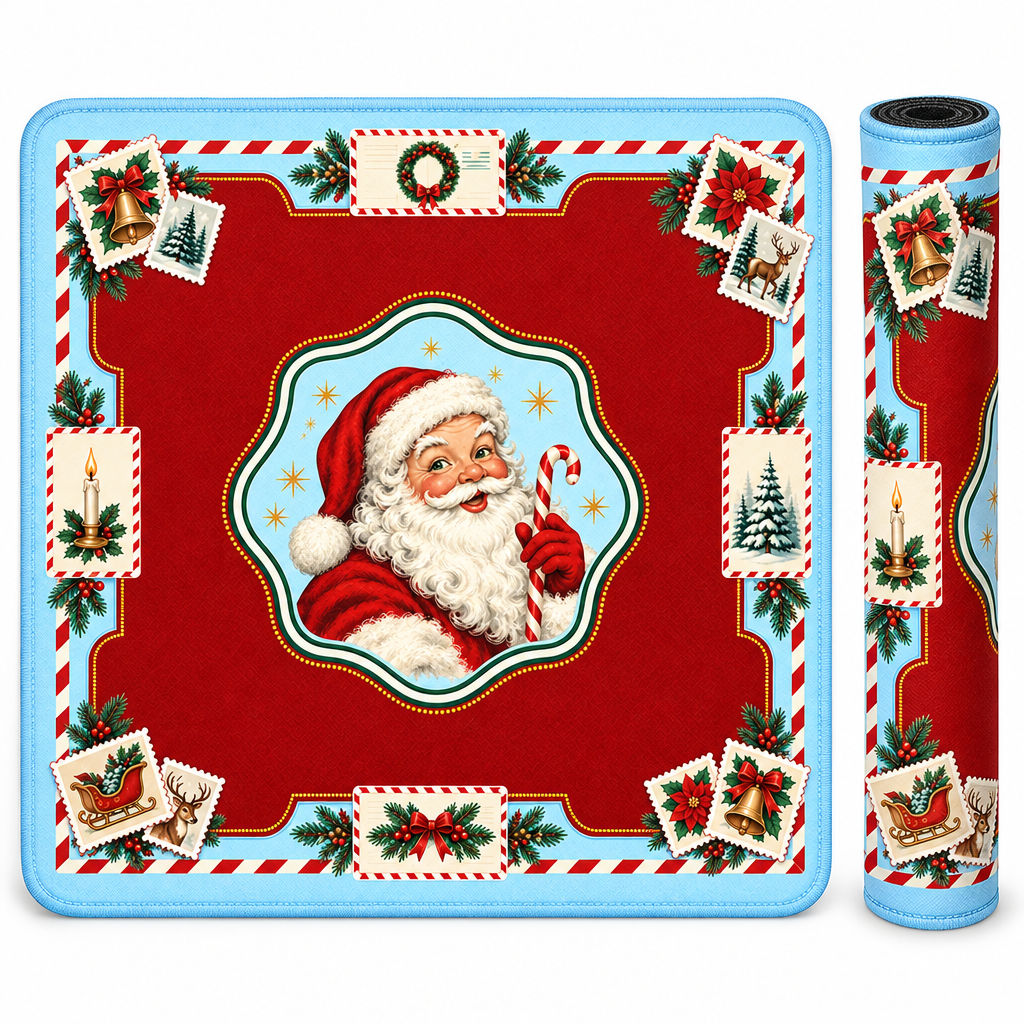
What if your invitation needs to convey a theme or special occasion?
Themes amplify fun and give guests permission to dress or prepare creatively. Common mahjong party themes include:
Theme | Invitation Wording | Why It Works |
Vegas Night | "High heels, high stakes (low money), high times" | Sets glamorous, adult tone |
Lunar New Year | "Fortune, friends, tiles—mahjong the traditional way" | Honors mahjong's roots |
Afternoon Cocktails | "Tiles and rosé: ladies' mahjong brunch" | Signals time of day and vibe |
Charity/Fundraiser | "$XX buy-in supports [cause]; prizes TBA" | Adds purpose and urgency |
Anniversary/Milestone | "X years of mahjong—join us to celebrate" | Builds community identity |
A themed invitation justifies a nicer printed card (vs. group text) and gives hosts reason to upgrade table setup. Our mahjong mats and racks with pushers come in colors and finishes that complement themes without being costumey—think rich jewel tones for Lunar New Year or sleek modern designs for Vegas.
🎁 See our most-loved mahjong sets & accessories →
How do you mention equipment, snacks, and logistics without cluttering the invite?
Overloading the invitation with logistics kills its charm. Keep the front of the card or email light and funny; put practical details at the bottom or in a second paragraph. Example structure:
Join us for cocktails and mahjong!Saturday, March 15 | 6 PM | [Your Address]All levels welcome. RSVP by March 10.
Details: Parking in front or side lot. We'll provide tiles, mats, drinks, and snacks. Casual dress. Questions? Call/text [your number].
This keeps the invitation fun while being clear. Alternatively, mention one or two standout details in the main text: "Cocktail mahjong in our backyard—bring a friend and a competitive streak. We're handling the setup and snacks; just bring yourself." For frequent hosts, a recurring invite template saves time and builds brand recognition—your players start expecting your style.
🀄 Shop best-selling mahjong sets →
What to check before you send your invitation
Double-check date, time, and address—typos cause missed guests.
Confirm you have enough seating, tiles, and mats for the RSVP count (4 players minimum, 6 with two tables).
Know the National Mah Jongg League card year you're using—print extras so guests can reference.
Test your digital invite (email link or QR code) before sending.
Have a simple rain plan if hosting outdoors.
Prep a 10-minute rules refresher for newcomers; don't wing it on party night.
Set up your table and test lighting beforehand—avoid last-minute fumbling.
Keep snacks simple: chips, cheese, nuts, and drinks work; no messy foods near tiles.
Once you've sent invitations a few times, the process becomes automatic. The goal is low-stress hosting so you can actually enjoy the game with your friends.
✨ Find your Mahstead set — free US shipping →
FAQ
Can I send a mahjong party invitation by text, or should it be formal mail?
Text works fine for established friend groups; it's casual and allows quick RSVP. For inviting acquaintances or making a special occasion feel intentional, a printed card or email adds warmth. Use whatever matches your relationship with guests.
What's a good number of guests to invite if I only have one set of tiles?
Invite exactly 4 players for one table. If you want multiple tables, you'll need multiple tile sets. Each American mahjong game requires 152 playing tiles plus 8 jokers—don't split sets across tables.
How far in advance should I send mahjong party invitations?
For casual friends, 2–3 weeks is standard. For themed or special events, 4 weeks. For weekly standing games, a standing invite at the first meeting, then periodic reminders. Close friends appreciate last-minute "come over tonight" texts; acquaintances deserve more notice.
Should I mention the cost of the mahjong set or tiles on the invitation?
No. If you're hosting, you're providing and paying. Don't mention cost unless you're running a buy-in or fundraiser, in which case be explicit: "$10 buy-in; 50/50 split to [charity]" or "$5 entry, winner takes all."
What if a guest asks "I don't know how to play—should I still come?"
Absolutely yes. Reply: "Mahjong is easier than it looks, and we teach in the first 15 minutes. Just bring good energy and you'll fit right in." This reassurance converts nervous people into loyal players.
Is it better to host beginners and experienced players at the same table?
Yes, ideally. Experienced players teach and keep energy high; beginners pick up by watching and playing. Avoid all-beginner tables (slow, frustrating) or all-expert tables that exclude newcomers. Mixed skill = best table culture.


View More
View More
View More
