
Coastal Mahjong Table: Choose Mat, Cover, or Hybrid Setup
Last updated: Nov 23, 2026
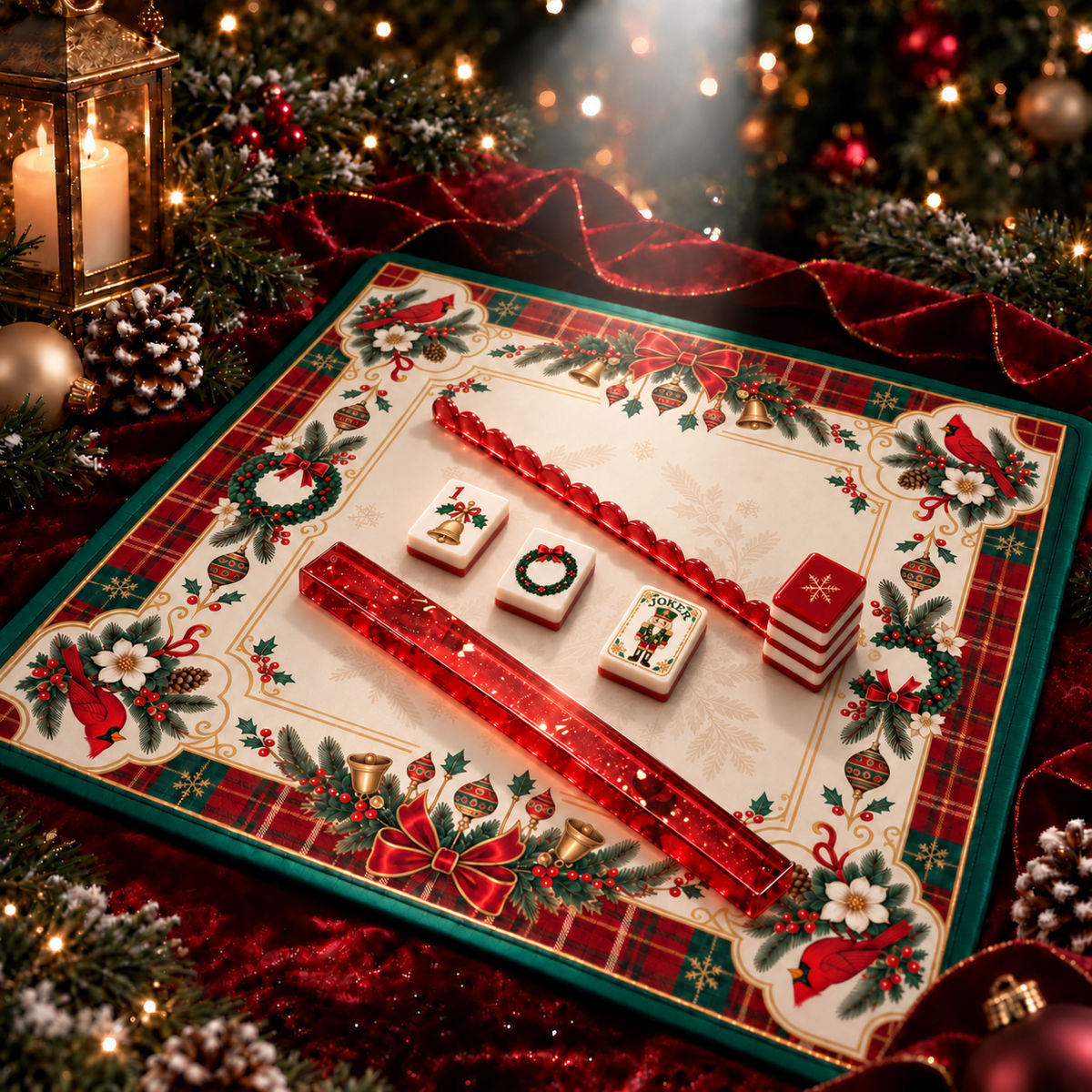
A coastal mahjong table isn't one fixed product—it's a playing surface you build by pairing your dining table with either a dedicated mat, a protective cover, or both. A mat is a freestanding padded surface sized 32–36 inches square, designed to hold all 152 tiles, racks, and dice in organized positions; a cover protects your furniture and adds texture. Coastal designs typically feature water-inspired colors (blues, teals, sandy neutrals) or beach motifs in acrylic-printed or embroidered formats. Mahstead offers acrylic mats with custom engraving and practical storage folds, sold as part of our mahjong mats collection. Cost varies by material and customization—see current pricing on the product page. The key choice: dedicated mat (portable, game-ready, travel-friendly) versus table cover (protective, stays on, less portable). Many of us use both: mat for weekly games, cover for everyday table protection when not playing. 🀄 Shop best-selling mahjong sets →
What does "coastal" really mean for a mahjong table?
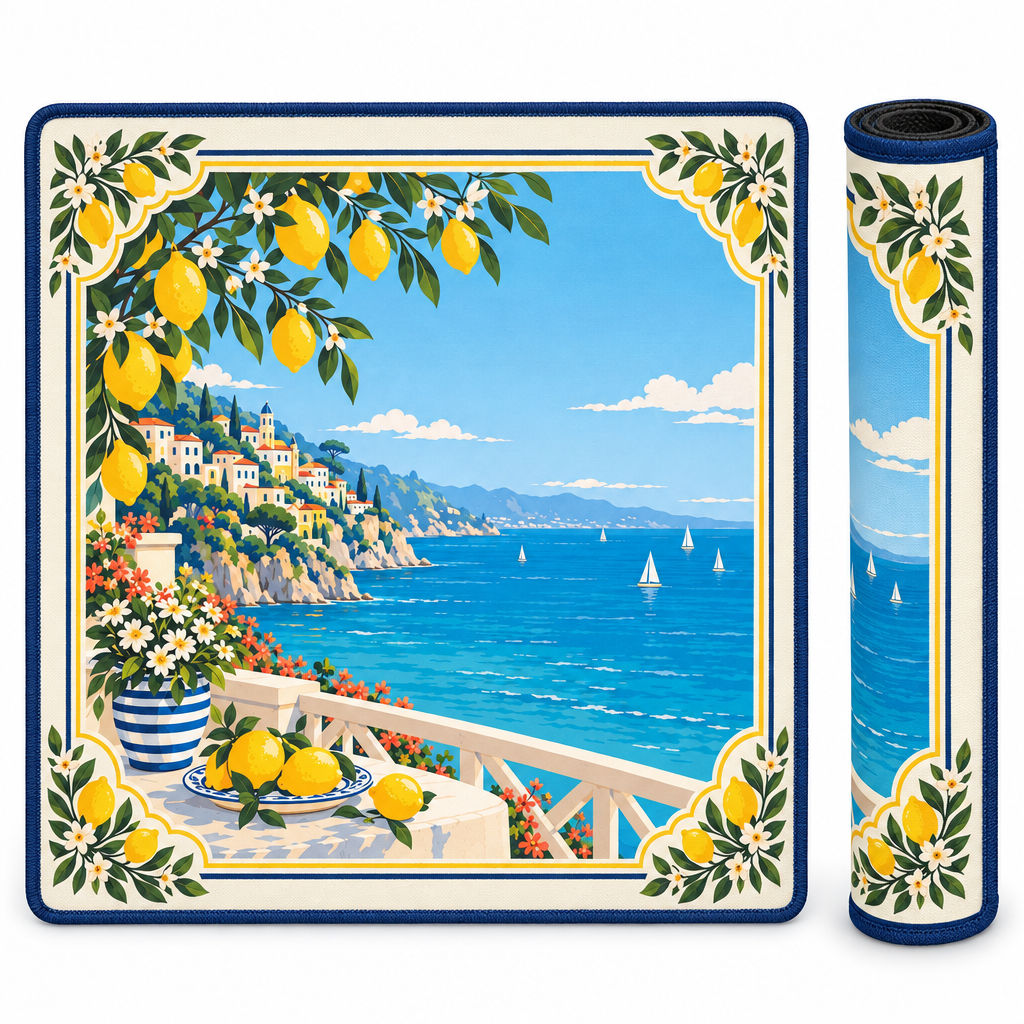
Coastal themes in mahjong tables typically blend nautical, beach, or tropical aesthetics with practical gameplay surfaces. This includes seafoam and teal colorways, ocean-inspired motifs (waves, sand dollars, anchor accents), or minimalist driftwood and sand palettes. The style is more than decoration—it sets the mood for your game while remaining functional: clear tile visibility, organized rack positions, and comfortable hand rests. Most coastal designs work equally well indoors or on a covered patio. The finish matters: embroidered coastal details add texture but trap dust; screen-printed or engraved coastal patterns resist wear better during regular play.
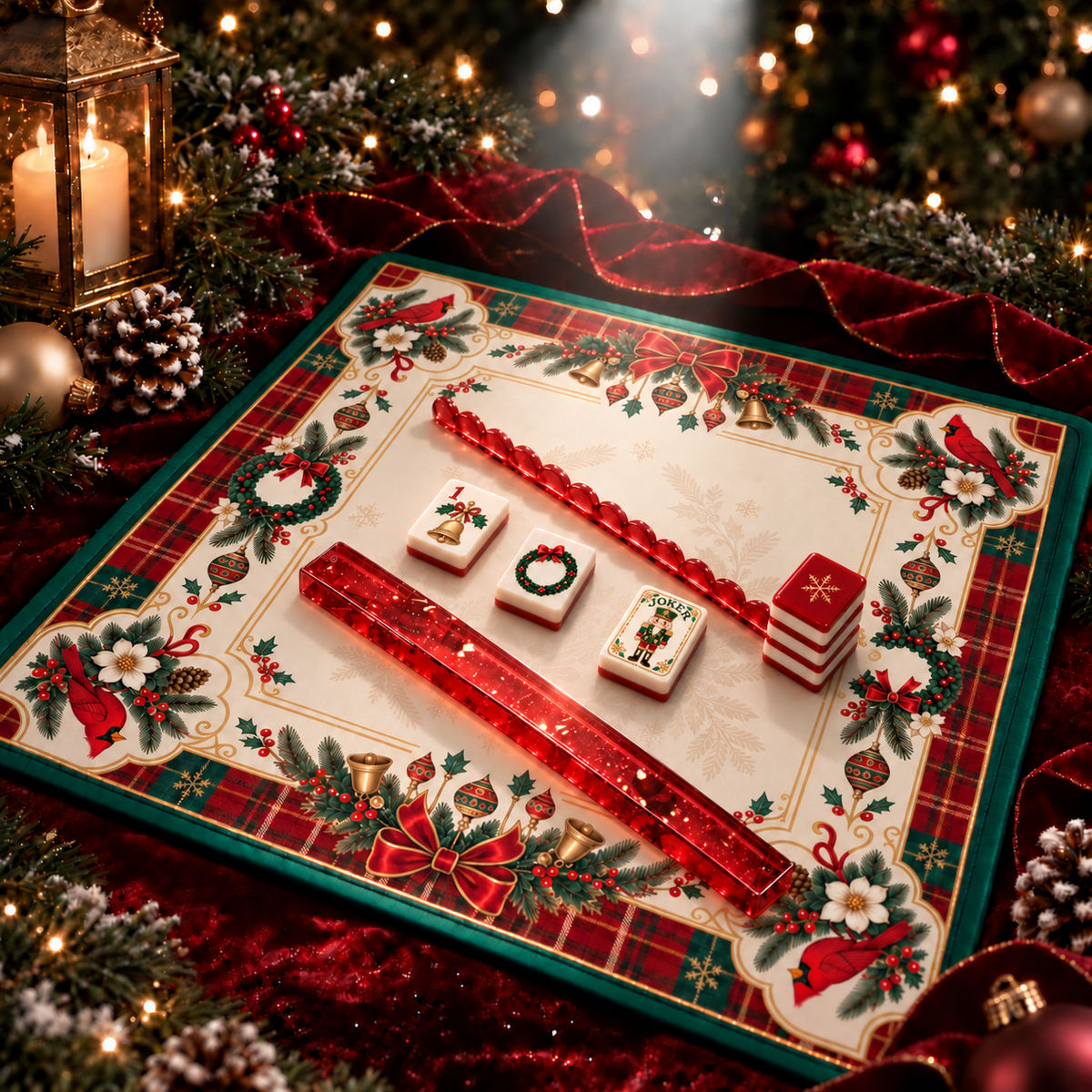
Mat versus cover: Which coastal surface do you actually need?
A dedicated mat is a 32–36-inch square padded playing surface you place on any table for that game session—then fold and store. Coastal mats typically feature water-themed colors or designs woven into or printed onto acrylic. Advantages: portable, game-ready (tile racks already positioned), takes seconds to set up, packs into a bag for travel. Disadvantages: takes dedicated storage space; doesn't protect your furniture between games.
A table cover stays on your dining table year-round, protecting wood or fabric from spills and UV. Coastal covers often feature subtle beach tones or embroidered ocean motifs. Advantages: always ready, protects your investment, adds decor. Disadvantages: less portable, less organized for tile placement (you still need a mat or your own arrangement system), doesn't speed up setup.
Our recommendation: If you play weekly in one home and have storage space, a dedicated mat wins. If your table sees mixed use (dining, crafts, display), add a cover underneath or use both: cover for everyday protection, mat for game nights. Many of us do this—the cover stays down; we layer the mat on top when it's time to play.
🎁 See our most-loved mahjong sets & accessories →
How do coastal designs affect gameplay and tile visibility?
Coastal color schemes—particularly soft blues, teals, and sandy neutrals—actually enhance tile contrast and reduce eye strain during long games. Darker ocean tones (navy, deep teal) provide excellent contrast against white tile backs and Bam symbols. Lighter coastal designs (seafoam, cream) work well if your tiles have darker printing or engraving. Avoid light-on-light combinations (cream mat with white Soap tiles) and dark-on-dark (midnight blue mat with black tiles). Screen-printed or embroidered coastal motifs in the margins don't interfere with the central play zone. The key: reserve the central 28 × 28-inch play area (where you arrange your hand and the wall) for solid color. Decorative coastal elements (shells, waves, rope borders) should frame the edges. This keeps focus on the tiles while giving you that beach-house aesthetic. Test your mat with your actual tiles if possible before committing.
What's the real difference between 32-, 34-, and 36-inch mats?
Mat size affects both tile arrangement and table compatibility.
Size | Best for | Play zone | Tile setup | Table fit |
32" | Small tables (42–48" diameter) | Tight, tall hands | Vertical hand stack | Fits apartment tables |
34" | Standard tables (48–54") | Balanced | Normal hand arrangement | Most common, versatile |
36" | Large tables (54"+) | Spacious, relaxed | Horizontal spread | Tournament, casual spaces |
Coastal mats come in all three sizes. A 32-inch mat on a 54-inch table feels cramped; a 36-inch mat overhangs a 42-inch bistro table. Measure your table, then add 4–6 inches for comfortable reach around the mat edges. If you play on different tables (home, friend's house, synagogue), a 34-inch mat is the safest middle ground. We've hosted games on everything from kitchen counters to card tables to proper dining spreads—34 inches adapts to most situations without crowding or sliding.
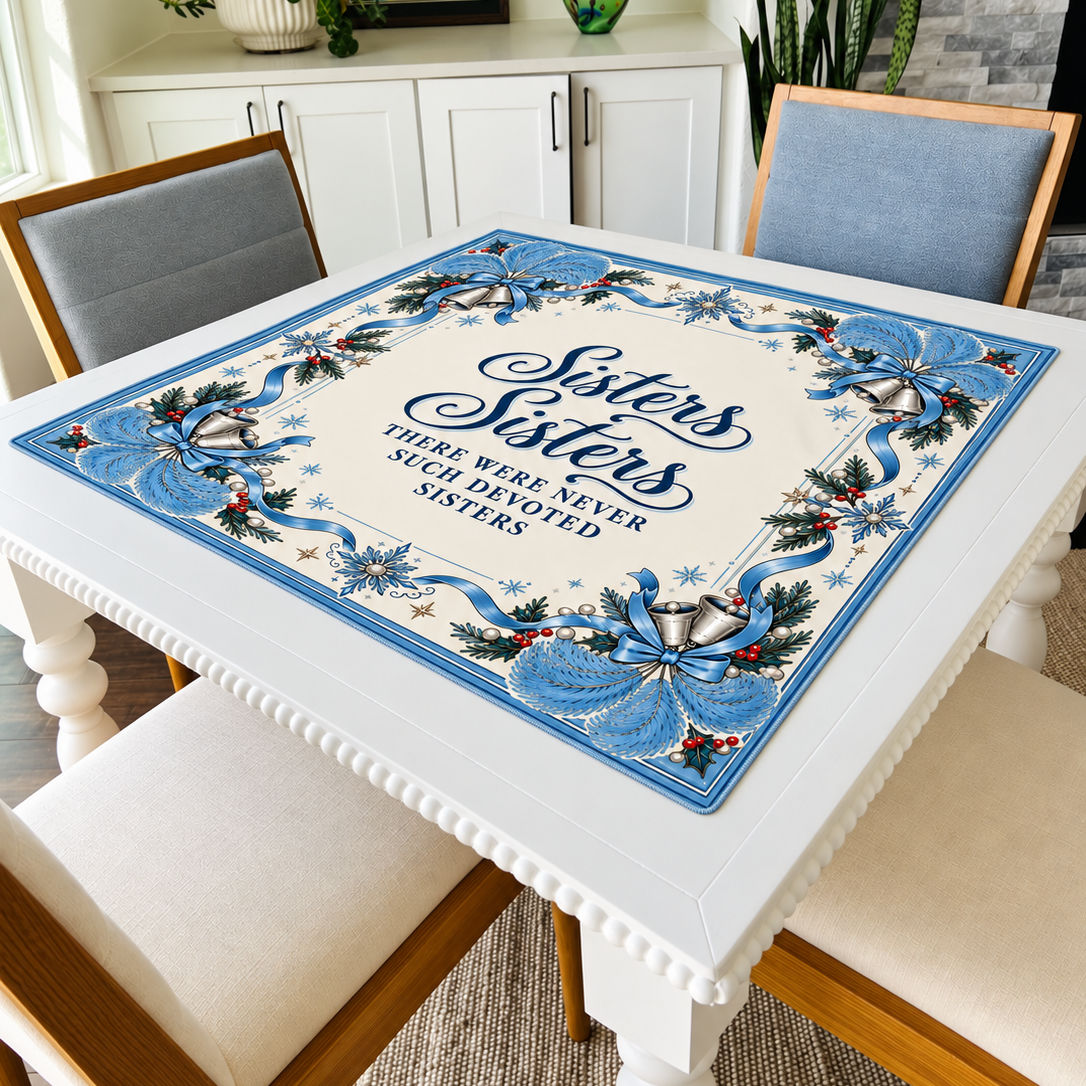
Durability: How do coastal prints and embroidery hold up over time?
Screen-printed coastal designs (water-based or plastisol inks applied to acrylic) fade gradually with sunlight and repeated cleaning—typically lasting 2–5 years of weekly play before noticeably dulling. Inks may crack if the mat is folded tightly in the same crease repeatedly. Cleaning requires soft brushing or damp cloths; harsh scrubbing lifts ink. Best practice: store flat or loosely rolled.
Embroidered coastal motifs (stitched directly into acrylic or felt backing) resist fading but snag if caught on tile edges or rack brackets. Loose threads appear after 1–2 years of heavy play. Embroidery adds nice texture but requires careful handling during fold and storage. Pros: no ink fading. Cons: slower to clean (dust hides in stitches), higher initial cost.
Engraved coastal designs (etched into acrylic tile surface, not ink) are permanent and don't fade, but the engraving itself can't add color detail—coastal themes must work in line art form. Mahstead specializes in custom engraving, which is ideal if you want a lasting coastal look that survives decades of play.
Our advice: choose engraving if you play 2+ times weekly or want a heirloom mat. Choose embroidery if you want texture and play casually (weekly, monthly). Choose screen-printed if cost and vibrant color are priorities and you accept some fading. All three hold up fine in climate-controlled indoor spaces; only sun-facing patios accelerate wear.
✨ Find your Mahstead set — free US shipping →
How to choose between a standalone mat and a hybrid mat-plus-cover system?
A standalone mat (mat only, no cover) suits players who:
Play in one consistent location (home game night).
Have dedicated storage (closet shelf, game cabinet).
Want fastest setup (pull mat, place on table, play).
Don't need furniture protection between games.
A mat-plus-cover system suits players who:
Use their mahjong table for dining or display between games.
Want year-round protection and aesthetic continuity.
Have room for both under the table or in a closet.
Play on high-value furniture (antique, heirloom tables).
Entertain guests and want the table to look intentional, not "game-ready."
Hybrid approach (what most of us actually do): A cream or sand-colored protective cover stays on the dining table permanently. When game night arrives, we drape a coastal-themed dedicated mat on top for 4 hours, then fold it away. The cover protects the wood; the mat organizes the game. This setup takes 90 seconds to deploy and costs less than one premium mat—you're essentially layering two mid-range products instead of buying one "perfect" surface.
What to check before you buy a coastal mahjong table setup
Measurement checklist:
Measure your table (length, width, diameter if round).
Subtract 12 inches from the table dimension.
Choose a mat 2–4 inches smaller than that number.
Example: 54-inch round table → choose 36–38-inch mat (but standard mats max at 36, so 34–36 inches).
Design checklist:
Confirm coastal color palette matches your space (seafoam vs. navy vs. sandy tones).
Check whether design is embroidered, screen-printed, or engraved.
Verify tile contrast on the mat background with a photo (if ordering online).
Read care instructions (wipe-clean vs. hand-wash vs. dry-clean only).
Compatibility checklist:
Ensure your mahjong set tiles (size, color, material) match the mat's play area.
Confirm the mat has dedicated racks for your racks with pushers or anchor points for them.
If you travel, verify the mat folds into your preferred bag or case.
Check shipping: Mahstead offers free shipping across the US on all mats.
Budget checklist:
Decide: mat only ($X–$Y), cover only ($Y–$Z), or both.
Factor in potential future needs (travel, second table, gifts).
See current pricing on the product pages.
FAQ
Can I use a coastal mahjong mat outdoors on a patio table?
Yes, if the patio is covered (no direct rain). Sun exposure fades screen-printed designs faster; engraved designs are fade-proof. Allow the mat to dry fully after humidity or dew before storing it. Unprotected outdoor storage (rain, UV) degrades acrylic and padding within 6–12 months.
What size coastal mat fits a standard 48-inch round dining table?
A 34-inch mat is ideal for 48-inch round tables. It leaves 7 inches of table visible on all sides—enough to set down drinks and tile racks without crowding. A 32-inch mat works if space is tight; a 36-inch overhangs awkwardly.
Do coastal table covers protect against spills and stains?
Quality acrylic covers resist light spills (water, wine) if wiped promptly. Heavy spills or prolonged moisture can seep to the table beneath. The cover protects more from dust, scratches, and UV fading than from serious staining. Treat a cover as a first layer of defense, not a guarantee.
Can I customize a coastal mat with my own design or name?
Yes. Mahstead offers custom engraving on mats. You can add a name, date, or coastal motif (within design limits). Engraved designs are permanent, won't fade, and add a personal heirloom quality. See current customization options on the product page.
How do I clean and store a coastal mahjong mat?
Wipe with a soft, slightly damp microfiber cloth after each game. For embroidery, use a soft brush to remove dust from stitches. Dry completely before folding. Store flat or loosely rolled in a cool, dry closet. Never fold tightly into the same crease repeatedly—this can crack screen-printed inks or strain embroidery.
Is a mat necessary, or can I play directly on a coastal table cover?
You can play on a cover, but it's harder. Covers lack the defined tile-rack positions and padded play zones a mat provides. Tiles slide more; hand organization is slower. Most players use a mat for organized play and a cover for protection between games. A mat is essential for serious weekly play; a cover alone works for casual guests or occasional games.


View More
View More
View More
