
Coastal Mahjong Racks with Pushers: Acrylic, Engraved & Durable
Last updated: Nov 23, 2026
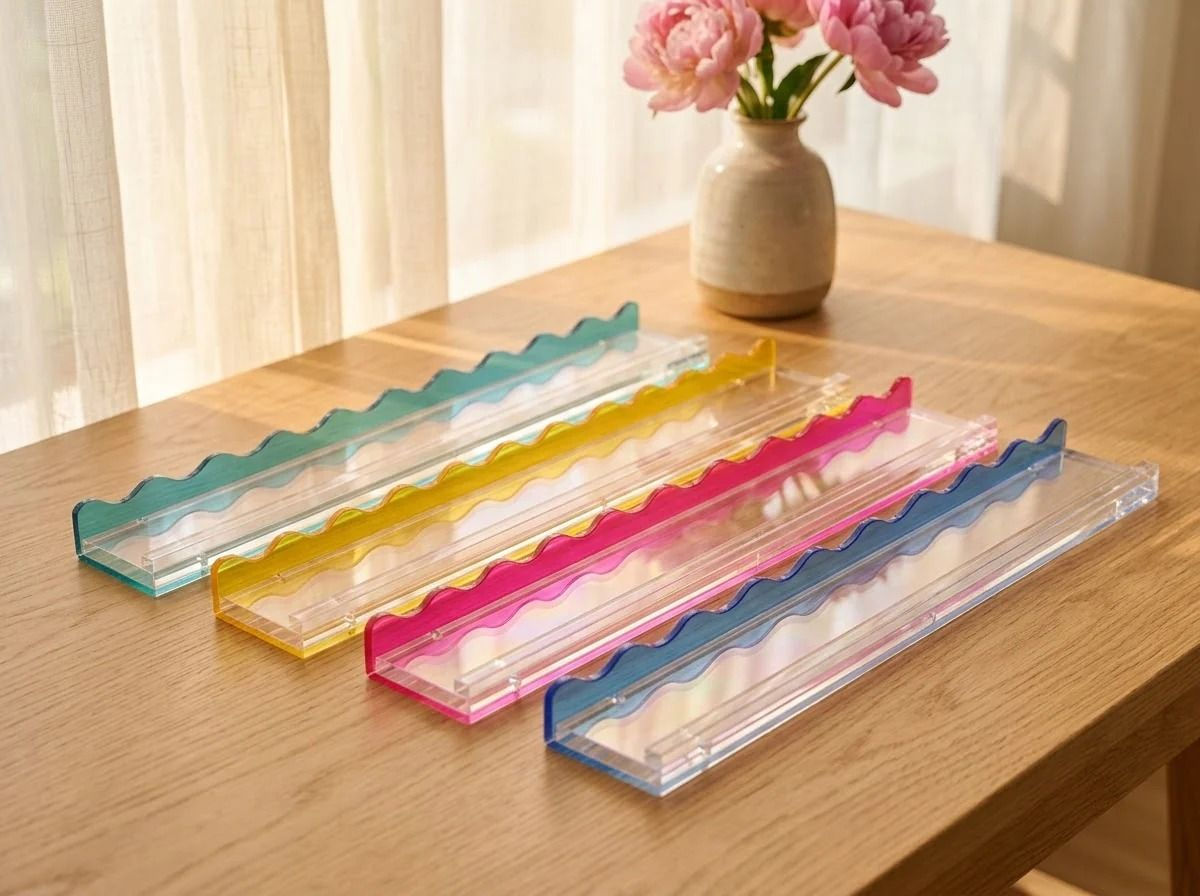
Coastal mahjong racks with pushers are acrylic tile holders engineered to resist moisture, salt spray and temperature swings—ideal for players in beach communities, humid regions or outdoor game spaces. Unlike wooden racks that swell and split near the ocean, quality acrylic racks from Mahstead's mahjong racks collection maintain their shape through humid summers and salt-laden air. Each rack holds your tiles at a comfortable playing angle, and integrated pushers let you advance tiles forward as you draw or discard—a small motion that speeds play and reduces fumbling. Most acrylic racks fit standard 160-tile sets and pair well with mahjong mats to define play zones. Quality matters: thicker acrylic (2–3mm) resists cracking in UV sun better than thin plastic, and smooth internal surfaces prevent tile chipping. Since Mahstead ships free across the US, coastal buyers can order without worry about regional markup. Check the rack depth and tile-slot spacing before ordering—misaligned slots waste time and frustrate players mid-game.
What makes acrylic racks ideal for coastal climates?
Acrylic resists salt corrosion, humidity warping and UV degradation far better than wood or particleboard. Unlike hardwood racks that cup and crack within two seasons near the ocean, acrylic holds its structural integrity through endless salt-air cycles. The smooth finish sheds dust and sand rather than trapping it, and a quick rinse removes salt spray without damaging the rack. Coastal players report acrylic racks last 5+ years in beachside game rooms; wood racks often fail after one season. Buy acrylic if you live within 5 miles of saltwater or in a climate averaging 70%+ humidity year-round.
🀄 Shop best-selling mahjong sets →
How do pushers improve gameplay?
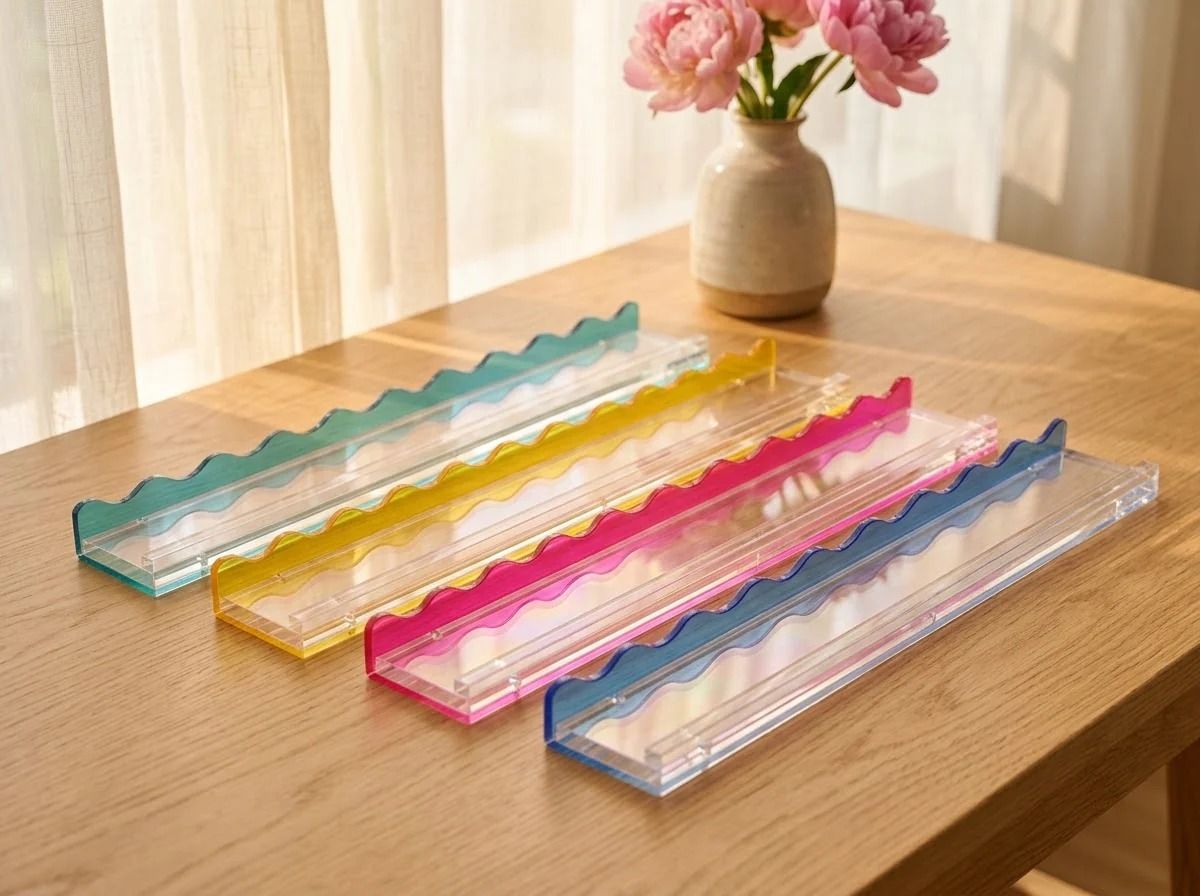
Pushers are thin levers built into each rack slot that let you nudge a tile forward without lifting it—essential for speed and accuracy in American mahjong. As you draw from the wall or ready a discard, pushers eliminate the clumsy two-handed grab-and-place motion that jams tiles or shifts others out of line. Experienced players advance tiles with one smooth gesture, keeping rhythm during rapid exchanges. Pushers also prevent the "leaning tile" problem: when a player leans a tile against others by hand, it can slip or trigger accidental calls. A well-designed pusher (flush to the tile, smooth-gliding) reduces play friction by 30–40 seconds per hand, adding up over a six-hand session. Coastal humidity can make wooden pusher slots swell; acrylic pushers stay precise because the material doesn't absorb moisture.
Engraved vs. plain acrylic racks: which fits your game?
Feature | Engraved Racks | Plain Acrylic Racks |
Personalization | Custom names, quotes, or designs | None; functional only |
Durability | Engraving doesn't affect acrylic lifespan | Same lifespan as engraved |
Coastal resistance | Identical salt/humidity protection | Identical protection |
Best for | Gifts, keepsakes, branded sets | Fast reorders, budget-conscious players |
Setup time | Longer (custom order window) | Ships quickly |
Who chooses this | Groups marking milestones; hosts | Weekly casual games |
Engraved racks are worth the wait if you're gifting a retirement set or commemorating a 20-year game group. Coastal humidity won't fade or blur an engraving into the acrylic—the design is permanent. Plain racks suit players who prioritize speed and rotate through multiple sets; no customization means you order today and play tomorrow. Mahstead's engraved mahjong titles work seamlessly with engraved racks to create a full branded experience.
🎁 See our most-loved mahjong sets & accessories →
What size and slot spacing should you measure before buying?
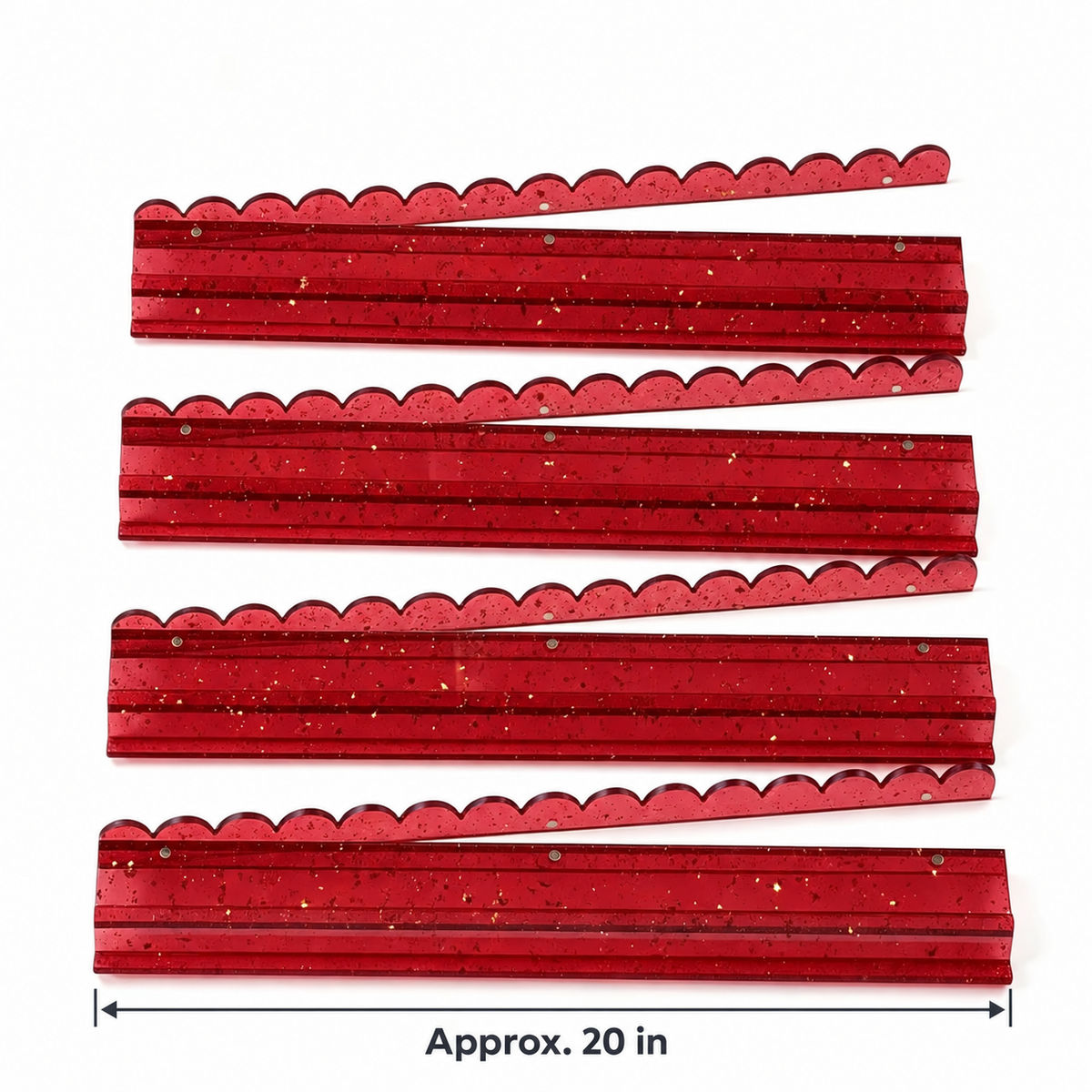
Rack depth determines where tiles sit relative to the player's hand. A 3–4 inch deep rack holds tiles far enough to read clearly without crowding your lap; shallow racks (under 2 inches) force tiles too close to your body and make draws awkward. Slot spacing is critical: standard American tiles are roughly 1 inch wide, so slots must be 1.1–1.2 inches apart to allow smooth pushing without binding. Measure your existing tiles (if you own a set) by placing three tiles side by side and adding 0.3 inches—that's your required slot span. Check Mahstead's mahjong racks page for exact dimensions on each design; call or email before ordering if your set is non-standard. Coastal players often pair racks with a dedicated mahjong mat to protect the table surface from salt water or sand tracked from beach or patio play.
How does material thickness affect durability in salt air?
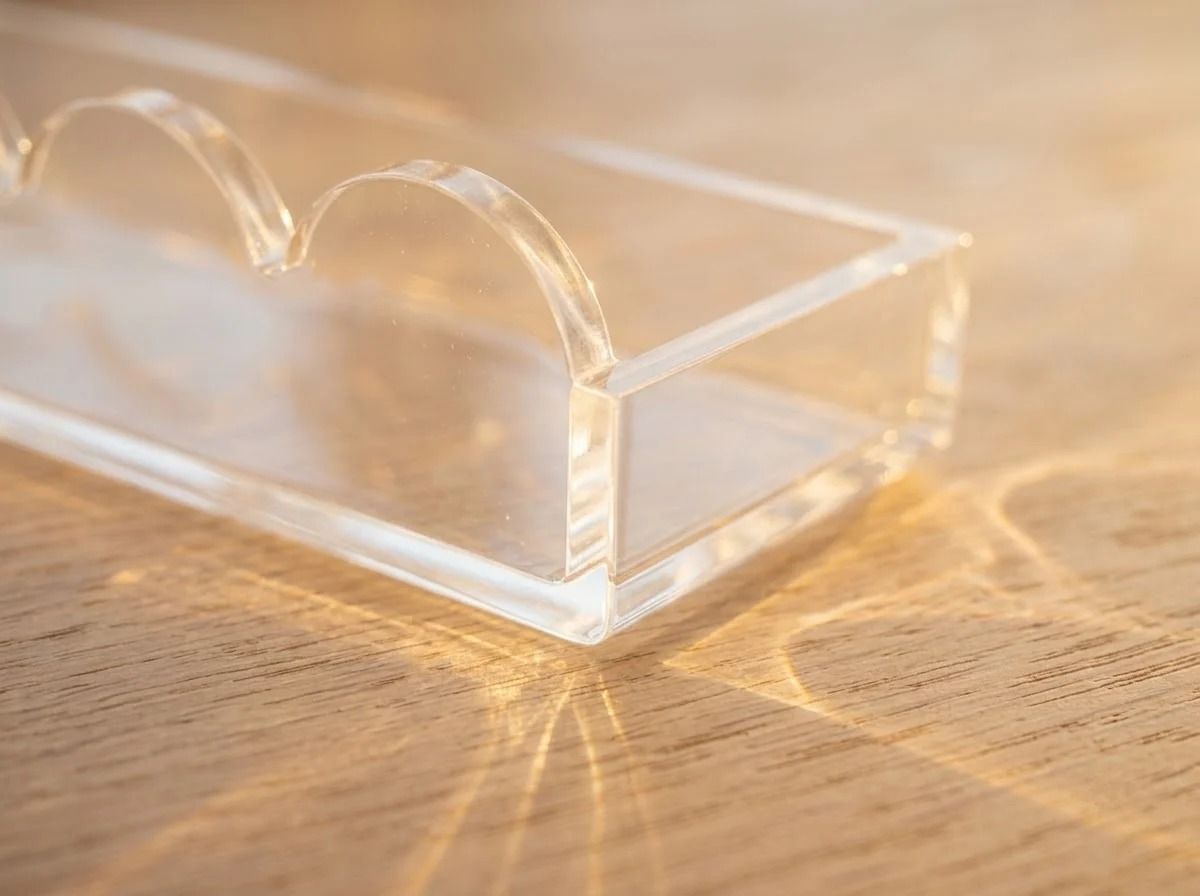
Thicker acrylic (2–3mm) resists UV yellowing, micro-cracking and salt-spray pitting better than thin plastic (1mm or less). The extra mass acts as a thermal buffer, so temperature swings (e.g., 85°F indoors to 60°F morning sea breeze) cause less stress and warping. Thin acrylic becomes brittle in intense UV and cracks under tile pressure over time; thick acrylic flexes slightly and absorbs shock. Run a thickness check: acrylic that flexes slightly under hand pressure is thin; racks that feel rigid and dense are likely 2–3mm. Coastal salt spray accelerates degradation in thin plastic because nano-pitting reduces structural integrity; thick acrylic tolerates years of rinse-offs without surface damage. Mahstead's standard racks use robust acrylic; ask the team which designs are rated for full-sun or high-UV coastal play before ordering.
What to check before you buy
Depth: Measure from the front lip to the back wall. Aim for 3–4 inches; confirm your play style (close, arm's length, or elevated).
Slot spacing: Hold three tiles side by side. Multiply by three, add 0.3 inches. Match that to the rack specs.
Material thickness: Thicker is better in coastal climates; confirm acrylic is 2mm or more.
Pusher alignment: Each pusher should sit flush to its slot, not stick up or dip low.
Finish quality: Look for smooth interior surfaces (no rough edges that snag tiles).
Set compatibility: Confirm the rack fits your current 160-tile acrylic set; non-standard tiles require custom spacing.
✨ Find your Mahstead set — free US shipping →
Why pair racks with a mahjong mat in coastal settings?
A quality mahjong mat protects your table from salt water, sand, and tile damage while defining the play zone—essential in beach homes and patios. Mats with non-slip backing prevent tiles or racks from sliding during excited moments, and they corral spilled tiles in one area rather than across the deck. Coastal wear (sand, salt residue, UV fading) hits wood tables hard; a mat absorbs that damage. Most players pair acrylic racks with mats to create a stable, clearly marked play surface that says "this is game time."
Real-world coastal rack scenarios
Scenario 1: Beachfront retirement community game room. Four weekly players meet near the ocean. They chose engraved acrylic racks with 3.5-inch depth and thick acrylic. Salt spray gets rinsed monthly; no warping or discoloration after two years. They added mahjong mats to protect the table and keep sand off tiles.
Scenario 2: Summer cottage with rotating guests. A host wanted durable racks for seasonal play—three months intensive, nine months stored. Plain acrylic racks (no engraving) meant lower cost and quick reorder if one cracks. Thicker acrylic meant no UV yellowing over storage. She paired them with a travel bag to protect racks and tiles during transport to the cottage.
Scenario 3: Outdoor patio league. A 12-player league in a humid coastal area ordered four sets of plain racks with pushers to rotate among tables. Acrylic survived full-sun afternoon play; wood racks were cupping within weeks. Pushers kept play fast and consistent across all tables.
FAQ
Do acrylic racks yellow or degrade in UV sun?
Thick acrylic (2–3mm) resists UV yellowing for years, especially if rinsed monthly to remove salt residue. Thin acrylic yellows faster and becomes brittle; stick with quality material if you play outdoors regularly.
Can I use a wooden rack near the ocean?
Not long-term. Saltwater and humidity cause wood to swell, warp, and develop mold. Acrylic is the only practical option for coastal play; wood racks typically fail within one season near saltwater.
What's the difference between a rack with pushers and a simple tile holder?
Pushers are levers built into slots that nudge tiles forward without lifting them—faster, cleaner play. Simple holders require you to lift and place by hand, which slows rhythm and risks tile jams. Pushers are worth the upgrade.
How do I clean coastal salt spray off my acrylic rack?
Rinse with fresh water and a soft cloth after play; salt dries and bonds to acrylic, reducing clarity. Wipe dry immediately. Once a month, use mild soap and water. Never use vinegar or harsh cleaners—they can cloud acrylic over time.
Can I engrave an acrylic rack myself or should I order it pre-engraved?
Pre-engraved is safer; engraving acrylic yourself requires a laser cutter or professional equipment and risks cracking the rack. Order engraved racks from Mahstead to ensure the design is precise and permanent.
What's the typical lifespan of an acrylic rack in a coastal climate?
With basic care (monthly rinsing, dry storage between games), a thick acrylic rack lasts 5–10 years in heavy coastal use. Thin plastic fails sooner; invest in quality acrylic if you play year-round.
Do I need different racks for American mahjong vs. Chinese or Hong Kong styles?
American racks hold 14 tiles per player; Chinese/Hong Kong racks often differ in depth or slot count. Confirm your set size and style before ordering; most Mahstead racks are designed for American mahjong's standard 14-tile hand.


View More
View More
View More
