
Coastal Mahjong Accessories: What to Buy for Beach & Waterside Play
Last updated: Nov 23, 2026
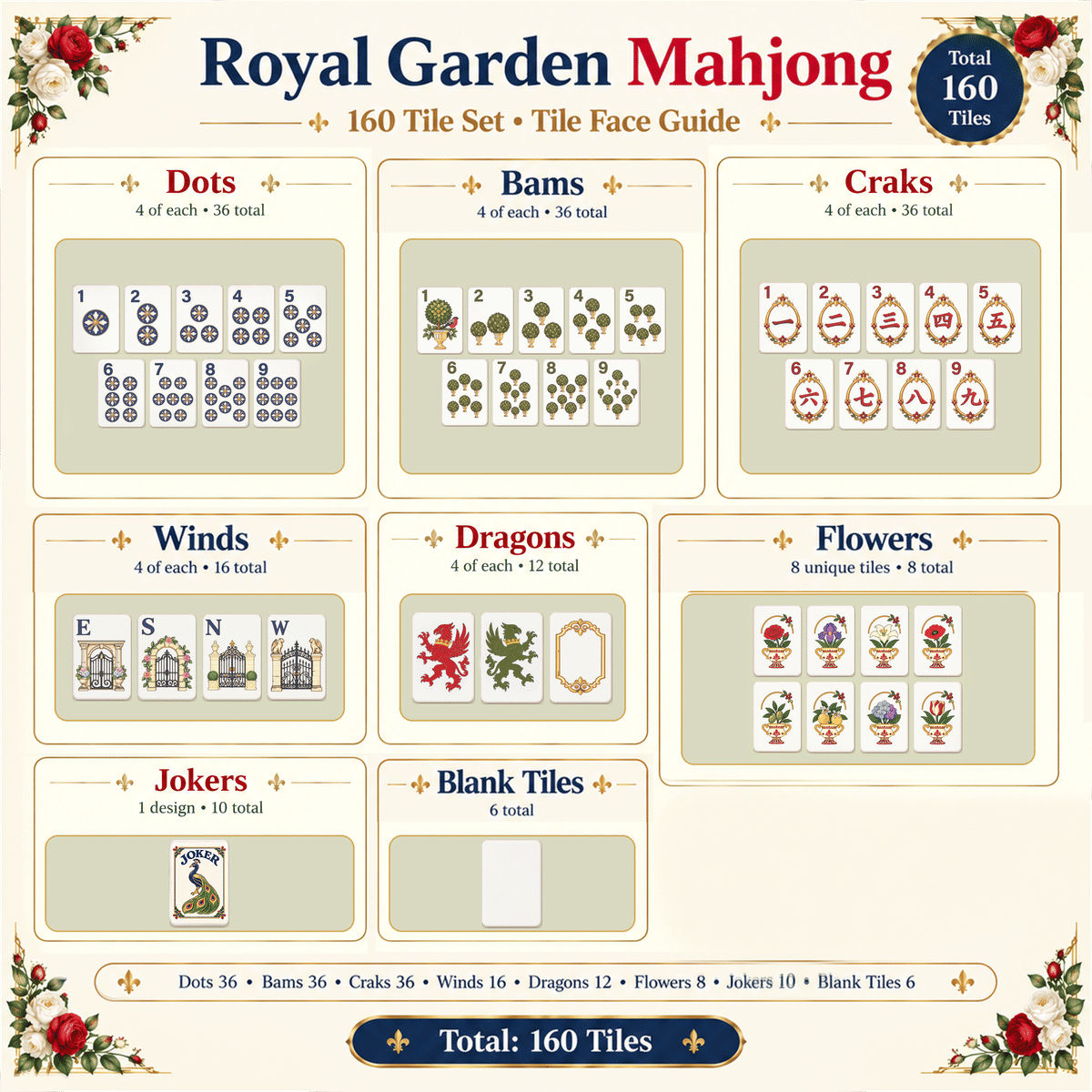
Coastal mahjong means protecting 152 tiles, jokers, and racks from salt spray, humidity swings, and sand abrasion—the real enemy of acrylic and bamboo. We recommend acrylic sets over bone or bamboo for coastal play because acrylic resists moisture and won't warp. Pair a set with a padded travel case rated for humidity exposure and a non-slip mat designed for outdoor surfaces; if you play on a table near spray, a waterproof table cover underneath extends life significantly. Mahstead sells engraved acrylic 160-tile sets designed for frequent play, travel-grade cases, and non-slip mats with drainage channels. Cost varies by customization; choose a case with seals and a mat with underside grip. Most coastal players report that protecting tiles from direct sun and storing them indoors after play extends the set's lifespan by years.
Coastal play is unforgiving. Salt air corrodes metal hinges, humidity swells bamboo racks, sand scratches tiles, and UV light fades even durable acrylic. We host weekly games along the coast and have learned which accessories survive—and which don't—after a season of waterside hosting.
The challenge isn't just one factor: it's the combination of humidity, salt, sand, temperature swings, and sun exposure working together. A mat that works fine at an indoor club becomes a mildew trap on a screened porch. A beautiful bamboo rack becomes warped after a month of 70–90% humidity. The best coastal accessory strategy is layered protection: the right set material, a sealed case, a mat with drainage, and smart storage.
Why does acrylic beat bone or bamboo for coastal play?
Acrylic is non-porous, resists humidity and won't absorb salt water or mold spores; bone and bamboo racks swell, crack, and develop mildew in coastal humidity. We've seen bamboo racks become visibly warped after one summer of waterside storage. Acrylic tiles remain dimensionally stable across the 40–85°F and 50–95% humidity swings typical of coastal areas. Mahstead acrylic sets are engineered to survive this—they're what we play ourselves in humid climates.
🀄 Shop best-selling mahjong sets →

What should your travel case do in a coastal environment?
A coastal-grade travel case must seal out humidity, resist salt corrosion on any metal hardware, and have a non-absorbent interior that dries quickly if wet. Cases with rubber seals, metal latches coated in epoxy or stainless steel, and a water-resistant outer shell are non-negotiable. Interior foam or compartments should be closed-cell (won't hold moisture). Check the product description for "humidity resistant" or "sealed compartments"—if it doesn't say so, it won't protect your tiles on humid beach trips. Many players add silica gel packets inside the case to absorb ambient moisture; swap them out monthly. Mahstead travel bags and cases are designed with sealed compartments and drainage channels so water doesn't pool if the case gets damp.
How do you choose a mat that won't mildew in salt air?
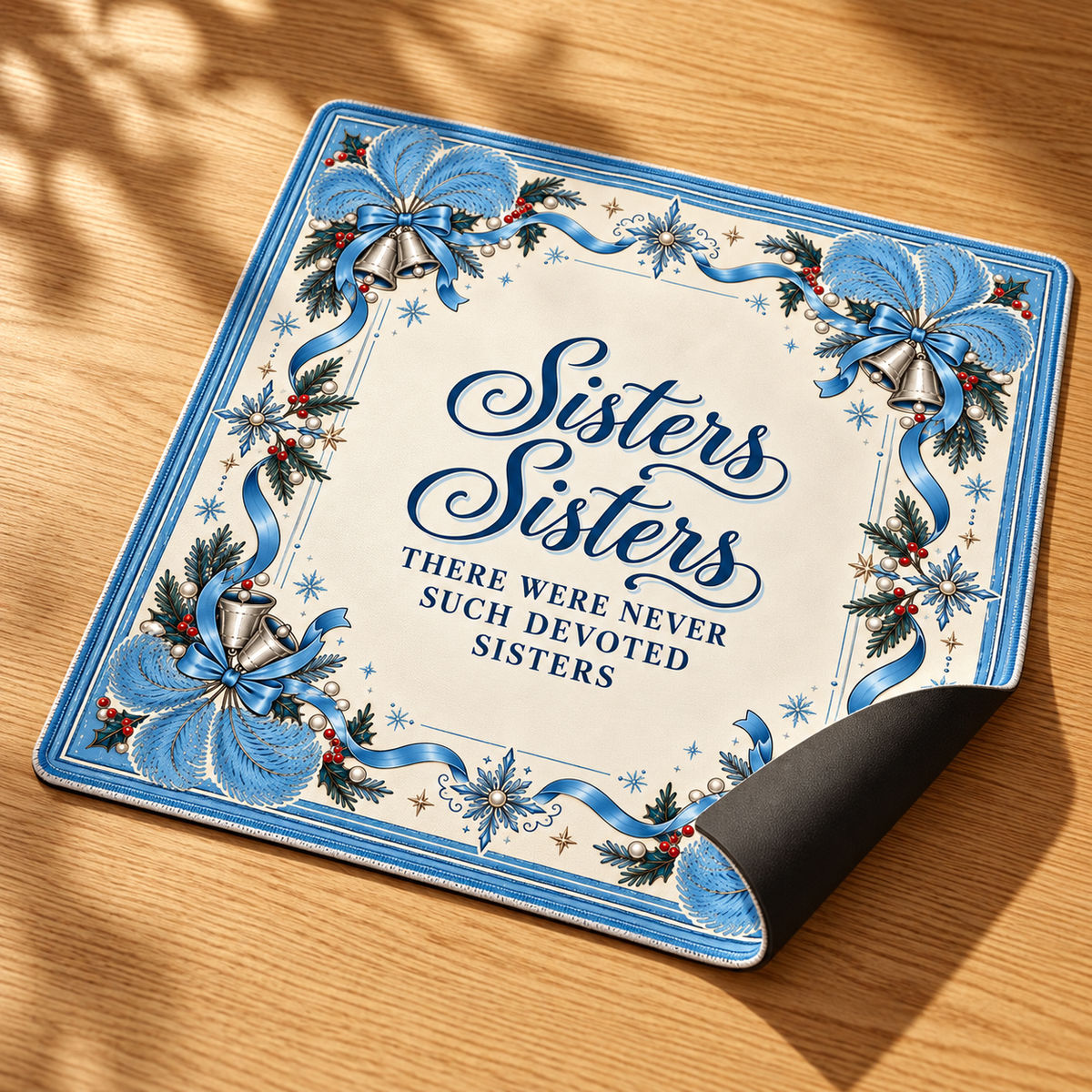
Look for non-absorbent materials (vinyl or sealed cotton blend), textured undersides with anti-slip grip, and mats rated for outdoor or high-humidity use. A mat stored in a humid garage or screened porch absorbs moisture from the air; if the underside isn't sealed or treated with antimicrobial coating, mildew blooms within weeks. Woven natural fiber mats (jute, hemp) are beautiful but are porous and trap mold spores in coastal climates—avoid them unless you bring the mat indoors and dry it daily. Vinyl mats resist mildew but can become slippery when salt spray deposits crystals on top; we spray ours with a light rinse after play to keep grip. Learn how to choose a mat for your climate in detail.
🎁 See our most-loved mahjong sets & accessories →
Should you use a table cover over a mat for coastal play?
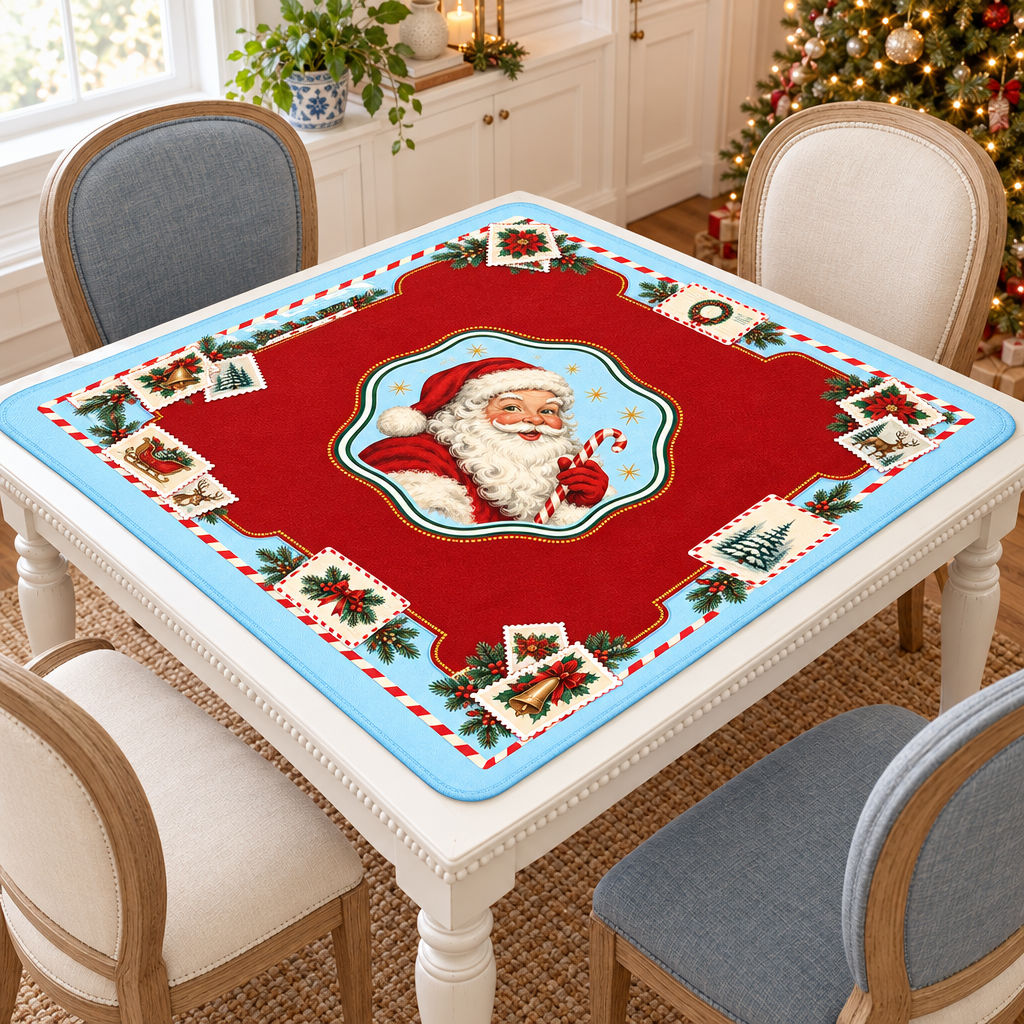
Yes, if your table is exposed to spray or sits outside year-round. A waterproof table cover (vinyl or laminated polyester) underneath your mat adds a second barrier against salt water and prolonged humidity. Stack the cover first, then the mat on top; this prevents water from wicking under the mat and pooling. If you play on a permanent outdoor table, a cover is mandatory—without it, the table itself will corrode or warp. For screened porches or gazebos, a cover prevents salt spray from migrating sideways during storm gusts. Many coastal hosts use a lightweight nylon or vinyl cover that rolls up and stores in a small bag between games. Compare table covers and mats here.
What's the difference between indoor and coastal-grade racks and pushers?
Coastal racks must be acrylic or stainless steel, never bamboo or untreated wood. Pushers—the small sticks that organize your hand—should be solid acrylic or synthetic, not bone or painted wood (paint peels in humidity and salt spray). Bamboo racks, no matter how beautiful, will cup and warp within one coastal season. Acrylic racks with pushers are designed to last through decades of outdoor play because they don't absorb water or salt. If your rack feels sticky or swollen after storage, it's already begun to fail; the damage is permanent. Replace it with acrylic and you won't revisit the problem. Pushers last longer if you rinse them after play and dry them immediately—sand and salt crystals create micro-scratches that accelerate wear.
Accessory | Best Material for Coastal | Durability | Maintenance |
Rack | Acrylic (never bamboo) | 10+ years | Dry after play |
Pusher | Solid acrylic or synthetic | 5–7 years | Rinse, air dry |
Mat | Sealed vinyl or treated cotton blend | 5–10 years | Wipe salt off, air dry |
Case | Stainless steel or epoxy-coated latches, sealed compartments | 7–15 years | Wipe exterior, swap silica packets |
Tiles | Acrylic (160-tile set) | 15+ years | Store indoors, avoid direct sun |
✨ Find your Mahstead set — free US shipping →
What should you check before ordering coastal accessories?
Before buying, confirm: (1) Material labels. The product page must state "acrylic racks," "sealed case," "vinyl or treated mat"—if it says "bamboo," "untreated wood," or "fabric lining," it will fail in coastal humidity. (2) Hardware finishes. Metal latches should be stainless steel or epoxy-coated; bare metal rusts in salt air. (3) Underside grip. Mats need a textured underside rated for non-slip use; smooth fabric won't grip a damp table. (4) Interior compartments. Cases should have sealed or wipe-clean linings, not absorbent foam that holds moisture. (5) Drainage design. High-end mats and cases list drainage channels or ventilation paths—a sign the maker thought through humidity. (6) UV protection. If the product sits in direct sun, ask whether tiles or covers have UV-resistant dyes; unprotected acrylic can yellow over years. Mahstead product pages list material, finish, and suitability—read the full description before checking out.
Why store your set indoors after every coastal game?
Salt spray and UV light are cumulative. Even if tiles are protected during play, leaving them in a case in a screened porch exposed to salt air overnight will corrode any metal components and degrade dyes over months. We unpack our sets after each session, wipe tiles and racks with a dry cloth to remove sand, and store everything indoors in a dark, dry spot. This one habit—storing the set indoors—extends its lifespan by 5+ years. Coastal homes have high ambient humidity; acrylic and sealed cases resist it, but they're not immune. If you live steps from the ocean, treat your mahjong set like expensive camera gear: bring it inside after every use.
Browse engraved acrylic sets and seasonal designs to find a set you'll want to protect and play with for decades.
FAQ
Can I leave my mahjong set in a beach house over winter?
No. Unoccupied homes in coastal areas experience temperature swings and humidity spikes that damage even sealed cases. Pack your set in a climate-controlled storage unit or bring it home; winter salt air is particularly corrosive.
Do I need both a travel case and a table cover?
Not always. Use a case if you transport your set; use a table cover if your outdoor table is exposed to spray or weather. If your set stays in one coastal location and sits under a gazebo, a cover alone may suffice—but a case adds resale value and emergency portability.
What humidity level is too high for mahjong tiles?
Above 80% relative humidity, moisture begins to seep into bamboo and paint; acrylic tolerates up to 90% but risks mildew on the case and rack. Coastal humidity often hovers at 70–85%, so silica packets and indoor storage are essential.
Will acrylic tiles yellow in coastal sun?
Quality acrylic fades very slowly over years, especially if stored indoors and only exposed during play. Cheaper acrylic can yellow within 2–3 seasons; Mahstead sets use UV-stable acrylic formulated for durability.
How often should I replace silica gel packets in my case?
Swap them monthly during humid seasons (spring–fall in coastal areas). If they feel heavy or wet, replace them immediately; saturated packets no longer absorb moisture and may leak liquid onto tiles.
Can I play mahjong on a salt-spray-exposed deck?
Yes, if you use a waterproof table cover and vinyl mat on a sealed table, rinse everything after play, and store the set indoors. Don't leave tiles or racks sitting in direct spray; set up under an awning or canopy whenever possible.


View More
View More
View More
