
Classical Chinese Mahjong Tile Sets: American Players' Guide
Last updated: Nov 23, 2026
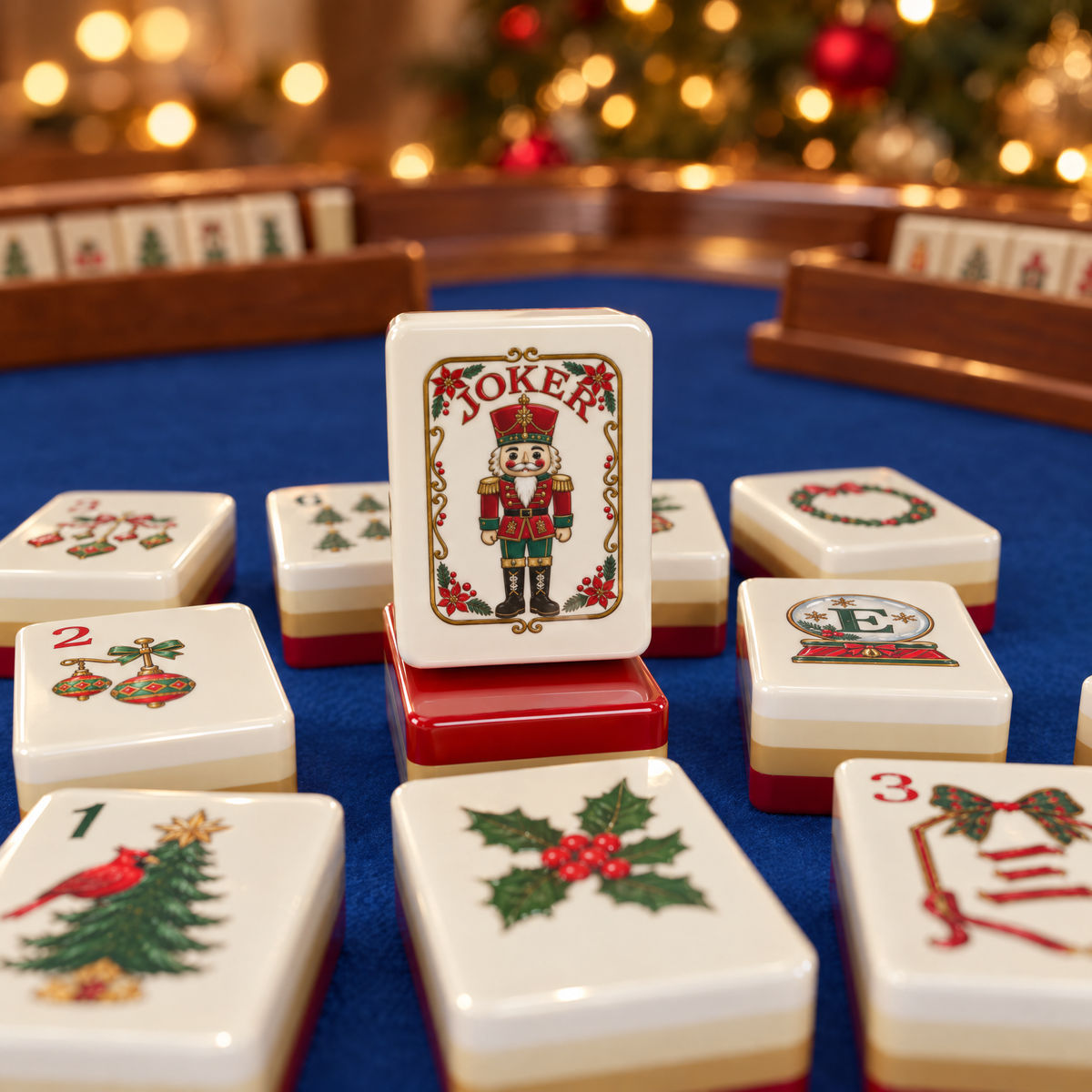
Classical Chinese mahjong uses 144 tiles: three suits (Bamboo, Characters, Dots) with numbers 1–9 in four copies each, 16 winds, 12 dragons, and 4 flowers—no jokers. American mahjong, by contrast, uses 152 tiles with jokers as wild cards and no hand-building sequences (chows) that can be called or exposed. Chinese sets emphasize hand-drawing and kong-calling; American play anchors to the yearly National Mah Jongg League card. If you're an American player exploring classical Chinese variants (like Cantonese or Riichi), you'll need a dedicated 144-tile set, as our best-selling American mahjong sets are designed for the 152-tile American game. Chinese tile design often features intricate carved faces; American tiles are flatter acrylic. Choose based on the game rules your group plays, not just aesthetics.
How do classical Chinese tile counts differ from American sets?
The core difference is tile math. Classical Chinese mahjong: 144 tiles total—108 number tiles (three suits × 9 numbers × 4 copies), 16 winds, 12 dragons, and 4 flowers. American mahjong: 152 tiles—108 number tiles (same), 16 winds, 12 dragons, 8 flowers, and 8 jokers. That extra 8-tile block in American sets is why American hands can't fold to Chinese rules; the joker wild-card mechanic and the yearly hand card don't exist in classical play. Never try to play American hands from the league card with a 144-tile classical Chinese set—you'll have missing tiles and frustrated players.
🀄 Shop best-selling mahjong sets →

What tile symbols and styling distinguish classical Chinese design?
Classical Chinese tiles traditionally display hand-carved or embossed faces with intricate calligraphy. Bamboo suits show bamboo stalks; Character suits display Chinese numerals; Dot suits show circular pips. Winds and Dragons bear traditional labels in simplified or classical Chinese characters. Many classical sets feature ivory, bone, or resin with wood cases. American tiles, especially our engraved American mahjong sets, use flat acrylic with printed or engraved numerals and Western-style faces for clarity at speed. If you love traditional aesthetics and slow-paced study games, classical carved tiles reward close inspection; if you want legible, durable tiles for fast weekly play, American acrylic designs work better. Your choice depends on game pace and how much tile detail matters to your enjoyment.
Which classical Chinese mahjong variants use 144 tiles?
Most classical variants stick to 144 tiles: Cantonese mahjong, Hong Kong mahjong, and Riichi (Japanese) all use the same base tile count. Taiwanese mahjong and some regional adaptations may add or substitute tiles, but 144 remains the standard. Riichi play, for instance, adds dora (bonus tiles called mid-game) but still starts with 144. If you're learning from a Chinese community center or online Riichi group, confirm their regional rule set before ordering—some variants allow optional "wild" tiles or season/bonus mechanics that change which set you'll need. Ask your game group's experienced players which tiles and counts they use; mismatched tile counts end games before they start.

How do hand-building rules change between classical and American play?
Classical mahjong rewards hand-drawing: you build melds (pungs, kongs, chows) in your hand, then declare "mahjong" when complete. Chows—sequences like 4-5-6 Bamboo—are legal; you can claim a discard to form them. American mahjong forbids chows entirely; you can only expose pungs (three identical), kongs (four identical), quints, or sextets. American hands come from the yearly league card and allow jokers as wildcards in exposed sets. Classical play has no jokers; melds must be pure. American rules are simpler for newcomers because the card locks down which hands count; classical play requires memorizing which combinations win. If you've played American for years and try classical variants, the freedom to build any combination (not just card-listed hands) can feel liberating but demands more strategic thinking.
Should you buy separate sets for American and classical Chinese play?
Yes—and here's why. American and classical mahjong aren't interchangeable. American sets: 152 tiles, 8 jokers, flat acrylic, printed numerals, designed for fast card-based play. Classical Chinese sets: 144 tiles, no jokers, often carved or embossed, styled for hand-study and regional variants. Trying to play American hands with a 144-tile set leaves you 8 tiles short; using American tiles in classical play adds confusing jokers. If you host both game types, keep them separate. Many of us have a single dedicated set for our weekly American game—we use our best-selling American mahjong sets for consistency—and a second classical or travel set for the occasional Riichi night or when guests want to learn traditional rules.
Game Type | Tile Count | Jokers? | Chows Allowed? | Hand Source | Tile Style |
American | 152 | Yes (8) | No | Yearly league card | Flat acrylic, printed |
Cantonese/Hong Kong | 144 | No | Yes | Player memory | Carved/embossed |
Riichi (Japanese) | 144 | No | Yes | Player memory | Carved/embossed, Japanese labels |
Taiwanese | 144+ | Varies | Yes | Varies | Regional design |
🎁 See our most-loved mahjong sets & accessories →
What should you check before buying a classical Chinese mahjong set?
Before you order, confirm five details with your game group or instructor:
Tile count: Is it 144 (standard) or does your variant add bonus tiles?
Character system: Does the set use simplified or traditional Chinese characters? Some players prefer one over the other.
Tile material: Carved bone or resin sets require gentle handling; acrylic is durable for frequent play.
Regional rules: Cantonese, Hong Kong, Riichi, and Taiwanese rules vary—ask which one your group follows.
Storage: Classical sets often ship with wooden cases; American sets fit our mahjong bags and cases for portability. Check if your set needs a case or mat.
Honest mistakes we see: Buyers assume all 144-tile sets are identical, then discover their set doesn't match their group's regional tiles. Buyers also buy classical sets for American game nights, only to realize they're 8 tiles short. Call your game organizer; send them a photo of the set you're considering. Five minutes of verification beats a wasted purchase and a table full of disappointed players.
✨ Find your Mahstead set — free US shipping →
If you're a regular American mahjong player who occasionally joins classical variant nights, we recommend keeping a dedicated best-selling set for your weekly American games and a separate classical 144-tile set for flexibility. That way, when someone asks, "Want to learn Riichi tonight?", you're ready—and your American tiles stay untouched for your league card nights.

FAQ
Can I use a classical Chinese 144-tile set to play American mahjong?
No. American mahjong requires 152 tiles and 8 jokers. A 144-tile classical set is 8 tiles short and lacks jokers, so you cannot complete American hands or play with the yearly league card rules.
What's the difference between Cantonese, Hong Kong, and Riichi mahjong tile sets?
All three use 144 tiles and allow chows (sequences). Riichi sets often include dora indicators and use Japanese labels; Hong Kong and Cantonese sets use Chinese characters. Rules for melding, calling, and scoring differ, but tile counts stay the same—ask your group which style they play before buying.
Do classical Chinese mahjong sets come with jokers?
No. Classical mahjong uses no jokers; all melds must be pure (identical tiles in groups of three or four, or sequences of three consecutive numbers). This is a core difference from American mahjong, which uses 8 jokers as wildcards.
Why are carved classical mahjong tiles more expensive than American acrylic tiles?
Hand-carved or embossed classical tiles require skilled artisans and materials like bone or resin, which cost more to source and process than injection-molded acrylic. Acrylic tiles are faster to produce, easier to customize, and durable for high-speed play, making them ideal for American game nights.
If I learn American mahjong first, can I easily switch to classical Chinese variants?
Not immediately. American mahjong forbids chows (sequences), ties hands to a yearly card, and uses jokers—classical play does none of that. You'll need to learn which combinations win in your regional variant and rebuild your mental model of legal melds, but your pung-and-kong understanding transfers directly.


View More
View More
View More
