
Classical Chinese Mahjong Terms and Glossary
Last updated: Nov 23, 2026
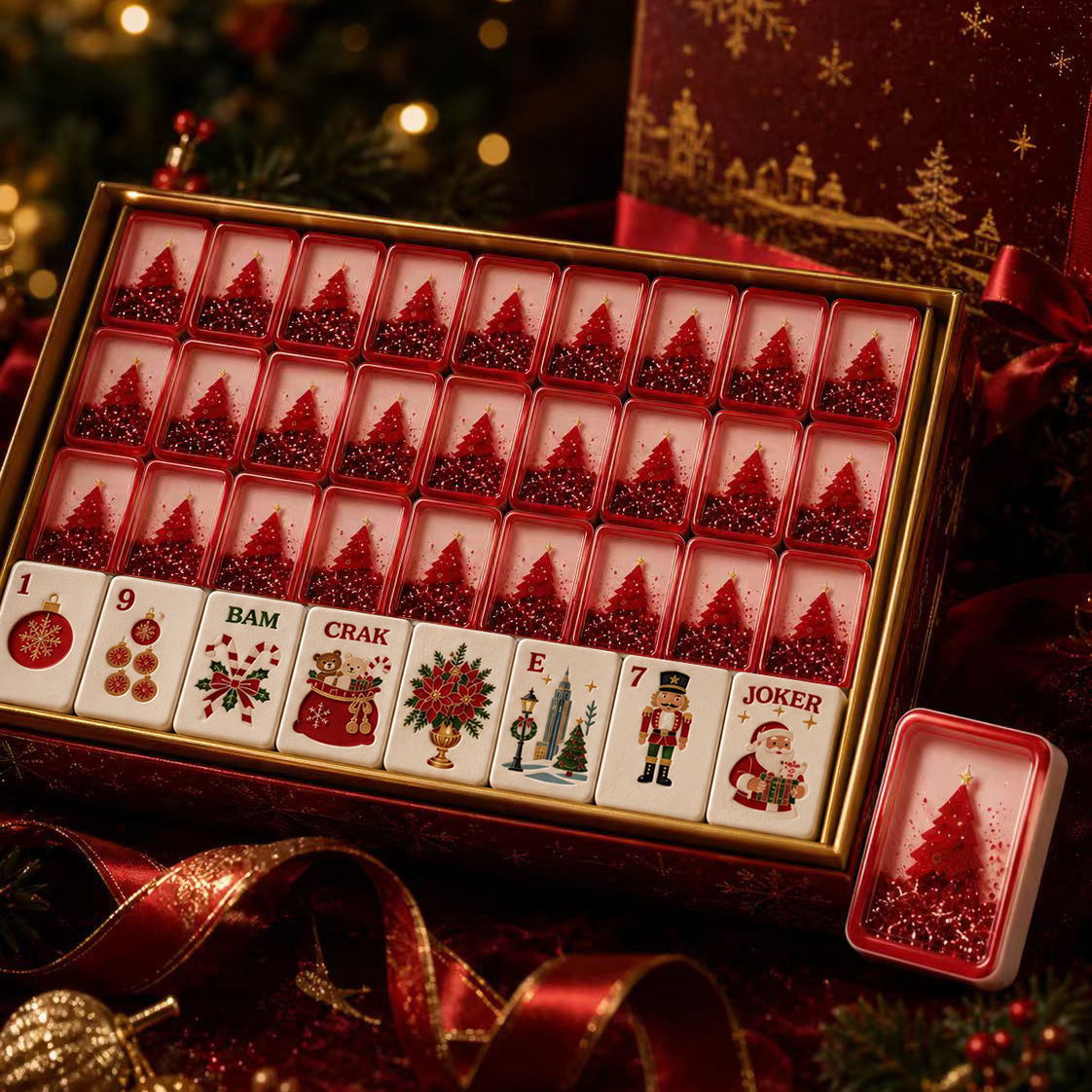
Classical Chinese mahjong terminology refers to the core vocabulary used across traditional and modern Chinese play—terms that differ significantly from American mahjong language. Key terms include pung (three identical tiles), kong (four identical tiles), chow (a sequence of three consecutive numbered tiles in one suit—legal in Chinese but forbidden in American mahjong), win (the completed hand), and tile descriptors like "honor" (wind, dragon) versus "suit" (Bam, Crak, Dot). Jokers in classical play act as wild substitutes, but rules for their use vary by regional variant. Chinese play emphasizes melds (exposed tile groups) and concealed (hand-only) combinations; American mahjong restricts which melds you can expose and what the current-year card permits. Learning these terms is essential if you play across variants or with international players. Whether you're studying Hong Kong rules or exploring how Chinese vocabulary maps onto your American game, exploring mahjong variants with glossary-aware players accelerates your fluency.
What are the four core melds in classical Chinese mahjong?
The four melds form the backbone of any hand. A pung is three identical tiles (e.g., three 5 Dots); a kong is four identical tiles (e.g., four East Winds); a chow is three consecutive numbered tiles in the same suit (e.g., 3-4-5 Bams)—this sequence is central to Chinese play but does not exist in American mahjong; and a pair is two identical tiles, required to complete your winning hand. American players often trip up here: in American mahjong, you may expose a pung or kong but never a chow. In classical Chinese play, exposed chows are standard. The pair is always hidden in both variants.

How do honors and suit tiles differ in Chinese terminology?
Honors are tiles that do not form sequences: Winds (North, East, South, West) and Dragons (Red, Green, White). Suit tiles are numbered 1–9 within three families: Bams (sticks), Craks (characters), and Dots (circles). Honors can only form pungs or kongs, never chows. Suit tiles alone can form chows (sequences). In classical Chinese play, a hand typically needs a balance of pungs or kongs from both honors and suits; the exact requirement depends on the ruleset (Hong Kong, Taiwanese, Riichi, etc.). American mahjong does not distinguish honors and suits the same way—instead, the National Mah Jongg League card dictates legal hand patterns each year, combining all tile types according to published hand lists.
What does "going out" or "winning" mean across variants?
Winning (or "going out," "mahjong," "tenpai," depending on dialect) means you have completed a legal hand. In classical Chinese play, a standard win requires four melds plus one pair, and you must draw or claim a discard tile that completes your hand. Concealed hands (all tiles drawn yourself, not claimed from discard) often score bonus points. In American mahjong, you must match the exact pattern shown on the current-year National Mah Jongg League card—no freestyle hands allowed. The card lists hundreds of legal combinations. Both systems reward specific patterns; Chinese play allows creative strategy, while American mahjong enforces card-based accuracy. Understanding your variant's winning criteria before you play prevents costly errors mid-game.
How do jokers function in classical Chinese versus American rules?
In classical Chinese mahjong, a joker (or "wild" tile) substitutes for any tile you need to complete a meld—typically one or two jokers per set, depending on house rules. Once placed, a joker is locked; you cannot remove and replace it. Jokers are not a tile suit; they're tools. In American mahjong, the standard set includes eight jokers, and they function as wild substitutes only in pungs, kongs, quints, or sextets—never in pairs or as single tiles. Jokers make up roughly 5% of the standard 160-tile set Mahstead provides; they're critical for flexibility when drawing the last tiles of a game. The rule "jokers cannot form a pair or stand alone" is unique to American play and often surprises newcomers. Both systems restrict where jokers land; clarify your table's joker rules before the first draw.
What regional variants use these classical terms?
Variant | Core Rules | Joker Use | Chow Legal? | Scoring Focus |
Hong Kong | Pungs + kongs + chows + pair | 1–2 max, locked | Yes | Melds & concealment bonuses |
Taiwanese | Similar to Hong Kong; 16-tile hand | Varies | Yes | Speed & tile efficiency |
Riichi | Japanese formal ruleset; draw-only wins | Often 0–4 | No (sequences banned) | Betting rounds & wait patterns |
American | Card-based patterns only | 8 jokers per set | No | Exact NMJL card match + scoring multipliers |
Each variant preserves classical terminology but applies it differently. Taiwanese players speak of "waiting on a chow"—a concept meaningless in American play. Riichi players use tenpai (one tile away from win) as core strategy language. When you sit with players from different regions, knowing these terms clarifies what is and isn't possible under each system.
What do "seat wind" and "seat position" mean in play?
Your seat wind is your temporary role in the hand: East, South, West, or North. East is the dealer and typically plays first; the wind rotates after each hand. Your seat wind determines which hand tile you claim first and affects which tiles you can access during the Charleston (in American mahjong) or initial draw (in Chinese play). The prevailing wind is the wind of the current round (e.g., "East wind round"); many scoring systems award bonus points if your seat wind matches the prevailing wind. American players often ignore this language but should note it when playing with international groups. Your seat wind is not permanent—it changes each hand, cycling clockwise or counterclockwise depending on house rules and whether East retains the position after winning.
🀄 Shop best-selling mahjong sets →

When do you discard, and what does "dead" mean?
After drawing a tile, you discard one tile (from your hand of 14; you keep 13). Discards are placed face-up in the center, forming the discard pile. Once a tile is discarded, it is "dead"—other players may claim it for a pung, kong, or chow (if rules allow), or it remains unclaimed and is out of play until the round ends. A live tile is one still in your hand or the draw wall. In American mahjong, you discard into a row of organized spaces so all players track which tiles have left play. In classical Chinese variants, the discard pile is less formal but equally tracked. Mistakes here are common: discarding a needed tile, or forgetting which tiles are dead, leads to poor strategy. Always scan the discard pile before picking your discard tile; it tells you what your opponents need and what to protect.
How does "robbing the kong" work in classical play?
Robbing the kong (or "kong robbery") occurs when a player melds a kong (declaring four identical tiles), and you claim the tile they just drew from the wall to complete your hand, instead of letting them keep that tile. This is a high-risk, high-reward move: you interrupt their turn and win immediately, but if your claim is illegal, you may face penalties depending on house rules. Not all classical variants permit kong robbery; Riichi play, for example, has strict rules limiting when it's allowed. American mahjong does not have this concept—you cannot interrupt another player's turn to claim a tile unless they discard. Understanding whether kong robbery is live at your table before you play prevents disputes and unexpected losses. Ask your host or scorekeeper at the start of the game.
What is meant by "self-drawn" or "natural" in scoring?
A self-drawn (or "natural") win means you drew the winning tile directly from the wall, rather than claiming an opponent's discard. In classical Chinese variants, self-drawn wins often score double or triple points compared to claiming a discard. This rewards efficient play and hand concealment. In American mahjong, the scoring card specifies whether a hand is playable as self-drawn or from discard; some hands require one method or the other. Tracking whether your win is self-drawn versus claimed is essential for final scoring. Always confirm with your scorer before you announce your hand; a misclassified self-drawn win can shift the entire settlement. Many newer players forget to announce this distinction, costing themselves points.
🎁 See our most-loved mahjong sets & accessories →
What to check before you buy or sit down at a new game
Ask the host which variant and rule set they use (American, Hong Kong, Taiwanese, Riichi, house rules?). Classical Chinese terminology applies to all, but rules differ drastically.
Clarify joker, kong-robbery, and wild-tile rules before the first hand begins. Write them down if the host allows.
Learn the current year's National Mah Jongg League card if playing American mahjong; no card, no play.
Confirm whether chows are legal at your table (forbidden in American play, standard in most Chinese variants).
Verify scoring multipliers for self-drawn wins, concealment, and seat wind bonuses; they vary widely.
Check tile condition and set completeness before buying or borrowing: a standard set has 152 playing tiles plus spare jokers, and should include clear mahjong racks with pushers to organize your hand and signal when you're ready to play.
Why classical terminology matters for your game today
Mastering classical Chinese mahjong terms opens three doors: first, you can play across variants without confusion; second, you understand the strategic vocabulary international players use, deepening collaboration; third, you appreciate why American mahjong evolved its own rules and language. The four melds, honors versus suits, seat winds, and joker rules are not arbitrary—they reflect centuries of play refinement. Whether you're hosting weekly games or traveling to play abroad, glossary fluency prevents costly miscommunication and speeds decision-making. Many clubs and online groups mix players from different traditions; knowing these terms earns respect and signals serious play. Start by memorizing pung, kong, chow, pair, and honor; those five unlock understanding of nearly every conversation you'll overhear.
✨ Find your Mahstead set — free US shipping →

FAQ
What's the difference between a pung and a kong?
A pung is three identical tiles; a kong is four identical tiles. Both are valid melds in all variants. A pung scores fewer points than a kong in most classical play, but scoring depends on your house ruleset.
Can I use a joker in a pair?
In American mahjong, no—jokers cannot form pairs or stand alone. In classical Chinese play, house rules vary; ask your host before you assume jokers are legal in pairs.
Is a chow legal in American mahjong?
No. American mahjong permits only pungs, kongs, quints, sextets, and pairs—never sequences (chows). Chows are central to classical Chinese, Hong Kong, Taiwanese, and Riichi play.
What does "tenpai" mean?
Tenpai (Japanese: "one away from win") means you have 13 tiles and need only one more tile to complete your hand. The term is common in Riichi and Asian play; American players typically say "waiting" or "one away."
How do I know my seat wind?
The host assigns you a seat position (East, South, West, North) at the start of each hand. Your seat wind changes each hand, rotating clockwise or counterclockwise by house rule.
Can I rob a kong in American mahjong?
No. Kong robbery is a classical Chinese concept not used in American mahjong. American rules do not permit interrupting another player's turn except for standard claiming of discards.


View More
View More
View More
