
Best Mahjong Tote: A Buyer's Guide for Travel & Storage
Last updated: Nov 23, 2026
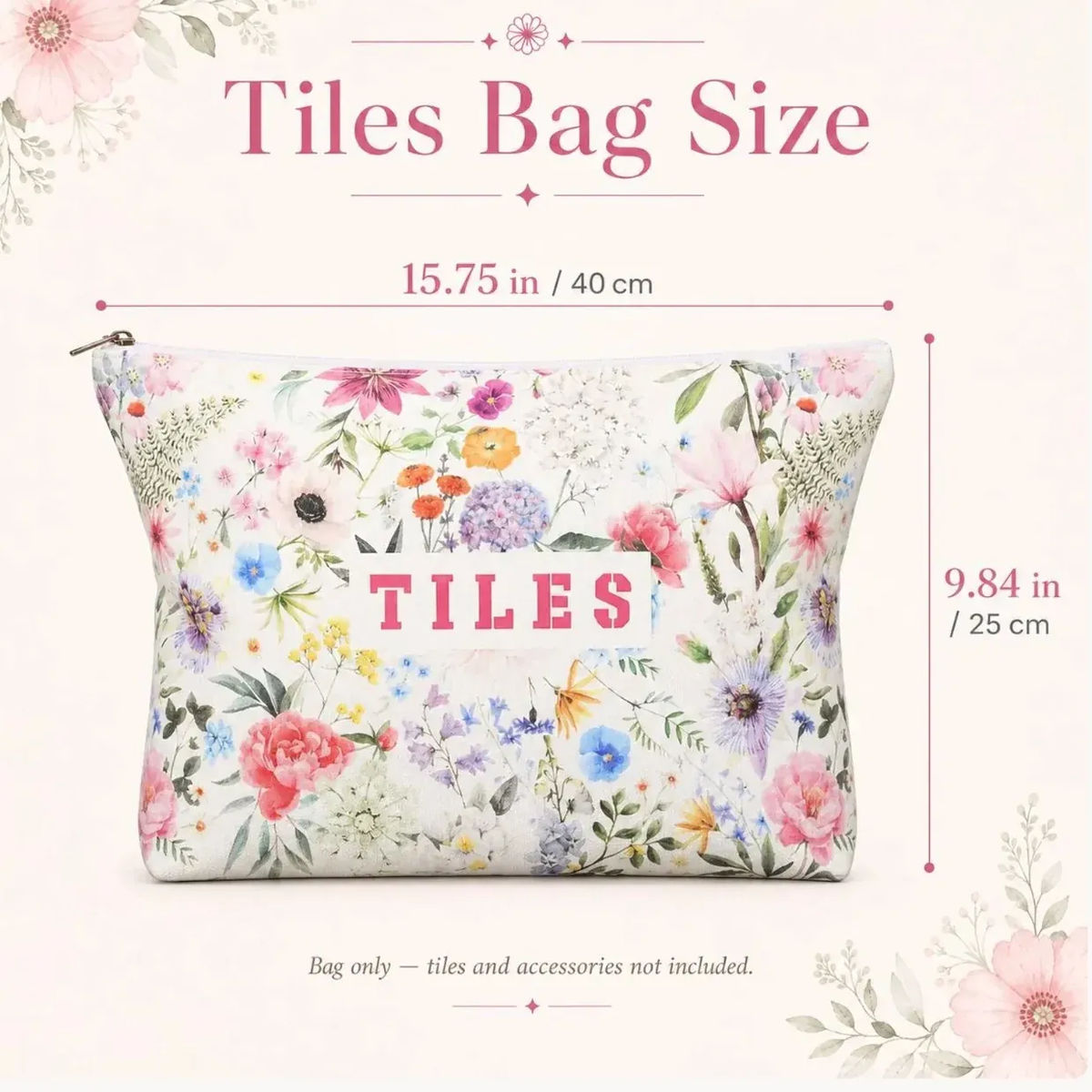
A mahjong tote is a reinforced bag designed to hold a complete 160-tile American mahjong set, often alongside a mat, racks and pushers. Totes come in structured styles with interior dividers, soft canvas carriers, and hard cases—each suited to different play patterns and travel frequency. Mahstead offers totes and cases in our travel-bag collection, ranging from everyday canvas to premium woven designs. Most totes weigh 2–4 pounds empty and fit comfortably in a car trunk, closet or under a table. Cost depends on material (canvas vs. reinforced jacquard) and compartment complexity; see current price on the product page. Avoid overstuffing or storing in damp basements—tiles and racks stay best in climate-controlled spaces. If you host weekly games at the same table, a soft bag works fine; if you travel to clubs or friends' homes monthly, invest in a structured case with handle reinforcement.
A mahjong tote is more than a decorative carry-bag—it's the difference between arriving at game night with organized tiles and arriving with bent pushers and a missing joker. We've been hosting weekly games for years, and the single biggest mistake we see new players make is buying a generic tote and expecting it to handle the weight and compartmentalization of a full American mahjong set. The right tote depends on three things: how often you move your set, what else you're carrying with it, and whether you want your bag to spark conversation at the table.
🀄 Shop best-selling mahjong sets →
What's the difference between a mahjong tote and a regular bag?
A regular tote isn't built for the specific shape and weight of a mahjong set. Our mahjong-specific totes have reinforced stitching, water-resistant fabric, and often interior slots or padding designed to cradle a 160-tile set without tiles sliding. A 160-tile acrylic set weighs roughly 6–8 pounds; add a bamboo mat (another 2–3 pounds) and racks, and you're carrying 10+ pounds in a confined space. Generic totes lack the structural support and interior organization—tiles can crack, pushers bend, and the bag itself wears out faster.

Should you buy a soft canvas tote or a hard case?
Soft canvas tote: Best if you play weekly at a consistent venue and store your set at home between games. Canvas is lighter, folds flat for storage, and costs less. Look for reinforced handles and a stabilizing base board to prevent sagging. Ideal for players aged 40–70+ who host rotating games in the same living room or community center.
Hard case: Choose this if you travel monthly to different clubs, tournaments or friends' homes, or if you play outdoors. Hard cases protect tiles from pressure, crush, and weather. They're heavier and less flexible, but last years longer and give peace of mind on airplane trips or car rides over rough roads. Worth it for competitive or mobile players.
Comparison:
Tote Type | Best For | Weight | Durability | Space | Typical Use |
Soft canvas | Weekly home games | 1–2 lbs | 2–3 years | Compact | Apartment, car trunk |
Structured jacquard | Bi-weekly local travel | 2–3 lbs | 4–5 years | Medium | Small trunk, closet |
Hard case | Monthly+ regional play | 4–5 lbs | 7+ years | Larger footprint | Frequent moves, outdoor |
Canvas with dividers | Casual + organization-minded | 2–2.5 lbs | 3–4 years | Medium | Home + occasional travel |
🎁 See our most-loved mahjong sets & accessories →
How much space do you actually need inside the tote?
Your tote must fit: a 160-tile set (the tiles themselves take up roughly 9" × 6" × 4"), a mat (if you roll it, about 24" × 2" × 2"), two sets of racks with pushers (roughly 8" × 3" each), and ideally the current year's National Mah Jongg League card. Interior dimensions of at least 12" × 8" × 6" work for a set and racks; add 4 more inches of length if you're storing a rolled mat inside the same bag. If your tote is too snug, tiles and racks get compressed during transport and can warp or crack. A well-designed interior will have either a padded base or separate compartments—check photos carefully before ordering.
What material and colors signal quality and durability?
Canvas and cotton-poly blends work well and age gracefully; 100% acrylic or nylon resists water but can feel plasticky. Look for reinforced seams (a sign they're sewn twice or more), heavy-duty zippers that won't jam under weight, and handles rated for at least 15 pounds. Colors matter less than finish—matte canvas hides stains; glossy finishes photograph well but show scuffs faster. Darker colors (navy, forest green, charcoal) last visually longer than bright or white. Mahstead's travel-bag collection includes designs in both classic and playful prints that won't date in a few seasons. Avoid totes with decorative but non-functional pockets that waste space.

What makes a good handle and base design?
Handles are the first thing to fail on a mahjong tote. You need:
Width: 1.5–2 inches across, not thin straps that dig into your hands
Reinforcement: Double or triple stitching where the handle attaches to the bag body
Padding: An optional cotton or foam strip under the top handle reduces hand fatigue
Base board: A thin plywood or cardboard insert keeps the tote rigid and prevents the bottom from sagging under weight
If the handle attachment is a single seam or the base feels limp when empty, skip that tote. A good base board costs the maker a dollar but adds years to the bag's life. Check product photos for visible base construction or ask whether the tote includes one.
✨ Find your Mahstead set — free US shipping →
How do you choose between themed and plain totes?
A themed or engraved tote makes a statement at the table and becomes a conversation starter. If you're confident in your mahjong identity and host games where personality matters, a printed or embroidered design (mahjong symbols, funny sayings, seasonal motifs) is a real upgrade. If you play in formal tournaments or prefer neutral aesthetics, a solid color tote in navy or charcoal blends in. Mahstead offers both—check the travel-bag collection and our custom engraved sets if you're building a matching personal set. Themed totes don't sacrifice function for looks; they're just as durable as plain ones.
What to Check Before You Buy
Interior dimensions: Measure your set's box or case. Ensure the tote is at least 2 inches taller and 1 inch deeper than your set.
Handle stitching: Look at photos of the handle seams. Are there two or three parallel stitch lines?
Base construction: Ask the seller if the tote has an interior base board or if the bottom is soft.
Zipper quality: A heavy-duty metal zipper is worth the extra cost; plastic zippers jam and split.
Weight limit: Check that the handle stitching is rated for at least 15 pounds (your full set plus mat plus racks).
Return policy: Make sure you can return or exchange if the interior is smaller than advertised.

FAQ
Can I fit a mat inside a mahjong tote if it's not rolled?
A folded mat takes up more space than a rolled one. If your mat is folded into thirds, it adds roughly 8" × 8" of surface area. Most medium totes can fit one folded mat plus a set, but confirm interior dimensions first.
Do I need a separate bag for my racks and pushers?
No. Racks nest inside each other when stored; you can bundle them with heavy rubber bands or small velcro straps. A well-designed mahjong tote has a dedicated compartment or enough room to lay them flat alongside the set.
Should I store my mahjong set in the tote all the time, or just for travel?
If you play weekly at home, store your set in the tote between games—it keeps tiles, racks, and the mat together and dust-free. If you play once a month, remove the tiles from the tote and store them in a climate-controlled closet to prevent warping from humidity changes inside the bag.
Is a hard case worth buying if I only travel twice a year?
Twice-yearly travel on airplane or car trips over long distances justifies a hard case. Hard cases protect against pressure, punctures, and temperature swings. If you only move your bag within your local area or stay in the car, a soft tote is sufficient.
How do I clean a mahjong tote?
For canvas: vacuum the interior, then wipe with a dry microfiber cloth. For stubborn stains, use a slightly damp cloth with mild soap and air-dry completely. For hard cases: warm soapy water and a soft brush; avoid harsh chemicals that crack plastic seams.
Can I use a wine tote or beach tote for my mahjong set?
Not reliably. Wine totes are often too narrow (suited to bottle shapes), and beach totes lack padding and structural support. The weight of a full set will stress generic handles within a year or two. A mahjong-specific tote is worth the modest difference in cost.
Do Mahstead totes come with a guarantee?
See current pricing and terms on the product page at our travel-bag collection. All Mahstead products ship free across the US.


View More
View More
View More
