
Cheap vs Expensive Mahjong Racks: What to Buy in 2026
Last updated: Nov 23, 2026
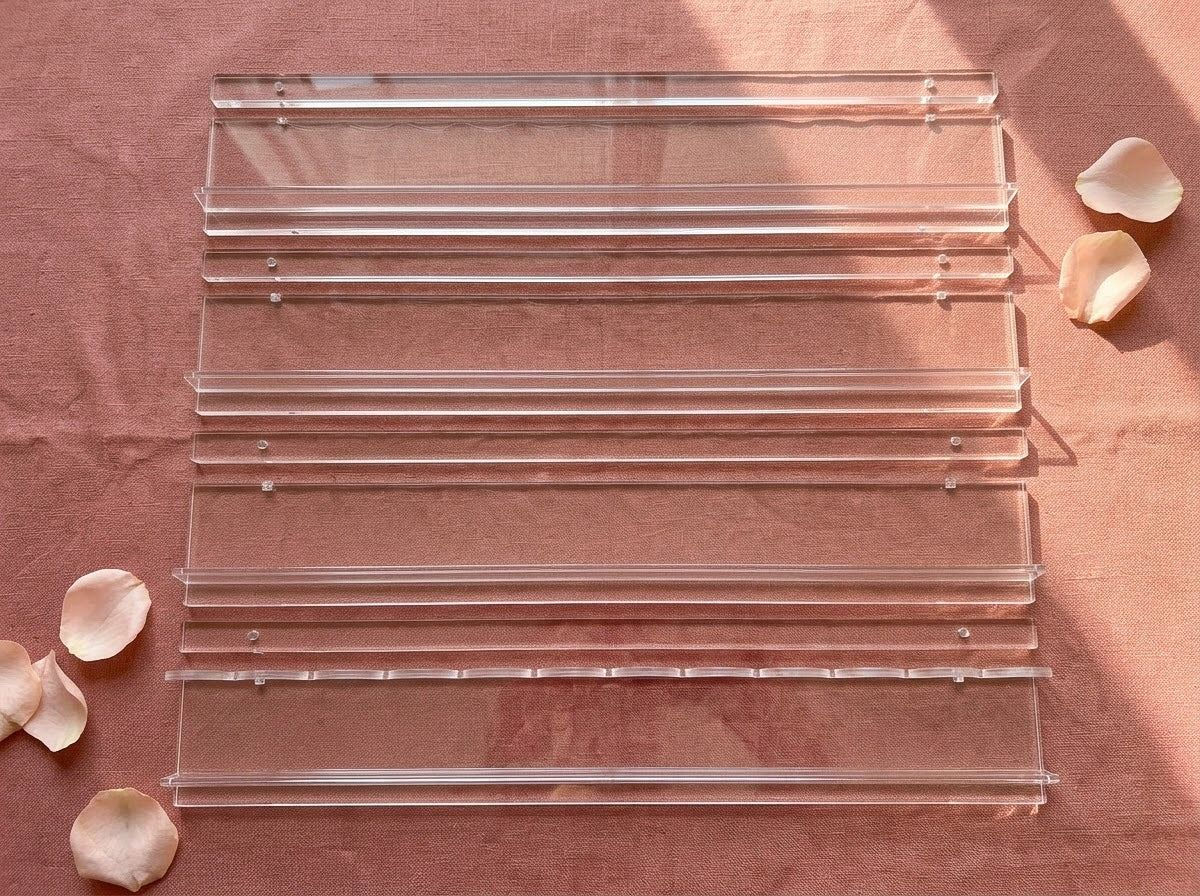
A mahjong rack is a tilted stand that holds 13 or 14 tiles at an angle, keeping your hand concealed and organized during play. Budget racks (often bamboo or simple plastic) work fine for occasional players and cost less upfront; they hold tiles adequately but may warp or rattle over months of weekly play. Premium racks (acrylic or wood with integrated pushers) offer smoother tile movement, quieter play, better angle stability, and last years longer. Your choice depends on hosting frequency: casual monthly games tolerate budget racks, but weekly players who value precision and respect for table neighbors invest in quality. Mahstead offers mahjong racks with integrated pushers in acrylic and wood, designed to pair with matched tile sets and mats for a cohesive hosting setup. 🎁 See our most-loved mahjong sets & accessories →
Why does a mahjong rack matter if you're already learning the game?
A rack keeps your 13 tiles hidden from other players and organizes them so you can spot your hand without fumbling. Early players often hold tiles in their hands or lean them against a cup, which slows down play, invites accidents, and signals tells—other players watch where your eyes go. A proper rack lets you study your tiles in silence, decide your move, and then place or discard decisively. Within weeks of using one, you'll notice how much faster and quieter the table becomes, which makes games more enjoyable for everyone.

What's the real difference between budget and premium racks?
Budget racks are typically bamboo slats or hollow plastic frames that sit at a fixed angle. They hold tiles but offer little friction control—tiles can slide or clatter when you adjust them, especially as you build melds throughout the hand. Premium racks (acrylic with a felt-lined base, or quality wood) include pushers, angle-adjustable design, or rubberized contact points that grip tiles so they don't shift. Over a season of weekly play, budget racks warp from humidity or repeated adjustments; premium racks maintain their angle and feel. The difference is most noticeable when hosting: your guests will feel the quality underhand, and a silent, smooth table signals respect and professionalism.
Who should buy a budget rack, and who should invest more?
Player Profile | Rack Type | Best If | Trade-off |
Learns once a month | Budget bamboo/plastic | Cost is the priority | Tiles rattle, warp risk, reshuffles messy |
Hosts weekly games | Premium acrylic or wood | Consistency & comfort matter | Higher upfront investment pays off over 2+ years |
Tournament or serious group | Premium with pushers | Precision, durability, smooth play | Requires care; not portable for casual play |
Travels for games | Lightweight plastic | Portability first | Sacrifices durability and feel |
Budget racks suit learners and monthly casual players who value low cost and don't mind slight imperfections. Premium racks are for hosts and weekly players who want their table to feel intentional and smooth, and who understand that tiles sliding or cracking disrupts flow. If you're already buying a matched set of acrylic tiles and a mat, spending on matched racks with pushers completes the picture and justifies the investment.
🀄 Shop best-selling mahjong sets →
How do you know if a rack will last through your hosting season?
Test these before you buy: Can you adjust the angle without forcing it? Does the base sit flat and not rock? Are joints or seams glued, riveted, or prone to separation? Does the material feel fragile (thin plastic) or substantial (acrylic, hardwood)? Check online photos or ask for detail shots of the underside. Budget racks often show loose screws, visible gaps, or plastic that flexes too easily. Premium racks from Mahstead are designed with the same durability in mind as our tiles and mats—they're meant to live on your table weekly without fading, cracking, or losing grip. If you're ordering racks, ask the maker: Are they hand-finished? Do they ship with felt pads or protective edges? How is the pusher mechanism secured? Honest answers signal confidence.
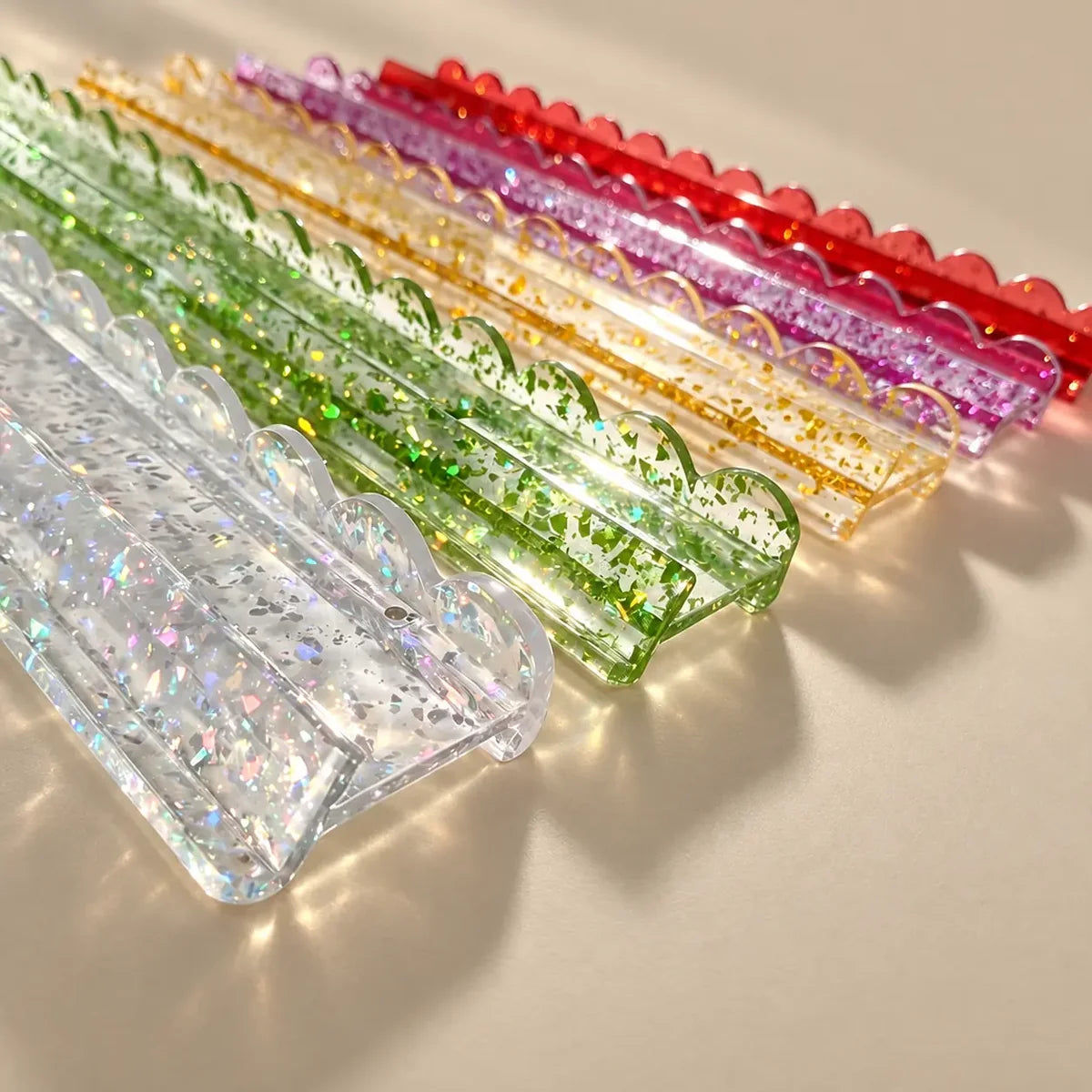
What should you check before ordering racks for your group?
Before committing, verify: Compatibility. Will the racks fit your tile dimensions? American mahjong tiles come in standard sizes, but acrylic and bamboo racks have slightly different internal widths. Set count. Do you need exactly four racks for a game, or spares for new players? Shipping & packaging. Racks travel easily but can crack during transit if not well-padded. Mahstead ships racks with protective wrapping to avoid damage. Angle preference. Some players prefer a steep angle for fast tile reading; others like shallow. Ask experienced players at your table which feels best to them, then match that angle. Pusher style. Integrated pushers (metal or acrylic rods) offer smooth, quiet adjustment; external pushers can slip and annoy neighbors. Maintenance. Acrylic racks wipe clean with a dry cloth; bamboo can stain and absorb odor over time. Wood racks require occasional light oiling to maintain finish. Budget racks often skip these details—premium ones list them upfront because hosts care.
✨ Find your Mahstead set — free US shipping →
Is it worth upgrading if you already have basic racks?
If your current racks work and you play once a month, no—save your money. If you host weekly and notice tiles sliding, guests complaining about noise, or racks warping, yes. A single replacement rack costs less than replacing the entire set when your old ones fail, and the quality difference will be immediately obvious to your table. Serious hosts view matched racks, tiles, and mats as a cohesive investment: each piece supports the others. When your tiles are engraved and your mat is custom, your racks should match that intentionality. Browse our collection of premium racks with pushers to see the range—many include photos showing angle, pusher mechanism, and size alongside tiles for context.
What to Check Before You Buy
Tile fit: Ask the maker for internal width measurements and compare to your tile thickness.
Angle stability: Look for a wide, rubberized base that doesn't rock on a flat table.
Pusher quality: Confirm it's metal or hard acrylic, not flimsy plastic, and moves smoothly.
Finish & seams: No visible gaps, loose parts, or sharp edges; joints should be reinforced.
Shipping protection: Confirm racks arrive with padding—damage in transit wastes money and time.
Review from active hosts: If available, prioritize makers with feedback from weekly-play groups, not casual reviewers.
Choosing between cheap and expensive mahjong racks comes down to hosting frequency and your table's standards. Budget racks work for learners and casual monthly games; premium racks pay for themselves within a season of weekly play through durability, feel, and the respect they signal to your guests. When you're ready to build your full hosting setup—tiles, mat, racks, pushers—invest in pieces that work together. A matched set from Mahstead ensures your table feels polished and lasts, and we ship free across the US so you can start hosting immediately.
FAQ
Can I use a cheap rack for serious weekly play?
Temporarily, yes—but budget racks warp and rattle within months of heavy use. Weekly players notice loose tiles and slow play within 4–6 weeks and typically upgrade to avoid frustration and disrupting table etiquette.
What's the difference between racks with and without pushers?
Pushers are small rods that let you move tiles smoothly and quietly. Without pushers, you slide tiles by hand, which creates noise and can dislodge others. Pushers are essential for serious hosts; casual players can manage without them.
Do expensive racks actually hold tiles better?
Yes—premium racks have rubberized or felt-lined grips that prevent tiles from sliding when you reach for them. Budget racks rely on friction alone, so tiles shift more, especially after humidity changes or repeated adjustment throughout a hand.
Will a budget rack work with expensive tiles?
Technically, yes—but it looks mismatched and feel cheap by contrast. If you're investing in engraved acrylic tiles, a budget rack undermines that. Most hosts pair quality tiles with quality racks for a cohesive, intentional table.
How many racks do I need?
Four (one per player) for a standard game. Many hosts buy a spare or two for new players or replacements if damage occurs. When ordering, ask if you need extras for your group size.
Can I repair a warped or cracked rack?
Bamboo and plastic cracks rarely repair well—replacement is usually cheaper and safer. Wood racks can sometimes be refinished or reinforced, but it's labor-intensive. Budget early for replacements rather than hoping to fix them later.
Do racks need cleaning or maintenance?
Acrylic racks wipe clean with a dry cloth. Bamboo can stain and absorb odor; wood may benefit from occasional light oiling. Budget racks often skip finish details, so they stain and deteriorate faster—another reason to upgrade if you host regularly.
Will a rack from one maker fit tiles from another?
Usually yes, because American mahjong tiles are standardized size. However, tile thickness varies slightly by material (acrylic vs. bone/bamboo). Always measure or ask the maker before ordering; misfit racks slide or jam uncomfortably.


View More
View More
View More
