
Chinoiserie Mahjong Travel Set: What to Choose Before You Go
Last updated: Nov 23, 2026
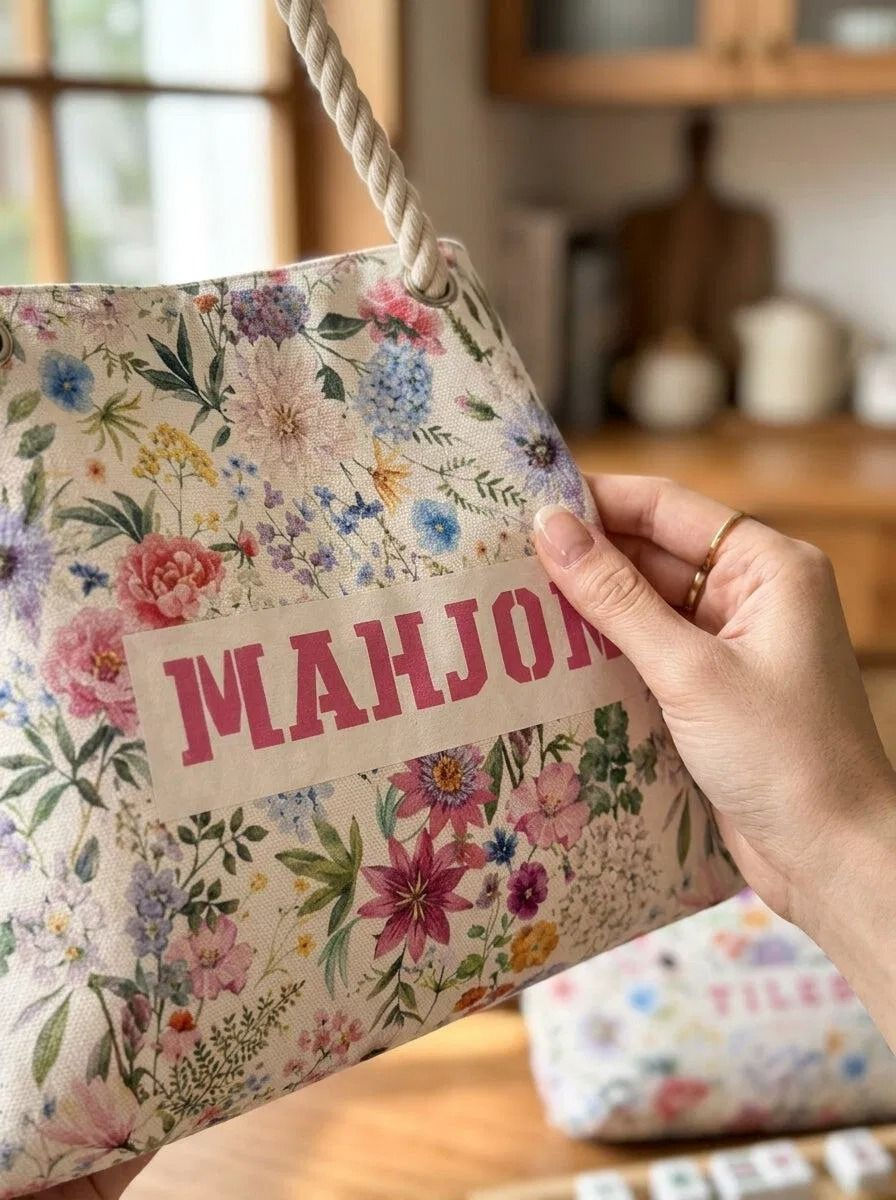
A chinoiserie mahjong travel set pairs decorative East Asian design motifs with a protective carrying case sized for 160-tile American sets (152 playing tiles plus spares). Most cases hold a full set, score sheet, and dice; acrylic tile travel sets weigh 3–5 pounds and fit in luggage or a car trunk. Quality varies: soft fabric cases ($, based on Mahstead's travel collection) protect tiles from dust but require extra padding; hard-shell cases cost more but absorb shocks during transport. Choose based on how often you travel and whether you'll pack loose tiles or a complete set. Avoid undersized cases that force tiles into cramped spaces—they crack acrylic tiles over time. Mahstead's travel-ready sets and cases include options with engraved designs and durable closures. 🎁 See our most-loved mahjong sets & accessories →
What Makes Chinoiserie Aesthetics Stand Out in a Travel Set?
Chinoiserie design borrows from East Asian art traditions—pagodas, cranes, plum blossoms, bamboo—and marries them with Western craftsmanship. On a travel set, these motifs appear on the case exterior or tile artwork, creating a visual identity that sets your set apart at the table. Unlike plain plastic cases, engraved or printed chinoiserie designs signal you care about the craft. The aesthetic doesn't affect gameplay but does affect how you feel playing—many of us host games in unfamiliar spaces (vacations, friend's homes, retreats), and a beautiful case sets a ceremonial tone. Choose designs that resonate with you personally; you'll pack that set more often, not less.

Should You Buy a Soft Case or Hard Shell for Tiles?
Soft cases (fabric exteriors, foam-padded interiors) cost less and pack flat; they're ideal if you travel quarterly and don't subject your set to rough handling. Hard shells (rigid plastic or molded frames) cost more but protect acrylic tiles from drops, pressure, and moisture during air travel or car storage. The trade-off is weight and bulk—a hard case adds 1–2 pounds. If your set lives in a car trunk or hotel closet, soft is fine. If it flies with you or travels rough, invest in hard. Most players land in the middle: a soft case with reinforced corners and a foam tile organizer inside. Check the case dimensions before ordering—American 160-tile sets require roughly 12" × 10" × 4" of interior space, and cramped cases force tiles together, stressing hinges and edges.
What Size and Weight Should You Target?
American mahjong sets with 160 tiles and a full mat weigh 5–8 pounds total; a travel-focused version (set + case, no mat) weighs 4–6 pounds. Portable means it fits under an airplane seat or in a checked bag without strain—if you can't comfortably carry it one-handed for 50 yards, it's too heavy for real travel. The ideal travel case measures under 14" × 12" × 5" and includes a handle or shoulder strap. If you'll also transport a mahjong mat, add 2–3 pounds and plan a larger bag. For weekend trips, skip the mat; your hosts likely have a table. For extended stays or tournaments, pack both and rent a small rolling luggage.
Comparison: Three Travel Set Archetypes
Archetype | Who It's For | Interior Design | Best Case Type | Typical Weight |
Compact Solo | Solo player, quarterly trips | Tiles only; no mat or racks | Soft case w/ foam insert | 3–4 lb |
Social Pair | Two players traveling together | One set + dice + pads | Hard shell w/ compartments | 5–6 lb |
Full Retreat Kit | Multi-day hosted events | Set + mat + racks + score sheets | Roller or large duffel | 12–15 lb |
Weight based on Mahstead acrylic tile sets and standard American 160-tile configuration.
If you're uncertain whether you'll travel frequently, start with a compact soft case; you can always upgrade to hard shell later. Most players find they use their travel set 2–4 times yearly, so durability matters more than initial cost.
How Do Engraved vs. Printed Chinoiserie Designs Hold Up?
Engraved designs (carved into the case surface) never fade and are harder to damage; they're ideal for multi-year travel. Printed designs (ink applied to the exterior) are cheaper initially but can scratch or peel if your case rubs against other luggage. Mahstead's engraved mahjong titles collection offers customized cases and sets with durable designs; the engraving adds a premium feel without compromising durability. If you choose printed chinoiserie, inspect the design quality before ordering—cheap printing bubbles under heat or humidity. Ask whether the design is UV-sealed; if yes, it'll resist fading during sunny car rides or beach trips.

What Should You Check Before You Buy?
Interior dimensions: Measure your tiles (most American acrylic sets are 1.5" × 1.5" × 1") and verify the case interior depth—cramped tile stacks bend or crack edges.
Handle and strap: Does the case have a padded carry handle or shoulder strap? A flimsy handle breaks after 3–4 trips.
Dividers and organization: Does the case separate tiles by suit or include a pouch for jokers and dice? Poor organization wastes time shuffling tiles before a game.
Closure type: Zippers are most common; avoid velcro-only closures, which weaken after 10–15 trips. Test the zipper on arrival—a stuck zipper ruins your first game.
Material: Acrylic tiles need soft foam or felt padding inside; hard plastic or thin nylon interiors can scratch tiles over time. Canvas or heavy polyester exteriors outlast thin nylon.
Case weight empty: If the case itself weighs over 2 pounds, you're paying for excess durability you may not need, or poor design—compare options before deciding.
Warranty or return policy: Check whether the seller offers a return window if the case arrives damaged or tiles don't fit. Mahstead includes care guidance with each set.
🀄 Shop best-selling mahjong sets →
Real-World Packing Tips for Chinoiserie Travel Sets
We've shipped sets to four-day mahjong retreats, car trips across three states, and family vacations. Here's what actually works: pack tiles in a ziplock bag inside the case to protect against humidity and spills. If traveling by air, place the case in a larger checked bag with clothing as cushioning around it—direct pressure from other luggage will crack tiles. Store dice and card in a small pouch so they don't rattle loose. Take a photo of your packed set before travel; if damage occurs, the image helps with claims. On arrival, open the case immediately to let tiles acclimate to local temperature and humidity—sealed tiles can warp if moved from cold to hot climates too quickly. Allow 30 minutes before playing.
✨ Find your Mahstead set — free US shipping →
Why Chinoiserie Design Deepens the Mahjong Experience
Mahjong carries centuries of cultural weight; chinoiserie aesthetics honor that heritage while making it portable and accessible to Western players. When you unpack a beautifully cased set, the ritual shifts the table tone from casual to ceremonial—even for a weekday game with friends. The design becomes a conversation starter and a visual anchor for your game sessions. Players report feeling more focused and respectful when tiles emerge from a thoughtful, artful case. If you're serious about hosting or traveling with your set, the aesthetic investment pays in enjoyment. If you play casually once or twice a year, a plain hard case is fine; beauty is secondary to function. Know yourself, and choose accordingly.
✨ Find your Mahstead set — free US shipping →
Pairing Your Travel Set with a Portable Mat (Optional)
If you're hosting a game during travel, a compact mahjong mat transforms any table into a proper playing surface. Portable mats fold to 12" × 12" and weigh under 2 pounds; combined with a travel case, your entire kit fits in a carry-on or day pack. A mat prevents tiles from sliding and defines the four player positions, so guests immediately understand the layout. If your travel set includes a mat, pack it flat between cardboard sheets inside a separate slim bag to avoid creases. Without a mat, you can play on any flat surface, but tile management is harder—especially for beginners who benefit from the visual structure. For solo players or experienced groups, skip the mat. For teaching or formal travel games, pack it.
#

FAQ
Can I fit a mahjong mat inside a travel case with tiles?
Most travel cases are too shallow. Pack the mat separately in a flat bag or roll it inside a large checked suitcase. A few oversized hard cases include mat compartments—check product photos before ordering.
What's the weight difference between acrylic and bone tile sets for travel?
Acrylic tile sets (American standard) weigh 4–6 pounds with case. Bone or wooden sets weigh 8–12 pounds and are fragile under pressure, so they require oversized hard cases and extra padding—less practical for frequent travel.
Do I need a specific case size for a 160-tile American set?
Yes. American 160-tile sets require roughly 12" × 10" × 4" interior minimum. Check the product dimensions before ordering; undersized cases compress tiles and crack acrylic edges.
How often should I replace a travel case?
Soft cases last 3–5 years with quarterly use; hard cases last 8–10+ years. Replace if the interior padding compresses, the handle tears, or the zipper sticks permanently open.
Can I travel with a mahjong set via airplane in carry-on luggage?
Yes. TSA allows acrylic mahjong sets in carry-on or checked bags. Hard cases survive baggage handling better; soft cases work if you pack them in a roller bag with cushioning.
Are engraved travel cases worth the extra cost?
Yes, if you travel 3+ times yearly. Engraved designs never fade, look professional, and justify the premium over 5+ years of use. For occasional travel, a printed soft case is fine.


View More
View More
View More
