
Chinoiserie Mahjong Travel Bag: Choose the Right Carry for Your Set
Last updated: Nov 23, 2026
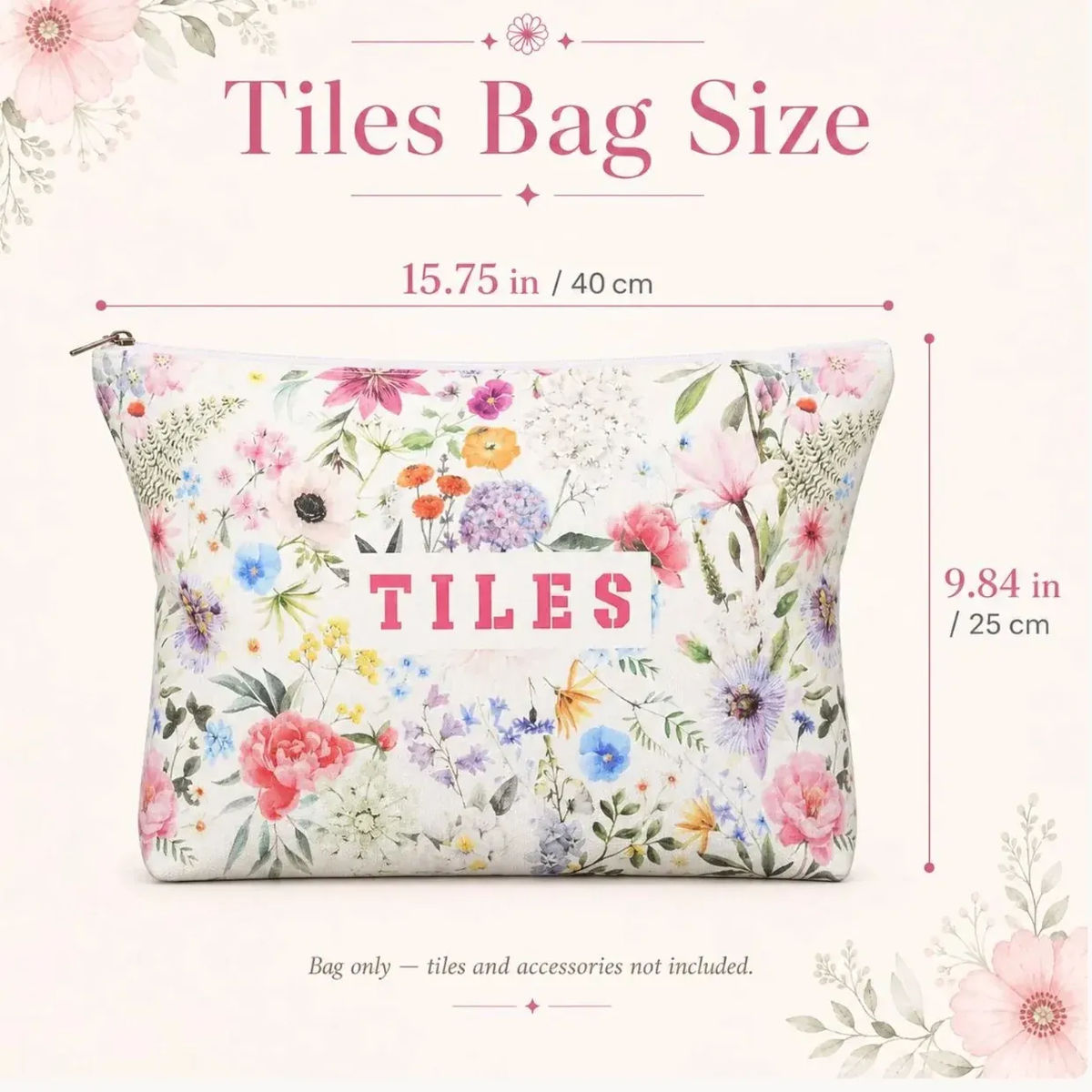
A chinoiserie mahjong travel bag is a patterned, often embroidered or printed carrying case inspired by 18th- and 19th-century European interpretations of Asian art—pagodas, cranes, chrysanthemums, gardens. These bags hold a complete 160-tile set, mat, and racks while protecting tiles from wear and moisture during transport to tournaments, friends' homes, or casual games. Sizes typically range from 12 to 16 inches across. Chinoiserie designs appeal to players who want cultural flair beyond plain canvas, though construction quality (stitching, interior padding, zip durability) matters more than aesthetics alone. At Mahstead, we stock travel bags in multiple chinoiserie patterns; durability depends on fabric weight and lining choice. Budget from moderate to premium depending on whether you prioritize embroidery detail or reinforced corners. Avoid thin polyester linings that tear when tiles shift; check seams before purchase if possible.
🀄 Shop best-selling mahjong sets →
Does a chinoiserie bag fit any mahjong set size?
Not necessarily. American mahjong sets—standard at 152 playing tiles plus 8 jokers—need 10–14 inches of interior width when bundled in their acrylic case. Chinoiserie bags vary: some are designed snug for tile sets alone, others include padding and pockets for mats and racks with pushers. Measure your set's case first, then check the bag's interior dimensions on the product listing. A 14-inch-wide bag handles most acrylic sets; 16-inch bags offer room for a mat roll too. Oversized bags (over 18 inches) suit players carrying backup sets or tournament gear. Always confirm interior depth and whether the lining has reinforced corners to prevent tile case abrasion.

What materials hold tiles safest during travel?
Canvas with quilted cotton lining and nylon zips outlasts thin polyester for weekly transport. Canvas breathes, resisting mold in humid climates; quilted interiors absorb shock when bags tilt or drop. Nylon zips withstand repeated opening without snagging fabric. Embroidered chinoiserie designs add weight (1–2 pounds for a full bag), which some players dislike but others see as proof of craftsmanship. Check whether piping (reinforcement tape along edges) is stitched or glued—stitched piping lasts years longer. Test the zip on smaller items first; sticky zips often loosen after a few uses if the slider is cheap metal rather than molded plastic. For best-selling mahjong sets, heavier canvas bags prevent tiles from settling and developing stress fractures over months of play.
Which chinoiserie design patterns suit tournament vs. casual play?
Tournament players often prefer subtle patterns—cranes or geometric chrysanthemums in monochrome or two-color embroidery—because they signal seriousness and age well aesthetically. Bright, densely embroidered garden scenes appeal to social players who enjoy the bag as decor on the game table. Pagoda or landscape motifs split the difference: recognizable enough to feel special, restrained enough not to distract. Consider your gaming circle's style: formal league players might view busy florals as gauche, while home-game groups often celebrate bold color. Faded or stained bags happen; darker tones (navy, burgundy, deep green) hide wear better than cream or light blue after five years of weekly play. Chinoiserie bags with sealed or waxed finish resist spills; untreated canvas stains easily.
Design Style | Best For | Durability Concern | Why It Works |
Monochrome cranes / pagodas | Tournament or formal leagues | Seam stress at stress points | Classic, age-neutral aesthetic |
Multi-color garden embroidery | Social or gift sets | Fading in direct sunlight | Shows personality, memorable |
Geometric or abstract chinoiserie | Beginners or travel bags | Zipper pull wear | Modern twist on tradition |
Faux-silk with beading | Display or occasional play | Beading detaches if snagged | Luxury feel, premium look |
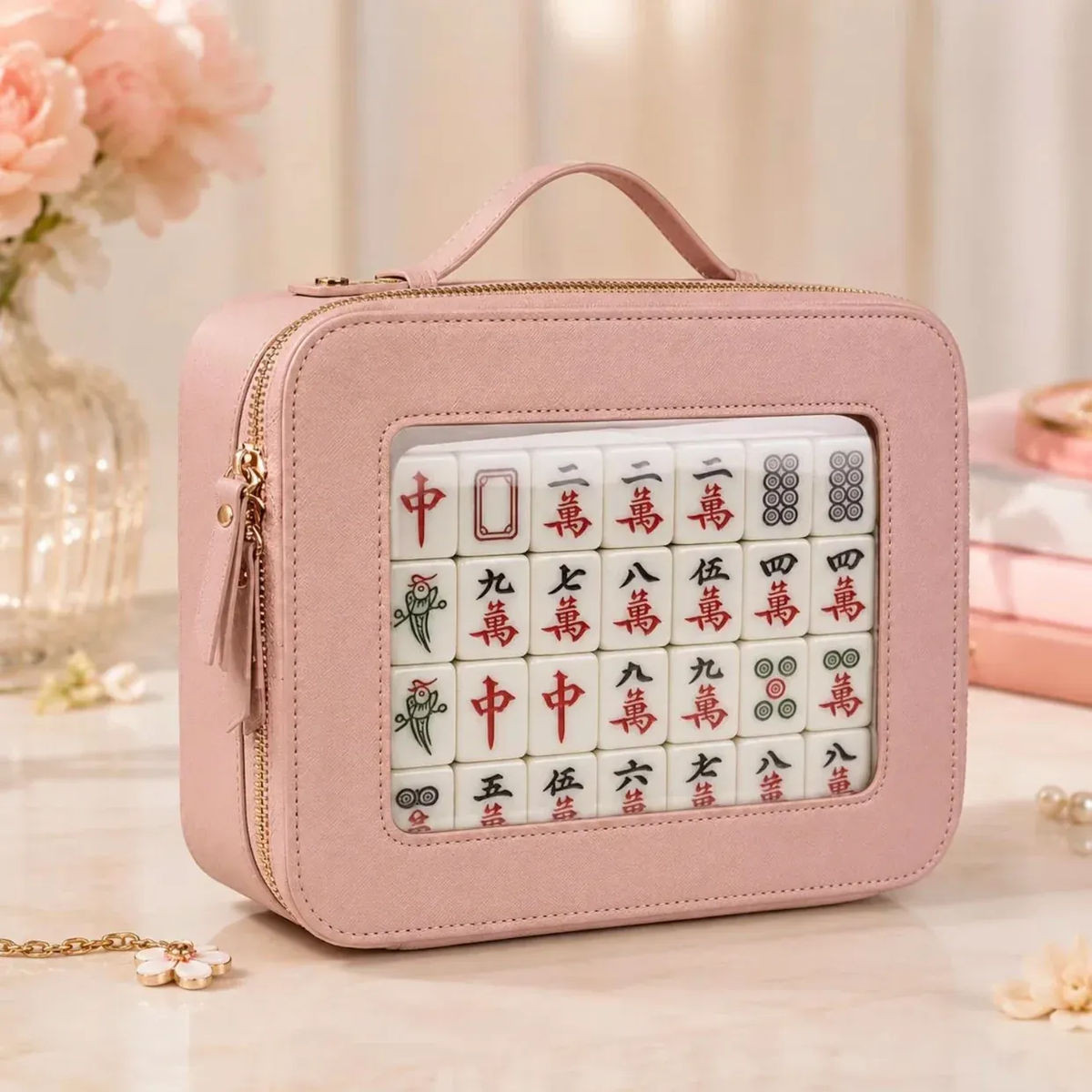
How do you pack a chinoiserie bag without damaging tiles?
Wrap the acrylic tile case in soft fabric (a small towel or fleece pouch) before placing it in the bag. This prevents the case from grinding against interior seams during movement. Layer the mat rolled loosely, not folded, to avoid creases that weaken the fabric where it bends. Racks with pushers fit in side pockets if the bag has them; otherwise, nestle them alongside the mat roll using the empty space. Dice belong in a small zippered pouch to prevent them from rolling and puncturing the bag lining. Never overstuff: a bag that zips only with force will tear at the seams within months. Place heavier items (tile case) at the bottom, lighter items on top. Transport the bag upright or horizontal, not crumpled on its side in a car trunk. Summer heat in a parked car can warp acrylic cases; store bags in a cool, dry closet after play.
What red flags suggest a low-quality chinoiserie travel bag?
Inspect before purchase (or within a return window) for loose threads at seams, uneven embroidery tension (puckering), and zips that stick on fabric. Flimsy zips that don't slide smoothly will jam mid-game and tear fabric. Linings glued rather than stitched separate within a year. Thin handles that don't match the bag body material (e.g., thin nylon strap on canvas) rip first. Embroidery that runs or bleeds into adjacent fabric indicates poor dye-setting. Ask whether the bag is machine-washable; if the answer is vague, it likely isn't—chinoiserie embroidery often can't survive the dryer. Odors (chemical, musty) suggest poor storage in transit; air the bag outdoors for 48 hours before packing tiles. Bottom padding should feel thick (at least ¼-inch foam or felt); thin or absent padding lets tile cases slide and rattle. Price alone doesn't guarantee quality; mid-range bags from established makers often outperform premium competitors with trendy designs and weak construction.
🎁 See our most-loved mahjong sets & accessories →
Should you buy a chinoiserie bag or a generic travel case?
Chinoiserie bags cost more upfront but reward long-term players. Generic black nylon cases are lighter, easier to clean, and cheaper; they suit once-a-month casual players or tournament travelers focused on function. Chinoiserie bags signal pride in the game, fit social settings better, and hold their appeal after five years of play—generic cases look worn and dated faster. If your game circle plays at home or at venues where the bag sits on display, chinoiserie's aesthetic matters. If you rotate between venues and carry the bag hidden in a car trunk, function trumps design, and you'll save money with a basic case. Ask yourself: Will I enjoy looking at this bag after 100 games? If yes, invest in chinoiserie. If no, a neutral case frees budget for upgrading to engraved American mahjong sets or premium mats instead.
✨ Find your Mahstead set — free US shipping →
What to Check Before You Buy
Interior dimensions: Measure your acrylic case length, width, and depth; compare to bag specs.
Lining material: Quilted cotton or felt lasts longer than thin polyester.
Zip quality: Slide it smooth three times; resistance means it'll jam with age.
Seam finish: Look for stitching, not glue. Press seams gently; they shouldn't flex or separate.
Embroidery tension: Check for puckering or loose threads; run a fingernail over it gently.
Handle reinforcement: Ensure handles are stitched to the bag body at least twice, not once.
Bottom padding: Press the base; it should feel solid, not hollow or squishy.
Return policy: Confirm you can inspect and return within 30 days if construction fails your tests.

FAQ
What is the typical interior size of a chinoiserie mahjong travel bag?
Most range from 12 to 16 inches wide and 10 to 14 inches tall, fitting a standard acrylic American mahjong set case plus room for a mat roll. Check product dimensions before ordering; bags under 12 inches may force you to carry the mat separately.
Can you machine-wash a chinoiserie embroidered bag?
Usually no. Embroidery threads weaken or bleed in hot water; embellished bags are best hand-cleaned with a damp cloth and air-dried flat. Check the product tag or description; if it says "hand-wash only," respect that to avoid permanent damage.
How do you prevent mildew in a stored mahjong travel bag?
Keep the bag in a cool, dry closet away from direct sunlight and humidity. After humid-weather play, leave the bag unzipped to air for 24 hours before closing. Store silica gel packets or activated charcoal inside if you live in a very damp climate; replace them every 3 months.
Does a chinoiserie bag work as a gift for a beginner mahjong player?
Yes, if paired with a set. A beautiful bag signals that mahjong is special and worth protecting, which motivates beginners to play regularly. Pair it with one of our best-selling mahjong sets for a complete gift, or check our new arrivals for curated starter bundles.
What's the difference between a chinoiserie bag and a chinoiserie-patterned mat?
A travel bag carries and protects your entire set (tiles, mat, racks) for transport. A mahjong mat is played on and stays at the table. Bags are mobile; mats are stationary. Both can feature chinoiserie design, and many players own both for a coordinated aesthetic.
Are chinoiserie bags more durable than plain canvas bags?
Not inherently. Durability depends on stitching, lining, and zip quality—factors independent of embroidery. A plain bag with quilted lining and nylon zips outlasts an ornate bag with glued seams and cheap hardware. Design adds visual appeal, not strength; prioritize construction first, aesthetics second.


View More
View More
View More
