
Vintage Style Mahjong Dice: Choosing the Right Look for Your Game
Last updated: Nov 23, 2026
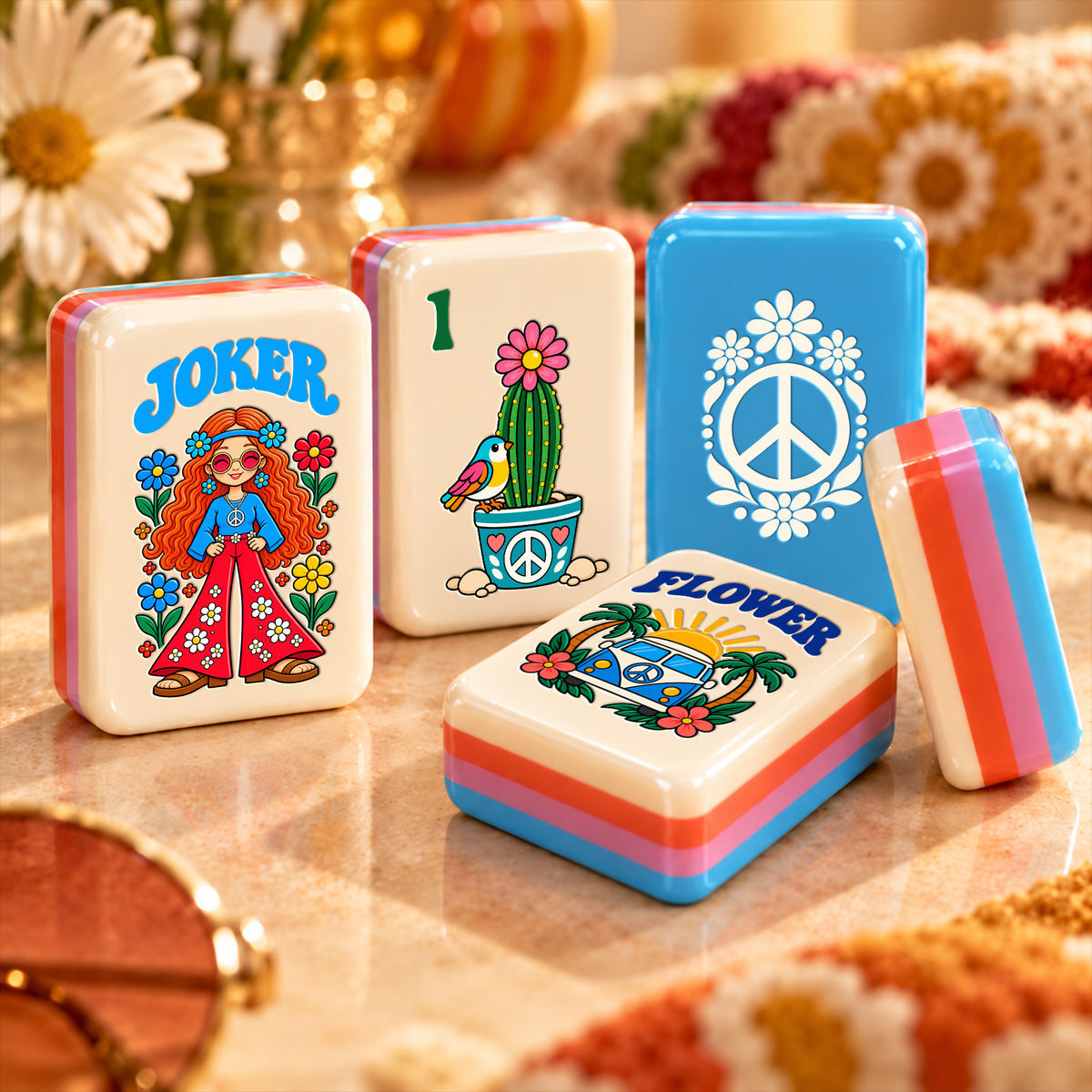
Vintage style mahjong dice come in several looks: carved bone or ivory-toned acrylic mimicking mid-century sets, hand-painted designs with Asian characters, and solid colors in cream, jade, or burgundy that echo classic tables. Most dice are standard cubic (about 0.6 inches per side) or elongated, numbered 1–6 in red and black or traditional markings. Acrylic vintage-style dice from makers like Mahstead typically cost less than bone replicas and resist chipping better. Before ordering, verify the die size matches your tile scale—acrylic 160-tile sets pair best with acrylic or resin dice of the same era aesthetic. Check whether the markings are printed, carved, or inlaid; printed fades with heavy play, while carved or inlaid lasts years. Shipping is usually included, so compare total cost rather than die price alone.
When you're hunting for vintage style mahjong dice, you're really choosing between nostalgia and durability—and those two don't always agree. We've hosted weekly games for years, and the dice you pick will sit on your mat, in your hand, and eventually in a drawer next to tiles you treasure. Getting the choice right means understanding what "vintage" actually means in dice design, what material holds up in real play, and whether the aesthetic you love will still speak to you after fifty shuffles.
What counts as "vintage style" in mahjong dice?
Vintage style means the dice evoke the 1960s–1980s American mahjong era—cream or bone-white acrylic, hand-painted numerals, or carved details that suggest carved bone or ivory without using those materials. Genuine vintage dice are fragile, rare, and often yellowed; vintage style dice are made today to look like they could be forty years old, using acrylic, resin, or composite materials. The appeal is aesthetic and tactile: heavier hand-feel than modern plastic, slight imperfections in color or finish that read as authentic, and markings—often in red and black or Chinese numerals—that demand you slow down and actually read them rather than glance.

How do size and material affect gameplay and durability?
Standard mahjong dice are 0.6 inches per side; some vintage sets use slightly larger dice (0.7 inches) to match heavier tile proportions. Acrylic vintage-style dice feel cool in your hand, resist chipping better than actual bone, and won't yellow further over time. Resin or composite dice feel closer to antique bone but scratch more easily and can crack if dropped on a hard table—you're trading durability for authenticity. Heavy play (weekly games, shuffle rolling) favors acrylic; display or occasional play suits resin or hand-painted designs. When you're choosing dice for a best-selling mahjong set, match the dice material to your tiles: acrylic dice with acrylic tiles, bone-tone resin with quality wood-backed tiles.
🀄 Shop best-selling mahjong sets →
What design details should you inspect before ordering?
Examine the die markings closely: are numerals painted on, engraved, or inlaid into grooves? Painted markings fade after 50–100 games; engraved or inlaid markings last indefinitely. Check whether all six sides are visible in product photos—some vintage-style dice hide the fifth and sixth faces, and you won't know if the finish is consistent. Verify the corners are smoothed (no sharp edges that catch on your hand or the mat). Look for batch inconsistency photos or reviews that mention color variation—hand-tinted vintage-style dice often come in slightly different shades, which can be charming or frustrating depending on your eye. If you're pairing dice with a custom or engraved set, confirm the vendor can match the finish aesthetic—cream acrylic dice should have the same warm tone as your tiles.
Vintage-style dice: comparison by use and player preference
Design | Best for | Durability | Aesthetic | Pairing |
Cream acrylic, red/black numerals | Weekly play, casual games | Excellent (10+ years) | Bright, nostalgic | |
Hand-painted numerals, bone-tone | Display, occasional play | Good (3–5 years) | Authentic, artisanal | Wood-backed tiles, premium sets |
Ivory resin with carved details | Collectors, showpiece tables | Fair (1–3 years) | Heirloom-like | Vintage or reproduction tiles |
Jade or burgundy acrylic, traditional marks | Serious players who want color | Excellent | Traditional Chinese feel | Formal games, club play |
The acrylic vintage-style option dominates because it balances cost, durability, and aesthetic; it won't disappoint after three months of heavy use, and it stays the same cream tone forever. Hand-painted resin attracts collectors willing to replace dice every few years for the look. We've seen players rotate dice seasonally—vintage-style for winter games, bright colored acrylics for summer—so owning one pair of each is common.
How do vintage-style dice fit into your full game setup?
Dice are only one piece of your mahjong experience. The dice roll on your mahjong mat, get stored in your bag or case, and sit beside your racks with pushers while you play. Vintage-style dice work best when the rest of your setup speaks the same dialect: a cream or beige mat with embroidered corners, wood-backed tiles or acrylic in warm tones, racks that feel solid in your hand. Mixing a delicate hand-painted vintage die with neon-bright modern tiles or a sleek industrial mat feels jarring. If you're building a coordinated set from scratch, choose your dice after you've picked tiles and a mat, then find dice that echo the same era and material warmth.
🎁 See our most-loved mahjong sets & accessories →
What to check before you buy: a short honesty list
Die size vs. tile scale: measure your tiles (most American sets use 1.2-inch tiles; oversized sets use 1.4 inches) and confirm dice proportions in the product photos.
Marking durability: ask the seller or check reviews about whether numerals are printed or permanently affixed; avoid printed-only if you play weekly.
Color consistency: if buying multiple pairs or a set with matching dice, ask whether hand-tinted dice are individual or batch-consistent.
Shipping inclusion: confirm shipping cost—some vintage-style dice come in small boxes that qualify for flat-rate shipping; others don't.
Return policy: confirm you can return dice if the shade or feel doesn't match your tiles when they arrive (acrylic cream can range from warm ivory to cool white).
Pairing with your set: if your tiles are engraved or custom, verify the dice supplier can match custom finishes or colors.
Vintage style mahjong dice aren't just a throwback—they're a statement that you care about how the game feels, not just how it plays. The weight in your palm when you roll, the soft clack against the mat, the cream tone that catches lamplight—these details anchor you to the table and to decades of players who loved mahjong the same way you do. Pick dice that will survive your play style and match the warmth of your tiles, and you'll reach for them first every game night.
✨ Find your Mahstead set — free US shipping →

FAQ
Can I use vintage dice with modern acrylic tile sets?
Yes, but only if the colors harmonize—cream acrylic dice work with warm-tone modern tiles, but vintage-style dice look odd paired with bright or primary-colored tiles. Match the tone (warm vs. cool) and material era for visual coherence.
Do vintage-style dice meet American mahjong game rules?
Absolutely. Dice only determine the starting position and kong discard stack; they don't affect hand legality. Any six-sided die with numerals 1–6 is legal, regardless of material, color, or age.
How often do I need to replace vintage-style acrylic dice?
Acrylic dice resist wear indefinitely if you play casually (once or twice weekly). Heavy daily play may show minor surface scratching after years, but numerals won't fade or chip if they're engraved or inlaid rather than printed.
Should I buy dice separately or with a set?
If the set includes dice you like, buy together for consistency and savings. If you want a specific vintage-style aesthetic not offered in a bundle, buy dice separately and ensure size and tone match your tiles before ordering.
What's the difference between hand-painted and printed numerals on vintage dice?
Printed numerals sit on the surface and fade or wear away with handling and shuffling; hand-painted or engraved numerals are part of the die itself and last indefinitely. For weekly play, choose engraved or inlaid.
Can vintage-style dice work for Chinese or Hong Kong mahjong, or only American?
Vintage-style design (the look, material, and hand-feel) is separate from the game rules. Dice work for any mahjong variant as long as the numerals or markings are legible and the die is cubic. Use them for whichever game you play.


View More
View More
View More
