
Chiitoitsu in Riichi Mahjong Explained
Last updated: Nov 23, 2026
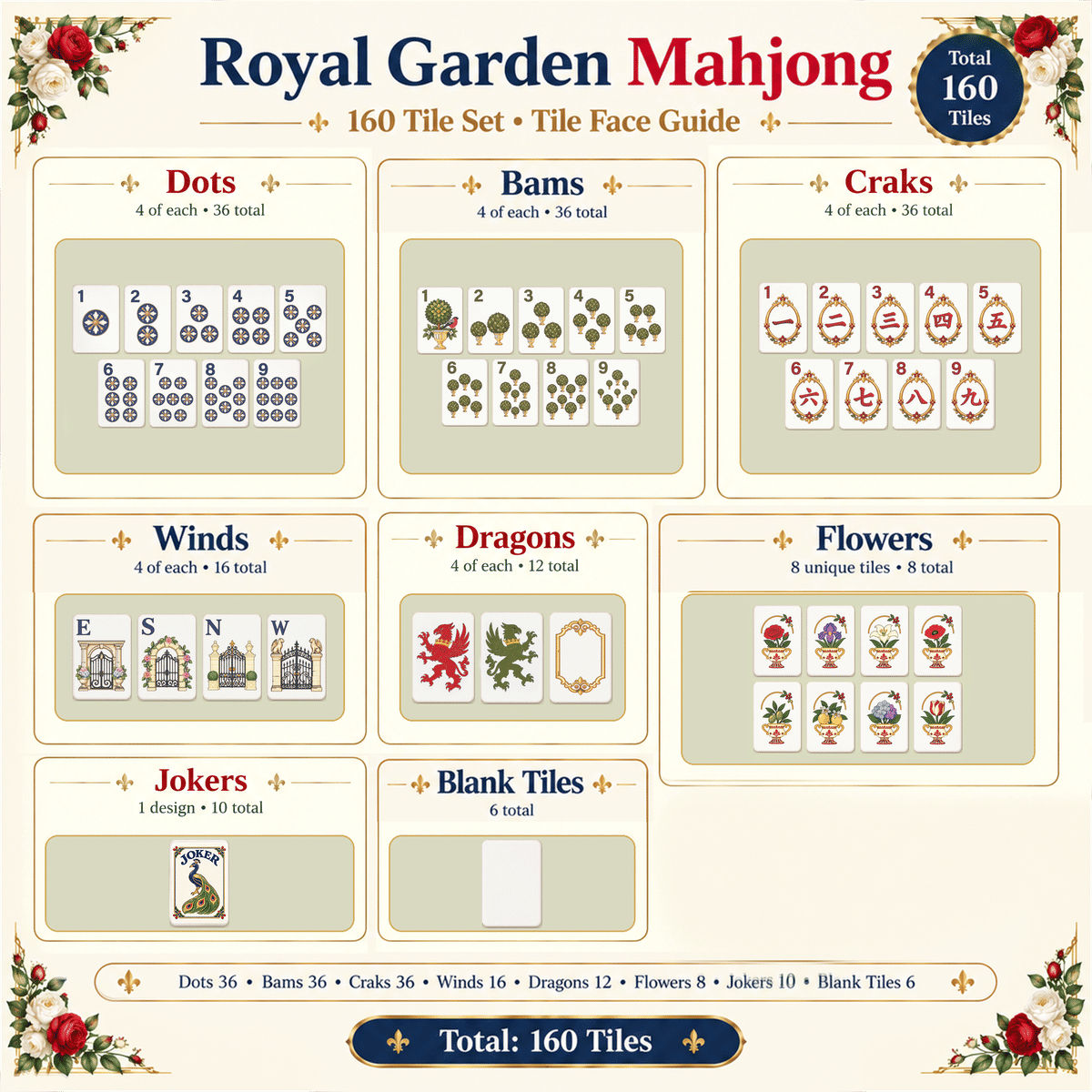
Chiitoitsu is a seven-pair winning hand in riichi mahjong where you hold exactly thirteen unique pairs—no sequences, no triplets—plus the winning tile to form a fourteenth pair. Unlike standard riichi hands that require at least one sequence, chiitoitsu stands alone as a "special hand" (yaku) worth 25 points (mangan) even at table minimum. You cannot form it by calling tiles from other players' discards; it must be drawn from the wall or your own hand as a concealed combination. To win via chiitoitsu, you declare tsumo (self-draw) or ron (discard win) once you hold all thirteen pairs plus one tile that completes the fourteenth. The hand ignores suit distribution and pung requirements, making it rare but achievable in closed-hand play. Whether you're learning riichi mahjong basics or building your skills across game variants, knowing chiitoitsu expands your strategic options and deepens your appreciation for the game's depth.
Chiitoitsu (thirteen unique pairs) is a seven-pair winning hand in riichi mahjong where you hold exactly thirteen unique pairs—no sequences, no triplets—plus the winning tile to form a fourteenth pair. Unlike standard riichi hands that require at least one sequence, chiitoitsu stands alone as a "special hand" (yaku) worth 25 points (mangan) even at table minimum. You cannot form it by calling tiles from other players' discards; it must be drawn from the wall or your own hand as a concealed combination. To win via chiitoitsu, you declare tsumo (self-draw) or ron (discard win) once you hold all thirteen pairs plus one tile that completes the fourteenth. The hand ignores suit distribution and pung requirement, making it rare but achievable in closed-hand play.
What makes chiitoitsu different from standard riichi hands?
Chiitoitsu breaks every rule of normal hand-building. Standard riichi hands require melds—sequences (chow), triplets (pung), quads (kong)—and follow the "1 melds + 1 pair" formula. Chiitoitsu needs zero melds and zero sequences. You must hold all thirteen unique pairs, meaning each of your thirteen pairs contains a different tile number or type. Once you draw or possess that fourteenth tile matching any of your pairs, you win immediately. You cannot call tiles from the table to complete chiitoitsu; every tile must come from the wall or your closed hand. This constraint makes it fundamentally a concealed hand and scores automatically as a special yaku regardless of fu (base points).

How do you build a chiitoitsu hand step-by-step?
Start by identifying fourteen tiles that form seven distinct pairs. For example: 1-1 Craks, 3-3 Bams, 5-5 Dots, East-East, Red-Red, Green-Green, North-North. Each pair must be unique; you cannot use 1-1 Craks twice. As you draw tiles from the wall or receive them in the initial hand deal, track which pairs you already hold and which you still need. If you hold 1-1 Craks, 3-3 Bams, 5-5 Dots, East-East, and you draw a third 1 Crak, discard it immediately—you cannot use a triplet. Keep only one copy of each pair. Once you have twelve pairs (twenty-four tiles) and draw one more tile that matches any of your pairs, you win. The speed of this assembly depends on luck; most chiitoitsu wins occur in the first eight or ten draws because holding thirteen unique pairs ties up tiles quickly and forces many discards.
🀄 Shop best-selling mahjong sets →
Why is chiitoitsu worth so much in scoring?
Chiitoitsu scores mangan (25 points) automatically in riichi mahjong, regardless of fu, seat position, or other yaku combinations. This fixed value means a non-dealer chiitoitsu win pays the same points whether it is your first hand or your tenth. A dealer chiitoitsu win scores even higher (30 points) because dealer bonuses apply to all hands. The high base score reflects the rarity and difficulty of assembling thirteen unique pairs; the odds favor simpler, faster hands in most sessions. Because chiitoitsu cannot be combined with other yaku in the traditional sense—it is a complete, standalone hand type—you do not "stack" its score with bonus points. However, if you win tsumo (self-draw), each non-dealer player pays you separately, and the dealer pays a larger portion, multiplying your total payout. This scoring structure rewards the patience and risk required to hold thirteen unique pairs without folding early.
What are the most common mistakes when attempting chiitoitsu?
The first mistake is holding too many of one tile. If you have three 5 Dots, you cannot use two of them in your chiitoitsu; you must choose one pair and discard the third. Many new players delay this decision and clog their hand, forcing early wins via other hands or a failed game. The second mistake is calling (taking) a tile from another player's discard. Chiitoitsu must be entirely concealed; if you call or pung, you lose the ability to win via this yaku. The third mistake is misunderstanding "unique pairs": each pair must contain a different tile rank or type. You cannot win with 1-1, 1-1, 1-1 Craks and other pairs; you need 1-1 Craks, 2-2 Bams, 3-3 Dots, and so on. The fourth mistake is declaring chiitoitsu prematurely. You must hold exactly fourteen tiles forming seven complete pairs before announcing; if one pair is incomplete, your declaration fails. Always count twice: thirteen pairs (twenty-six tiles) plus the fourteenth matching tile equals twenty-seven tiles total—your hand capacity in riichi mahjong when adding your initial deal.

How does chiitoitsu strategy differ from other special hands?
Chiitoitsu strategy demands aggression and abandonment: you must commit early to the pair-collection path and discard aggressively to reduce wait times. In contrast, open-melds strategies (pung, kong) allow flexibility because you can call tiles and adjust. With chiitoitsu, every discard signals your intent, and experienced opponents will adapt—they will hoard tiles you seem to need and discard their duplicates. Defensive play hurts; you cannot afford to hold dangerous tiles waiting for a melds-based backup hand. Once you commit to chiitoitsu, you chase it or fold to a simpler closed hand fast. Many strong players avoid chiitoitsu because the wait is long and the payout is fixed; they prefer hands with lower base scores but faster assembly and flexibility. However, in early-round play when few tiles have been discarded and the wall is deep, chiitoitsu becomes viable—the statistical density of unique pairs increases when 40+ tiles remain unseen. Late-round chiitoitsu attempts usually fail because critical pair-tiles have already been discarded by other players.
Strategy Factor | Standard Riichi Hand | Chiitoitsu Hand |
Meld calls allowed | Yes (pung, kong, chow) | No—must stay concealed |
Pair uniqueness | Multiple pairs can repeat | All thirteen pairs must differ |
Wait flexibility | Can adjust mid-hand | Locked into pair strategy early |
Scoring | Varies by fu + yaku | Fixed mangan (25 pts) |
Optimal round timing | Any time | Early rounds (deep wall) |
Discard volume | Moderate | High (forces quick assembly) |
Opponent adaptation | Some flexibility | High—opponents block pairs |
🎁 See our most-loved mahjong sets & accessories →
What should you check before committing to chiitoitsu?
Assess the round status before pursuing chiitoitsu. If more than half the tiles have been discarded and you hold fewer than six complete pairs, fold. Check the tile availability: if the first four discards include Winds, Dragons, or common terminal numbers, unique-pair assembly becomes harder—switch strategy. Count your hand's natural pairs after the initial draw. If you have three or more pairs already, chiitoitsu becomes more likely; if you have none, your odds drop sharply and you should seek a melds-based hand instead. Watch opponents' discard patterns: if they are hoarding (discarding from one suit or one number range), they signal their own yaku, and you can infer which tiles are safe to pursue. If you reach round nine or ten with twelve pairs but no fourteenth-tile draw, be prepared to win on someone else's discard (ron) or fold to a simpler hand. Never hold dead tiles (isolated numbers with no pair partner visible) in hopes of assembling thirteen pairs; discard immediately and shift gears. Riichi mahjong rewards quick decisions; indecision costs you discards and opportunities.
How does chiitoitsu fit into learning riichi mahjong as a beginner?
Beginners should not prioritize chiitoitsu in their first dozen sessions. Master standard melds (sequences, pungs, kongs) and learn the basic 1-melds-plus-1-pair structure first. Once you understand hand assembly, fu calculation, and scoring, chiitoitsu becomes a fun alternate path that deepens strategic thinking. Many beginner-focused riichi rulebooks do not emphasize chiitoitsu because it is uncommon; it teaches advanced pattern recognition and risk management. However, if you study mahjong variants across rules sets—American, Chinese, Hong Kong, and Riichi—you will notice how each variant handles special hands differently. Riichi chiitoitsu is elegant precisely because it is rare and high-scoring. Playing practice hands (tsumо drills, hand-assembly exercises) accelerates your recognition of pair-dense tile combinations and improves your ability to spot chiitoitsu opportunities mid-game. As your skill grows, chiitoitsu shifts from a curiosity to a calculated tactical option in specific game states.
Can you practice chiitoitsu without playing a full riichi game?
Yes. Use a training deck or standard riichi tile set and deal yourself thirteen unique pairs plus one matching tile (twenty-seven tiles total). Shuffle the remaining tiles and draw without replacement, tracking how many draws it takes to complete a second chiitoitsu. Repeat this exercise ten times and record the average. This drill trains your intuition for pair frequency and wait length. Another drill: shuffle a deck and deal thirty tiles; count how many unique pairs you can form before running out of tiles that do not break an existing pair. This builds your pattern recognition and your comfort with the uniqueness constraint. You can also play "chiitoitsu solitaire" using online riichi mahjong simulators that allow hand-building drills. Many free and paid apps offer chiitoitsu scenarios where the computer deals you tiles and you decide which to keep and which to discard to optimize your pair assembly. Practice with a small group using best-selling mahjong sets in casual rounds focused on chiitoitsu only—everyone plays with the goal of winning via chiitoitsu, not standard melds. This removes pressure and lets you learn the hand's feel and decision-making flow.
✨ Find your Mahstead set — free US shipping →

FAQ
Is chiitoitsu a legal hand in all riichi mahjong rulesets?
Yes. Chiitoitsu is a standard special hand (yaku) in Japan Standard Riichi rules. Some informal house rules or simplified variants may exclude it, so confirm with your group before play. Most organized riichi clubs worldwide use the Japan Standard ruleset and include chiitoitsu as a core yaku.
Can you win chiitoitsu by calling a tile from another player's discard?
No. Chiitoitsu must remain completely concealed; you cannot call any tiles. If you call a pung or other meld, you lose eligibility for chiitoitsu that hand and must win via standard melds instead.
What is the difference between chiitoitsu and a "seven-pair" hand in other mahjong variants?
American mahjong does not use chiitoitsu or seven-pair hands; it requires melds and pairs from the annual card. Chinese and Hong Kong mahjong have seven-pair yaku (called "qishuishou" or similar), but they allow pairs to repeat and follow different pair-building rules than riichi chiitoitsu's unique-pair constraint.
If I have two pairs of the same tile, can I count them separately toward my thirteen pairs?
No. You may hold only one copy of each pair for chiitoitsu. If you draw a second 1-1 Crak pair (four 1 Craks total), you cannot split them; you must discard two and keep one pair, or give up chiitoitsu for a standard hand using triplets or quads.
How often does chiitoitsu win in a typical riichi mahjong session?
Very rarely—roughly once every 20–40 hands depending on table skill and luck. Most players abandon the chase early because the wait is long and the odds favor simpler hands. Experienced players recognize dead-tile situations quickly and switch strategies before wasting too many draws.
Does chiitoitsu score differently if I win tsumo versus ron?
No, the base score (mangan, 25 pts for non-dealer) stays the same. However, the payout differs: tsumo means each opponent pays you separately (higher total payout), while ron means only the discarder pays (lower total, but faster resolution).


View More
View More
View More
