
Cheap vs. Expensive Mahjong Tote: What to Buy for Your Game
Last updated: Nov 23, 2026
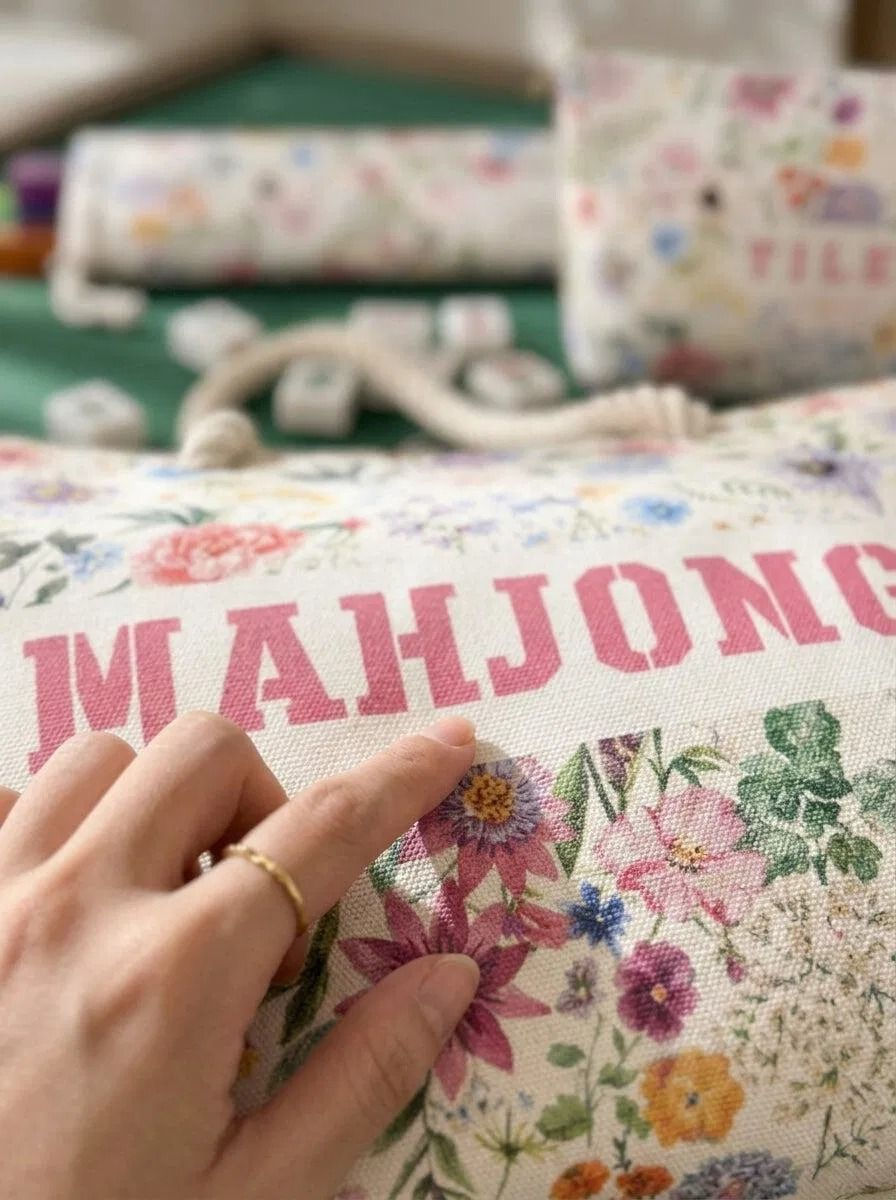
A mahjong tote is a specialized bag designed to hold a 160-tile set, mats, racks with pushers, and dice without damaging tiles or losing pieces during travel. Budget totes prioritize basic protection and lightness; premium ones add interior organization, reinforced handles, waterproofing, and durable materials that survive weekly games over years. Most players hosting weekly games choose mid-range options that balance durability with cost, since a set gets packed and unpacked 50+ times annually. The difference isn't always about price—it's about interior layout, fabric weight, closure style, and whether compartments keep tiles separate from mats. Mahstead's travel bag collection ranges across styles designed for different game frequencies and transport methods (car, plane, or foot). Before buying, ask: Do you carry your set weekly or monthly? Will you fly with it? Do you need organization or just a big pocket? 🀄 Shop best-selling mahjong sets →
What does a budget tote actually protect?
Budget totes typically use single-layer canvas or nylon, basic zippers, and minimal compartments. They meet the floor requirement: your tiles arrive uncracked and your mats stay dry. But seams fray faster, zippers can separate under weight (a full set plus mat weighs several pounds), and you'll often repack items multiple times because there's no dedicated pocket for dice or racks. After 30–40 round-trip carries, handles may thin and fabric edges pill. Budget bags work best if you store your set at a single venue and grab it weekly from the same car, or play monthly at a friend's house. They're ideal for beginners testing the hobby before committing to premium gear.

Why do premium totes cost more per unit?
Premium totes use double-stitched seams, ballistic nylon or coated canvas, YKK or equivalent zippers, and padded compartments sized specifically for American mahjong equipment. Interior pockets keep your tile rack separate from your mat; some have thermal lining or water-resistant bases. The design assumes 100+ carries per year and anticipates weight stress at seams. Premium bags also tend to feature brass hardware that resists corrosion, reinforced corner tabs, and gusseted bottoms so the bag holds shape even when fully packed. These materials and construction methods add cost, but extend useful life to 5–10 years of regular weekly play. Many of us host games year-round; a premium tote becomes the set's second home.
How does interior layout differ between price tiers?
Budget totes are often single large compartment with maybe a zippered pocket or two on the exterior. You throw in tiles, mat, racks, and dice together, then spend a few minutes untangling them when you arrive. Premium totes include dedicated sections: one for the tile rack and pushers (often with elastic straps), a separate flat pocket for the mat, a small side pouch for dice and tokens, and sometimes a key fob or pen loop. This layout matters because tiles and mats stored together can create a sticky residue over time if humidity shifts, and racks with loose pushers can scratch tile faces. Well-designed compartments also make setup faster—no searching for dice under a pile of tiles when you're 10 minutes late to game night.
Which carrying style fits your transport method?
Carrying Style Comparison
Style | Best for | What to watch |
Shoulder strap only | Walking, car trunk storage, neighborhood venues | Strap padding; long carry can tire shoulders |
Dual handles only | Car passenger seat, short walks | Grip width for two hands; tension on seams when full |
Shoulder strap + handles | Planes, mixed transport, unpredictable situations | Strap thickness; whether strap detaches or integrates |
Wheeled option | Air travel, frequent venue changes, players with mobility needs | Handle extension durability; wheel weight adds bulk |
Budget totes often include shoulder strap OR handles, forcing you to choose. Premium totes typically feature both, plus strap thickness that doesn't dig into bone. If you fly to tournaments or play at venues 15+ minutes walk from parking, handles alone will exhaust your hands by game two. A good strap pad (¾ inch or thicker) costs a few dollars more but saves your neck over time.

What real problems do cheap materials cause?
Single-layer nylon or thin canvas absorbs moisture. After humid weeks, tiles can stick together slightly if stored in a budget tote without airflow. Water spills (coffee, condensation on a car seat in winter) can soak through. Zippers on budget bags sometimes split at the slider after 40–60 opens and closes; replacing them costs as much as buying a new tote. Thin handles tear where they attach to the body, and stitching pulls loose where the strap anchors. These aren't catastrophic, but they appear around the 18–24 month mark if you play weekly. Premium totes with coated fabric shed water, YKK zippers tolerate 500+ cycles, and reinforced handle attachment points rarely fail before 5+ years. For a set you use every week, that durability difference justifies mid-to-premium pricing.
🎁 See our most-loved mahjong sets & accessories →
Which tote is right for you?
Decision Framework
Play frequency: Weekly games → mid-range or premium; Monthly or seasonal → budget okay
Transport: Car only → any bag; Public transit or plane → premium with water resistance
Storage: Dedicated shelf at home → budget acceptable; Tossed in car trunk, garage → premium recommended
Tile set value: Best-selling sets or engraved titles (personalized, higher sentimental value) → premium bag justified; Standard beginner set → budget adequate
Setup speed: Want 2-minute unpack? → Premium layout wins; Okay spending 5 minutes organizing? → Budget works
Most players hosting established weekly games find they replace a budget tote every 2–3 years but keep a premium bag for 5–8 years, making the per-year cost comparable—yet premium bags save time and stress during every single game. If you're unsure whether you'll stick with mahjong beyond one season, start with a budget option. Once you know you're a regular player, upgrade. You'll notice the difference immediately: faster setup, less fiddling during tile draws, and peace of mind that your set is protected.
What to check before you buy
Interior dimensions: Confirm the bag fits your specific mat size (standard American mat folds to roughly 13×13 inches, premium mats may be slightly larger). Ask the maker or measure a sample if possible.
Compartment count: Decide whether you need separate pockets or a single large space. More compartments cost more but save packing time.
Seam reinforcement: Look for double stitching or taped seams, especially where handles attach.
Closure type: Zippers are faster but can jam; magnetic closures are slower but never fail; some bags use both.
Strap comfort: If you'll carry it on your shoulder, test strap padding thickness and width. A thin strap cuts off blood flow on 20-minute walks.
Return policy: Reputable makers allow returns or exchanges if the bag doesn't fit your set or doesn't arrive as described.
Our travel bag collection lets you compare styles side by side, read detailed descriptions of interior layouts, and see which option matches your playing style. We ship free across the US, so you can order without worrying about expedited fees.
✨ Find your Mahstead set — free US shipping →

FAQ
Can I use a regular duffel bag instead of a mahjong tote?
Technically yes, but you risk damage. American mahjong tiles are acrylic and crack if compressed against hard objects or dropped. A regular duffel offers no padding or compartments, so tiles shift during transport and scratch each other. A mat stored loose can wrinkle or pick up odors. A purpose-built tote costs little more and protects your investment for years.
What size tote do I need for a 160-tile set plus extras?
Most American mahjong sets with mat and racks fit in a bag measuring 14–16 inches wide, 10–12 inches tall, and 5–7 inches deep (roughly a large shoebox footprint). Before buying, check the maker's interior dimensions or compare to your actual set. Some players also carry spare tiles, tokens, or a second mat; those need a slightly larger or expandable bag.
Is waterproofing worth the extra cost?
Yes, if you transport your set frequently or play outdoors. Coated or water-resistant fabric prevents moisture from soaking through to tiles during humid weather or accidental spills. Budget canvas or thin nylon absorbs water, and wet tiles stored in a closed bag can develop mildew or stick together. If you play weekly and load your bag into a car trunk on rainy days, waterproofing prevents headaches.
Can I repair a torn seam or broken zipper myself?
Minor seam tears can be hand-stitched or sealed with fabric glue. Broken zippers are harder; replacing one costs almost as much as a budget tote. Premium bags have thicker fabric and better zippers, so repairs are rarely needed. Budget totes are more likely to need repairs around the 18–month mark, which is why many players upgrade rather than fix.
Should I buy a tote or a rolling suitcase for air travel?
A rolling case protects your set better during baggage handling and saves your arm on long airport walks. But not all rolling cases have compartments for tiles; confirm the interior before buying. A good mahjong tote with shoulder strap works fine for carry-on and fits overhead bins, letting you keep your set close. Some players use both: a tote for weekly local games and a small rolling case for tournaments.


View More
View More
View More
