
Cheap vs Expensive Mahjong Table: What You Actually Need
Last updated: Nov 23, 2026
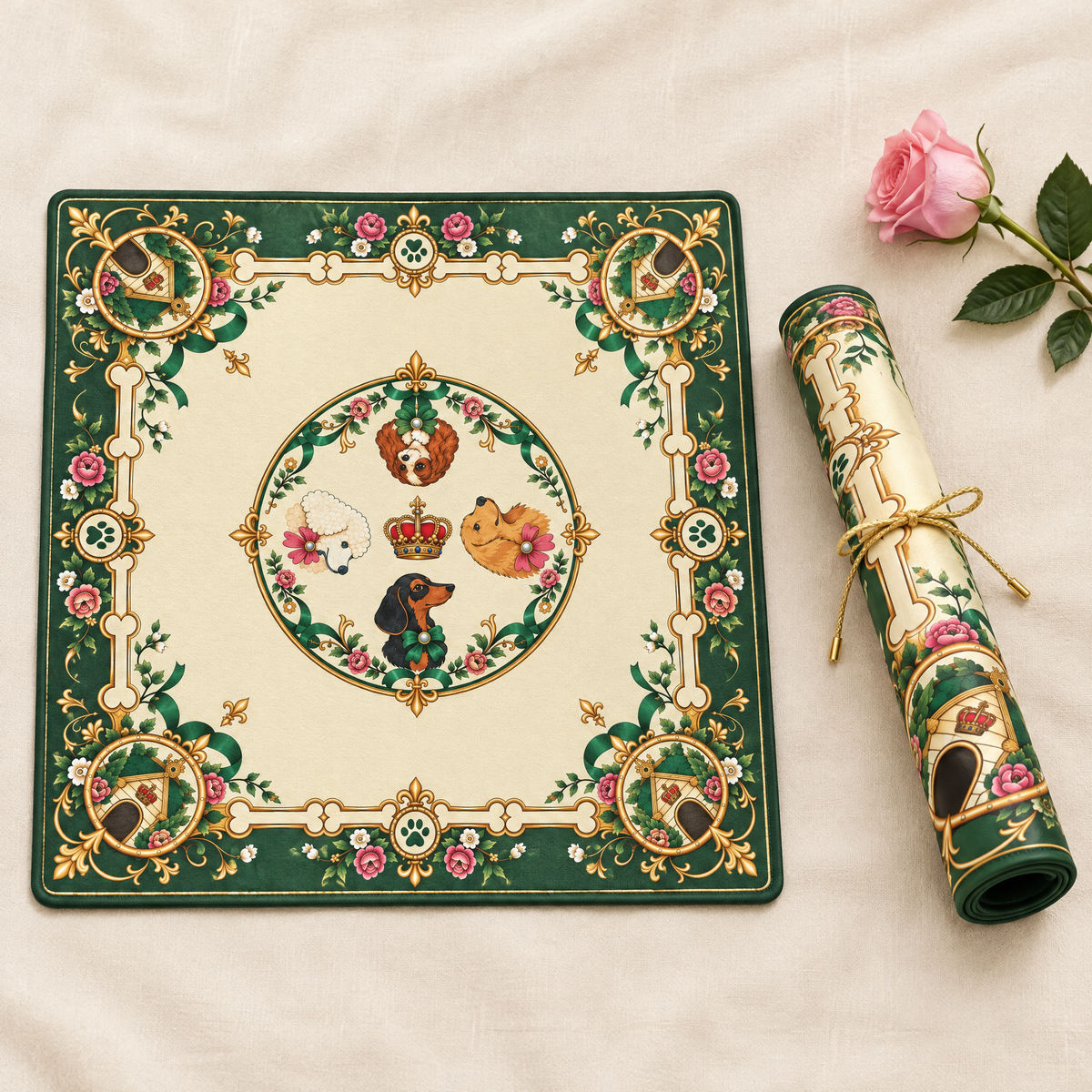
A cheap mahjong mat (basic felt or vinyl on cardboard) runs entry-level pricing but deteriorates after months of weekly play—seams fray, surface flatness fails, jokers slip. A mid-range mat combines woven fabric, reinforced edges, and a stable base, holding up for years of regular hosting. A premium setup includes a dedicated mahjong table or a professional-grade mat paired with quality racks and pushers. Most weekly home players thrive with a mid-range mat from our best-selling collection; competitive players or frequent hosts justify premium gear. Durability, tile control, and long-term playability matter far more than initial sticker price. Buy once, play for years—that math wins every time.
What's the real difference between a cheap mat and a good one?
A cheap mat uses thin vinyl glued to flimsy cardboard backing. Jokers and tiles slide unpredictably. Seams separate within two seasons. The surface compresses where you lean, creating dead zones where tiles won't lie flat. A quality mat weaves durable fabric, uses reinforced stitching at every edge, and sits on a base rigid enough to hold its profile under weight. You feel the difference the first time you push a tile—it travels straight and stops where you need it.
🀄 Shop best-selling mahjong sets →
Should you buy a mat or commit to a real table?
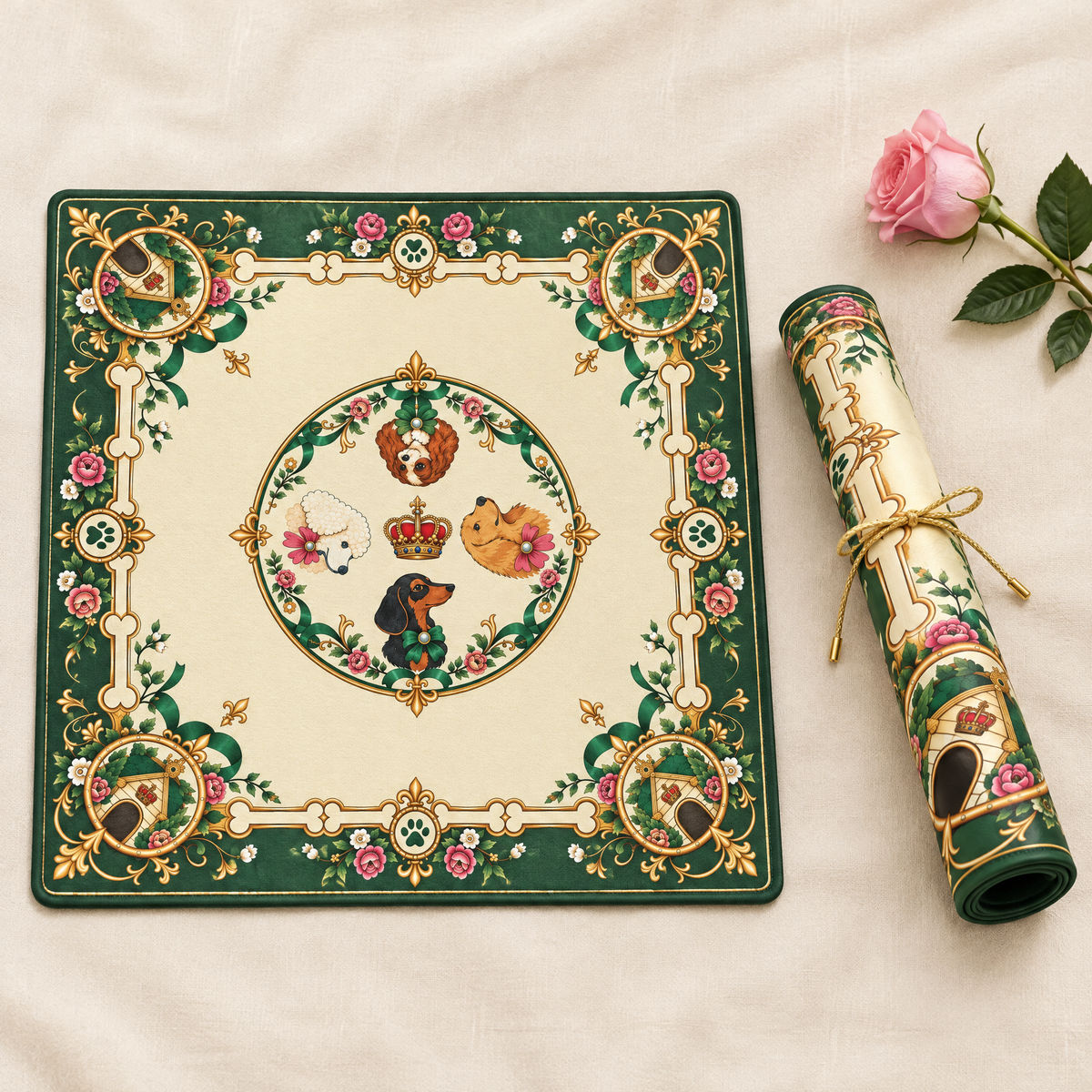
A mat works beautifully if you store it between games and unfold it only for your weekly four. A dedicated mahjong table is an investment for players who host twice weekly, teach newcomers, or want a permanent setup. Tables cost significantly more upfront but require zero setup—tile grip, rack angles, and storage all optimize for comfort during four-hour sessions. If your game is casual and space-limited, a quality mat solves your problem faster. If you play seriously, host regularly, or have dedicated table space, a table eliminates friction and lets you focus on strategy.
Why do edges matter so much?
Worn edges create a catch where tiles jam during the shuffle. Seams that fray expose backing material, which then sheds into your tiles. Reinforced binding, sewn not glued, takes punishment from thousands of tile-pushing cycles. A mat with sealed, stitched edges lasts five to seven years of regular play; a cheap mat fails in twelve to eighteen months. We've seen players replace cheap mats twice in the time a quality mat goes strong. The edge is where quality reveals itself first.
What's the best setup for a four-person weekly game?
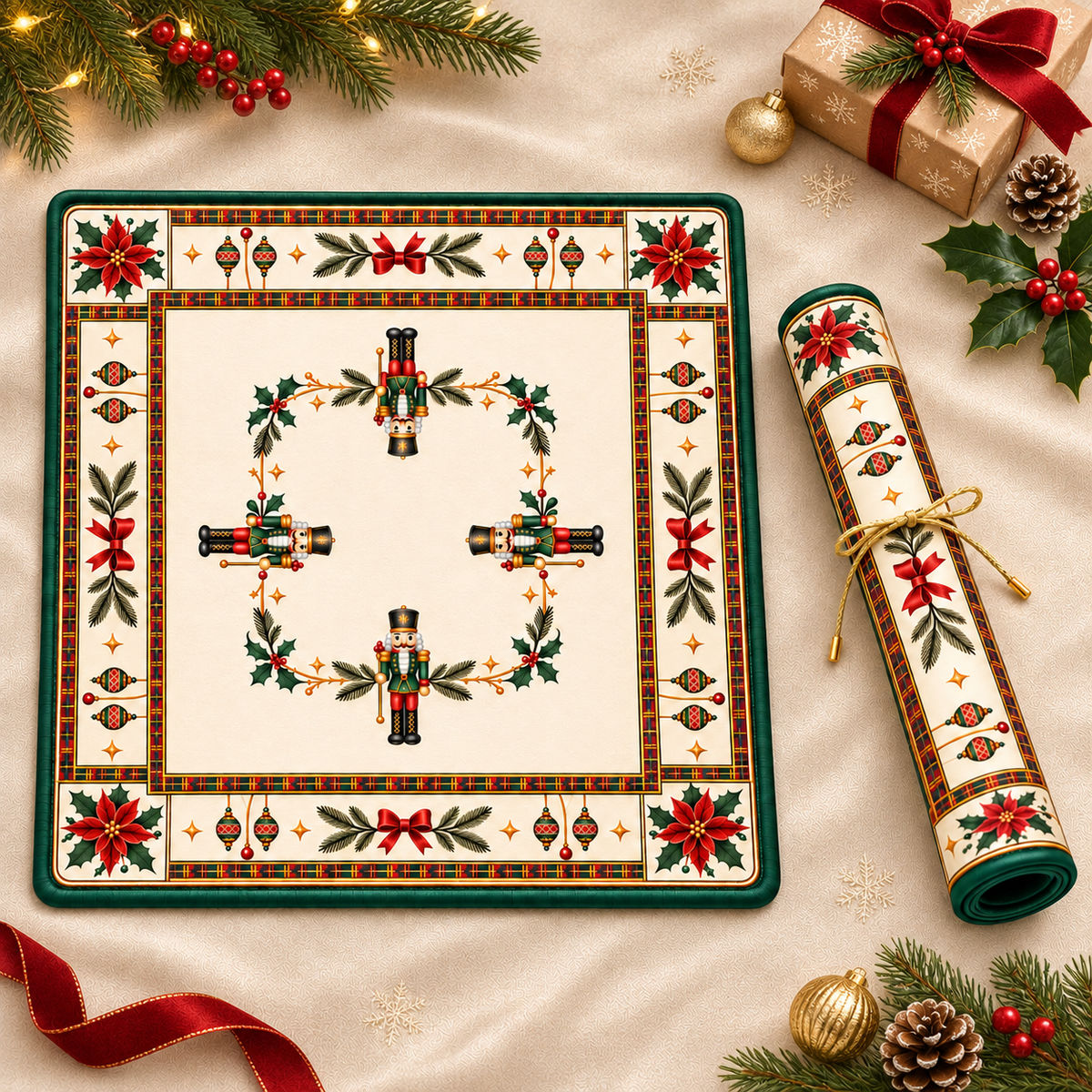
Start with a solid mat in your size (our mahjong mats collection offers standard dimensions). Pair it with racks that have pushers—pushers prevent tile misalignment and take strain off your wrists. Store everything in a protective bag or case. This trio handles weekly play at home, moves easily to a friend's house, and costs a fraction of a dedicated table. The mat becomes the foundation; quality racks and pushers multiply your control and comfort.
Setup | Cost Basis | Who It Fits | Durability | Setup Time |
Budget mat alone | Entry-level | Casual testers, gift-givers | 12–18 months | 5 min |
Quality mat + racks + pushers | Mid-range | Weekly home players | 5–7 years | 10 min |
Dedicated mahjong table | Premium | Frequent hosts, teaching groups | 10+ years | 0 min |
Deluxe table + storage | Highest | Clubs, competition spaces | 15+ years | 0 min |
🎁 See our most-loved mahjong sets & accessories →
What should you check before ordering?
Dimensions. Measure your table or floor space before checkout. A mat that doesn't fit wastes money. Standard sizes suit most dining tables; oversized mats let you sit further back and give pushers room to work.
Surface material. Felt grips tiles but stains easily. Vinyl is washable but can feel slippery—key reason pushers matter on vinyl. Woven fabric blends durability and control.
Base construction. Flip the mat if you can. Cardboard fails fast. Foam, rubber, or stitched canvas backing stays stable. Check that the base won't slide on your table surface—non-slip feet or a mat with edge grip prevent accidents.
Seam quality. Run your thumb along every edge. Glued seams fray. Sewn seams with reinforced tape hold through hundreds of shuffles. Feel for bumps or loose threads.
Storage. Does it roll or fold? Will it fit your closet or bag? A mat that lives in the box between games stays cleaner and lasts longer than one crammed under a couch.
Compatibility. If you own racks or pushers already, verify the mat height matches—pushers that sit too high or low throw off your hand grip and tile control.
A good mat feels solid underfoot, sits perfectly flat, and lets tiles glide without skating. A cheap mat feels floppy, develops hollows, and makes tiles sticky or uncontrollable. Test it in person if you can; online reviews from players (not resellers) reveal failure points quickly.
✨ Find your Mahstead set — free US shipping →
Why experienced players spend more upfront
Weekly hosts learn fast: a cheap mat creates friction that wears on you by hour three. Tiles don't sit evenly. Pushers don't track straight. You tense your shoulders and wrists. A quality mat absorbs the micro-corrections your hands would otherwise make. Over a season, that's fifty hours of less strain. Racks with proper pushers add precision to every move, which compounds over hundreds of rounds. Premium gear is an investment in comfort and accuracy, not luxury. We see players upgrade after one season of cheap-mat games and never look back.
FAQ
Can I use a cheap mat in a serious game?
Technically yes, but tiles slip unpredictably on poor surfaces, which slows the pace and frustrates players focused on strategy. Most serious games demand consistent tile behavior—a mid-range or better mat ensures fair, repeatable play.
Does a mat need special cleaning?
Felt or woven mats brush clean with a soft brush or lint roller. Vinyl mats wipe with a damp cloth and mild soap. Never soak or machine-wash. Store flat or loosely rolled in a cool, dry space to prevent mold and material breakdown.
Can I put a mat on an uneven table?
No. An uneven surface creates dead zones where tiles pool instead of lying flat. Test your table with a level first. A wobbling table needs shims or a different surface before you add a mat.
What's the lifespan of a good mat versus a cheap one?
Based on weekly play: a cheap mat typically fails in 12–18 months; a mid-range mat holds 5–7 years; a premium mat lasts 10+ years. The math favors quality quickly.
Should I buy a mat or a full mahjong set first?
Start with a quality set and racks. Add a mat once you know your game meets weekly. A great mat supports any set; a cheap mat undermines any set.
Do I need pushers if I buy a good mat?
No, but pushers and a quality mat together maximize tile control and reduce hand strain over long sessions. Pushers alone can't fix a poor mat surface; a great mat works alone but shines with pushers.


View More
View More
View More
