
Cheap vs Expensive Mahjong Sets: What to Buy in 2026
Last updated: Nov 23, 2026
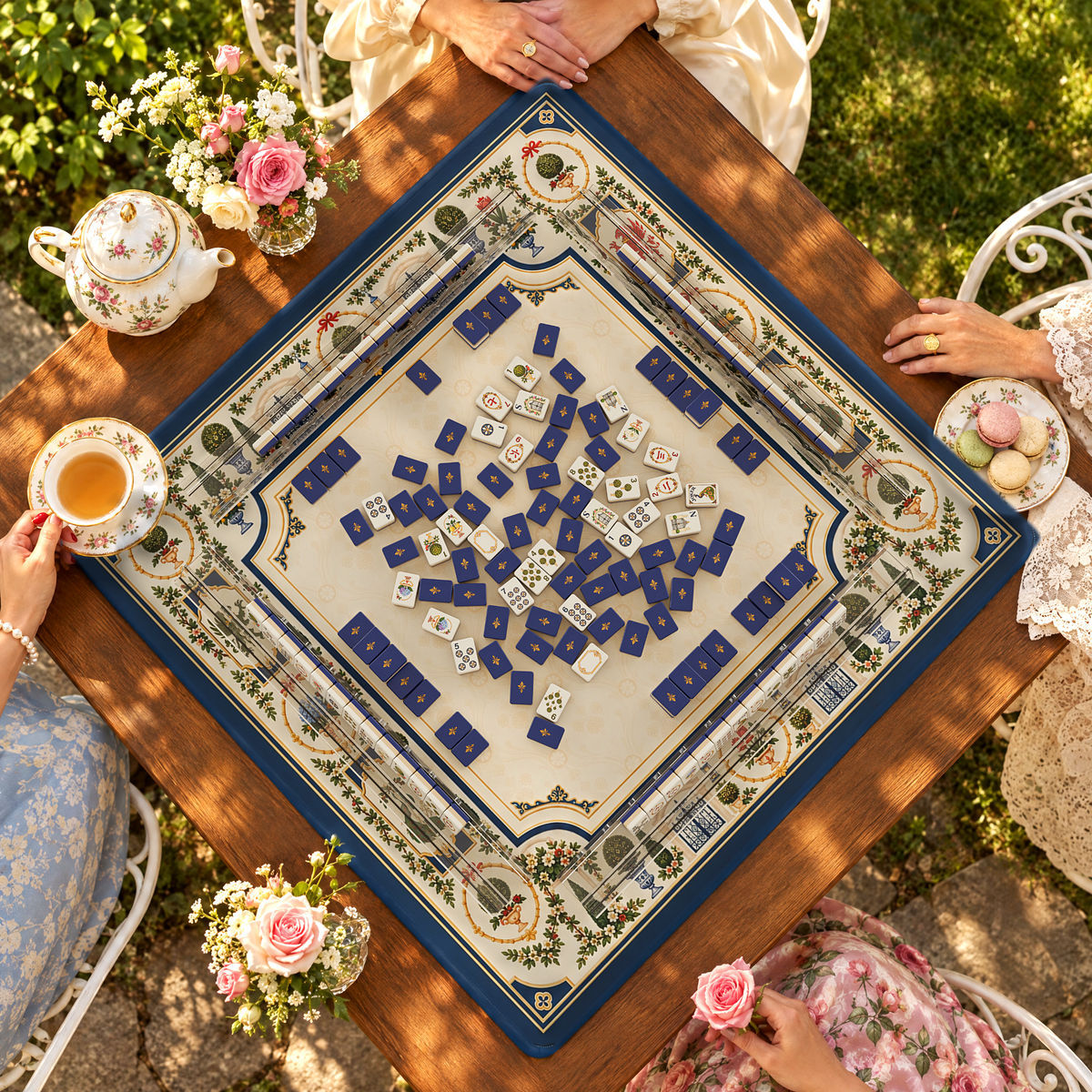
A true American mahjong set contains exactly 152 tiles plus 8 jokers—no shortcuts. Budget sets use lightweight acrylic with basic silk screening; premium sets employ thicker acrylic, hand-applied graphics, custom engraving, and protective storage. Budget versions last one or two seasons; investment-grade sets endure decades of weekly play. The difference lies in tile weight (how they feel in hand and tumble in racks), color fastness (how quickly printing fades), tile clarity, and whether the rack pushers glide smoothly. At Mahstead, we design 160-tile acrylic sets with thoughtful engraving—no blanks or mystery spares—so you know exactly what you're buying. Most players hosting regular games find mid-range custom sets justify the difference within a year.
Why tile weight matters more than you think
Thin, lightweight tiles feel flimsy and tumble unpredictably in racks. Heavy acrylic—the gold standard for American mahjong—gives tiles heft you feel when drawing and placing them on your rack. A flimsy tile that spins or tilts in the rack rack introduces doubt into your hand count and disrupts the visual discipline that makes mahjong flow. Weight also correlates with durability: heavier acrylic resists cracking and warping after years of stacking, shuffling, and heat exposure. When you play weekly, you're handling 152 tiles dozens of times per session; thin plastic fails within one or two seasons, while proper acrylic holds up for decades.
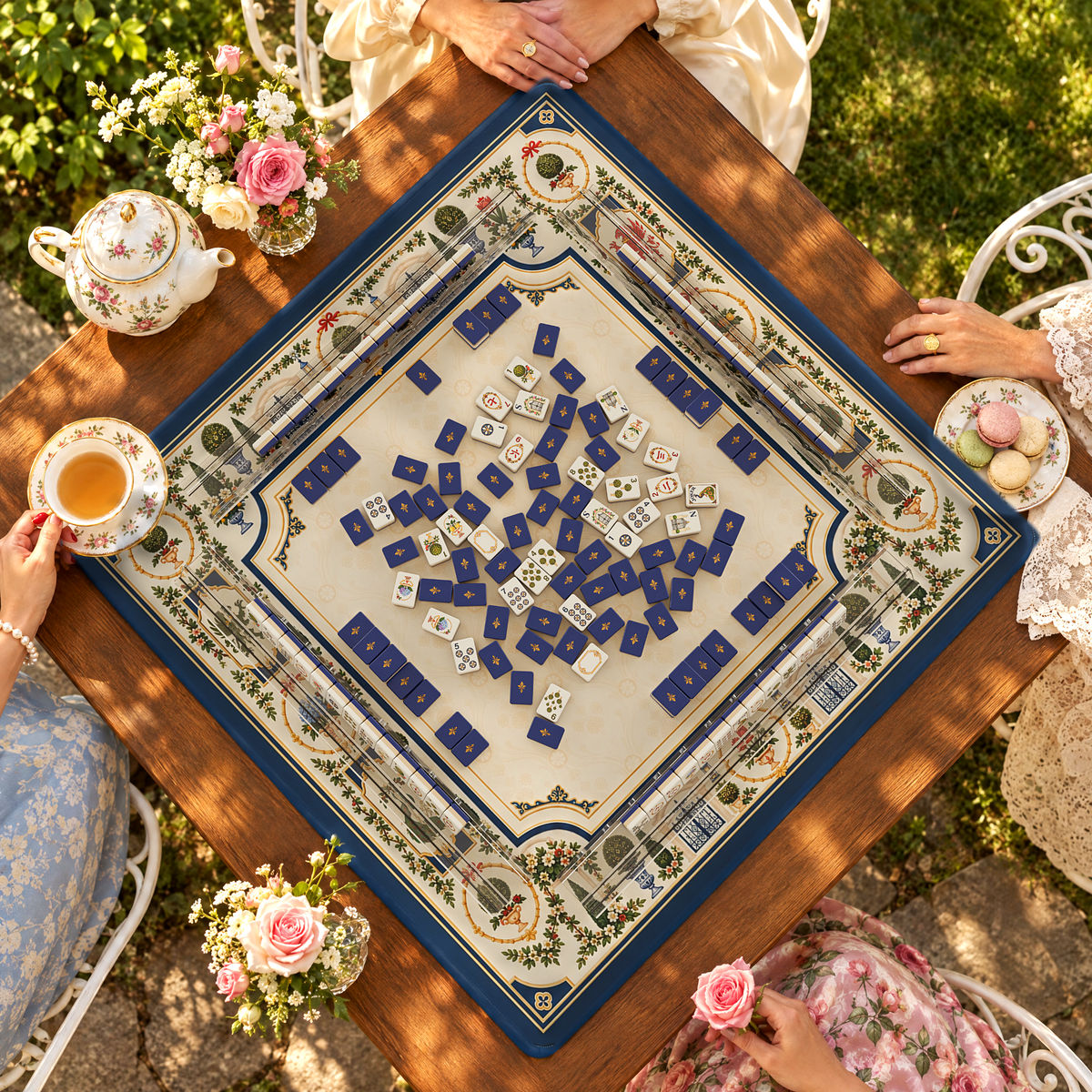
How engraving changes the game for regular players
Budget sets ship with generic printed designs that fade under handling and sunlight. Custom engraving—whether a family name, a year, a joke, or a personalized message—transfers the design into the tile itself, making it permanent. Engraved tiles feel more intentional and valued; they're less likely to be misplaced between games or borrowed and forgotten. For a group that plays together weekly or monthly, an engraved set becomes a shared ritual artifact. The cost difference between printed and engraved is modest per tile, but the psychological difference is real: a set you've invested in gets a special place in someone's home, not a closet. Our mahjong titles collection shows the range of personalization options from subtle to celebratory.
The storage question: bags, cases, and mat compatibility
A cheap set often comes with a thin nylon bag that rips after a few trips. Premium sets pair with reinforced travel bags or hard cases that protect against moisture, dust, and crushing. If you host games at your home and store the set on a shelf, a bag matters less; if you transport weekly, it's essential. Storage also ties to your mat and rack setup: sets designed for racks with pushers need a specific tile height to work smoothly. Mismatched tile thickness and rack depth causes jams and frustration. When shopping, confirm your tiles fit your existing rack (or order both together); measure your storage space before choosing a bag size. Our travel bags and cases guide walks through what size you'll actually need and how to pack without damaging jokers or fragile corners.
🀄 Shop best-selling mahjong sets →

Budget vs premium: a real-world comparison
Feature | Budget Set | Mid-Range Set | Premium / Custom Set |
Tile acrylic thickness | Thin, flexible | Standard, rigid | Heavy, rigid |
Printing | Silk-screened, fades in 1–2 seasons | Silk-screened, fades in 3–5 seasons | Engraved or hand-applied, permanent |
Rack compatibility | Works with basic racks, may jam | Works smoothly, standard sizing | Optimized for premium racks with pushers |
Included storage | Thin nylon bag | Padded bag or soft case | Hard case or custom travel bag options |
Lifespan (weekly play) | 1–2 seasons | 3–7 seasons | 10+ seasons |
Customization | Limited or none | Some name/year engraving | Full personalization, family crests, themes |
Best for | Casual players, first-time buyers | Regular weekly games, small groups | Serious collectors, host groups, gifts |
The mid-range tier is where most regular players find value: enough durability to survive 3–7 years of weekly handling, yet affordable enough to replace without regret if lost or damaged. Premium sets justify their cost only if you play seriously or gift to someone who will.
What to check before you buy: a four-step filter
1. Confirm the tile count is exactly 152 tiles plus 8 jokers. Some sellers pad counts with blanks that aren't part of legal play; that's misleading inventory, not added value.
2. Measure your existing rack (or buy a compatible one together). Tile height must match your rack depth; mismatched sets cause frustration. Our racks with pushers guide shows the standard dimensions and how to measure.
3. Ask how the design is applied—printed or engraved? Silk-screened designs fade; engraving doesn't. If you'll play weekly for 3+ years, engraving pays for itself in durability alone.
4. Test the tile feel in your hand if possible. Thick acrylic should feel substantial, not brittle. If ordering online, read whether purchasers mention smoothness, color accuracy, or warping.
🎁 See our most-loved mahjong sets & accessories →
Real hosting scenario: when does cheap fail?
You invite six friends for your first mahjong night. You buy the cheapest set available online. By game three, three tiles have cloudy printing that makes symbols hard to read; the rack pushers stick and won't glide smoothly; one tile is warped and won't sit flat on the rack. Your guests are confused about tile identity, the game slows down, and someone asks if they can bring their own set next time. A mid-range set—purchased from our best-selling collection—costs less than two dinners out but leaves your guests impressed and eager to return. Host groups spread the cost across multiple game nights; a set that lasts five years amortizes to under one dollar per session.
When to splurge: if you're buying for a multi-generational family, a permanent game group, or a gift for someone who will keep it for decades, invest in custom engraving and premium acrylic. The permanence and personal touch justify the difference.
✨ Find your Mahstead set — free US shipping →

FAQ
How long does a cheap mahjong set last with weekly play?
Budget sets typically fail within one or two seasons (12–24 games). Tiles crack, warp, or fade so much they're hard to read. Mid-range sets survive 3–7 seasons; premium sets last 10+ seasons.
Why does tile weight matter so much?
Heavy acrylic (the standard) feels solid in your hand, stays put in racks, and resists cracking under handling. Thin plastic tumbles, spins, and confuses your hand count. After handling 152 tiles dozens of times per game, weight is tactile comfort and durability combined.
Should I buy a cheap set as a starter, then upgrade later?
Only if you're genuinely uncertain whether you'll play long-term. If you're hosting a regular group, buy once at mid-range quality; the cost difference is small, and a failing set ruins the social experience.
What does "engraved" mean versus "printed"?
Printed designs sit on the surface and fade with friction and sunlight. Engraved designs are cut or fused into the acrylic itself—permanent and immune to wear. Engraving costs more upfront but saves replacing sets.
Can I use a cheap set with premium racks and mats?
Technically yes, but mismatched quality causes friction. Thin tiles may not fit racks designed for standard thickness; poor tile clarity wastes the precision of a good mat. Buy set and accessories together or confirm dimensions in advance.
Is a 160-tile set better than a 152-tile set?
A legal American mahjong set contains exactly 152 tiles plus 8 jokers. Any count beyond that includes spares (extra jokers or blanks). The 160-tile count refers to total inventory; only 152 go into play. Both are identical once you start the game.


View More
View More
View More
