
Cheap vs Expensive Mahjong Case: What to Buy in 2026
Last updated: Nov 23, 2026
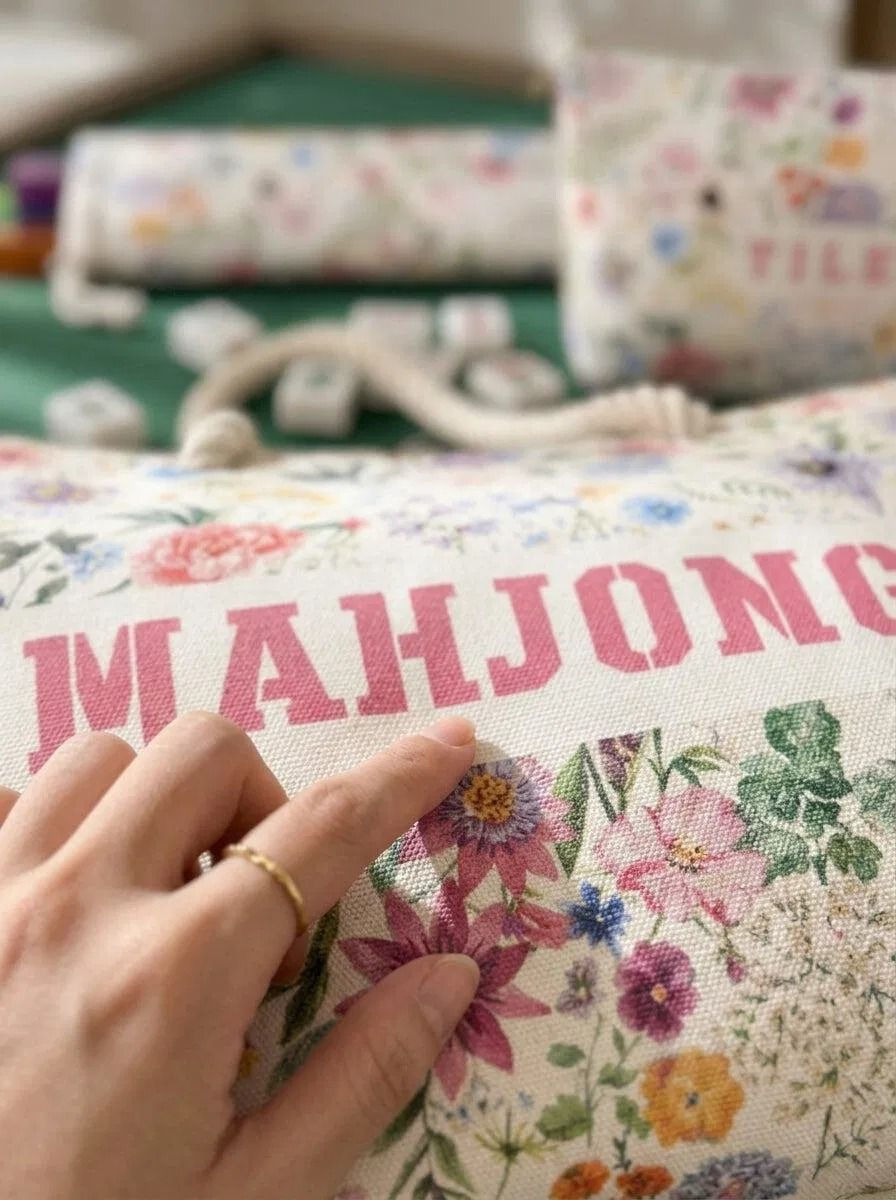
Mahjong cases range from simple zippered bags designed for casual storage to rigid, lined cases built for frequent travel and tournament play. Budget cases (typically soft-sided nylon or canvas) protect tiles from dust and light impacts, cost less upfront, and suit home players who store their set between weekly games. Premium cases feature reinforced frames, foam-lined interiors, tile-specific compartments, and handles rated for regular transport—ideal if you host or travel to other players' homes. Both keep your 160-tile acrylic set safe; the gap is durability, organization, and how often you move your game. Mahstead's travel bag collection includes options across this spectrum so you can match your lifestyle to your spend.
A mahjong case is not luxury; it's insurance for a 160-tile set worth protecting. Budget cases (typically soft-sided nylon or canvas) protect tiles from dust and light impacts, cost less upfront, and suit home players who store their set between weekly games. Premium cases feature reinforced frames, foam-lined interiors, tile-specific compartments, and handles rated for regular transport—ideal if you host or travel to other players' homes. Both keep your acrylic tiles safe; the gap is durability, organization, and how often you move your game.
What are budget mahjong cases best for?
Budget cases are soft-sided zippered bags made from nylon or canvas with minimal interior padding. They store a 160-tile set securely in a closet, protect against dust during stationary storage, and cost significantly less than rigid alternatives. Choose a budget case if your set lives at home, you play weekly in one location, and you rarely transport tiles more than a room away.
🀄 Shop best-selling mahjong sets →

Why do premium cases cost more?
Premium cases use rigid frames (often plastic or wood composite), compartmentalized interiors, reinforced zippers, padded handles, and shock-absorbent foam linings designed to survive repeated packing and unpacking. They distribute weight evenly, protect individual tiles from breakage during transport, and often include separate slots for racks with pushers or mats. Premium cases are engineered for players who move their game between multiple locations, host tournaments, or travel to far-away games monthly or more.
How do I compare cases before buying?
Use this checklist to evaluate any case you're considering:
Interior capacity: Does it fit a 160-tile set plus your mat or racks?
Compartments: Are tiles separated into suit-based or size-based slots, or loose in one bag?
Handle construction: Can the handle(s) support 8–10 pounds (typical set + mats + accessories weight) repeated times weekly?
Padding: Is the interior foam-lined, or just fabric?
Zipper durability: Are zippers nylon or metal? Do they move smoothly when you test them in a video or demo?
Exterior material: Is it water-resistant? Will spills on a car seat or humid air damage the case?
Return policy: Can you exchange it within 30 days if the fit doesn't work for your set?
Budget cases often fail on handle strength after 20–30 trips; premium cases may survive 500+.
🎁 See our most-loved mahjong sets & accessories →
What's the real cost difference, and is it worth it?
Feature | Budget Case | Premium Case |
Material | Nylon or canvas | Rigid frame + foam |
Lifespan | 1–3 years, light use | 5+ years, heavy use |
Transport durability | 10–20 round trips | 100+ round trips |
Tile protection | Dust, minor impacts | Drops, stacking, pressure |
Interior organization | One or two large pockets | Suit-based compartments |
Handle rated load | 5–7 lbs | 10–15 lbs |
Best for | Home storage, casual play | Travel, tournaments, hosts |
Budget cases cost 40–60% less upfront but require replacement sooner if you move your game regularly. A premium case costs more initially but amortizes over 300+ uses, making the per-trip cost lower for frequent travelers. For weekly players who never transport their set outside their home, a budget case is sufficient.

Which Mahstead cases solve common problems?
Our travel bag and case collection is organized by use case, not price, so you can filter by your need rather than budget alone. Soft-sided zippered options work well for storing a set on a shelf or under a table. Compartmentalized cases keep tiles organized so you spend 20 seconds setting up, not five minutes hunting for the Craks. Rigid cases with padded handles ship sets across states without a single crack. If you also need to transport your mat, look for a case with a dedicated mat slot or large enough to roll a mat separately inside.
✨ Find your Mahstead set — free US shipping →
What mistakes do players make when choosing a case?
Not measuring your set dimensions. Acrylic tiles are bulkier than bone-and-bamboo, and a 160-tile set with spare jokers takes more space than you'd expect. Measure your bagged tiles (length, width, height) and compare to the case's interior; a case that feels "close" will frustrate you every time you pack.
Assuming all handles are rated equally. A nylon bag with thin handles can tear when loaded with tiles, mat, and racks. Test handle stitching in product images or ask the seller for load ratings.
Forgetting about mats and racks. A case that fits tiles alone won't fit tiles plus a rubber mat and pushers. Budget 20–30% extra space if you transport those together.
Buying based on color alone. A beautiful case that arrives without ventilation holes or with sharp interior edges will damage tiles over time. Prioritize protection over aesthetics.
Ignoring water damage risk. Canvas and nylon absorb water. If you transport your set in a car on rainy days, a semi-waterproof or fully rigid case prevents mold and tile staining.
When should you upgrade from budget to premium?
Switch to a premium case if:
You move your set more than twice a week.
You travel more than 30 minutes to any game location.
You've had a handle tear or zipper break on a budget case.
You host games at multiple locations monthly.
Your set is engraved or has sentimental value—premium cases lower the risk of damage and replacement costs.
You stack heavy items atop your case in a car or closet regularly.
If you play in one room, one night per week, and store your set undisturbed for six days, a budget case is a rational choice. Spending on a premium case in that scenario is nice-to-have, not necessary.
What to check before you buy
Before finalizing any case purchase:
Confirm interior dimensions match your set's footprint plus 10% buffer.
Read the zipper and handle specs (material, load rating, stitching method).
Ask if the case is stackable or will collapse under weight.
Verify the return window in case it doesn't fit your set on arrival.
Check for odor or off-gassing reviews (new foam linings sometimes emit chemical smells for days).
Look for compartments tailored to Bams, Craks, Dots, not just generic "slots."
Mahstead cases are packed carefully and ship free across the US, so defects are rare—but opening a case on arrival and confirming fit takes five minutes and saves shipping a replacement back.
🎁 See our most-loved mahjong sets & accessories →

FAQ
Can a budget case protect acrylic tiles as well as a premium case?
A budget case protects against dust and minor impacts during stationary storage or single-room transport. Premium cases are engineered for repeated stacking, drops, and long-distance car travel—hazards budget cases weren't designed for. Choose budget if your set never leaves your home; premium if it travels.
What's the typical lifespan of a budget vs. premium case?
Budget nylon and canvas cases last 1–3 years of light to moderate use before zippers fail or handles tear. Premium rigid cases with foam interiors often function for 5+ years under regular use because they distribute stress differently and don't compress tiles directly.
Should I buy a case larger than my set so I have room to grow?
Yes, if you plan to add a second set or buy larger mats later. A case with 20–30% extra space is more comfortable to pack and leaves room for racks and pushers. Oversized cases aren't wasteful; they're practical.
Can I use a regular suitcase or toolbox instead of a mahjong case?
You can, but mahjong-specific cases have compartments that minimize tile shifting and breakage during transport. A generic suitcase offers no protection against pressure or stacking. If budget is the issue, a budget mahjong case outperforms a repurposed toolbox.
What's the difference between a case and a bag for mahjong?
A bag is typically soft-sided and collapsible (best for storage). A case is rigid or semi-rigid and shaped to hold weight (best for transport). Some Mahstead products blend both features—zippered exterior with partial internal structure—so they work for both use cases.
Do I need a case if I only play at home?
If your set stays in one room or closet, a case prevents dust and keeps tiles grouped so you find them quickly. A simple zippered bag is sufficient; you don't need a rigid premium case. But a case is cheaper insurance than replacing broken tiles.
Are Mahstead cases compatible with other brands of American mahjong sets?
Yes, because all American mahjong sets use the same 160-tile footprint and dimensions. Check the case interior dimensions against your set's width, length, and height to confirm fit before ordering.


View More
View More
View More
