
Clear Mahjong Table Cover: Protect Your Tiles & Game Setup
Last updated: Nov 23, 2026
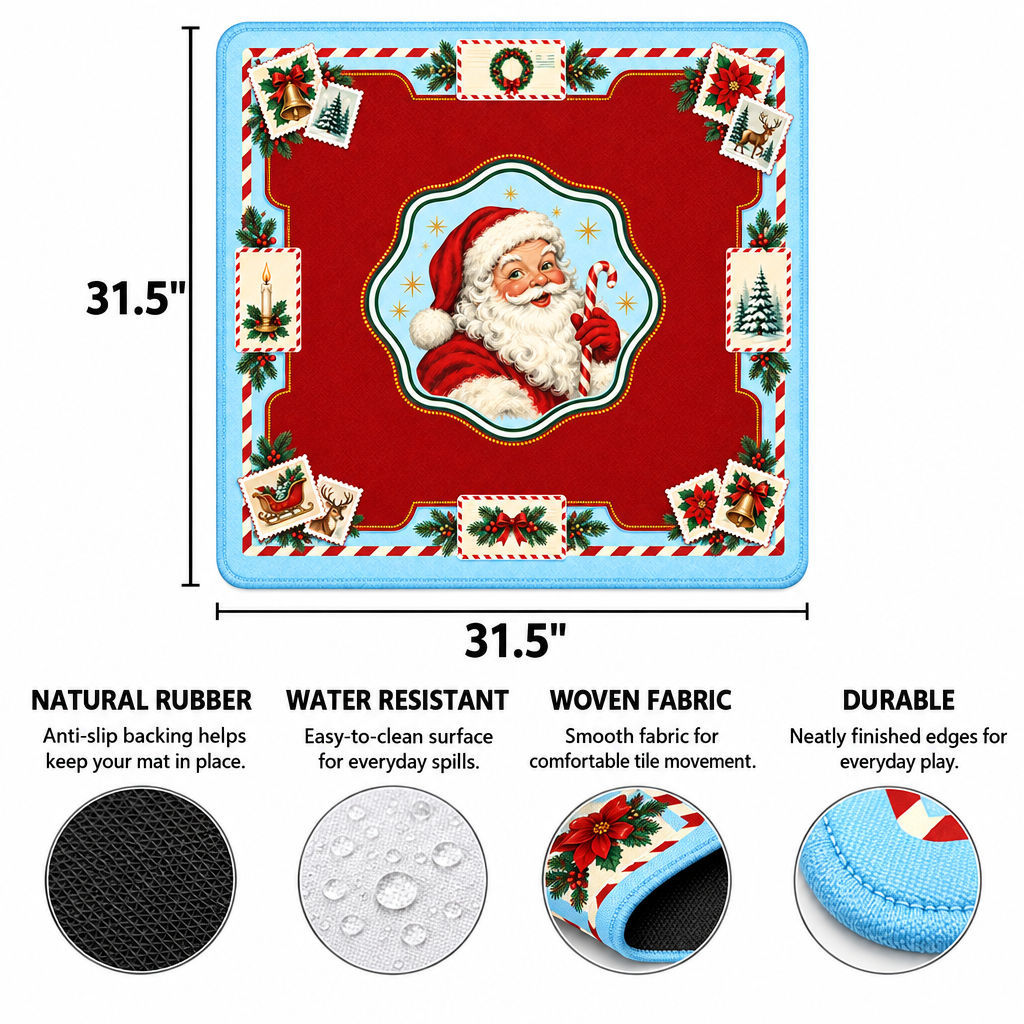
A clear mahjong table cover is a protective layer—usually acrylic, vinyl, or felt with a clear top surface—that sits over your playing surface to guard tiles, mats, and your table from damage. Most covers measure 36" to 40" square to fit a standard four-player game layout. They're sold individually or bundled with best-selling mahjong sets and mats at Mahstead. The choice between a cover and a mahjong mat depends on your space and durability needs: a cover protects a mat or table underneath, while a mat is the primary playing surface. Most players use a cover if they store their game between sessions or play on a dining table they want to keep pristine.
What's the difference between acrylic, vinyl, and felt table covers?
Acrylic covers are rigid, clear, and long-lasting—they stay flat, don't crease, and won't absorb spills. Best for players who play year-round and want a professional look. Vinyl covers are flexible, easier to fold for storage, and less expensive, but can scratch or cloud over time. Felt-backed covers (acrylic or vinyl top with felt underside) grip the table and protect the surface underneath from scuffs—ideal if you play on a dining table you don't want marked. Acrylic is our most popular choice for serious weekly players because it's durable and transparent; vinyl works for casual games; felt-backed hybrid covers suit mixed households where the table sees other uses. Choose based on how often you play and whether you need the cover to grip or slide.
How do you measure and fit a clear table cover to your space?
Measure your table or playing surface from edge to edge in both directions. Standard American mahjong games use roughly a 36" × 36" to 40" × 40" footprint once all racks, tiles, and the center pool are arranged. If you're covering a table that's larger than 40" square, allow 2–3 inches of overhang on each side so the cover doesn't slide during play. Check the product page for exact dimensions—covers listed are the usable surface area, not including overhang. For custom sizes or non-square tables (rectangular surfaces), measure your specific table and compare to the available sizes before ordering. Covers that are too small won't protect the edges where tiles and mats sit; oversized covers can bunch or fold awkwardly during gameplay.
🀄 Shop best-selling mahjong sets →
What happens to a table cover during a typical four-player game?
During play, the cover sits flat under the tile racks, hands, and the shuffling action in the center. Mah-jong involves frequent tile movement—drawing, discarding, and rotating the wall—so the cover must stay smooth and not wrinkle or shift. Acrylic covers handle this best because they're rigid and won't bunch under the weight of racks or hands. If you use a vinyl cover, fold it flat and secure it to the table edges with tape or clips before the game starts; otherwise, it can crease and trap air pockets. A felt backing helps keep the cover in place and prevents it from sliding when players lean in. After each game, wipe the cover dry if there were any spills, and store it flat (acrylic) or rolled loosely (vinyl) to avoid permanent creasing.
Should you choose a clear cover or a dedicated mahjong mat?
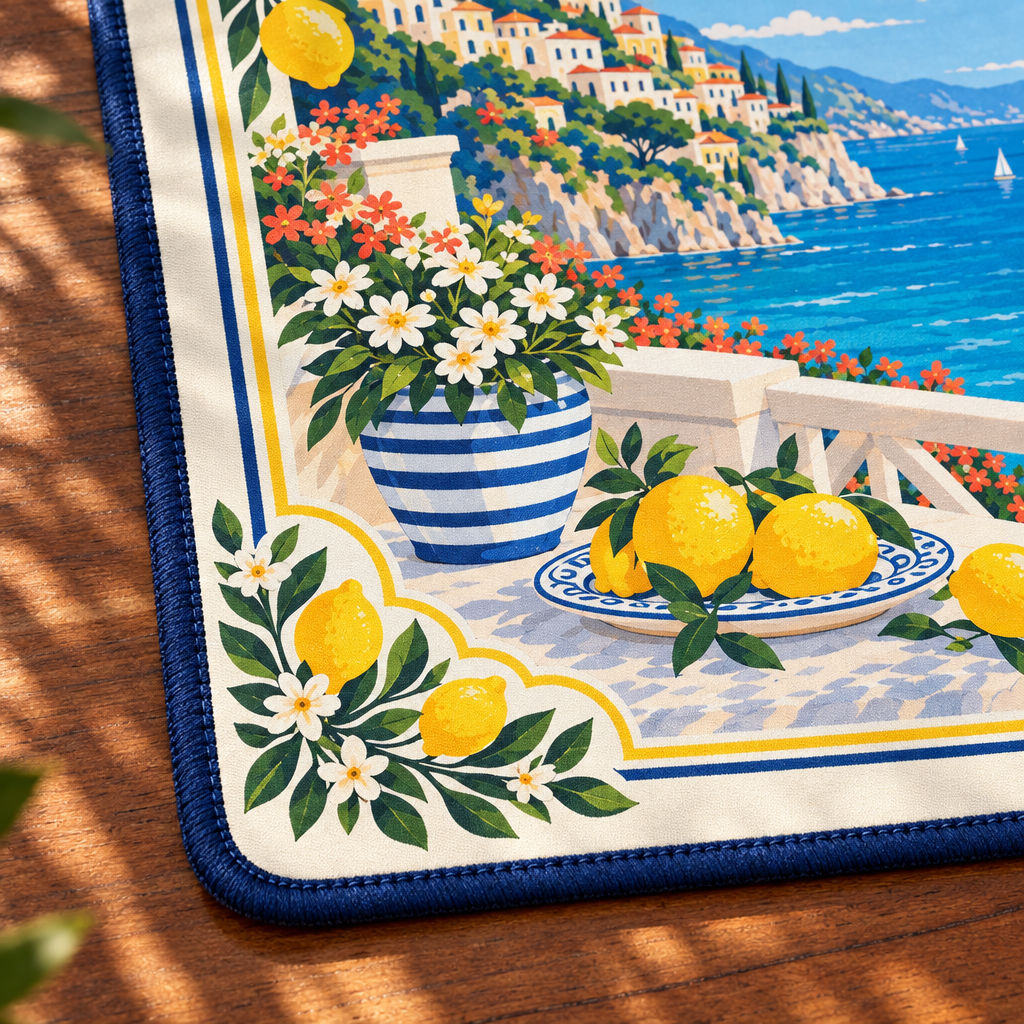
A clear cover is a protective overlay—it goes on top of a mat or table and can be removed. A dedicated mahjong mat (fabric, vinyl, or felt) is the primary playing surface and includes a built-in score frame, rack holders, or tile guides. Choose a cover if: you play on a dining table or borrowed surface and want to protect the underlying material; you store your game in a closet or bag and want to keep tiles and mats clean. Choose a mat if: you play weekly and want a professional, permanent setup; you're new to mahjong and want a mat with guides or a score frame to help you organize tiles and track points. Many of our players use both—a mat as the primary surface and a cover on top for extra protection. See our guide on how to choose a mahjong mat for detailed side-by-side options.
Setup Type | Best For | Includes | Typical Use |
Clear cover alone | Rental/dining tables | Protective layer only | Temporary or occasional play |
Mat alone | Dedicated game space | Built-in guides, score frame | Weekly games, serious players |
Cover + mat | Maximum protection | Protective layer + organized surface | Year-round weekly play, pristine storage |
Cover + mat + racks | Full setup | All three + tile organization | Professional home game, frequent entertaining |
How do you care for and store a clear mahjong table cover?
Wipe acrylic covers with a soft, dry cloth after each game to remove dust and tile residue. Avoid abrasive cleaners or rough cloths—they can scratch the surface and make it cloudy. For spills, use a damp cloth immediately, then dry thoroughly. Store acrylic covers flat (stacked with cardboard or felt between layers if you have multiple covers) in a cool, dry place; never fold them permanently. Vinyl covers can be rolled or folded gently and stored in a bag or drawer. Felt-backed covers should be kept flat or rolled with the felt side facing outward to avoid dust accumulation. Check covers annually for cracks, clouding, or peeling edges, especially if you play weekly. A well-maintained acrylic cover will stay clear and functional for 5+ years; vinyl covers may need replacement sooner if used heavily.
🎁 See our most-loved mahjong sets & accessories →
What to check before you buy a clear table cover
Measure your table and game setup first. Don't guess—record the exact dimensions and compare to product pages.
Confirm the material type. Acrylic for durability and year-round play; vinyl for budget and travel; felt-backed for table protection.
Check thickness or gauge. Thicker materials (noted on product specs) resist warping and scratching better than thin ones.
Verify the overhang or edge design. If the cover has folded edges, smooth edges, or grips on the underside, confirm they match your table shape.
Look for bundled options. Many of our mahjong mats are sold with covers included—bundling often saves money if you need both.
Plan for storage. Measure your closet or storage space; acrylic covers take up more room than rolled vinyl.
Read the return policy. If a cover arrives damaged or doesn't fit, confirm you can exchange it (Mahstead offers exchanges; see the product page for details).
We recommend pairing a clear cover with one of our best-selling acrylic mahjong sets if you're starting a new weekly game from scratch. The combination keeps your tiles pristine and your table protected while you build your skills and scoring rhythm.
✨ Find your Mahstead set — free US shipping →
FAQ
Can I use a clear plastic shower curtain or tablecloth instead of a mahjong cover?
Technically, yes—any smooth, clear material will protect tiles. However, thin plastic slides, wrinkles, and cracks under the weight of racks and tile shuffling. A purpose-made mahjong cover is rigid or weighted, stays flat, and is sized to fit standard game layouts. It's worth the investment if you play weekly.
How thick should a clear mahjong table cover be?
Acrylic covers are typically 3–5mm thick. Vinyl covers range from 0.5–2mm. Thicker is more durable, but anything under 3mm may scratch or crack with regular use. Check product specs before ordering; if thickness isn't listed, contact Mahstead directly.
Does a clear table cover affect how I shuffle or draw tiles?
No. A smooth, flat cover doesn't change tile movement or gameplay. It may feel slightly different from a bare table, but most players adjust within one game. Felt-backed covers grip slightly better and prevent sliding.
Can I use a mahjong mat instead of a cover?
Yes. A dedicated mahjong mat is a protective surface and an organizing tool—it replaces both the table and cover. Use a mat if you play weekly or want guides and score frames built in; use a cover if you play casually or need to protect a table you share with other uses.
Do I need a cover if I already have a mahjong mat?
Not always. A mat protects itself and the table. A cover is extra insurance if your mat gets heavy use, if you transport it frequently, or if you want to stack multiple mats for storage without them rubbing together. Many serious players use both.
How do I know if my clear cover is acrylic or vinyl?
Acrylic is rigid and won't flex; vinyl is flexible and can be rolled or folded. Acrylic is heavier. Check the product description—Mahstead lists the material type. When in doubt, ask before ordering.
What's included in a bundled mat and cover set?
Bundles vary. Most include a mat (fabric, vinyl, or felt base with a clear or patterned top surface) and a matching clear cover. Some bundles also include a score frame or tile racks. See the product page for exact contents before checkout.
Can I cut or resize a clear table cover if my table is unusual?
Cutting acrylic requires specialized tools and risks cracking. Cutting vinyl is easier but may fray edges. We recommend ordering the nearest standard size and using overhang or edge clips instead. Contact Mahstead if you have a non-standard table; custom covers may be available.


View More
View More
View More
