
Changsha Mahjong Terms and Glossary: Rules Guide
Last updated: Nov 23, 2026
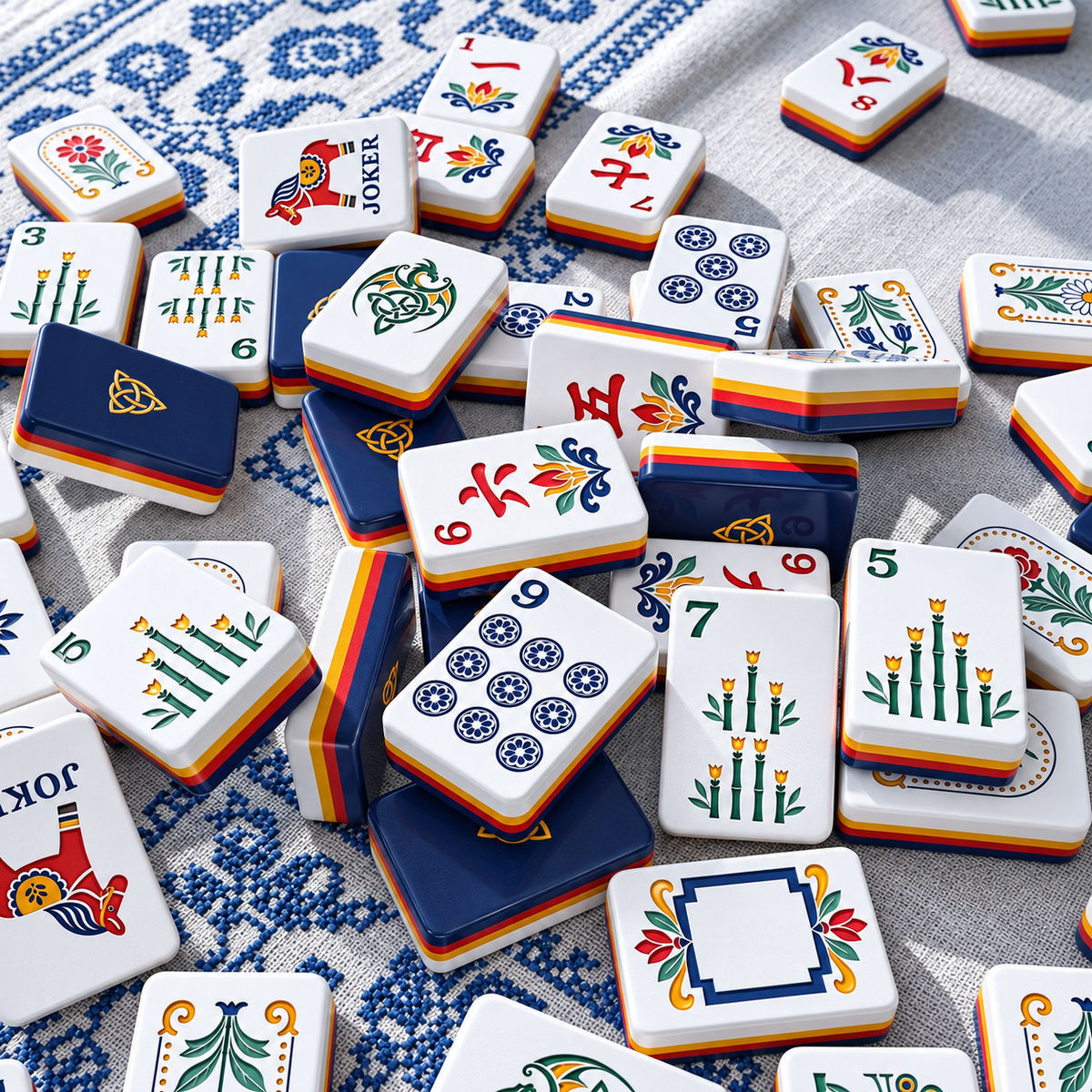
Changsha mahjong originated in Hunan Province and uses 108 tiles (four each of numbers 1–9 in three suits: Bamboo, Character, Dot), plus winds and dragons—no flowers or jokers. The game plays four rounds (East, South, West, North winds), each with four hands, and players draw and discard aiming to form a "winning hand" (hú) of melds plus a pair. Key terms include "peng" (pung: three identical tiles), "kong" (four identical tiles), "chi" (chow: three consecutive tiles in one suit), and "tingpai" (waiting for one tile to win). The discard phase is faster than American mahjong—tiles are drawn and played immediately, and any player may claim a discard to complete a meld. Scoring depends on hand composition, and many regional rules govern bonus tiles and payment. Understanding these terms helps you follow live games and read strategy guides.
Changsha mahjong is not one uniform game worldwide; dozens of regional Chinese variants exist, and Changsha rules are popular in central China and diaspora communities. We focus here on the widely recognized Changsha rules because they balance strategic depth with accessibility for newcomers. Unlike American mahjong—which locks hands to an annual printed card and forbids sequences on the table—Changsha allows you to form any valid meld combination and adapts to regional house rules.
What tiles and suits are used in Changsha mahjong?
Changsha uses 108 playing tiles: three suits (Bamboo, Character, Dot), each numbered 1–9, with four copies of each tile. Add 16 wind tiles (four each: East, South, West, North) and 12 dragon tiles (four each of Red, Green, White), plus some sets include seasonal or flower tiles that carry bonus points under certain rulesets. The core 108 tiles are always in play; extras vary by house rules. Each suit has distinct symbols—Bamboo shows stalks, Character shows Chinese numerals, Dot shows circles—making identification quick at the table.

What does "peng," "kong," and "chi" mean?
These three terms name the melds you form during play. Peng (pung) is three identical tiles; kong is four identical tiles. Chi (chow) is three consecutive tiles within one suit—for example, Bamboo 3–4–5 or Character 7–8–9. In Changsha (unlike American mahjong), you can call a discard from any player to complete chi, peng, or kong and expose the meld on the table. This makes the game faster and more reactive than American play, where exposing melds is limited to winning hand types only. Calling a meld interrupts the normal turn order: if you claim a discard, you play immediately, then pass to the next player.
How do you win a hand and what does "hú" mean?
Hú (or "hu") is the term for a winning hand. A legal winning hand consists of melds (peng, kong, or chi) totaling 14 tiles plus a pair (two identical tiles). The hand must satisfy one of several patterns: common patterns include "all pungs" (no sequences), "all sequences" (no pungs), "mixed" (both pungs and sequences), or pattern combinations tied to bonus scoring. Some variants require the winning tile to be drawn from the wall; others allow winning from a discard. A player declares hú immediately upon completing a valid hand, and scoring is calculated based on the hand's composition and any bonus tiles present.
What are honor tiles and how do they affect scoring?
Honor tiles are winds and dragons—they carry bonus points and strategic value. A peng or kong of your own wind (the wind of the current round or your seat position) scores extra. Terminal tiles (1 and 9 of each suit) and honors (winds, dragons) are harder to form into sequences, so hands using only these tiles ("all terminals and honors") rank high in value. Bonus tiles (flowers, seasons in sets that include them) typically award instant points when drawn or melded. Regional rules vary widely: some count terminal-and-honor hands as premium; others disallow certain pairings. Always clarify the house rules before play—scoring interpretation is the top source of disputes in regional games.
What is "tingpai" and why does it matter?
Tingpai (or "ting") means your hand is "waiting"—you have formed all but one tile and need one specific tile (or sometimes a small group of tiles) to win. For example, if you hold four melds and need only one more Bamboo 5, you are "waiting for Bamboo 5." Declaring ting is optional but strategic: in many rulesets, you cannot change your waiting tile once declared, and other players may adjust their play to block you. Some regions allow a "ready hand" bonus if you declare ting and win; others penalize revealing your waiting tile. Managing when to declare ting versus staying hidden is a core skill in Changsha play.
Term | English | What It Is | Example |
Peng | Pung | Three identical tiles, can be called from any discard | Three Bamboo 2s |
Kong | Kong | Four identical tiles, drawn or called | Four Dot 7s |
Chi | Chow | Three consecutive tiles in one suit | Bamboo 5–6–7 |
Hú | Win | Complete hand: melds + pair | Four melds + one pair = 14 tiles |
Tingpai | Ready/Waiting | Hand needs one more tile to win | Waiting for Character 3 |
East/South/West/North | Winds | Honor tiles, bonus if matched to seat/round | Your wind or round wind |
Paidui | Discard pile | Face-up discards on the table | Played tiles in order |
Heyi | Closed game | Hand hidden until win; no exposed melds | Rarer, high-scoring variant |
🀄 Shop best-selling mahjong sets →

How do regional rules differ, and which should you learn first?
Changsha mahjong has many rule dialects. The standard fast-play version (most common in diaspora communities) uses the 108 core tiles, allows chi calling, and scores purely on hand type and bonus tiles. The closed-game variant (heyi) plays with no exposed melds until someone wins—much rarer and slower. Some regions add flower tiles, seasonal tiles, or special "animal" tiles with bonus values. Before joining a game, always ask: Do we play with chi calling? What are the bonus tiles? Can I claim from any player or only previous player? What is the payment structure? These questions take 30 seconds and prevent angry shouting later.
For a first-time learner, start with the fast-play open-hand version (chi calling allowed, exposing melds standard). It mirrors the speed and social energy many players love. Once comfortable, try closed-hand variants or regional tweaks.
How is Changsha scoring structured, and when do you pay out?
Scoring in Changsha depends on the winning hand's composition: a hand of all pungs scores differently from a mixed hand, and hands with bonus tiles or terminal-honor patterns earn multipliers or flat point bonuses. Each region publishes a scoring table listing point values for hand types; tables vary, so confirm the house table before the game begins.
Payment typically works like this:
If you win by drawing from the wall, all players pay you.
If you win from a discard, the player who discarded pays you double or triple (depending on hand value); other players pay at full value.
If someone wins and you have a called meld on the table, you may pay extra ("meld penalty"), though rules vary.
Many groups use a scorecard system: winners and losers settle accounts after each hand or at the end of a round. This is faster than paying tile-by-tile and avoids disputes.
🎁 See our most-loved mahjong sets & accessories →
How does Changsha compare to American mahjong?
Rule | Changsha | American |
Tiles | 108 core (+ honors); no jokers | 152 + 8 jokers |
Sequences (chi) | Allowed and callable from any player's discard | Not allowed in play; hands only from annual card |
Exposed melds | Can expose peng, kong, chi during play | Can expose only certain meld types; depends on hand pattern |
Hand selection | Any valid combination of melds + pair | Only patterns on current year's National Mah Jongg League card |
Gameplay speed | Fast; tiles drawn and played immediately | Slower; careful discards and strategic blocking |
Jokers | None | Wildcards; can substitute in melds (except pair) |
Pair rule | Must be identical tiles | Must be identical tiles |
Scoring | Hand composition + bonus tiles; varies by region | Hand pattern + point value on card; standardized nationally |
The biggest difference: Changsha is a "natural" game (any meld that is valid can be played), while American mahjong is a "card-driven" game (only hands on the printed card are legal). This means Changsha rewards pattern recognition and quick decision-making, while American mahjong rewards memory, card reading, and risk management. Both are deeply strategic.
✨ Find your Mahstead set — free US shipping →
What should you check before joining a Changsha game?
Before sitting down, clarify these five points with the group:
Tile set used: Is it 108 core tiles only, or do you include flowers/seasons/animals? Some groups use a 144-tile set.
Chi calling rules: Can you call chi from any player's discard, or only the player to your right?
Payment structure: Who pays whom? Does discarding the winning tile cost double?
Bonus tiles and scoring table: What is the house scoring table? Do winds and dragons award points?
Ting declaration: Must you declare tingpai, or is it optional? Can you change your waiting tile?
Writing these down on a phone note takes two minutes and saves hours of argument. If rules conflict, ask the organizer for a house rule sheet or a reference player who can mediate.
What equipment do you need to play Changsha?
A full Changsha game requires a 108-tile set (or your regional variant count), a discard tray or mat to organize played tiles clearly, and four racks or holders to keep hands hidden. Many casual home games skip racks and rest tiles in hand, which is fine for relaxed play but slows down tournament-style or money games. If you host Changsha regularly, browse our collection of mahjong mats to find one spacious enough for the faster tile flow of open-hand play. A felt or laminated surface keeps tiles from sliding, and a large mat makes it easier for all four players to see the discard pile.

FAQ
Is Changsha mahjong the same as Riichi mahjong or Hong Kong mahjong?
No. Riichi is a Japanese variant with different tiles, hand patterns, and scoring. Hong Kong mahjong is another Chinese regional game with distinct rules, often faster than Changsha. Each has unique terminology and play style. Ask your group which variant they play before joining.
Can I use an American mahjong set to play Changsha?
Not easily. An American set has 152 tiles including jokers and extras; Changsha uses 108 core tiles. You could remove jokers and use only the numbered and honor tiles, but you'd lack the correct distribution and might confuse suit symbols. A dedicated Changsha set is best, though many regional sets are sold online or at Chinese game shops.
What does "meld penalty" mean, and when do I pay it?
In some Changsha rulesets, if you have called a meld (exposed on the table) and someone else wins using your discard or a tile you played, you owe the winner an extra payment. This discourages aggressive calling. House rules vary—clarify before play whether meld penalty applies.
How many rounds does a full Changsha game last?
Typically, a full game is 16 hands: four hands per round, played in each of the four wind rounds (East, South, West, North). Each round takes 10–30 minutes depending on speed. A full 16-hand session lasts 2–4 hours for casual play, or 1–2 hours for experienced fast-play groups.
What is the most common mistake beginners make in Changsha?
Calling chi too early or too often, which telegraphs your waiting hand and helps opponents block you. New players also forget to track discards and which tiles are likely remaining, losing strategic advantage. Slow down, watch the discard pile, and wait for high-confidence calls.
Where can I find a Changsha game to join?
Look for Chinese community centers, senior centers, or local gaming clubs in your area. Many diaspora communities in North America, Europe, and Australia host weekly Changsha groups. Online communities and meetup boards also organize play. Start by asking at a nearby Chinese grocery store or cultural association.


View More
View More
View More
