
Changsha Mahjong Strategy: Tempo, Discards & Hand Reading
Last updated: Nov 23, 2026
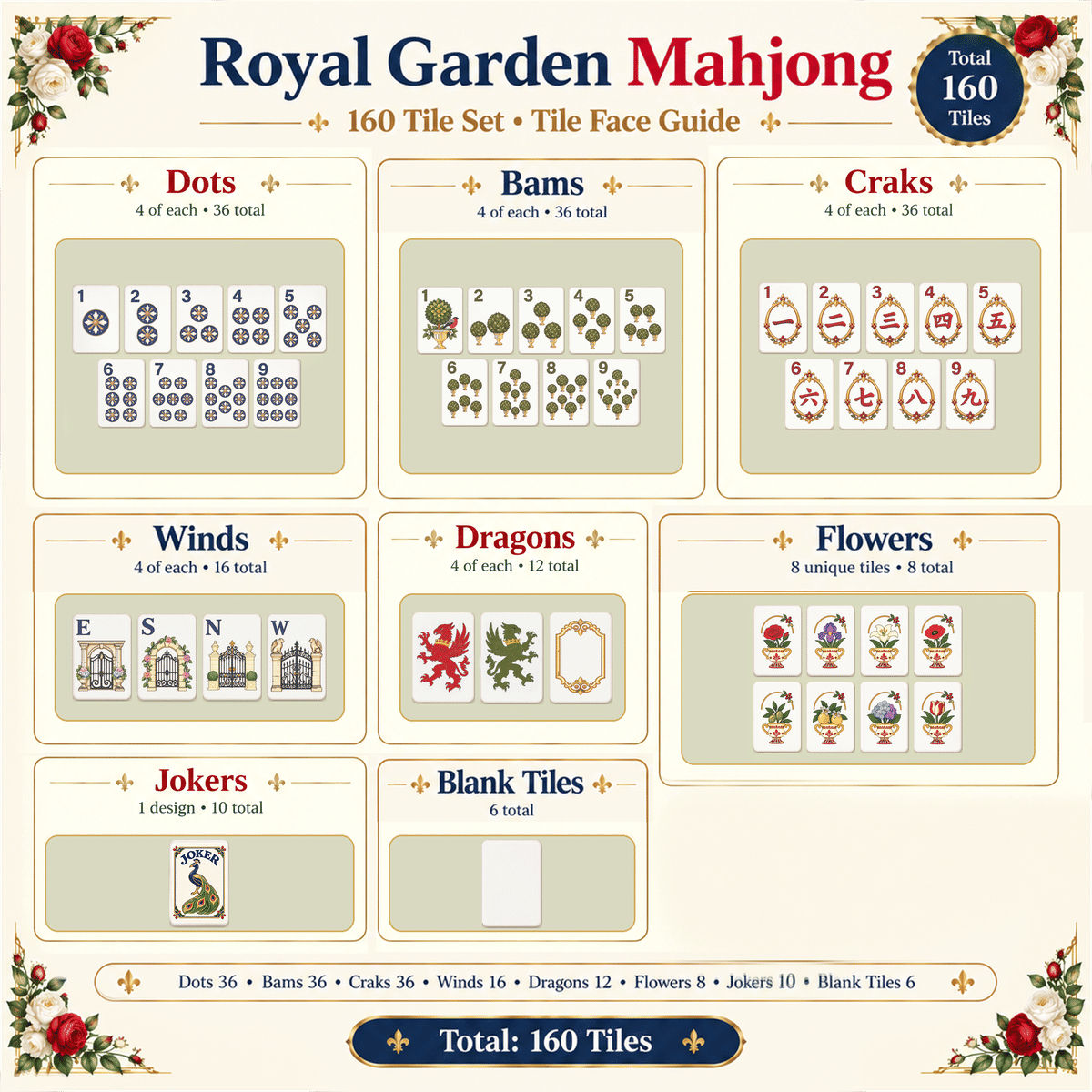
Changsha mahjong is a fast-paced Chinese regional variant played with 136 tiles (one suit stripped entirely) that rewards aggressive discard reading and tempo control. Players must track live tiles, spot incomplete hands early, and manage their own hand safety simultaneously—there's no National League card or jokers to guide you. The winning edge comes from three skills: (1) recognizing which discards signal weakness vs. fishing, (2) maintaining pressure through calculated aggression, and (3) knowing when to pivot from attacking to defense mid-game. Tempo matters enormously; a one-tile delay in your discard can cost you information and initiative. Unlike American mahjong, Changsha requires real-time decision-making under incomplete information.
Why Discard Order Reveals Everything in Changsha
Your discard sequence is your confession to the table. In Changsha, each tile you throw broadcasts your hand progress, your danger zones, and your intent. If you discard terminal tiles (1s and 9s) early and freely, you're likely building a middle-number hand or fishing for all types. If you're holding them, you're likely working a terminal-heavy hand or honor pair. The first five discards—what players call "early play"—establish your table persona. Tight early discards signal a strong hand forming; loose ones suggest you're still hunting. Smart opponents won't call early; they'll watch your pattern. By discard seven, if you haven't thrown a single Crak, everyone knows you're working Craks. This transparency is your vulnerability and your tool. When you do discard what seemed safe, the call pressure spikes immediately because observers now believe you were forced. Master players vary their early discard timing—not just the tile itself—to stay unpredictable. A one-second hesitation before throwing a 5 Dot plants doubt in callers' minds about whether you truly wanted to let it go.

How to Read Opponents' Incomplete Hands From Discards
Every discard is a clue to an incomplete hand. In Changsha, you're building toward one of roughly 30–50 common patterns: pairs of sequences, pung (triplet) combos, or honor-heavy hands. Pay attention to pairs of discards—if someone threw 3 Crak, then 7 Crak, they likely don't have a strong middle Crak hand. If they discard 3 Crak, then 3 Bam, they probably have two separate incomplete melds and are deciding which to pursue. The timing gap matters: a quick discard suggests confidence (safe), a slow one suggests reluctance (dangerous). Honor discards follow a grammar too: early Dragon throws often mean no Dragons are useful to that hand. Early Wind throws suggest Winds won't help. When a player suddenly reverses pattern—after throwing low numbers, suddenly throws honors—they've either picked up a high tile that changed direction or they're pivoting entirely. The best readers combine what was thrown, when, how fast, and against what board state. If player two throws a 7 Dot at turn four, and player three hasn't thrown any 7s yet, there's a statistical likelihood player three is working 7s. Call pressure rises. You now have real, tile-based information to decide your own pivot.
Tempo Control: The Underrated Winning Skill
Speed of play creates psychological and informational advantage. Throwing a tile instantly signals confidence; thinking hard signals uncertainty. Experienced Changsha players weaponize tempo. A deliberate one-to-two-second pause before discarding a tile you actually want to lose plants fear in callers—they hesitate, second-guessing your hand. Tempo also controls the rhythm of reveals. When you pick and discard quickly in sequence, you're cycling through tiles fast, signaling flexibility and comfort. When you slow down, you've hit a decision point; your hand is tightening around options. The board reads this. Aggressive tables punish hesitation with calls. Defensive tables read hesitation as a warning sign. The meta-game: vary your tempo early (quick on some tiles, slow on others) so no single pause reads as true information. By mid-game, if you suddenly stop slowing down and throw consistently fast, the table knows you've locked into your hand and shifted to defense. Beginners mistake tempo control for good play; it's actually communication through rhythm. You can mislead the entire table by controlling when you think.
The Pivot Decision: Knowing When to Switch Hands
Every hand has a pivot point—a moment when you abandon your original target and chase a new one. In Changsha, recognizing this moment separates skilled players from loose ones. A pivot happens when: (1) your original hand becomes statistically weak (you've seen too many of your needed tiles discarded by others), (2) a new opportunity opens (you've picked a tile that unlocks a faster, safer hand), or (3) pressure from discards forces you into defense mode. The cost of a late pivot is high: you waste picks building a hand that can't win, and you discard uncontrolled, appearing weak. The cost of an early pivot is also high: you abandon a hand that was 70% complete for one that's 40% complete. Reading the board state—which tiles are still live, which players are fishing in your suit—tells you whether your hand is viable or underwater. Strong Changsha players make the pivot decision by turn 6–8. Mediocre players pivot at turn 12, when it's almost certainly too late. The decision formula: Is your winning tile still live (not yet discarded)? Are fewer than two other players also building this type of hand? If yes to both, stay. If no to either, pivot immediately.

Hand Safety vs. Aggression: The Balance
Changsha rewards calculated risk, not caution. Too-safe play means you never declare, never pressure the board, and lose through stalling. Too-aggressive play means you're called frequently and lose through exposure. The balance is contextual. Early game (turns 1–8): fish aggressively, show loose discards, gather information. Middle game (turns 9–12): tighten your discards, commit to your best-read hand path, begin signaling direction. Late game (turns 13+): declare or pivot to a safe hand only—exposed hands at turn 14 are almost always called. Position matters too. If you're East (dealer) or South, you can afford more aggression; calls from you carry heavier scoring, so others hesitate. If you're West or North, soften your discard pattern early to avoid being seen as prey. The board state also shifts safety calculus: if three players are all fishing, one player must declare soon, pressure rises, and all discards become dangerous. If only one player is fishing and the other two are clearly far from ready, you have room to fish longer. Read the room before deciding how much safety you'll trade for information.
Phase | Discard Style | Goal | When to Pivot |
Turns 1–4 | Loose, rapid | Gather info | See opponent patterns |
Turns 5–8 | Tightening | Commit to one hand | Pick contradicts your build |
Turns 9–12 | Selective | Signal direction | Board pressure spikes |
Turns 13+ | Very tight or declare | Force win or fold | Losing tiles still live |
🀄 Shop best-selling mahjong sets →
What to Check Before You Play Changsha
Before you sit at a Changsha table, confirm five things with your group: (1) Are non-honors included (most variants use Dots, Bams, and Craks only; some include Winds)? (2) What scoring system—points or chips—and does a win triple or double pots? (3) Are bonus tiles (flowers, seasons) in play, and if so, how? (4) What's the wall break convention and how are tiles drawn? (5) Are there house rules about hand restrictions (e.g., no all-honors hands allowed, or certain combos banned)? Changsha rule sets vary significantly by region and table. American mahjong players often struggle because they expect a rigid, card-driven game; Changsha is contextual and oral-tradition-heavy. Write down your group's rules before session two. Mismatched rule assumptions cost hands and friendships. Your tiles themselves should be clearly legible—Changsha's speed means you're reading at a glance. Invest in a mahjong mat with clear hand boundaries so discard piles stay visible and organized. A fast game with unclear tile positions is a game that breeds disputes.
🎁 See our most-loved mahjong sets & accessories →
Building Intuition: Practice Patterns Over Theory
Changsha mastery isn't intellectual; it's pattern-learned through repetition. Theory tells you to watch discards; intuition lets you spot a weak hand in 0.3 seconds. Build intuition by playing weekly, focusing each session on one skill: week one, discard timing; week two, opponent hand-reading; week three, pivot decisions. Review hands after play. Why did a winning hand win? Which discards gave it away? When the winner threw which tile did you know they were fishing vs. committed? The best Changsha players can't always explain why they called a hand—they felt it was weak from the discard rhythm. That feeling is trained intuition, not luck. Beginners mistake intuition for guess; it's the opposite. If you're playing loose, high-volume Changsha (3–4 games weekly), you'll internalize patterns in 8–12 weeks. If you play once a month, you won't. Consistency matters more than raw time investment. Consider owning your own Mahstead tiles and mat—familiarity with your own set's weight, tile texture, and mat layout builds faster intuition than rotating through borrowed sets.
✨ Find your Mahstead set — free US shipping →

FAQ
How does Changsha differ from Hong Kong mahjong in strategy?
Hong Kong uses 136 tiles like Changsha but emphasizes melds visible on the table and bonus tiles (flowers). Changsha prioritizes discard psychology and speed. Hong Kong rewards patience; Changsha rewards quick read-and-react. Discard patterns matter in both, but Changsha's compressed timeline compresses the learning window.
Can I play Changsha tactics with American mahjong tiles?
Yes. American sets contain 152 tiles; you'd simply strip out one suit or skip the extra jokers. The tile types are identical (Bams, Craks, Dots, Winds, Dragons). The difference is game structure, not equipment. Your strategy would transfer, though American groups rarely play true Changsha rules.
What's the most common beginner mistake in Changsha?
Discarding without thinking about tempo. Beginners throw tiles at random speed, making their hand completely unreadable. Experienced players immediately know a beginner has no plan because their discard rhythm is noise. Control your speed before you control your win rate.
How do I know when my hand is genuinely underwater vs. just behind?
Count live tiles of your type still unplayed. If you need three 5 Dots to win (for a set) and all four have been discarded, your hand is dead—pivot now. If only one has been discarded and you see two players are also likely working Dots, your hand is behind but alive. Pressure and competition determine urgency, not math alone.
Is there a "best" Changsha starting strategy for a new player?
Play tight. Discard only safe tiles (terminals, honors) until turn 8. Watch discard patterns of the three other players. By turn 8, you'll know which hand paths are crowded and which are clear. Then commit. Loose early play feels aggressive; it's actually information-gathering for the table, not for you.


View More
View More
View More
