
British Mahjong Etiquette: Rules, Table Conduct & Traditions
Last updated: Nov 23, 2026
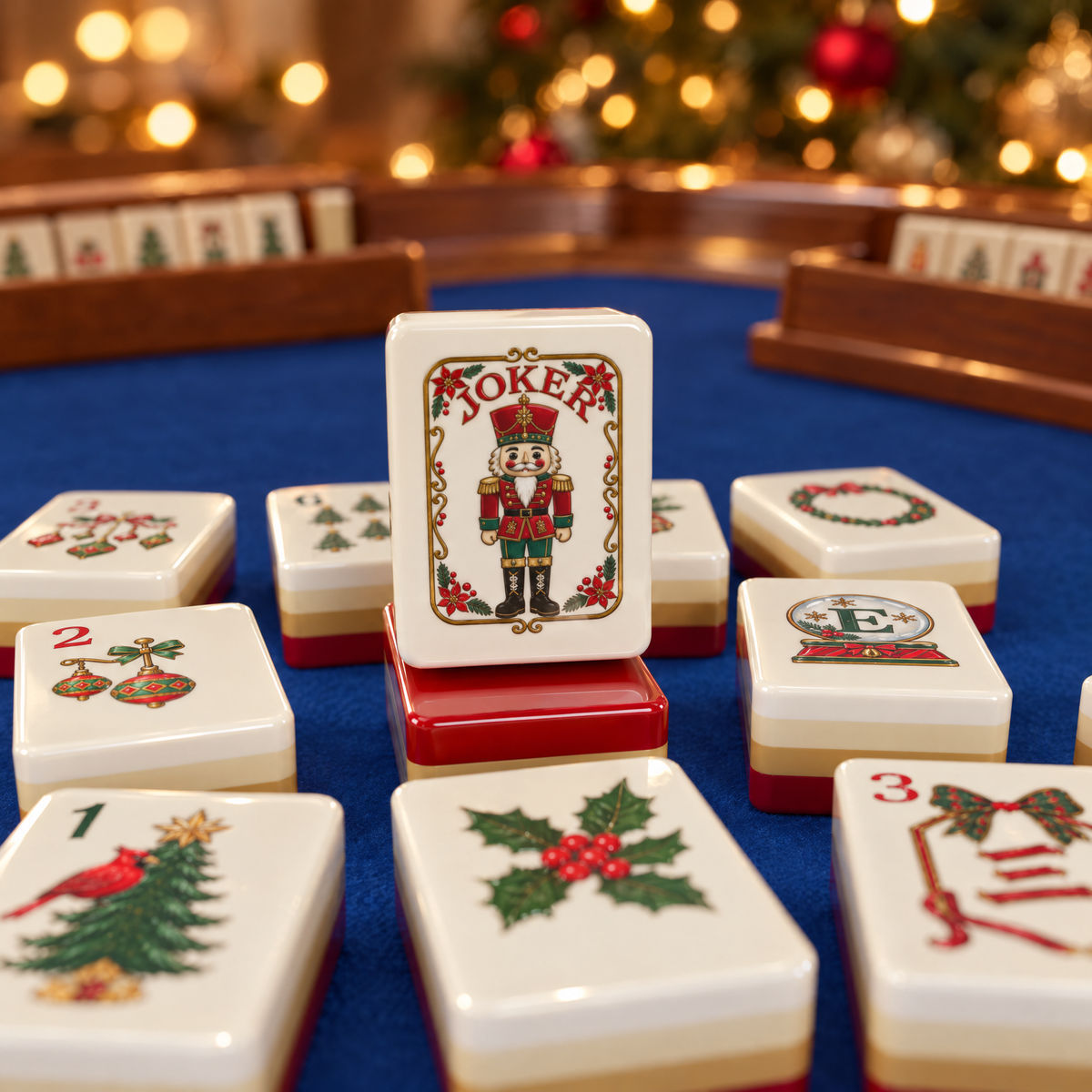
British mahjong etiquette centers on four pillars: respectful tile handling (discarding face-up in a neat row, touching only your own tiles), table silence (no conversation about active hands, no strategic advice), fair play (never rushing opponents, always clarifying rules before the hand ends), and social ritual (offering tea, keeping score visibly, acknowledging luck and skill equally). Most British players follow a blend of Chinese mahjong courtesy traditions and regional house rules—some groups favor strict Hong Kong silence; others adopt a more relaxed American approach. The core rule across all variants: treat tiles and opponents with care, never touch another player's wall or melds, and announce game state clearly.
🀄 Shop best-selling mahjong sets →
How do you handle tiles respectfully at a British mahjong table?
Tile handling is the foundation of British table etiquette. Always draw and discard with one hand, facing tiles toward the center so all players see them clearly. Stack discarded tiles in a neat row—never pile them randomly. Never reach across another player's wall or melds; ask them to pass a tile if you need to examine the table. Keep your own tiles concealed in your rack facing away from opponents. Wet fingers are common to prevent tiles slipping, but clean your hands before play.
A proper discard row—called a "line" in many British clubs—stays organized throughout the hand; some players arrange chronologically, others in columns by the order thrown. This prevents disputes over which tile was discarded when, especially important in Hong Kong and Chinese rule variants where the discard history affects scoring. Use a mat with marked discard areas if hosting regularly; quality mahjong mats with printed discard zones eliminate confusion and look professional whether you're playing in a living room or at a club.

Why is silence so important at the British mahjong table?
Silence—or "quiet play"—protects the integrity of the hand and respects each player's concentration. In British clubs, especially those following Hong Kong rules, conversation about unmelded tiles, strategy, or who might win is considered interference. This prevents accidental hints or tactical coaching that could sway outcomes. A few British groups play with lighter silence rules, but the default etiquette assumes no chat once tiles are dealt.
Before the game starts, players often agree on the silence threshold: strict (no talking except to announce tiles, clarify rules, or pay up), moderate (light chat okay between draws, but not about active hands), or social (casual chat that doesn't hint at strategy). Most competitive or weekly regular groups favor strict silence to keep things fair. Signal through simple tiles calls: "Pung," "Kong," "Quint," "Draw," "Discard"—nothing more. Announcing clearly when you've drawn a tile prevents the next player from playing out of turn.
What's the correct way to declare a win or hand completion?
When you complete a hand, announce it clearly but calmly: "Mahjong" (or "Mah Jong," depending on variant) or "Hand complete." Don't declare until you're certain you have a legal hand per the current rule set. In American mahjong, verify your tiles match the National Mah Jongg League card hand for the current year—this prevents disputes. In Chinese and Hong Kong mahjong, confirm your melds and terminal/honor combinations match scoring rules before calling.
Once declared, lay your melds face-up in order so other players can verify immediately. Pause for 3–5 seconds so opponents can check for errors; if no one objects within that window, the hand stands. If someone finds an error (mismatched pung, illegal pair, joker misplacement), gracefully undo the declaration and play continues. Never "accidentally" declare twice on the same hand—a hallmark of poor sportsmanship. If you win, thank the table; if you lose, pay promptly and without complaint. This ritual reinforces that mahjong is a game of skill and luck, and both winners and losers maintain dignity.
How do you handle disputes or rule confusion fairly?
Before play begins, all players agree on which rule set governs the session: American (using the current year's card), Chinese (standard combinations and scores), Hong Kong (stricter melds, higher faan values), or a house variant. Write this down. If a dispute arises—"Is that tile actually in my hand?" or "Does that meld count?"—stop play immediately, do not settle by majority vote or seniority.
Dispute Type | British Etiquette Response | How Long to Resolve |
Tile identity (cracked, worn marking) | Remove tile, sub spare. Recount wall. | 1–2 minutes |
Meld legality (Is joker allowed here?) | Check written house rules first, then rule book | 2–3 minutes |
Discard order / draw timing | Ask all players what they saw; if unclear, void hand and reshuffle | 3–5 minutes |
Scoring calculation | Use calculator, cross-check with score sheet | 1–2 minutes |
Player's mahjong call claim | Verify tiles match rule set; if error found, player pays penalty or hand voids | 2–3 minutes |
Designate one player (usually the host or most experienced) as the arbiter before the game—not during a conflict. Keep the rule book or League card visible; consult it, not opinions. If no rule covers the situation, table vote applies, but all players must accept the decision for that session. Record house decisions so future games reference the same standard. This prevents the same argument repeating every week.
🎁 See our most-loved mahjong sets & accessories →

What social rituals strengthen a British mahjong group?
Beyond tiles and rules, British mahjong thrives on ritual: offering tea or drinks before or between games (a nod to Hong Kong and Chinese traditions), keeping a visible score sheet so everyone can verify payments, and starting and ending games on time. Many weekly groups rotate who hosts; the host typically provides refreshments and enforces the agreed rule set that session.
Before each game, confirm: who's playing, which variant (American/Chinese/Hong Kong), whether it's casual or scoring, and how long the session runs. This clarity prevents frustration. At game end, settle scores honestly—no rushing, no IOUs unless pre-agreed. Thank opponents genuinely, especially if you won. If a player is new or learning a variant, brief coaching after the hand (never during) is courteous. Many British clubs host a "learner's table" one evening per week where questions are encouraged; others pair veterans with newcomers for mixed-skill play.
These rituals transform mahjong from a game into a social practice—which is why British groups often play the same day weekly for decades.
✨ Find your Mahstead set — free US shipping →
What equipment choices support good etiquette at the table?
Proper gear matters. Cheap or thin tiles slip easily, forcing players to touch or grab tiles repeatedly—a source of distraction and mild irritation. High-quality acrylic tiles with clear markings sit securely in a rack and feel weighty enough to discourage fumbling. A good mat defines the play zone, marks the discard row, and protects the table surface—all of which reduce accidents and disputes.
Mahjong racks with pushers are essential for British play: they keep your tiles upright and organized, and the pusher lets you draw smoothly without knocking over your entire hand. A travel bag or case signals respect for the game if you carry your set to a club or friend's house—it says "I take this seriously and will care for these tiles." If you host regularly, a mat with a non-slip bottom and clear zone markings prevents the table from shifting mid-game, a subtle but real source of tension.
For weekly groups, consider engraved sets with a group name, year, or house rule summary on the box; this doubles as a record of your group's history and signals unity.
What should you check before you buy a set for British play?
Before purchasing, verify:
Tile clarity: Can you read Bam/Crak/Dot numbers and wind symbols in dim light? British club lighting is often soft; test legibility.
Weight & grip: Tiles should feel solid and not slippery when wet with tea steam; acrylic holds up better than lighter materials.
Set completeness: Confirm you have all 152 playing tiles plus spare jokers. American sets are the standard in the UK and come with 160 tiles total (152 play + spares).
Rack fit: If you plan to use racks, measure tile height and rack slot width to ensure tiles sit upright without jamming.
Bag durability: If you travel to a club, check that the case has padding and reinforced seams; mahjong sets are heavy, and a torn bag on the way to play is genuinely irritating.
House rule alignment: Confirm whether your group uses American (NMJL card), Chinese standard, or Hong Kong rules; buy a set designed for that variant (acrylic American sets work across all rule sets, but card references differ).

FAQ
Is silence mandatory at every British mahjong table?
No. Silence rules depend on the group's agreement—casual home games often allow chat; competitive club play typically enforces quiet. Confirm your table's standard before playing.
Can you give advice to another player during a hand?
Never. Offering strategic hints—even quietly—violates British etiquette and is considered interference. Wait until the hand ends to discuss strategy or teach a rule.
What should you do if someone plays out of turn?
Announce it immediately: "Out of turn." If tiles haven't been discarded yet, the player retracts their move and play resumes with the correct player. If the discard is already in the line, most British groups void that hand and reshuffle, depending on house rules.
How do you address a damaged or illegible tile mid-game?
Pause play, show the tile to all players, and request a spare from the set. Replace it in your hand or the wall (depending on when it was discovered), and continue. Do not attempt to clean or repair it during play.
Is it rude to ask someone to clarify their discard?
No. Asking "What did you throw?" or "Which tile was that?" is standard and courteous, especially if the discard row is long or tiles are hard to read. Always ask before a hand completes; after Mahjong is called, asking suggests you question the win.


View More
View More
View More
