
Book Club Mahjong Party Food: Pairing Snacks with Tile Play
Last updated: Nov 23, 2026
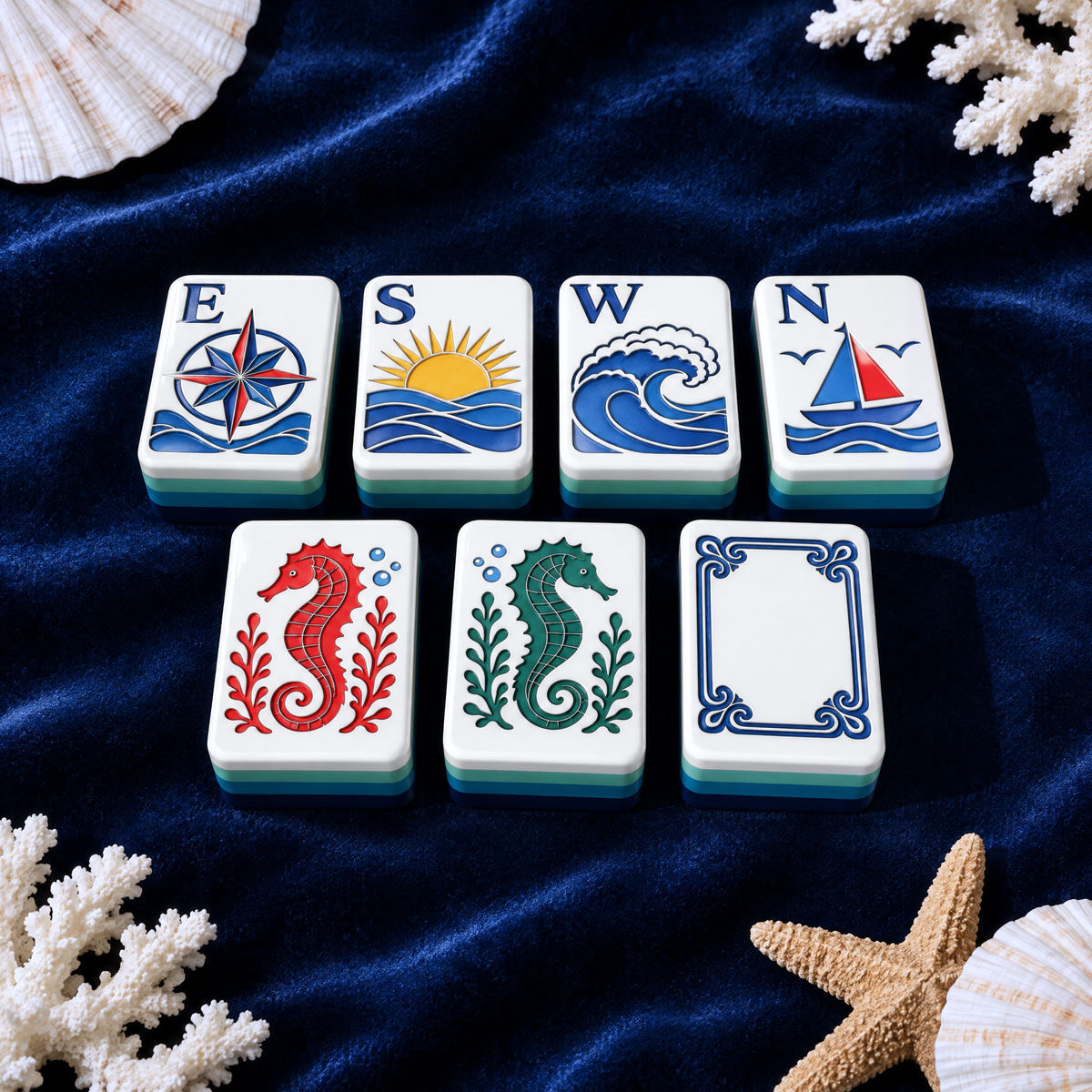
Book club mahjong parties work best when food doesn't interfere with grip or tile care. Serve finger foods and sips that let players keep one clean hand free for play: cheese, nuts, vegetables, cookies, water, coffee, wine in cups with wide, stable bases—never dripping condiments or sticky glazes. Reserve heavy meals for breaks between games. The Charleston (tile-passing ritual before each hand) lasts 2–3 minutes; use that moment for a snack bite or sip. Place drinks at the edge of the table, not near tiles. Keep paper towels and napkins within arm's reach. A damp cloth beside the mat lets players wipe fingers before touching tiles. Mahstead's acrylic sets resist staining better than bamboo, and a dedicated mahjong mat creates a barrier between food zone and play zone, making cleanup simple and protecting tiles during your entire event.
A mahjong book club combines two pleasures: reading and tile play. The right food keeps hands clean, tiles pristine, and focus sharp between rounds.
Why food and mahjong need a careful plan
Mahjong tiles are held in hand and passed across a table for up to three hours. Wet fingers, greasy residue, or sticky debris transfer to tile surfaces and racks, gumming up pushers and dulling the finish over time. Unlike casual snacking at a movie, mahjong demands coordination: you're reading the National Mah Jongg League card, calculating melds, managing your rack, and listening for called hands. Your hands stay busy. Grease on tiles also makes shuffling harder and throws off tile-balancing during the deal. Smart host strategy separates snack time from play time, and chooses foods that dry quickly on skin or leave no trace.

What foods work best at a mahjong table?
Serve only foods that dry on fingers within seconds or require no hand contact during play. Hard cheeses (cheddar, gouda, parmesan chunks), roasted nuts (almonds, cashews—unsalted to avoid salt residue), fresh vegetables (carrots, celery, bell pepper strips, cherry tomatoes), olives, pretzels, breadsticks, and cookies work well. Dried fruit, crackers, and popcorn are excellent because they crumble to dust and leave no film. Avoid anything sticky: chocolate, glazed nuts, honey cakes, peanut butter, dips, or any finger food coated in oil or glaze. Hard candies and mints are silent and leave zero residue. Pair foods with water, hot tea, black coffee, or wine served in glasses with wide, stable bases—narrow wine glasses tip easily during tile shuffles. Keep juice and sugary sodas off the table; they splatter and dry sticky. Beer in bottles works if kept in a bottle holder; cans sweat and leave wet rings. The best move: set up a small separate snack station three feet away, so players walk away from the table to eat, keeping tiles in the safe zone.
How to set up the food and table layout
Position your mahjong mat as the centerpiece. A dedicated mat creates a visual and physical boundary between the play surface and the outside world. Surround the mat on all four sides with at least 12 inches of clear table space. Place a small napkin stack or cloth at the two o'clock and ten o'clock positions (beside each player), not between them. Keep the snack station 2–3 feet away from the table's edge—far enough that a reaching arm won't knock over drinks or knock tiles. Use a rolling side cart or small separate table if you have the space; it lets players stand and graze without hovering over the mat. Provide a damp cloth (kept in a small bowl with a lid) at the mat's corner so players can wipe their fingertips before picking up tiles after eating. Empty used napkins into a lined waste bin, not back onto the table. If someone eats during play, they place their napkin in their lap and use their other hand for tiles. A simple rule works: "Eat, then tile time" or designate a 5-minute snack break every two hands (one hand is roughly 10–15 minutes, depending on speed).
Timing food around game flow
American mahjong games have natural rhythm. A full four-player game takes about 45 minutes for three hands (each hand 12–18 minutes plus shuffling). The Charleston happens before each hand and lasts 2–3 minutes—it's the ideal moment to take a bite or sip while tiles sit in the center. Heavy eating should happen between rounds (a full rotation of dealer position), not mid-hand. If you're hosting a 3-hour book club session with mahjong, plan it as: one hour reading and wine (lighter food available), 30-minute break (full meal or substantial snack), 90 minutes of play (finger foods and drinks only), then 30 minutes of reading, wrap-up, or lighter play. Players whose hands are occupied eating cannot be dealt in; make this clear upfront so no one misses a hand waiting for a snack. A smart host has snacks ready before the first hand, not scrambling to put out cheese mid-game. Having everything prepped also means you can sit down and play instead of stepping away constantly. Set a timer for rounds so the host knows when to clear old napkins and refresh the snack station.

Protecting tiles: compare your surface options
Hosting Setup | Tile Safety | Cleanup | Cost Basis & Space |
Bare table + napkins | Medium—spills happen | High—each spill requires immediate attention | Minimal cost; cluttered look |
Mahjong mat only | High—barrier contains drips; designated zone | Medium—mat itself needs a quick wipe; easier to move | Mat cost (see collection); protects underneath |
Mat + side table for snacks | Highest—food zone is separate | Low—minimal spillage near tiles; fast cleanup | Mat + table; professional appearance |
Mat + rack with pushers + dedicated case | Highest—closed storage; minimal air exposure | Lowest—tiles stored sealed; no dust/crumbs settle |
🀄 Shop best-selling mahjong sets →
Why acrylic tiles outperform bamboo at a food-friendly table
Acrylic tiles are easier to wipe clean than bamboo, which is porous and can absorb oils or juice. A quick swipe with a damp cloth removes residue from acrylic; bamboo may stain or swell if exposed to moisture. If you host regularly or expect messy guests, our best-selling acrylic sets resist damage and maintain their finish far longer than bamboo, and the money you save on repairs over time pays for the better material. Acrylic also reflects light beautifully during evening play, so players see tiles clearly even in softer lighting. If your book club is a one-time event, any clean set works; if you're building a permanent mahjong tradition at your home, acrylic is the practical choice for a food-inclusive space.
Before you host: a simple food and setup checklist
✓ Choose a mahjong mat that fits your table and buy or borrow it 2 weeks before the date.
✓ Plan your menu: list all foods (note which are wet, sticky, or crumbly).
✓ Test each food: eat it, wipe your hands on a paper towel, and check for residue. If it leaves a visible film, remove it from the menu.
✓ Set up the space the morning of: mat in center, snacks 2–3 feet away, napkins and damp cloth in place.
✓ Brief guests when they arrive: explain the snack station and the "wipe before tile play" rule without making it awkward (say it with a smile: "Help yourself—just grab a napkin first").
✓ Prepare a small trash bin lined with a bag so cleanup takes 30 seconds, not 30 minutes.
✓ If you have racks with pushers, teach one guest how to use them so everyone learns by example.
🎁 See our most-loved mahjong sets & accessories →

FAQ
Can I serve dips (hummus, guacamole, salsa) at a mahjong game?
No. Dips require a double dip or shared utensil, and they transfer oil and moisture to fingers. Stick to pre-portioned foods: cheese cubes, roasted vegetables, nuts. If dips are essential, use individual small cups and enforce a "one hand for food, one hand stays clean" rule.
How do I clean tiles after a food-heavy event?
Wipe each tile with a soft, barely damp cloth (microfiber or lint-free) immediately after play, then let air dry for 15 minutes. For sticky residue, use a cloth dampened with distilled water and a tiny drop of dish soap, then wipe again with distilled water alone. Dry thoroughly. Never submerge tiles or soak them. Our best-selling sets in acrylic tolerate this routine best.
Should I forbid food at the table entirely?
Not necessary. Most players understand "fingers dry before tiles." Set clear expectations upfront, provide the tools (napkins, damp cloth), and let people make choices. A relaxed, friendly rule beats a strict ban that makes the event feel uptight.
What's the best drink for a mahjong table?
Water, black coffee, or unsweetened tea in a cup with a stable, wide base. Wine or beer works if kept in a holder away from the mat edge. Avoid sugary drinks, citrus juice, and anything in a narrow glass that tips easily.
Can I use a tablecloth instead of a mahjong mat?
A tablecloth offers zero protection for tiles underneath and looks messy during play. A mahjong mat is specifically designed to house the game, define the zone, and protect your table—and tiles—from spills. The mat is a worthwhile investment for any regular host.
How many snacks should I prepare for a 3-hour book club?
Aim for 2–3 ounces per person per hour if food is light (cheese, nuts, fruit). For a 4-person club meeting 3 hours, prep 24–36 ounces total: one large cheese board, a bowl of mixed nuts, and a platter of vegetables. Refill halfway through. Avoid overstocking; stale snacks at the end won't be eaten.
What if someone spills on the mat?
Blot immediately with a clean, dry cloth. If the mat has a spill, do not wipe aggressively; let it air dry or use a barely damp cloth. Most spills from the approved foods (water, wine, coffee) dry without staining acrylic-backed mats. If the mat is stained afterward, mild soap and water with a soft cloth work. Check the mat care info when you purchase. ✨ Find your Mahstead set — free US shipping →


View More
View More
View More
