
Bone & Bamboo vs. Catalin Mahjong Tiles: Which to Choose
Last updated: Nov 23, 2026
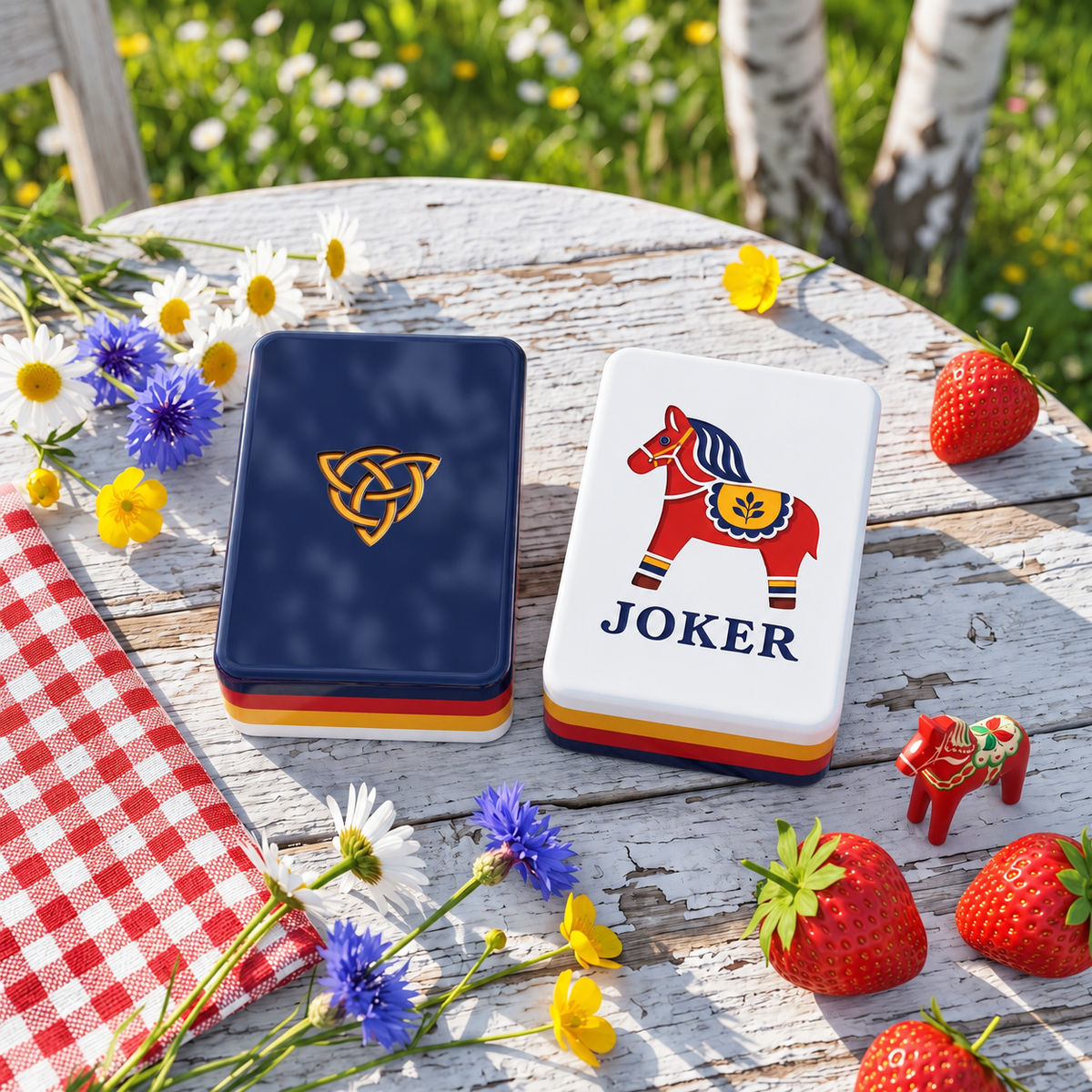
When you're choosing a mahjong set for your weekly game, tile material shapes how the set plays, ages, and fits your budget. Bone tiles (compressed animal bone) paired with bamboo racks deliver traditional weight and sound but demand careful storage away from humidity and heat. Catalin acrylic tiles—a vintage plastic formulation—resist moisture, never yellow or crack, and hold their engravings sharp for decades. Most American players buying new sets now choose acrylic: it's durable, machine-engraved crisply, ships safely, and requires only occasional dusting. Bone-and-bamboo sets suit collectors or players who value heritage aesthetics and don't mind re-gifting or storing seasonally. Neither plays differently once you're at the table; the choice is about longevity, maintenance, and cost basis over the life of the set.
What are bone and bamboo tiles made of?
Bone tiles are carved or stamped from compressed animal bone (usually cattle or camel), often paired with bamboo or plastic racks. The surface is typically hand-painted or engraved with symbols in black, red, or green ink. Bamboo racks are sliced from bamboo stems, lightweight, and prone to cracking if exposed to direct sunlight or rapid humidity swings. Bone-and-bamboo sets carry cultural weight: they're what players used in China, Hong Kong, and Taiwan for generations. A vintage set from the mid-20th century is still collectible today. The main trade-off is that bone absorbs humidity, expands, and can warp or split; bamboo becomes brittle over years of seasonal temperature shifts. Most players keep bone-and-bamboo sets in climate-controlled cases, away from radiators and damp bathrooms.

How does catalin acrylic hold up over time?
Catalin is a hard thermosetting plastic developed in the 1920s—the same material used in vintage jewelry and decorative items that survive 80+ years pristine. Unlike softer modern plastics (like injection-molded acrylic), catalin tiles don't yellow, warp, or become sticky in heat. The surface resists moisture, so tiles stored in a humid garage or played outdoors don't swell or delaminate. Engravings—whether hand-painted detail or laser etched—remain sharp and legible season after season. We've seen sets from our early years still in weekly rotation with zero tile degradation. Catalin's main limitation is that it can chip if dropped on concrete, and very old catalin (1940s–1950s) can become slightly brittle if left in direct sunlight for decades. Modern catalin tiles used in our best-selling sets are formulated to resist both UV and thermal stress, so they're safe for indoor or occasional outdoor play.
🀄 Shop best-selling mahjong sets →
Which material is actually more durable?
Feature | Bone & Bamboo | Catalin Acrylic |
Humidity resistance | Poor—swells, warps, needs cases | Excellent—stable in any climate |
Temperature swings | Poor—bamboo cracks, bone splits | Excellent—no expansion or shrinkage |
Surface engravings | Fade or wear if hand-painted | Stay sharp for decades, machine-etched |
Lifespan (light use) | 10–20 years with careful storage | 30+ years, minimal care needed |
Storage requirement | Climate-controlled, year-round | Drawer, shelf, or travel bag safe |
Cost of replacement tiles | Hard to source matching pieces | New tiles available if one chips |
Playability (feel) | Heavier, traditional click-sound | Slightly lighter, crisp shuffle sound |
Over a 20-year timeframe, catalin requires no maintenance beyond dusting; bone-and-bamboo demands active care. If you play weekly and store your set in a bedroom closet, bone will outlast neglect only if that closet stays dry and cool year-round. Catalin outlasts any storage neglect. For travel or seasonal storage (cabin, guest room, storage unit), catalin is the only practical choice.

What's the cost comparison over time?
Bone-and-bamboo sets typically carry a higher upfront price point than modern catalin acrylic sets, but the actual lifetime cost depends on storage and replacement needs. A premium bone set bought at retail may cost more initially; however, if tiles chip or the bamboo rack splinters, sourcing replacement pieces becomes expensive and time-consuming—often requiring specialist dealers. Catalin sets from our collection of engraved tiles cost less upfront and require zero replacement spending if stored normally. If you need replacement tiles (after a decade of heavy use), catalin tiles can be re-ordered from the same vendor; bone replacements often don't match the original set in hue or weight. Over 20 years, the true cost of a bone set (purchase + storage solutions + potential repairs) often exceeds a catalin set (purchase + free storage + durability). For a casual player hosting one game per month, either is fine; for someone who plays weekly and moves the set between home and a club, catalin saves money and stress.
🎁 See our most-loved mahjong sets & accessories →
Who should buy each material?
Bone and bamboo is for:
Collectors seeking authentic vintage aesthetics and heritage craftsmanship.
Players who own a dedicated game room with stable temperature and humidity.
Those comfortable re-gifting, storing seasonally, or keeping the set as display décor.
Budgets allowing annual professional cleaning or inspection by a specialist.
Catalin acrylic is for:
Weekly or tournament players who carry sets to clubs or venues.
Anyone hosting in varying climates (humid summers, dry basements, heated homes).
Travelers, cabin owners, or players moving sets between multiple locations.
Players prioritizing zero maintenance and decades of reliability.
Budget-conscious buyers seeking the best value over the set's lifetime.
Most American mahjong groups (clubs, synagogues, community centers) now use acrylic sets because they survive transport, travel, and shared storage without fuss. If your home game sits on a single table year-round and you enjoy ritual care, bone-and-bamboo rewards that attention. If your set gets packed into a bag each week, catalin is the only sensible choice.
What to check before you buy
Climate where the set lives. If your home experiences seasonal humidity swings above 50% or temperatures fluctuating more than 20°F year-round, acrylic is safer than bone.
Storage plan. Do you have a climate-controlled closet or game room? If the set lives in a garage, basement, or travels in a car trunk, choose acrylic.
Play frequency and location. Weekly players transporting sets need acrylic. Monthly home-only players can manage bone if storage is stable.
Aesthetic priority. Bone has warmth and heritage appeal; acrylic is crisp and modern. Both play identically once shuffled, so this is purely visual.
Engraving longevity. If you want custom engravings on your set to remain vivid after 10 years, machine-etched acrylic holds detail better than hand-painted bone.
Replacement tile availability. Call the seller before buying and ask: if one tile chips, can you buy a replacement individually? Catalin sellers can; bone specialists often cannot.
✨ Find your Mahstead set — free US shipping →

FAQ
Do bone and bamboo tiles play differently than acrylic?
No. Once shuffled, both materials deliver identical game mechanics. The difference is tactile (weight, sound, feel) and long-term durability. Bone is slightly heavier and clicks louder; acrylic is crisper and lighter. Neither advantage or disadvantage affects strategy or scoring.
Can I mix bone tiles with acrylic tiles if one breaks?
Not recommended. The size, weight, and thickness of bone and catalin tiles differ slightly, so mixed sets feel uneven during shuffling. If you break a tile, buy a replacement from the same set manufacturer to keep play consistent.
How do I know if a set is "real" bone or plastic masquerading as bone?
Real bone is porous—it absorbs water and swells. Real bamboo racks splinter if you dig a fingernail into the edge. Catalin acrylic is non-porous, feels smooth under fingernails, and never absorbs water. Ask the seller for material specifications; reputable vendors list bone, bamboo, or acrylic explicitly.
What's the safest way to store a bone-and-bamboo set long-term?
Keep it in a sealed case or wooden box in a climate-controlled closet (65–75°F, 40–50% humidity). Avoid basements, attics, garages, and windowsills. Add silica gel packets if the closet tends damp. Check it seasonally for cracks or warping.
If I buy a catalin set, will it yellow or crack like old plastic?
Catalin is different from modern soft plastics; it doesn't yellow with age or UV exposure. It resists cracking unless dropped hard on concrete. Sets we sold 15+ years ago look identical to new ones in daily rotation.
Which material is better as a gift for someone new to mahjong?
Acrylic. A beginner doesn't yet know if they'll play weekly or seasonally, so durability and low maintenance remove worry. If they play consistently for two years, they can upgrade to bone-and-bamboo later if they value heritage aesthetics.


View More
View More
View More
