
Black Mahjong Rack Bag: What to Choose for Travel & Storage
Last updated: Nov 23, 2026
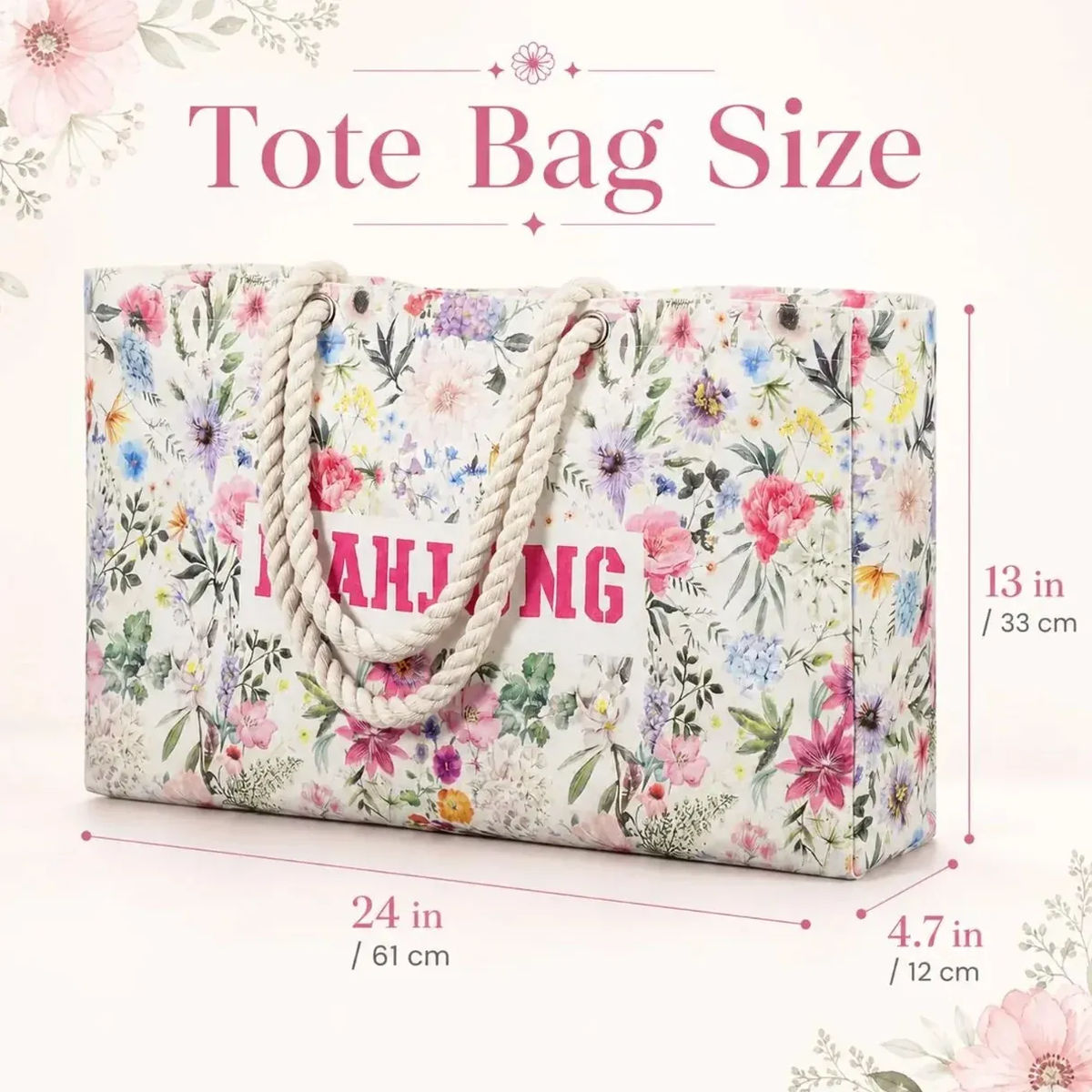
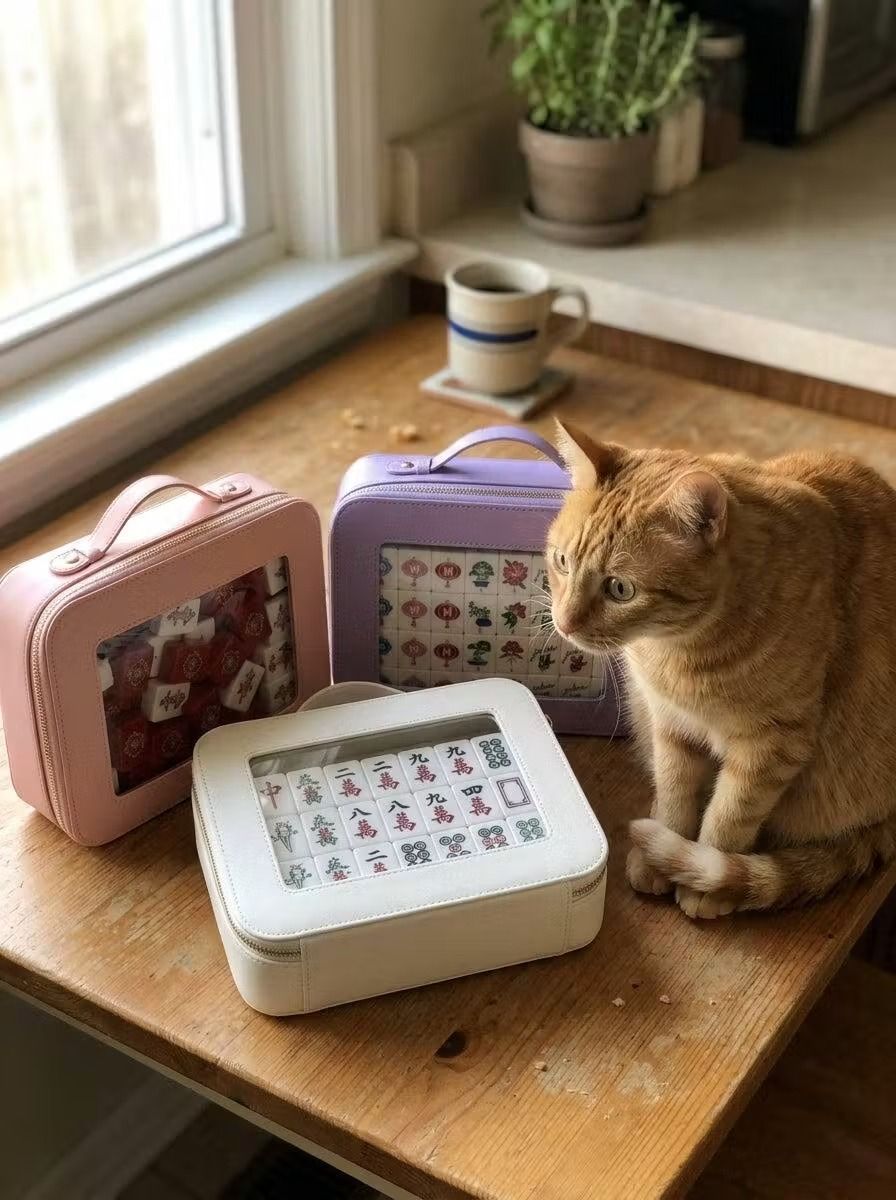
A black mahjong rack bag is a padded or soft-sided case designed to carry a complete 160-tile American mahjong set, racks with pushers, and sometimes a mat. Most hold a full set plus accessories in a compact footprint. Black bags offer a clean, portable look and practical protection from dust, spills and tile chips during transit between games. Sizes range from slim carriers (roughly 12–16 inches) for tiles and a mat alone, to large tote-style cases (18–24 inches) that fit everything: set, four racks, pushers and a rolled mat. Mahstead's travel bag collection includes options in fabric, canvas, and mesh designs, each with different compartments and padding levels. Choose based on what you carry weekly: tiles only, or the full game kit. Check interior dimensions before ordering—a tight fit damages racks and pushes jokers out of place. 🀄 Shop best-selling mahjong sets →
What's actually inside a black mahjong bag?
A full mahjong travel setup includes four racks (one per player), a set of 160 tiles with 8 jokers, four pushers, dice, and often a mat or card holder. Your bag must accommodate these stacked neatly without crushing them. Padded bags protect tiles from impact; fabric dividers prevent racks from sliding and scratching each other. Look for interior pockets for dice, scorecards, and the current year's hand card. If you carry mahjong mats too—which most weekly players do—confirm the bag has a dedicated rolled-mat slot or enough depth when the mat is folded. Many players underestimate depth; a mat rolled to 4–5 inches thick needs at least 6 inches of interior clearance to close smoothly without crushing tiles underneath.

How do size and compartments affect your choice?
Bag dimensions determine what fits and how portable it is. A compact 12×8×6-inch bag holds a set and one mat, fitting car cup holders and backseat storage—ideal for solo travel to a game. A mid-size 16×12×8-inch bag accommodates a set, four racks stacked, one mat and accessories, yet still fits under most car seats. A large 20×14×10-inch tote carries two complete sets or one set plus a full mat, four pushers, and scorecards—best for hosts who bring backup tiles. Compartments matter: divided pockets keep tiles isolated from racks, reducing noise and preventing joker loss during bumpy drives. Mesh or clear panels let you spot what's inside without opening. Open tote-style bags are fastest to pack but offer zero protection during transport; padded shoulder bags take longer to load but survive rough handling. Choose based on car space, game frequency, and whether you're a player bringing one set or a host carrying backup equipment.
🎁 See our most-loved mahjong sets & accessories →
Style | Who it's for | What fits | Pros | Cons |
Compact slim (12–14") | Solo players, apartment dwellers | 1 set + 1 mat | Light, fits narrow storage | Racks must stack perfectly; no room for extras |
Mid-size padded (16–18") | Weekly players, car-based commuters | 1 set + 4 racks + 1 mat + accessories | Balanced size/protection; cushioning | Slightly heavier; still snug if mat is thick |
Large tote (20"+) | Hosts, backup carriers, multi-set owners | 2 sets or 1 set + full mat + pushers + scorecards | Roomy; easy to pack; versatile | Bulky in small cars; can shift during braking |
Backpack style | Players who bike or use transit | 1 set + 1 mat | Hands-free; ergonomic straps | Less padding than shoulder bags; heat buildup |
What materials protect tiles best?
Canvas and heavy nylon offer durability and water resistance without excess weight. Canvas breathes, reducing moisture inside during humid storage; nylon sheds spills quickly. Padded fabric with foam inserts absorbs impacts—essential if your car hits potholes or if kids are in the vehicle. Mesh sides let air circulate, preventing mildew in damp climates. Avoid thin polyester alone; it tears easily and offers zero cushioning. Examine stitching at corners and handle attachment points—these fail first under repeated loading. Check if the bottom is reinforced; stacked tiles and racks push downward, so weak bottoms sag and create gaps where jokers slip out. Our travel bag collection includes reinforced bases and compartmentalized designs tested across weekly game hosts in Texas and beyond.

Black vs. other colors: does it matter?
Black is neutral, hides wear, and matches any décor or vehicle interior—practical for frequent players who want their bag to blend in. Colored bags (burgundy, navy, cream) feel more festive and are easier to spot in shared storage at game venues. They also show dirt and pet hair less. The real difference is psychological: black looks professional and discrete; color signals a dedicated player proud of their setup. Neither affects function or tile protection. Choose based on your style and whether you play at venues where dozens of cases are stored (bright color helps you find yours faster). If you host best-selling mahjong sets and others bring their own bags, a colored case prevents mix-ups. For solo weekly players, black is fine.
What to check before you buy
Interior dimensions: Measure your racks end-to-end and stack them inside the bag outline on the product page. Ask the seller for depth when the bottom is fully loaded with tiles.
Compartment layout: Open or divided? If divided, can a full rack fit in one slot, or must you remove pushers? Racks are awkward to disassemble mid-game.
Handle strength: Pinch test the attachment stitches. Look for reinforced corner brackets, not just glued webbing.
Base reinforcement: Press down on the bottom—does it flex or stay rigid? Flexible bases sag when full.
Zipper quality: Metal or heavy plastic? Cheap zippers jam under tension. Test the slider action in photos or videos if available.
Water resistance: Is the fabric treated, or just the lining? Treated exteriors protect tiles during brief rain; untreated canvas absorbs moisture.
Weight empty: Can you comfortably carry 8–12 pounds (a full set plus racks plus bag weight) for 10 minutes? If shoulder strain bothers you, choose a backpack over a tote.
Return policy: Order from sellers who accept returns if the fit disappoints. Mahstead ships free US-wide, so ordering and testing is low-risk.
✨ Find your Mahstead set — free US shipping →
When do you actually need a dedicated rack bag?
If you play weekly at a standing venue (friend's home, game club), a bag keeps your set safe during travel and storage between games. If you host, a bag lets you grab your backup set and supplies in seconds without fumbling through drawers. Casual players who host once yearly might store their set in a drawer or shelf instead. Tournament players moving between cities need robust protection—a mid-size padded bag prevents tile chips and cracked racks on airplane overhead bins. Players storing sets for months (seasonal play) benefit from padded bags that reduce dust and humidity damage in closets. Solo tile collectors who rotate sets based on the year's aesthetic (e.g., engraved American mahjong sets one season, classic designs the next) treat bags as regular tools. A black bag is your lowest-cost insurance against the largest annoyance: replacing a cracked rack or lost joker mid-game.
One final honest note: most bags fail not from defects, but from overpacking. Forcing racks into too-small compartments bends them; ramming a thick mat into a shallow bag crushes tiles. Measure twice, order once, and test fit before your first game.
FAQ
Will a black mahjong bag fit under an airplane seat?
Most mid-size bags (16–18 inches) comply with airline underseat dimensions, but ask your carrier. Large totes exceed limits. Measure your target bag against your airline's spec sheet before buying.
How do I prevent jokers from sliding out during travel?
Pack tiles in their original stack, not loose. Use padded dividers or small cloth pouches. Place heavier racks on top to anchor the stack.
Can I store a wet mat in a black bag?
No. Air-dry mats fully before packing. Damp fabric inside a sealed bag invites mold. Leave the bag unzipped during storage in humid climates.
What if my set is fragile acrylic—does padding matter more?
Yes. Acrylic tiles crack under drops; they don't bend like bamboo. Use a heavily padded bag and avoid stacking other items on top in your car.
Is a backpack-style bag better than a shoulder bag for weekly play?
Backpacks distribute weight evenly and free your hands; shoulder bags let you grab and go faster. Choose based on your commute distance and preference. Backpacks suit transit and biking; shoulder bags work for cars.
How often should I replace my bag?
A quality padded bag lasts 5–10 years of weekly use. Replace when zippers jam repeatedly, padding flattens, or stitching tears at stress points. Inspect annually.


View More
View More
View More
