
Best Thai Mahjong App: How to Play & Learn Online
Last updated: Nov 23, 2026
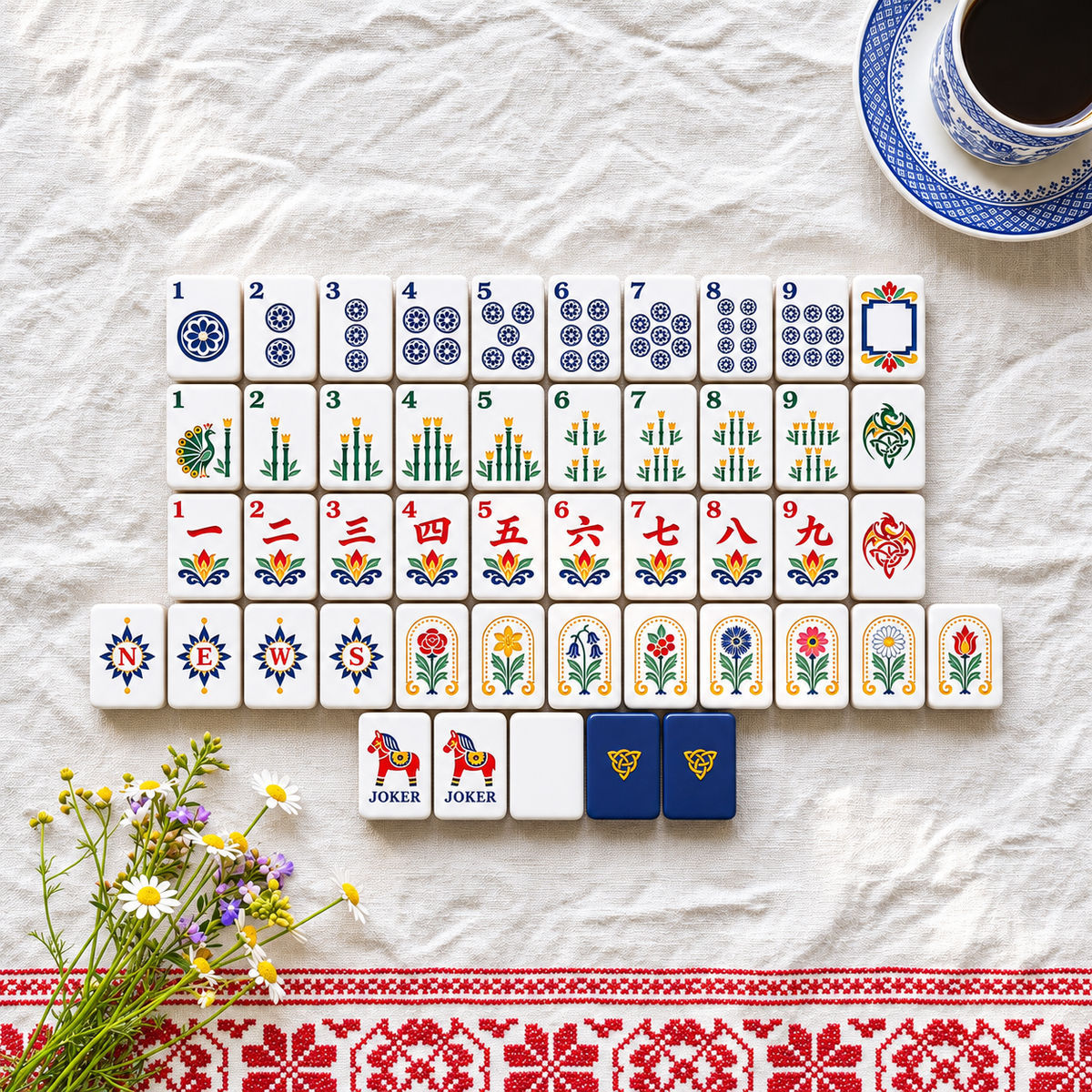
Thai mahjong apps offer live or AI-powered play with rules that differ significantly from American mahjong: Thai uses a 144-tile set (no jokers or flowers), allows melded sequences called chows alongside pungs and kongs, and scores by hand completeness rather than a fixed card. Top apps include those with simplified beginner modes, live multiplayer lobbies, and clear rule toggles so you can switch between Thai, Hong Kong, and other variants. Most are free-to-play with optional cosmetic purchases; some require subscriptions for tournament access. Choose an app based on your experience level—beginners benefit from built-in tutorials and AI opponents at adjustable difficulty, while experienced players prefer live tables with chat and ranking systems. Avoid apps with unclear rules explanations or forced ads that interrupt gameplay. Mahstead players often use apps to drill tile combinations and strategy between in-person games, then invest in a quality physical set once they're confident in their style.
Thai mahjong apps let you play anytime against AI or live opponents. Most are free-to-play with optional cosmetic purchases; some require subscriptions for tournament access. Top apps include those with simplified beginner modes, live multiplayer lobbies, and clear rule toggles so you can switch between Thai, Hong Kong, and other variants. Choose an app based on your experience level—beginners benefit from built-in tutorials and AI opponents at adjustable difficulty, while experienced players prefer live tables with chat and ranking systems.
What makes Thai mahjong different from American mahjong?
Thai mahjong uses 144 tiles (four copies each of suited numbers 1–9, winds, dragons, no jokers or flowers), allows chows (sequential sets like 4–5–6 of the same suit), and requires hand melding rather than matching a printed card. American mahjong uses 152 tiles, eight jokers, no chows, and hands must match the current year's National Mah Jongg League card exactly. If you're learning Thai rules through an app, you won't call or expose a chow in American play—that's the biggest rule gap. Most Thai apps toggle between variants so you can practice both; switching builds your pattern recognition fast. Start with an app that labels each rule clearly and lets you pause mid-hand to review tile names and combo legality.

Which Thai mahjong apps have the best tutorials for beginners?
Look for apps that separate rule learning from live play. The best beginner-friendly options include interactive tile-naming lessons, a practice mode with unlimited hands against easy AI, and a glossary of terms (bamboo = bam, circle = dot, character = crak in both Thai and American contexts). Apps without tutorials or with tutorials buried behind a paywall often frustrate new players—skip those. Test the app's free tier first: load a practice hand, meld a pung, and draw a tile. If the app doesn't show you what you just did and why it was legal, move on. Mahstead recommends downloading 2–3 carefully made apps and playing one beginner-mode session in each before deciding; the interface that feels most natural to your hands and eyes will keep you playing longest.
How do live multiplayer lobbies work in Thai mahjong apps?
Most apps organize players by skill level (bronze, silver, gold ranks) and region (though some are worldwide). You join a lobby, wait 30 seconds to 2 minutes for three opponents, and play a best-of-four or best-of-eight match. Scoring updates your rank; chat is usually filtered to prevent toxicity. Top apps show player statistics (win rate, hands played, favorite melds) so you can learn from strong opponents' tile discards and calls. Avoid apps that let higher-ranked players dominate lower ranks without handicap—good platforms either match by tier strictly or offer a beginner-only sandbox mode. Live play builds speed and decision-making; shift to live lobbies once you can complete a hand in under two minutes against AI.
What's the difference between free-to-play and subscription Thai mahjong apps?
App model | Best for | What you get | What you don't | Try first? |
Free-to-play (cosmetics only) | Casual players, learners | Full rules, AI play, basic lobbies | Cosmetic tiles, battle pass | Yes |
Free with ads | Budget-conscious | Same as above | Ads between rounds, limited cosmetics | Yes, but mute speakers |
Freemium (battle pass) | Competitive players | Above + ranked events, cosmetic unlocks | Premium tile skins, ad-free | If you play 3+ hours/week |
Subscription (tournament tier) | Serious players | All above + tournament entry, coaching videos, private tables | Nothing gameplay-critical | No, unless ranked already |
Most players start with a free-to-play app and upgrade only if they enjoy ranked play. Subscription models often include coaching videos and rule deep-dives, valuable if you're learning Thai mahjong as a stepping stone to American. Avoid any app that paywalls core rules or makes free players wait 10+ minutes between hands.

How can apps help you prepare for in-person Thai or American mahjong?
Apps train your tile recognition, hand-spotting speed, and discard strategy under time pressure. A Thai app lets you practice calling and melding sequences; switching to an American mahjong context afterward (no chows, jokers allowed, hands from the card only) sharpens your rule boundaries. Many apps offer replay-review modes: watch a recorded hand and pause to see why each player called or discarded a tile. Use this to study opponent patterns—veteran players discard high-risk tiles early, hold flowers and winds longer, and watch your pung calls closely. Apps also let you try hands at your own pace before a weekly game; new players often drill 15 minutes on an app before joining a live table, dropping their anxiety and making clearer calls.
🀄 Shop best-selling mahjong sets →
Once you've mastered an app and feel ready for in-person play, investing in a quality physical set makes sense. We recommend starting with our best-selling collection—acrylic tiles are durable, tiles are clearly marked with both numbers and suit symbols (crucial when learning), and each set includes a mat and racks so you can set up like a real table. American mahjong sets include eight jokers and 152 tiles; Thai players using an American set in person simply ignore the jokers and flowers and play standard Thai rules with the suit and wind tiles.
What to check before you download a Thai mahjong app
Rule clarity: Does the app define chows, pungs, kongs, and winning conditions in plain text? Load a practice hand and pause mid-turn—if the UI doesn't explain what you're looking at, uninstall.
Tile naming: Are bamboo, circles, and characters labeled consistently (bam, crak, dot) or do names flip between variants? Consistent naming = better learning.
Offline mode: Can you play against AI without internet? Apps requiring constant connection are frustrating on commutes.
No forced ads: Free is fine; ads between rounds are standard. Ads that interrupt mid-hand are dealbreakers.
Language support: If you're learning Thai mahjong from Thai speakers, look for apps with Thai-language tile names or toggle.
Multiplayer safety: Does the app report toxic players or ban account boosting? Check reviews for this specifically.
Start with one free app, play 10 hours of solo and lobby games, then decide if you want to buy a physical set or try another variant. Most of our customers who began with apps report that a real tile set feels slower at first—no AI timer, real shuffling, actual hand conversations—but far more social and engaging after the first hour.
🎁 See our most-loved mahjong sets & accessories →
Real-world workflow: app to table
Download & learn (3–5 hours). Pick a beginner-friendly app. Play practice hands on easy AI. Read the glossary twice.
Lobby play (5–10 hours). Join a low-tier live lobby. Play 20 full hands. Note which discards other players make first and why.
Replay study (2–3 hours). Watch 5 recorded hands at 1.5× speed. Pause to identify each player's discard pattern.
Decide on a variant (1 hour). Toggle the app between Thai, Hong Kong, and American rules. Which feels most natural?
Buy or borrow a set (1–2 hours). If you've chosen American, our best-selling collection includes everything you need—tiles, mat, racks—and ships free across the US. If Thai, confirm your local group's preferred set size (most use 144 tiles) before purchasing.
Join a live table. Bring your set or use a friend's. Play one full session. App speed feels slow; that's normal. Enjoy the conversation.
Top-tier Thai mahjong apps cost nothing to try and often reveal which rule variant or social setting (AI solitude vs. live banter) suits you best before you invest in a physical set. Many of our players report that their first app was the deciding factor—they'd already fallen in love with the game before stepping up to a real table and a quality set.
✨ Find your Mahstead set — free US shipping →

FAQ
Do Thai mahjong apps teach American mahjong rules?
Most top apps toggle between Thai, Hong Kong, American, and other variants. American mahjong is less common on mobile (it requires the National Mah Jongg League card, issued yearly), but many apps explain the differences and let you study American hand patterns. Use an app to learn Thai first, then switch settings to preview American rules before joining an in-person American game.
Can I play Thai mahjong with my friends on the same app?
Yes. Most apps have private table creation: invite friends by username or link, set house rules (play speed, scoring, AI difficulty), and play a custom match. Some apps require both players to have a free account and internet connection. Check the app's "friends" or "private lobby" feature before downloading.
How long does it take to learn Thai mahjong on an app?
Tile and basic hand recognition: 3–5 hours. Comfortable hand-calling speed: 10–20 hours of mixed AI and lobby play. Winning consistently: 40–80 hours, depending on prior mahjong experience. If you already know American mahjong, learning Thai takes 5–10 hours because the tile and wind logic is identical—only the hand-forming rules differ.
Should I buy a physical Thai mahjong set if I only play on apps?
Only if you plan to play in person. Apps are free and always available; a physical set is an investment if you've found a local Thai mahjong group or want to host your own games. Many players use apps for skill-building, then buy a set once they're confident and have found regular opponents.
Do Thai mahjong apps charge real money?
Most are free-to-play. Cosmetic tile skins, battle passes, and tournament entry fees are optional. Some apps offer a "remove ads" upgrade or a monthly pass for ranked play. Avoid apps that paywall core rules or make you wait 15+ minutes between free hands—those are designed to push you toward paying. Free-to-play apps with optional cosmetics are the fairest model.
Can I use a Thai mahjong app to prepare for American mahjong?
Yes, but focus on the parts that carry over: tile names (bam, crak, dot), wind and dragon recognition, and pung/kong calling speed. American mahjong adds jokers, no chows, and hand-matching from a printed card—so after app practice, spend 2–3 hours reviewing an American hand card and understanding why sequences aren't allowed in American play. Apps teach the "what"; American mahjong adds the "where."


View More
View More
View More
