
Best Mahjong Starter Kit: What to Buy in 2026
Last updated: Nov 23, 2026
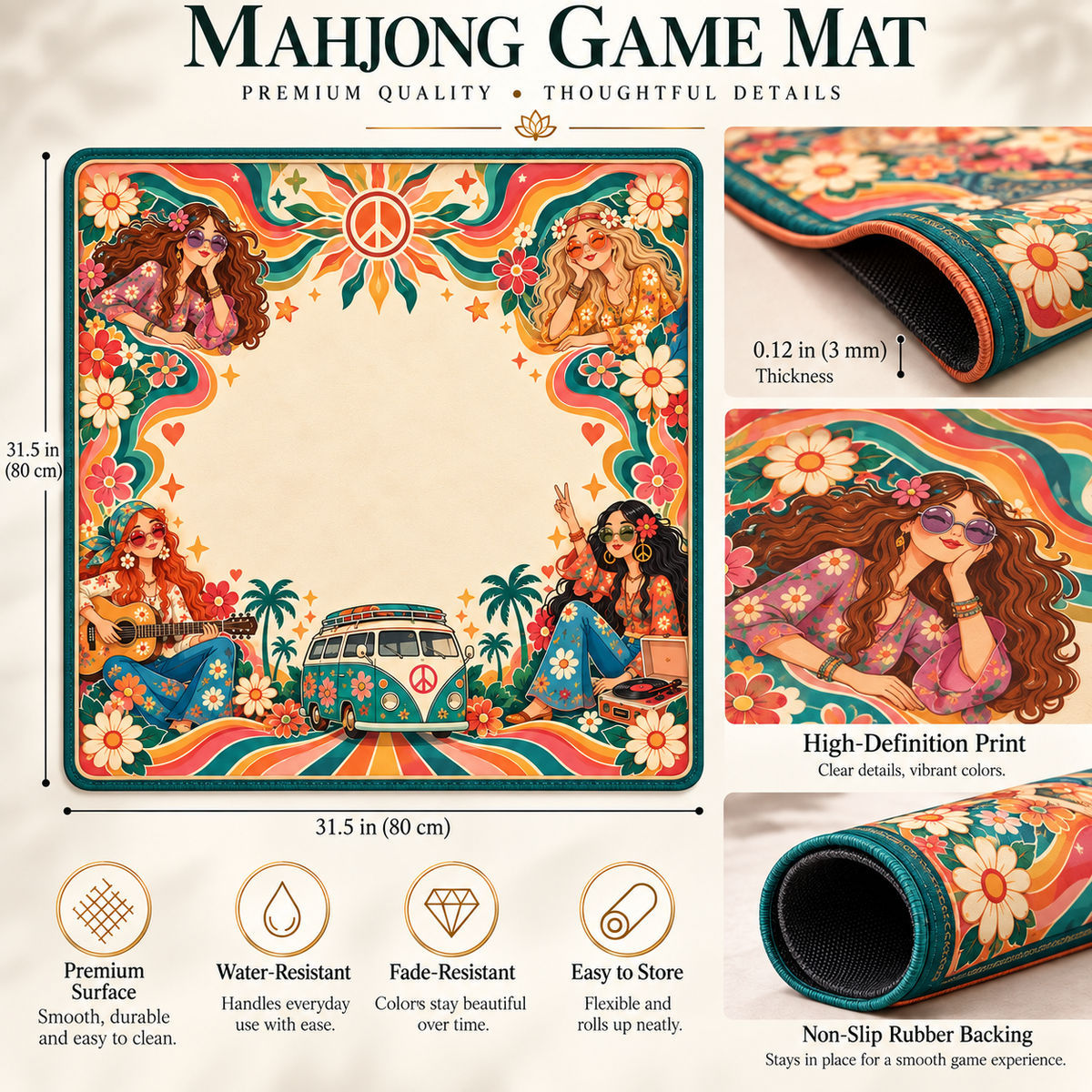
A mahjong starter kit pairs a 160-tile acrylic set (152 playing tiles plus spares) with a mat and often racks with pushers, designed so four players can begin immediately. American mahjong requires exactly those 152 tiles—no more, no fewer—plus a current-year National Mah Jongg League card and three to four opponents. Kits range from essentials-only bundles to deluxe packages with engraved tiles, padded carrying cases, and premium mats. Most players hosting weekly games find a mid-range kit works best: affordable enough to buy without guilt, durable enough to last years of regular play. What matters most is tile clarity (acrylic reads faster than plastic under lamp light), mat stability (non-slip base prevents sliding during fast exchanges), and honest sizing—know your table depth before ordering so the mat doesn't overhang or bunch. Mahstead offers curated kits and mix-and-match collections so you control what you pay and what you get. 🀄 Shop best-selling mahjong sets →
What exactly comes in a starter kit?
Most American mahjong starter kits include four core pieces: a 160-tile acrylic set (the 152 standard playing tiles plus eight spare tiles), one or two padded mats, four racks with pushers, and often a carrying bag. Some bundles add a set of dice, a card holder, or a National Mah Jongg League card reference guide. The tiles themselves—usually Bams, Craks, Dots, winds, dragons, flowers, and jokers—arrive separated by suit in individual compartments inside the case. A mat typically measures 27–32 inches square and sits on top of your table to create a uniform playing surface that slows tile movement and protects wood underneath. Racks with pushers let players organize their hand vertically so others can't see what tiles you hold, a non-negotiable rule in American play. The cheapest kits may skimp on mat padding or use lighter acrylic; mid-tier options balance durability and price; premium kits feature engraved designs, thicker tiles, and luxury carrying cases.
🎁 See our most-loved mahjong sets & accessories →

Who needs which kit—and why?
Scenario | Best Kit Type | Why | Price Range Basis |
First time playing | Essentials-only (set + mat) | Low risk, prove commitment before upgrading. | Budget tier |
Weekly host, 4 players, 10+ years | Full bundle with racks + bag | Durability and convenience pay off over hundreds of games. | Mid to premium |
Gift for a mahjong friend | Engraved set + coordinating mat | Personalization shows care; tiles remain functional forever. | Premium |
Traveling player | Compact set + padded travel case | Protects tiles on car rides or flights; lighter weight matters. | Mid tier |
Casual once-a-month | Basic set, shared mat with friends | No need to own everything; rotate who hosts. | Budget tier |
Beginners often overthink tile quality. Here's the reality: acrylic tiles last decades. Plastic tiles chip faster but work fine for a year or two. What actually breaks first is the mat (seams fray, corners curl under repeated rolling) or a single rack hinge. If you host weekly, buy a full kit with a spare mat; if you play once monthly at friends' houses, bring just the set and let the host provide the mat. Engraved sets cost more because customization adds labor, but the personalization makes them unforgettable gifts—especially for a friend joining their first regular game or marking a milestone (retirement, milestone birthday, group anniversary).
How to avoid starter kit mistakes before ordering
Check your table dimensions first. Measure the width and depth of your actual playing surface. A 27-inch mat fits a small round bistro table; a 32-inch mat suits a standard 4-foot dining table. If your mat overhangs by more than 3 inches, tiles can slip off the edge during exchanges. If it sits flat on your table but feels cramped, you're wasting mat real estate. Mahstead's mat collection includes sizing guidance so you can cross-check before checkout.
Verify tile clarity under your lighting. Acrylic tiles are easier to read than plastic, especially under low or warm lamps common in evening game nights. If you play in a basement or den, test a sample tile (many local mahjong groups have demo sets) under your actual lights. Glossy tile faces can glare; matte finishes reduce eyestrain.
Count your racks honestly. You need exactly four racks—one per player, no more. Some kits include five or six "extras" that rarely get used and just clutter storage. Four solid racks with smooth-sliding pushers beat eight mediocre ones. Check that pushers glide without friction and don't bunch tiles.
Know your storage plan before it arrives. The tiles come in a case, but after your first game, you'll want a home for the tiles between sessions. Do you have a closet shelf? A cabinet drawer? A decorative bag on your coffee table? A disorganized tile collection breeds lost jokers and mixed-up dragons. Mahstead's travel bags and cases come with interior compartments that keep suits separated, a huge quality-of-life upgrade.
Decide: do you want personalization?Engraved American mahjong sets take 2–3 weeks to produce but are worth the wait if you're gifting or marking a shared milestone. Blank or standard-printed sets ship faster and cost less. Neither plays differently—it's purely aesthetic and sentimental.
Comparison: budget vs. mid-range vs. premium kits
Budget starter kit typically includes a basic acrylic set, one thin mat, four plastic racks, and no case. Best for: couples or casual once-monthly players who don't host. Trade-off: mat degrades faster, racks wear within 2–3 years, you'll buy replacements sooner.
Mid-range starter kit pairs a durable acrylic set, a padded non-slip mat, four solid racks with pushers, and a basic nylon bag. Best for: weekly hosts who play year-round and value consistency. Trade-off: none—this is where value concentrates. You'll spend moderately, play comfortably, and rarely need to replace components for 5+ years.
Premium starter kit includes hand-engraved or custom-printed tiles, a thicker embossed mat, wooden or reinforced racks with smooth pushers, a luxury carrying case with multiple compartments, and often a dice set and card holder. Best for: gifts, collectors, or groups with the budget for heirloom-quality gear. Trade-off: higher upfront cost, but tiles remain beautiful and functional for 20+ years. Often purchased by long-standing game groups replacing aging equipment.
✨ Find your Mahstead set — free US shipping →
What to check before you buy
Tile count and composition. Confirm the set contains 152 playing tiles plus spares (totaling 160 tiles). Never buy a kit labeled "144 tiles"—it's incomplete for American mahjong.
Mat dimensions and surface. Measure your table; match the mat size. Verify the backing is non-slip rubber, not felt (felt slides on wood).
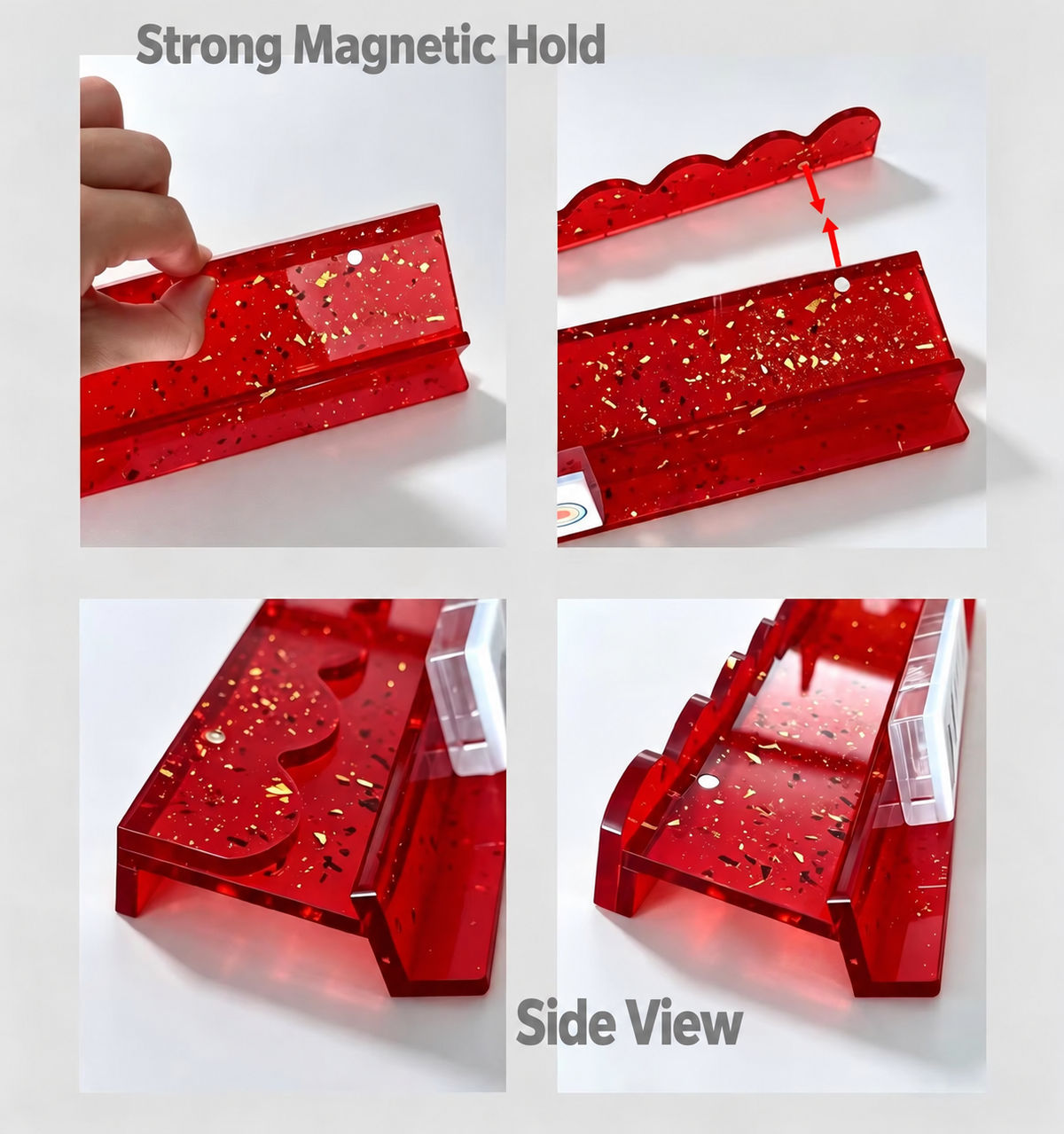
Rack condition. Open images or videos showing all four racks side-by-side. Check for cracks, loose hinges, or pushers that don't glide smoothly.
Storage included. If the kit doesn't come with a bag or case, budget for one separately—loose tiles get lost and damaged.
Shipping and returns. Confirm free US shipping (Mahstead offers it), and check the return window in case tiles or mat don't meet your expectations upon arrival.
Customization lead time. If you want engraved tiles, ask how long production takes before it ships. Plan accordingly for gifts.
Where to start your search
Browse our best-selling mahjong sets to see which kits and combinations other weekly players choose most often. Filter by bundle type (set + mat, set + mat + racks, full deluxe) and read customer photos showing gear in actual home settings—those real-world images often reveal setup details marketing shots miss. If you already own tiles but need a mat and racks, you can buy those separately; Mahstead's modular approach lets you build your own kit rather than forcing you into pre-packaged bundles that may include unwanted extras. And don't rush: most starter kits are in stock year-round, so you can take a week to measure your table and think through what you'll actually use.

FAQ
Do I need a starter kit, or can I buy pieces separately?
Either works. A kit bundles everything at a discount and ensures compatibility. Buying separately lets you pick exact sizes and styles but takes more research. Most new hosts find a kit easier and faster.
Can I use a regular tablecloth instead of a mahjong mat?
No. Mahjong mats have non-slip rubber backing to prevent tiles sliding during fast hand exchanges. Tablecloths are too smooth and will ruin gameplay. A mat is essential.
What's the difference between a 160-tile and a 152-tile set?
American mahjong always plays with exactly 152 tiles. A 160-tile set includes 152 playing tiles plus eight spare tiles (usually extra jokers) for replacements if any break. Never add spares to the table.
How long does a starter kit last?
Acrylic tiles last 20+ years if not dropped repeatedly. Mats typically need replacing after 5–8 years of weekly play (seams fray, backing wears). Racks usually outlast mats. Budget for one mat replacement in a decade.
Is an engraved set worth the extra cost?
Yes, if you gift it or play with the same group for years. The personalization becomes meaningful, and tiles function identically to blank sets. For casual play, standard sets are fine.
Do I need a carrying case, or is the tile box enough?
The tile compartment box protects tiles in storage at home. A padded carrying case is essential only if you travel to other players' houses or host rotate locations. For stationary weekly games, the box suffices.


View More
View More
View More
