
How to Host a Mother's Day Mahjong Party: Setup & Tips
Last updated: Nov 23, 2026
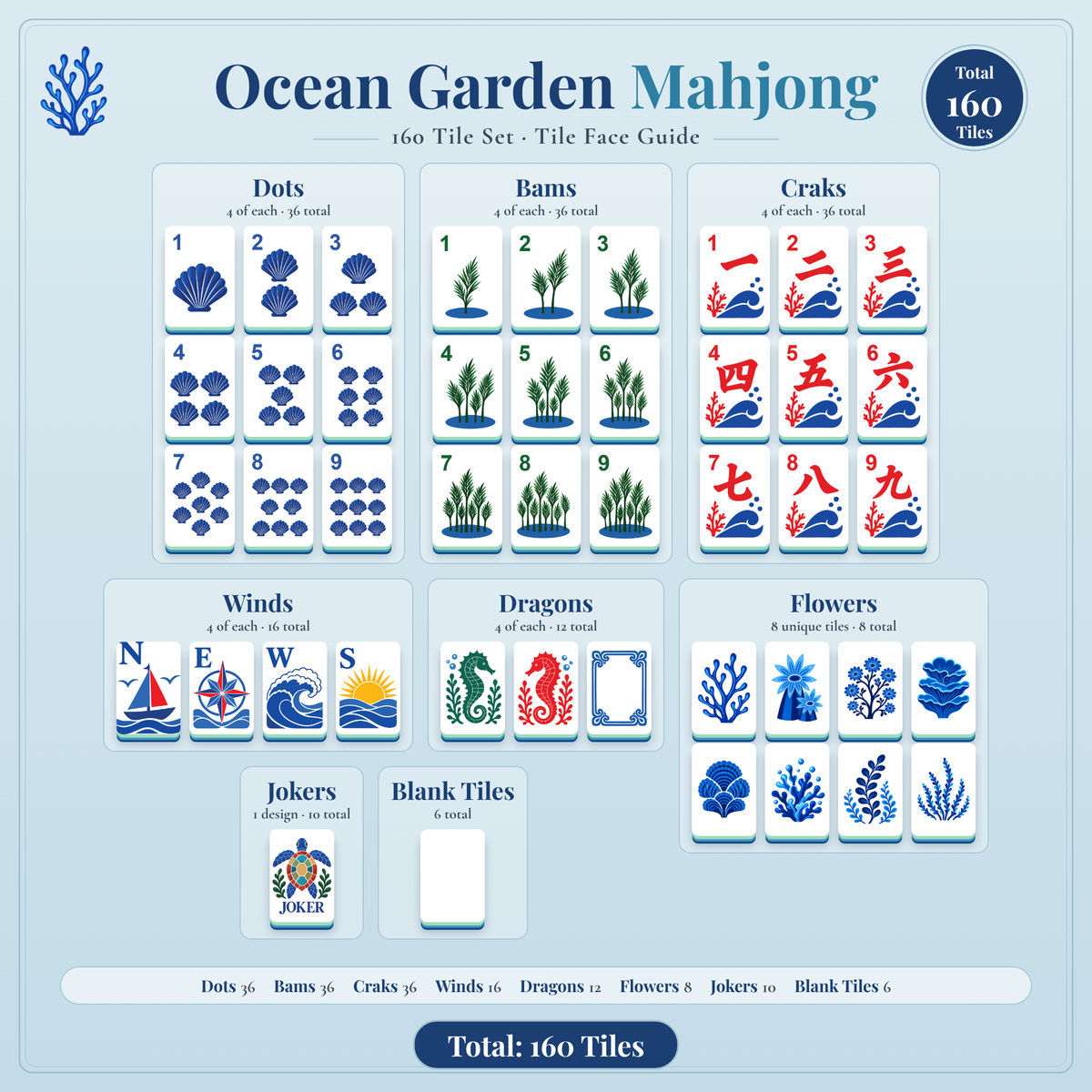
A Mother's Day mahjong party gathers four players around a tile set, a mat, and snacks for 2–4 hours of American mahjong. Host at home or a rented space; seat players North, East, South, West. You need a best-selling American mahjong set (160 tiles, 8 jokers, shuffled and dealt fresh each hand), a padded mat to protect tiles and table, and the current year's National Mah Jongg League card (free online). Set refreshments within arm's reach—no spills on tiles. A typical party runs four to six hands per session; total play time depends on players' speed and skill. The cost of hosting is low: tiles are reusable for life, and snacks run to whatever your budget allows. The main mistake: forgetting the official card or mixing old tiles with new, which ruins hand validity. Mahstead sets ship assembled and ready to play—no sorting or oiling needed.
A Mother's Day mahjong party celebrates the players—usually moms, grandmoms, and aunts—who've kept the game alive in your family. The setup takes 20 minutes, the joy lasts for hours.
What tiles and equipment do I actually need?
You need exactly one 160-tile American mahjong set (that's 152 playing tiles plus spares), a mat, racks with pushers so players can hold and organize tiles, a current-year National Mah Jongg League card, and dice. The set includes three suits (Bams, Craks, Dots), winds, dragons, flowers, and jokers—all the tiles mandated by American mahjong rules. A mahjong mat keeps tiles visible and organized; it's the difference between a tidy, fun party and chaos. Racks with pushers prevent hands from splaying across the table and reduce accidental tile reveals. Skip the fancy add-ons; the basics never disappoint.
🀄 Shop best-selling mahjong sets →

How do I set up the table before guests arrive?
Place the mat in the center of a sturdy table large enough for four seated players plus snacks on the edge. Set one rack with pusher at each of the four cardinal seats (North, East, South, West)—racks go outside the play area, tilted slightly away from the player for easy reading. Arrange dice, the official card, and pen for scoring in a small cup or box at the center. Shuffle all 152 tiles facedown on the mat in quick, loose motions (30 seconds), then form the "wall"—a barrier of stacked tile pairs around the mat's perimeter. Deal 13 tiles to each player in the traditional order: South (dealer) takes first hand, then West, North, East. The dealer draws one extra tile and sets a discard tile aside. Have the League card visible to all four players. Verify the year on the card before anyone sits; mixing old hands with new rules ruins legitimacy. Most hosts prepare the wall 5 minutes before game time, then reset it after every hand—takes about 90 seconds per hand once you're practiced.
Which design or personalization fits a Mother's Day theme?
Mahjong sets come in vibrant colors and engraved themes—some celebrate family, some honor a specific person, some feature humor or traditional art. For Mother's Day, consider sets with engraved mahjong titles that reference motherhood, family milestones, or the year the party happens. A set engraved with "Mom's Crew" or "Mother's Day 2026" becomes a keepsake and a conversation starter every time the group plays. Other options: sets with bright acrylic colors that feel festive but timeless, or designs featuring flowers or birds that nod to spring. Avoid dark, heavy designs unless your crowd prefers understated elegance. The best choice reflects the personality of the primary guest of honor—the mom or moms you're celebrating. If you're unsure, a classic best-selling collection design in a favorite family color is always safe and beautiful.
🎁 See our most-loved mahjong sets & accessories →
How do I keep the party flowing smoothly for 2–4 hours?
Plan roughly 15–20 minutes per hand once shuffling, dealing, and play settle into rhythm. For a 2-hour window, expect 6–8 hands. After three or four hands, pause for a 10-minute snack and bathroom break; it resets focus and keeps energy up. Designate one player (ideally not the guest of honor) as scorekeeper and card reader to minimize disputes. Before the first hand, spend 5 minutes teaching any newcomers how to read the card and recognize valid hands; beginners often mistake flowers for numerical tiles or confuse joker placement. Keep the card's instruction key and player tips printed or visible. Have a phone timer set for "wind changes" (after every four hands, players rotate seats) so no one forgets the rule. Enforce a gentle "no side games" rule—mahjong requires full focus. The biggest flow-killer: unclear scoring after a hand. If anyone plays is uncertain, consult the card and a scorebook together before moving on. Most groups keep snacks light (cheeses, crackers, fruit, tea) and avoid sticky or crumbly foods that damage tiles.

What snacks and refreshments work at a mahjong table?
Serve food and drink away from the active play area—not beside the mat or racks. Set a small side table or beverage station within 3 feet of the play table so no one reaches over tiles. Safe choices: nuts (in a bowl, not loose), cheese and crackers (on a small plate), fresh fruit, tea, water, and coffee. Avoid chocolate (melts and stains), anything with powdery coating (cake, donuts—residue gets on hands), and alcohol in large quantities (mahjong requires mental clarity and quick decisions). A single glass of wine or beer per person is fine; more than that and mistakes multiply. Most Mother's Day parties pair mahjong with a light meal before play (soup, salad, sandwiches) rather than during, so players can eat, digest, and settle into focus. If you're hosting at a venue with a kitchen, serve a small dessert after the final hand as a celebration. Never place drinks with lids on the mat itself; use coasters on the table edge or a separate drink cart. Moms appreciate the care more than fancy spreads.
Party Timing | Hands Played | Total Time | When to Pause |
1.5 hours | 4–5 | Rushed, best for experienced players | After 2 hands |
2–2.5 hours | 6–8 | Sweet spot for mixed-skill groups | After 3 hands, mid-point break |
3–4 hours | 10–12 | Full social event; includes meal & breaks | After 4 hands, lunch/snack break, then 4 more |
4+ hours | 12–16+ | Tournament-style; requires scorecard & energy | Every 4 hands (wind change), with 15-min breaks |
✨ Find your Mahstead set — free US shipping →
What are the most common hosting mistakes and how do I avoid them?
Missing or outdated card: The National Mah Jongg League issues a new card every spring; an old card's hands won't match current rules. Download this year's card free from the League website and print two copies—one for reference, one to share if anyone forgets. Mixing tile sets: Never combine tiles from two different sets. Each set has slightly different sizing, artwork, or shade; mixing causes tiles to stick, creates confusion about which tiles are which, and disrupts play. Keep one set sealed and unused as a backup. Spill zone: Drinks, snacks, and tile water damage are the main culprits. Use coasters, place food away from play, and keep napkins nearby. Forgetting to rotate seats: After every four hands, players shift one seat clockwise (or counterclockwise—pick one and stay consistent). Missing rotations means the same person deals too often, which skews the game's fairness and enjoyment. Set a timer. Starting without joker agreement: Before the first hand, confirm whether lost jokers count as dead tiles or if the group redrafts. Agree on scoring errors and how to resolve disputes (consult the card, then move on). Inviting too many people: Four players is the standard. Five or more means players take turns sitting out, which frustrates the excluded person and slows the game. Stick to groups of four; if a fifth person wants to join, plan a second table or a future party.
What if I'm new to hosting and want to buy everything at once?
Start with a best-selling mahjong set, a mat, and racks with pushers. Those three items cover 95% of hosting needs. If you plan multiple parties or want portability, add a bag or case so your set travels safely and stays protected. Bags with pockets keep the mat, racks, and dice together in one place. If you're gifting the set to the guest of honor (rather than hosting with your own), choose a design that feels personal—either engraved titles or a color that matches her style. All Mahstead sets ship with everything you need except the annual League card (that's free online) and snacks. Many hosts buy their set once and use it for years; it's a durable, lifelong investment. The best-selling collection includes designs suited to every taste and budget, and free US shipping means no surprise costs.
What to check before you buy
Tile size and weight: Acrylic tiles should feel substantial but not heavy enough to cause hand strain during a 4-hour session. Hold a sample or read descriptions carefully.
Mat dimensions: Verify the mat fits your table with at least 12 inches of overhang on all sides so racks don't crowd the play area.
Rack capacity: Most racks hold 13–14 tiles comfortably; confirm before buying, especially if anyone has arthritis or hand dexterity issues.
Design visibility: Engraved designs should be clear and not so ornate they distract from tile recognition during fast play.
Spare tiles: Mahstead 160-tile sets include extras; confirm your set includes spares in case a tile cracks or is lost.
Storage: If you plan to store the set between parties, choose a bag or case that fits your space and protects against dust.
FAQ
Can I host a Mother's Day mahjong party for beginners?
Yes. Invite players who've played before and one or two newcomers; experienced players teach as you go. Plan six hands max and allow 30 minutes for learning the card and hand patterns. Have the League card printed and a pen ready to mark off confirmed hands.
What if someone wins every hand and others get frustrated?
Winning is part of mahjong; the luck and skill balance shifts hand to hand. Remind players that a single party is just entertainment, not a tournament. If someone is dominating, remind the table to play tighter defense and ask questions about their picks.
Should I charge a fee to play or award a prize?
In American mahjong, friendly games are usually free or involve a small token payment (a dollar per hand) that covers snacks and the host's effort. Skip major prizes; they shift the mood from fun to high-stakes. A simple scoreboard and bragging rights work fine.
How long does a mahjong set last before tiles wear out?
Acrylic tiles last decades with normal use. Shuffle gently, avoid dropping tiles, and store in a dry place. Mahstead sets don't require oiling or sealing; they're ready to play straight from the box.
Can I order an engraved set in time for Mother's Day?
Check Mahstead's current lead times for engraved sets on the product page. If custom engraving won't arrive by your party date, choose a best-selling pre-made design that ships fast, or plan the party for a later date when a keepsake set can be ready.
What if I don't have a mat—can I play on a bare table?
Tiles shuffle and slide on bare wood or glass; a mat or tablecloth protects the table and keeps tiles visible and organized. A mat is a small cost and makes the experience much smoother; it's worth the investment for even one party.


View More
View More
View More
