
Best Mahjong Set for Empty Nesters: A Buyer's Guide
Last updated: Nov 23, 2026
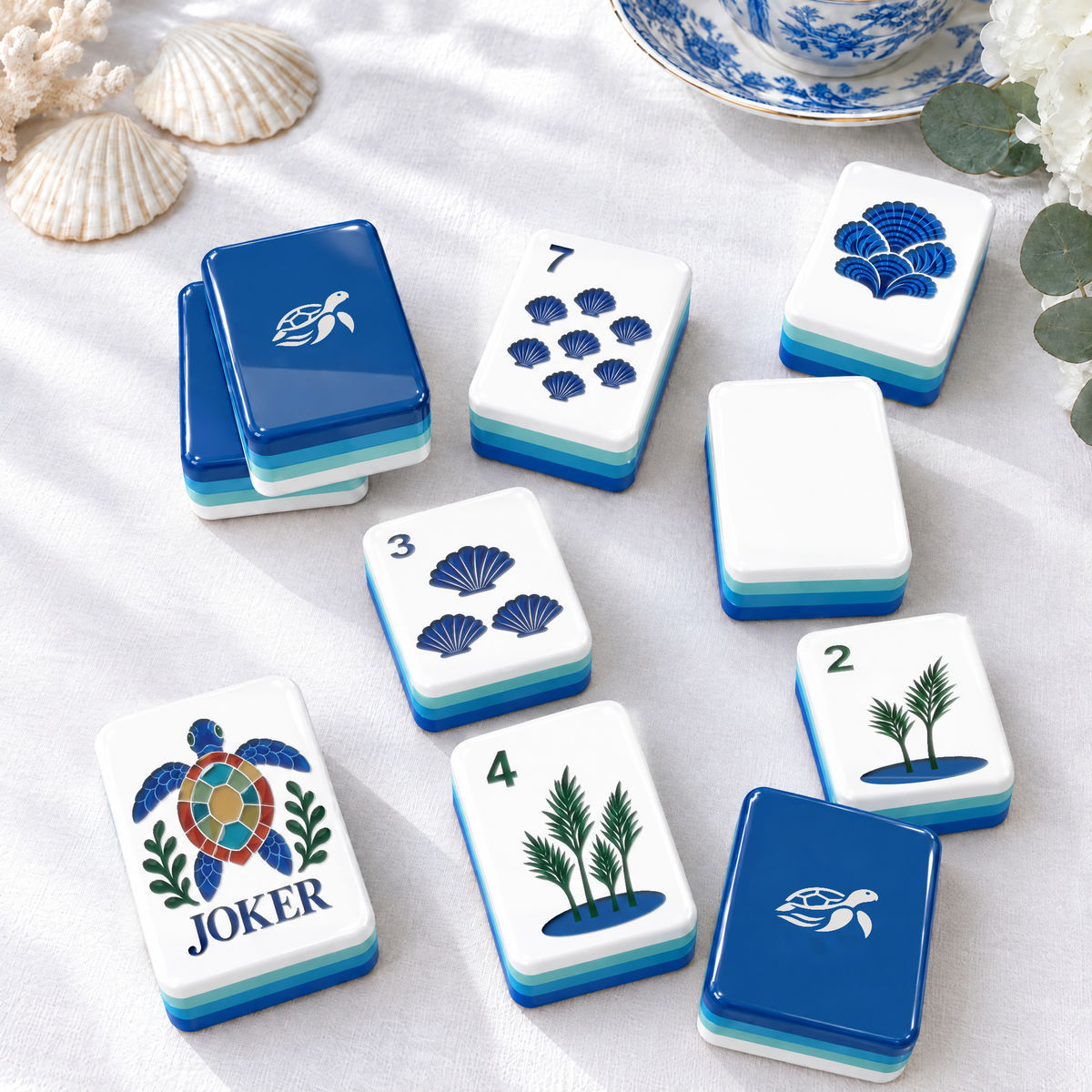
An American mahjong set for empty nesters should combine quality acrylic tiles (160-tile sets from Mahstead ensure durability and spares), a smooth-surfaced mat to protect your furniture, and organized storage for fast shuffles between rounds. Most serious players settle on a core set from our best-selling collection—these are designed for weekly play, not novelty. A 160-tile set includes the full 152 playing tiles plus jokers and spares; it costs less per game over five years than buying replacements. Avoid flimsy bamboo sets sold as "authentic" if you're hosting weekly—acrylic holds up to shuffling, humid summers, and light dings. Pair your set with a dedicated mat and racks with pushers to avoid back strain and speed up play. Budget for the set, mat, and racks as a complete system; this investment pays dividends in comfort and gameplay longevity.
Why standard tile sets wear out in a few seasons
Plastic tiles and resin dragons crack under repeated shuffling, especially in warm climates. Bamboo chips splinter and absorb moisture, warping the face. Acrylic tiles from quality makers resist thermal stress and bounce without chipping. We use thick-cast acrylic and UV-stable face printing; tiles maintain color and grip after 200+ games annually. Jokers—which get handled more than numbered tiles—are easiest to lose; 160-tile sets include extras so you always have 8 in play. Check before ordering: does the set come with spares? Mahstead's standard sets do.

What tile size matters for comfort
American tiles come in three widths: small (¾"), standard (1¼"), and large (1½"). Empty nesters often prefer standard or large because shuffling and dealing feel less fiddly, and reading dragons from across the table takes no squinting. Smaller tiles suit cramped travel or narrow tables. Racks with pushers are essential if you choose large tiles—they reduce the hand strain that comes from gripping a heavier, wider rack for hours. A standard or large set paired with quality racks with pushers eliminates fatigue that drives players away from the hobby after a few seasons. Measure your table width before ordering; if seating four feels snug, standard tiles give you breathing room.
🀄 Shop best-selling mahjong sets →
Engraved tiles vs. plain: when personalization pays
Plain acrylic tiles (red/green/white dragons, standard wind symbols) are timeless and work for any game rules you rotate through. Engraved sets—with player names, year, or a cheeky saying on the back—cost a few dollars more per set but turn a random game night into a keepsake. Engraved faces (e.g., suit names in Spanish, or "East Wind Captain" on honors) can confuse new players, so save face engraving for veterans-only groups. Back engraving (visible only when tiles are face-down or stacked) is perfect for hosting groups; it marks your set instantly and makes cleanup faster. Browse engraved American mahjong sets to see the range; many include seasonal or humorous designs. For an empty-nester group that plays weekly year-round, an engraved set becomes a conversation piece and a shared identity.

Mats, racks, and storage: the hosting trinity
A dedicated mahjong mat prevents tile slip and protects wood tables from scratches and water rings. Quality mats are felt-backed neoprene or natural rubber; they cushion shuffles and muffle noise. Stack mats flat and dry them after spills. Racks with pushers keep hands organized and reduce the cognitive load of tracking 14 tiles; they also prevent accidental discards when reaching for juice or a snack. Store the set in a cloth or acrylic case (not plastic bags—moisture traps); this protects tiles from dust and keeps jokers together. A mahjong bag or case lets you carry the full setup between homes if you rotate hosting duties. Empty nesters often host at a seasonal venue (a beach house, a cabin, or a friend's dining room); a quality case transforms setup from a 20-minute scatter into a 5-minute unpacking ritual.
Hosting Setup | Who It's For | Why It Works |
Set + mat + racks | Weekly serious players | Comfortable, fast, professional feel |
Set + mat (no racks) | Casual, occasional players | Lower cost; racks optional until back strain sets in |
Set + mat + racks + case | Rotating-host groups | Portable and durable; worth the investment over 5+ years |
Plain set + nice mat | Budget-conscious first-timers | Good entry point; upgrade tiles later if you commit |
What to check before you order
Tile count: Confirm the set is 160 tiles (152 playing tiles + spares). American mahjong requires exactly 152 tiles in play; extras ensure you never run short.
Material: Acrylic or resin tiles are best for weekly play. Avoid sets advertised as "eco" or "bamboo" if durability over 5+ years is your goal.
Face clarity: Request sample photos or video. Tile face printing should be crisp; faded or blurry dragons are frustrating under table lights.
Rack fit: Confirm racks are designed for your chosen tile size. Mismatched racks and tiles feel wrong and slow down gameplay.
Mat thickness: A mat ≥3 mm cushions shuffles and lasts through repeated folding. Thinner mats curl at edges after a season.
Joker count: Ask how many spare jokers come with the set. You need 8 in play at all times; spares are insurance.
Shipping & returns: Mahstead ships free across the US. Confirm the return window in case tiles arrive damaged or feel different than expected.
🎁 See our most-loved mahjong sets & accessories →
Gift angle: when to buy a set for an empty-nester friend
If a friend has mentioned restarting mahjong after a break, or if a couple in your circle has just cleared a college bedroom, a quality set is a thoughtful host gift. Pair it with a mat or a case to show you've thought about the hosting logistics. Christmas mahjong sets and other seasonal collections make the gift feel timely. Avoid engraving unless you know the group's inside jokes; plain acrylic lets the recipient customize later. A set costs far less than a weekend getaway but creates recurring joy—the gift keeps paying dividends every week.
✨ Find your Mahstead set — free US shipping →

FAQ
Is a 160-tile set better than a 144-tile set for weekly play?
American mahjong always uses exactly 152 playing tiles. A 160-tile set includes those 152 plus spares (extra jokers and blanks). For weekly hosting, the spares prevent game delays if a tile cracks or a joker goes missing. 144-tile sets are incompatible with American rules.
How often do acrylic tiles need replacing?
Quality acrylic tiles from Mahstead last hundreds of games (often 5+ years of weekly play). Replace individual tiles only if one cracks; the spares in a 160-tile set extend the set's life. Bamboo sets often need full replacement after 2–3 seasons in humid climates.
Can I use my old wooden tiles with new racks?
Not reliably. Old wooden tiles are often slightly smaller or heavier than modern acrylic tiles, and racks designed for one size may bind or slip with the other. Mixing ages causes frustration mid-game. Start fresh with a matched set and racks.
What mat thickness is best for a dining table?
A 3–5 mm neoprene or rubber mat cushions shuffles and protects finishes. Thinner mats (< 2 mm) slide and curl; thicker mats (> 5 mm) are overkill unless your table is uneven. Measure your table first; a mat sized for four players' arms is ideal.
Do I need racks with pushers if I'm only playing occasionally?
No, but they transform the experience. Racks prevent dropped tiles, reduce hand fatigue, and speed up the game 15–20%. If you notice back or wrist strain after two hours, racks are worth the investment. Many players add them later once they commit to weekly play.
Should I buy an engraved set or a plain one?
Plain sets are versatile and timeless. Engraved sets (especially back engraving) are perfect for committed weekly groups and become keepsakes. If your group rotates players or rules, start plain and upgrade later if the group stabilizes.
How do I store a mahjong set between games?
Keep tiles in a cloth or acrylic case in a cool, dry spot. Avoid plastic bags (they trap moisture) and direct sunlight (UV fades tile faces). Store racks inside the case or in a separate shallow drawer. Check joker count monthly; they're easiest to lose.


View More
View More
View More
