
Green Mahjong Case: How to Pick the Right One
Last updated: Nov 23, 2026
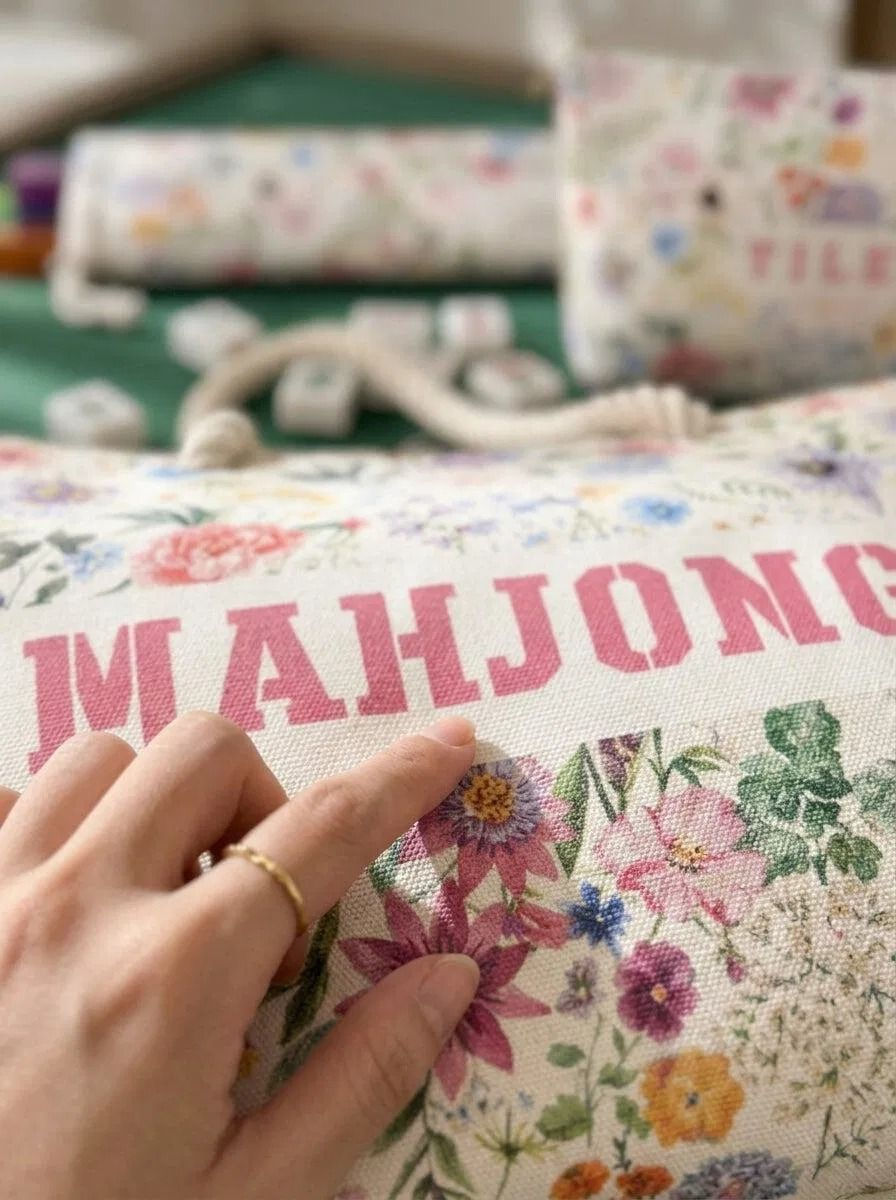
A green mahjong case is a protective carrying bag or hard shell designed to hold a 160-tile American mahjong set, racks, and mat in one portable package. Green cases range from soft drawstring bags to structured zippered carriers, each built to fit different transport needs—weekly games at a friend's house, airline travel, or long-term home storage. Most hold a complete set plus racks and a rolled mat; some are designed for tile-only storage. Mahstead offers cases in various sizes and styles; check the product page to see dimensions and what fits inside, then match your case type to how often you travel and what you're carrying. Cost and durability vary by material; soft fabric cases weigh less, while rigid or semi-rigid designs offer better tile protection in crowded bags or vehicles.
What size green case do I actually need?
American mahjong sets are bulky. A 160-tile set with racks, pushers, and a mat rolled up requires roughly 12" × 8" × 8" of space. Soft cases compress slightly; hard cases need exact dimensions to fit snugly. Measure your mat rolled (most are 27" × 27" and roll into a cylinder about 4" diameter), your rack stack (typically 2" high for four stacked racks), and your tile box. Then add 1–2 inches for padding. If you carry tiles only (no mat or racks), you'll need far less—some players use desk-sized bags. Check Mahstead's product listings and compare interior dimensions, not outer size, to avoid disappointment at packing time.
🎁 See our most-loved mahjong sets & accessories →

Soft drawstring bag vs. zippered case—which green case wins?
A soft drawstring bag is light, cheap, and squeezes into a car or closet. It offers minimal protection; tiles can shift during rough travel, and seams can tear under weight. A zippered case (soft or semi-rigid) keeps contents stable, stays organized with interior pockets, and lasts longer. Hard or semi-rigid cases protect tiles if the bag is dropped or sits under other luggage. Drawstring bags suit casual weekly games at nearby homes. Zippered and rigid cases suit travelers who fly, store sets in garages, or host tournaments. If you travel more than twice a month or pack your set in a car trunk with groceries, choose a zippered or rigid case; if you walk three blocks to game night, drawstring works fine.
Case Type | Best For | Protection | Weight | Durability | Storage |
Drawstring (soft) | Local players, occasional use | Low | Minimal | 1–2 years | High |
Zippered soft | Weekly travelers, organized players | Medium | Light | 3–4 years | Medium |
Semi-rigid | Frequent fliers, active protection | High | Moderate | 4–6 years | Low |
Hard shell | Checked luggage, garages, serious players | Very high | Heaviest | 5+ years | Low |
Green is a classic mahjong color—it pairs beautifully with engraved acrylic tile sets and complements the traditional Bam suit's green dragon. Browse Mahstead's best-selling collection to find sets that match or contrast with your green case aesthetic.
What should I pack inside a green mahjong case?
A complete travel pack includes your 160-tile set in its original box or tile carousel, four racks with pushers (or at least two), the mahjong mat rolled or folded, a National Mah Jongg League card (current year), a notepad for scoring, and dice. Some players add a small towel to protect tiles from moisture. Never stuff the case completely full; leave 1 inch of padding around hard edges to absorb impact. If you own engraved or custom mahjong sets, which are often more valuable, use a case with padding or semi-rigid walls. Tile boxes should always sit on a level, flat surface inside the case—never on their corner or edge. One mistake we see: players forget dice are essential, then arrive at game night unprepared. Attach a small checklist inside your case lid (waterproof tape) listing what should be packed.
✨ Find your Mahstead set — free US shipping →

How does a green case compare to other colors for resale or gifting?
Green, black, and red are the most popular case colors and resell at similar prices. White and pastels are trendy for gifts but may show wear faster. Green is timeless and reads as professional at tournaments; it's a safe choice if you're gifting to someone whose home decor you don't know. If you're buying a case to use weekly and might eventually resell it, green, black, or burgundy hold value best. For gifting, consider the recipient's lifestyle: a casual player might prefer a colorful soft case; a serious player or tournament attendee values a durable, neutral-colored case. If your gift set is a Christmas mahjong set with festive tiles, a classic green case won't clash with the gift's energy.
What to check before you buy a green mahjong case
Size match: Measure your mat rolled, stack your racks, and confirm interior case dimensions fit everything with 1–2 inches of wiggle room.
Compartments & pockets: Does the case have a main pouch and smaller pockets for dice, pencils, or the NMJL card? Unorganized cases lead to lost accessories.
Seam quality: Feel the seams if buying in person. Stitching should be tight and even; loose stitches fail within a year.
Zipper durability: Plastic zippers fail faster than metal; metal zippers cost more but last longer.
Padding: Press the outside. Thin padding (under 0.25 inch) won't protect tiles in a luggage stack.
Weight: A light case (under 2 lbs empty) is worth it if you carry it weekly; heavy rigid cases stay at home.
Interior lining: Dark lining hides dust and stains; light lining shows dirt quickly but lets you spot damaged tiles visually.
Handle design: Handles should be reinforced at seams where they attach to the bag body—this is where soft cases fail.
Explore mahjong bags and cases on Mahstead to compare options side by side, see interior photos, and read dimension details that help you decide before checkout.
Why green cases pair well with acrylic tile sets
Acrylic tiles are durable and lightweight, so they travel well in standard cases. Green cases complement the best-selling acrylic sets, which often feature clear or jade-colored acrylic that echoes a green case's aesthetic. If you own hand-painted or thick resin tiles, they're heavier; a semi-rigid or hard green case is a smarter investment to absorb the extra weight. Soft cases work fine for standard acrylic sets used locally; if you're flying or packing expensive tiles, upgrade to a zippered or rigid case regardless of color.
🀄 Shop best-selling mahjong sets →
The bottom line: a green mahjong case isn't just functional—it's a signal that you take the game seriously. Whether you're a casual weekly player or a tournament regular, matching your case size and durability to your travel frequency and tile investment protects both your set and your peace of mind. Measure once, buy once, and enjoy years of uninterrupted game nights.

FAQ
Can I fit a mat and four racks in a green mahjong case?
Yes, if the case interior is at least 12" × 8" × 8". A rolled mat (typically 4" diameter), four stacked racks (2" high), and a tile box will fit snugly. Check product dimensions before purchasing to confirm.
What's the difference between a mahjong case and a general storage bag?
A dedicated mahjong case is sized and padded for tile sets; it often includes compartments for accessories. General bags lack padding and may let tiles shift dangerously. Always use a mahjong-specific case for travel or long-term storage.
Do I need a case if I only play at home?
Not always. If your set lives in one room, a box is fine. If you move it between rooms or store it in a garage, a soft case protects tiles from dust and humidity. A rigid case is ideal for garages or basements where temperature or moisture varies.
Are green cases waterproof?
Most soft and zippered cases are water-resistant but not fully waterproof. If you live in a damp climate or transport your set near water, add a sealed plastic bag inside the case as a barrier, or invest in a rigid case with a weatherproof seal.
How do I clean a green mahjong case?
Wipe the exterior with a dry or barely damp cloth. For zippers, use a soft brush to remove dust. If the lining is stained, use a damp cloth on interior seams, then air-dry completely before packing tiles. Never machine-wash or submerge the case.
Can I buy a case without a set?
Yes. Mahstead sells travel bags and cases separately. Measure your current set first to confirm the case will fit.
What's included in a Mahstead green case?
The case only—no tiles or accessories. You bring your own set, racks, mat, and dice. See the product page for interior dimensions and what fits inside based on your set size.


View More
View More
View More
