
Best Mahjong Mat for Seniors: Comfort, Grip & Easy Setup
Last updated: Nov 23, 2026
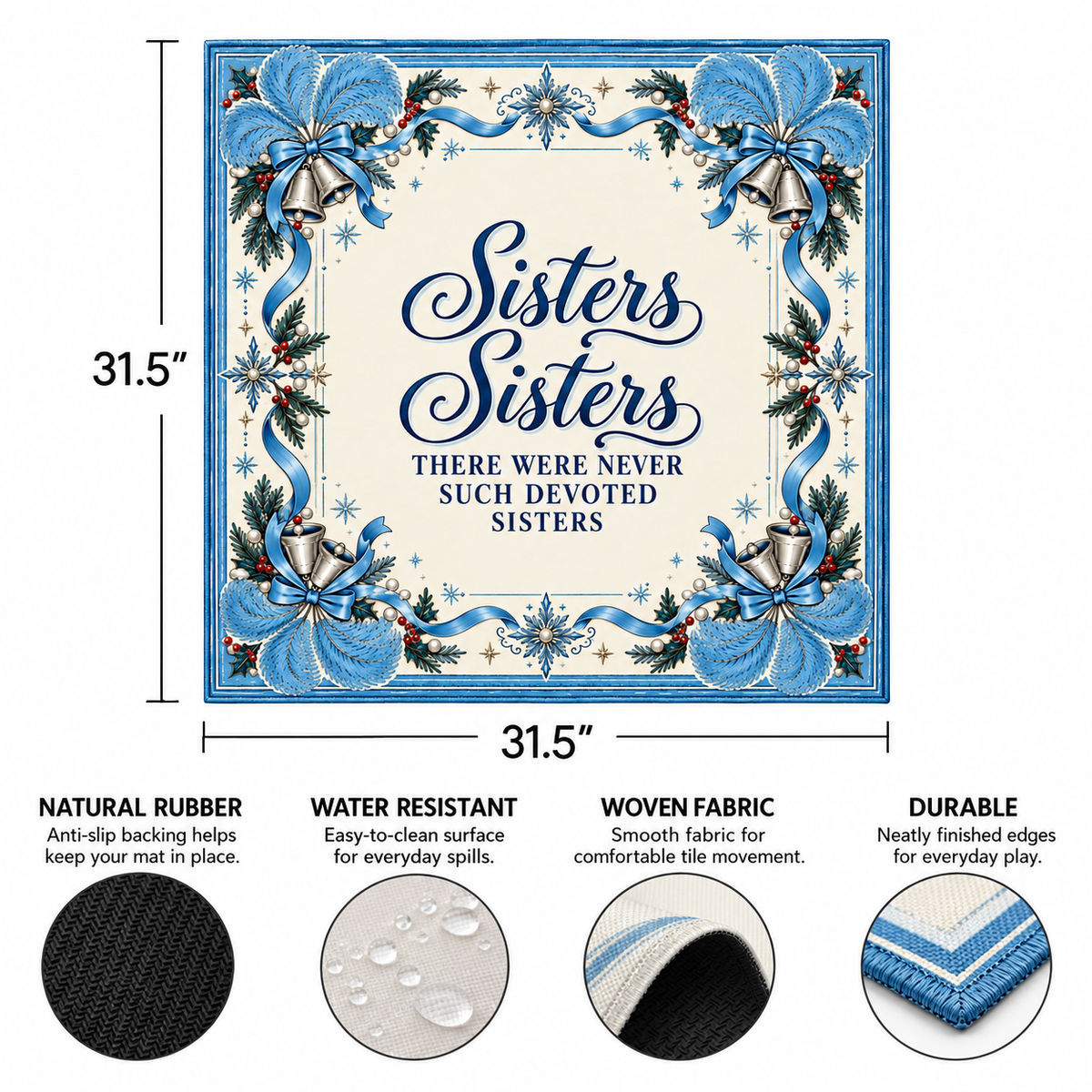
A senior-friendly mahjong mat should have cushioning to reduce wrist strain during long games, a nonslip surface to grip tiles and prevent sliding, and be lightweight enough to roll or fold without struggle. Mats range from small felt layouts (ideal for apartment storage) to reversible designs that work on any table surface. Most are made from natural rubber or synthetic materials with a padded middle layer; quality mats stay flat without bunching and won't stain easily. Prices vary by size and material, so check the product page for current pricing. Look for mats labeled "senior-friendly" or padded designs, and measure your table width before ordering—a mat that overhang slightly is fine, but one that's too small won't protect the whole play area. We recommend a mat with a lip or border to corral jokers and prevent tiles from rolling off during draws.
A mahjong mat is the foundation of a comfortable, organized game. For seniors especially, the right mat means less hand fatigue, fewer dropped tiles, and a surface that's forgiving enough to play for hours without pain. Whether you're hosting a weekly game or traveling to a friend's house, the mat you choose affects everything from grip to storage to arm strain.
What makes a mat "senior-friendly" in the first place?
Seniors need mats that support longer play sessions without causing wrist or hand fatigue. A senior-friendly mat should have a thick cushioned layer (at least ⅛ inch), a nonslip rubber base, and a smooth felt or microfiber top that grips tiles without requiring heavy hand pressure. The surface should also be forgiving—not so rough it irritates skin, and not so slick that tiles slide into each other during draws. Most importantly, the mat should feel substantial enough to steady your hands as you pick and place tiles, almost like resting on a pillow instead of bare wood. Many seniors find that playing on a bare table for years causes hand fatigue; a padded mat cuts that strain by half.
🀄 Shop best-selling mahjong sets →
How do mat size and thickness change your game experience?
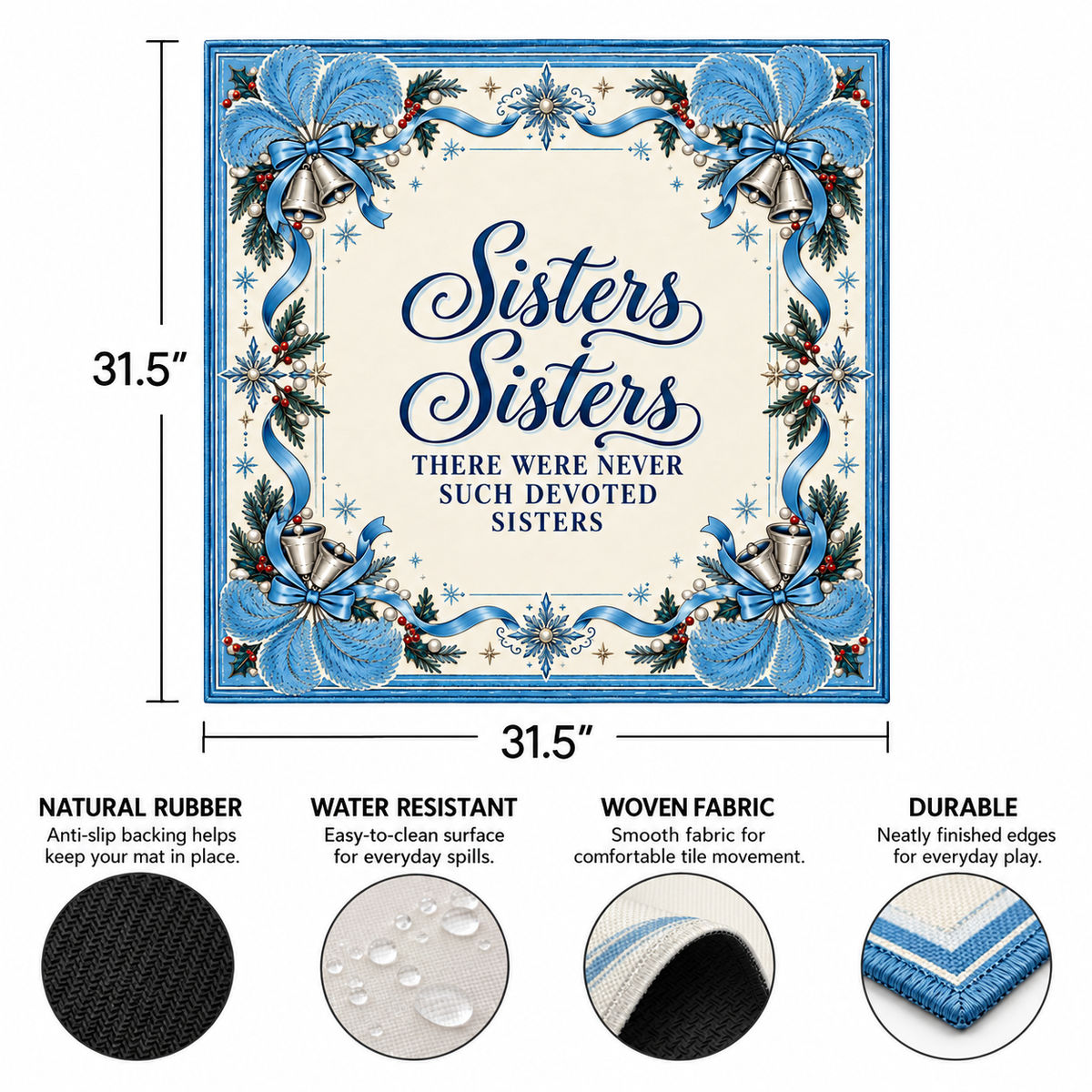
Mat size directly affects your comfort and the table's usable space. A standard mahjong mat measures around 30 × 30 inches (ideal for a card table or small dining table), while larger versions reach 36 × 36 or even 40 × 40 inches for full-size tables. Thickness ranges from ¼ inch for lightweight travel mats to ½ inch for heavy-duty home versions. Thicker mats cushion better but take up more storage space; thinner ones roll easily into a bag for transport. Seniors often prefer mats in the 30-36-inch range because they're large enough to cover the play area and small enough to handle and store. Test the thickness by pressing your palm into a sample if possible—you should feel give, but not so much that tiles wobble. A mat that's too thin won't reduce hand strain; one that's too thick may be difficult to roll or fold without creasing permanently.
Felt vs. rubber backing: which surface works best for senior hands?
Mahjong mats come in two main surface types, each with trade-offs. Felt tops (usually wool or synthetic) offer a softer, quieter play and a gentler surface on aging skin; tiles glide smoothly, which is ideal if your hands tire easily. Rubber or microfiber tops grip better, so tiles don't slide into each other during a draw, and they're easier to wipe clean if someone spills. For seniors with less hand strength, a rubber-backed mat with microfiber top is often best—it holds tiles in place without requiring you to press hard, and the slight tackiness prevents fumbling. If arthritis limits your hand grip, felt is kinder, but pair it with a nonslip underside so the whole mat doesn't shift on the table. Your choice depends on whether you prioritize comfort (felt) or stability (microfiber/rubber).
What's the real cost difference between mat types, and is premium worth it?
Mat Type | Best For | Storage | Durability | Notes |
Thin felt travel mat | Weekly players, apartments | Rolls to 4" diameter | 2–3 years, higher wear | Portable; less cushioning |
Standard padded mat, 30×30" | Home games, regular use | Folds to shoebox size | 5–7 years | Balance of comfort and storage |
Reversible or dual-sided mat | Groups with different preferences | Same as standard | 6–8 years | Two surfaces in one |
Heavy-duty premium mat, 36×36" | Daily players, arthritis sufferers | Larger storage footprint | 8–10 years | Maximum cushioning and stability |
Prices increase with size, thickness, and material quality; see current pricing on the product page. A basic travel mat costs less than a standard home mat, which costs less than a reversible or premium version. The value isn't always in price—a mid-range padded mat often outlasts a thin one and saves your hands far more than the extra cost. Seniors on a fixed budget should prioritize thickness and nonslip backing over novelty designs or brand names. A mat that lasts five years and protects your wrists is worth more than a cheaper mat that causes pain after two hours.
🎁 See our most-loved mahjong sets & accessories →
Can you combine a good mat with other gear to maximize comfort?
A mat is just the start. Mahjong racks with pushers reduce hand strain even more by holding tiles upright and organized—no bending or reaching. A cushioned rack means less gripping; a pusher means you don't have to pinch tiles to slide them. Many seniors find that a mat plus a rack combo cuts wrist pain by 70% compared to bare-table play. You can also pair a mat with a travel bag or case so you're not carrying loose tiles and risking drops. If you host games at home, lay the mat over a table cover or protective layer to guard the table surface—the mat stays clean longer and the underlying cover adds another cushion layer. Dice on a padded surface also roll more fairly and quietly, so your game sounds less chaotic.
What to check before you buy: a senior player's checklist
Measure your table width (in inches) and add 2 inches—your mat should fit comfortably without overhanging by more than 3 inches on any side.
Test thickness by pressing your palm into the mat; you should feel clear cushioning, not bottoming out.
Check the nonslip base by lifting a corner; the mat should not slide on any table surface you own.
Ask if the mat is reversible (two usable sides) or dual-textured—this extends value.
Confirm washing instructions—some mats are spot-clean only; others handle gentle machine wash.
Verify storage dimensions (rolled or folded size) against your closet or cabinet space.
Inspect the border or lip—a raised edge keeps jokers and corner tiles from rolling off.
✨ Find your Mahstead set — free US shipping →
Pairing Your Mat with a Complete Setup
Once you've chosen a mat, the next step is ensuring you have a full, quality mahjong set. A mat protects your hands and table, but only a complete set with 152 playing tiles and 8 jokers allows you to play every hand on the current National Mah Jongg League card. If you're hosting senior players or new to the game, consider a set with engraved tile markings—larger symbols and clearer contrast help aging eyes read tiles faster, which keeps the game flowing and reduces eye strain.
For groups that gather regularly, investing in a quality mat and a set of engraved tiles signals respect for the game and makes every player more comfortable. You're not just buying equipment; you're creating an environment where seniors can play for hours without pain or frustration.

FAQ
Is a padded mat really necessary, or will any tablecloth work?
A tablecloth protects the table but offers no cushioning. A padded mat reduces wrist strain and prevents tiles from sliding, which is crucial during long senior games. A mat is worth the investment.
What if my table is oddly shaped—round or very large?
Measure the longest distance across the play area, then select the mat size closest to that measurement. A mat can overhang slightly without issue; too small is worse than slightly oversized.
Can I use a yoga mat or exercise mat as a mahjong mat?
Not recommended. Yoga mats are too thick and squishy, causing tiles to wobble. A mahjong mat is engineered for tile stability and hand support simultaneously.
How often should I replace a senior-friendly mat?
With regular care, a quality padded mat lasts 5–7 years. If you notice bunching, permanent creases, or a slick surface, replacement improves play significantly.
Does mat color or design affect gameplay?
No. Choose a color that reduces glare (darker mats cause less eye strain than bright white or reflective finishes). Designs are purely aesthetic; comfort and grip matter far more.
Can I travel with a mahjong mat, or is it impractical?
Thin travel mats roll into a 4–6-inch-diameter bundle and weigh just a few ounces. They're very practical for weekly games at a friend's house or a community center.


View More
View More
View More
