
Best Mahjong Accessories: Mats, Racks, Bags & Dice Guide
Last updated: Nov 23, 2026
When you host weekly mahjong, you quickly learn that tiles alone aren't enough. A good mat protects the table and organizes the game; racks with pushers keep your hand clean and prevent tile-reading mistakes; a bag or case keeps your set safe in transit; and quality dice speed up seating and wall breaks. Mahstead sells four core categories: mahjong mats (leather, fabric, bamboo), racks with pushers in wood or acrylic, travel bags and cases for storage and portability, and dice sets in bone or acrylic. Each accessory solves a specific problem—what to buy depends on whether you play at home, travel monthly, or gift a beginner. Most serious players own at least a mat and a pair of racks; sets range from budget-friendly to heirloom-quality. Start with your play frequency and space constraints, then fill gaps one at a time. 🀄 Shop best-selling mahjong sets →
What does a mahjong mat actually do?
A mat creates a soft, defined playing surface that protects your table, muffles tile noise, and gives everyone clear sight lines. It anchors the game mentally—the moment a mat unfolds, play feels official. Mahstead mats come in leather, fabric, and bamboo, each with different grip and durability profiles. Leather mats are easiest to wipe clean and last years; fabric mats breathe better in humid climates; bamboo is reversible and lightweight for travel. Most are sized 36" × 27" or larger. The mat also marks tile zones and often includes printed guides for wall position and wind rotation. A mat isn't mandatory, but it's the single accessory that improves table experience most.
Do I really need a rack with pushers?
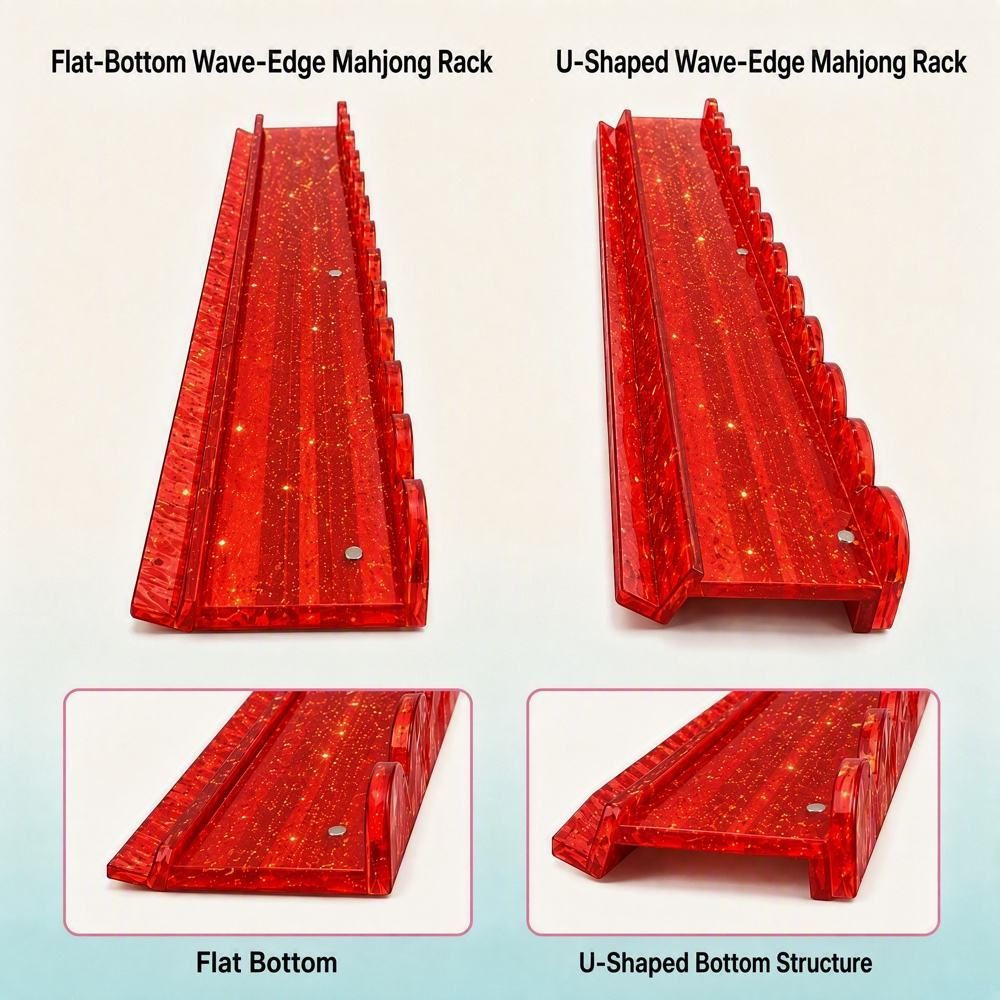
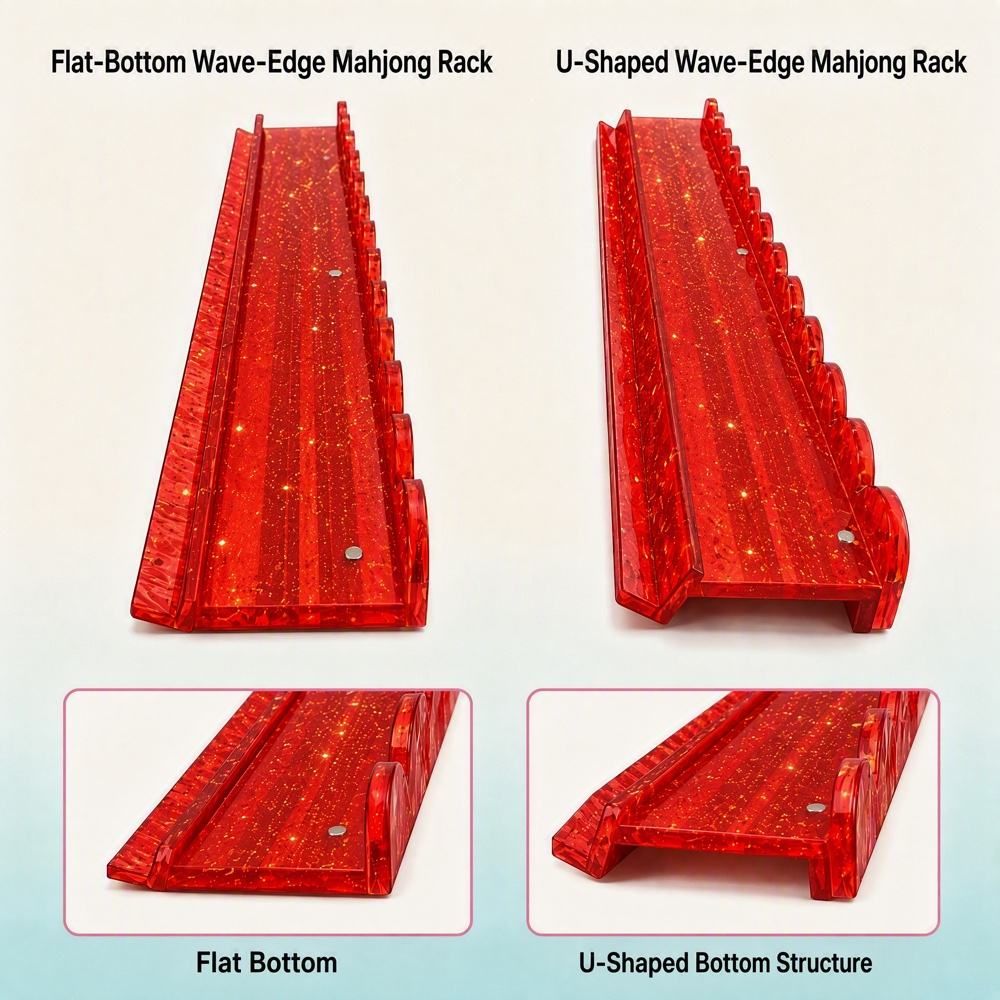
Yes, if you play by the National Mah Jongg League card and want to prevent accidental tile exposure. A rack holds your 13 hand tiles upright behind a barrier; pushers are small sticks that let you draw and discard without picking tiles up. This keeps your tiles hidden from opponents and speeds the tile exchange. Without a rack, you're holding tiles in your palm where everyone can see your shape and count. Racks come in wood (warm, traditional) or acrylic (durable, modern), and most hold 13 or 14 tiles. Mahstead racks with pushers range from simple to ornate. If you play casually with loose tiles on the mat, a rack is optional—but every regular player we know owns at least one pair.
How do you choose between a bag, case, or no storage at all?
The answer depends on how often you move your set. If your tiles live on one table, storage is optional. If you travel weekly to a friend's house or play at multiple venues, a bag protects your tiles from dust, humidity, and impact. Mahstead offers soft bags (lightweight, fabric, fit easily in a car) and hard cases (rigid protection, lock-down capacity, airport-friendly). Bags are cheaper and pack flat; cases are heavier but survive repeated moves better. A 160-tile set needs at least 20 liters of space. If you own multiple sets or swap accessories between games, a case with compartments is worth the investment. Most traveling players use a bag for weekly games and upgrade to a case if they play in tournaments or travel by air.
What's the difference between bone and acrylic dice?
Both work fine for mahjong's seating roll and wall break, but they feel and sound different. Bone dice (traditional, slightly heavier, warm to the touch) are preferred by players who value authenticity and don't mind more delicate handling. Acrylic dice (modern, durable, identical roll, brighter colors) are ideal if you play rough or gift to beginners—they survive drops and dishwasher cleaning. Acrylic dice from our best-selling collection often come in colors matching your tile set. Both types are fair and randomly weighted; the choice is aesthetic and practical. If you play weekly, acrylic lasts longer. If you play monthly and prize tradition, bone is a nice touch.

How to compare accessories before you buy
Use this checklist to match your needs to the right purchase:
Accessory | Best For | Key Factor | When to Buy |
Mat | All players | Size, material, grip | First (solves table chaos) |
Racks + pushers | Serious players, card games | Wood vs. acrylic, holds 13–14 | Second (improves hand control) |
Bag or case | Traveling players | Soft or hard, capacity | Third (protects investment) |
Dice | All players | Bone or acrylic, color match | Last (nice-to-have, short lifespan) |
Start with a mat and racks if you play weekly at home. Add a bag if you move your set. Swap dice every 2–3 years or after they roll poorly. Gift beginners a dice set; they'll outgrow it, but it's a fun starter piece.
🎁 See our most-loved mahjong sets & accessories →
Which accessories make the best gifts?
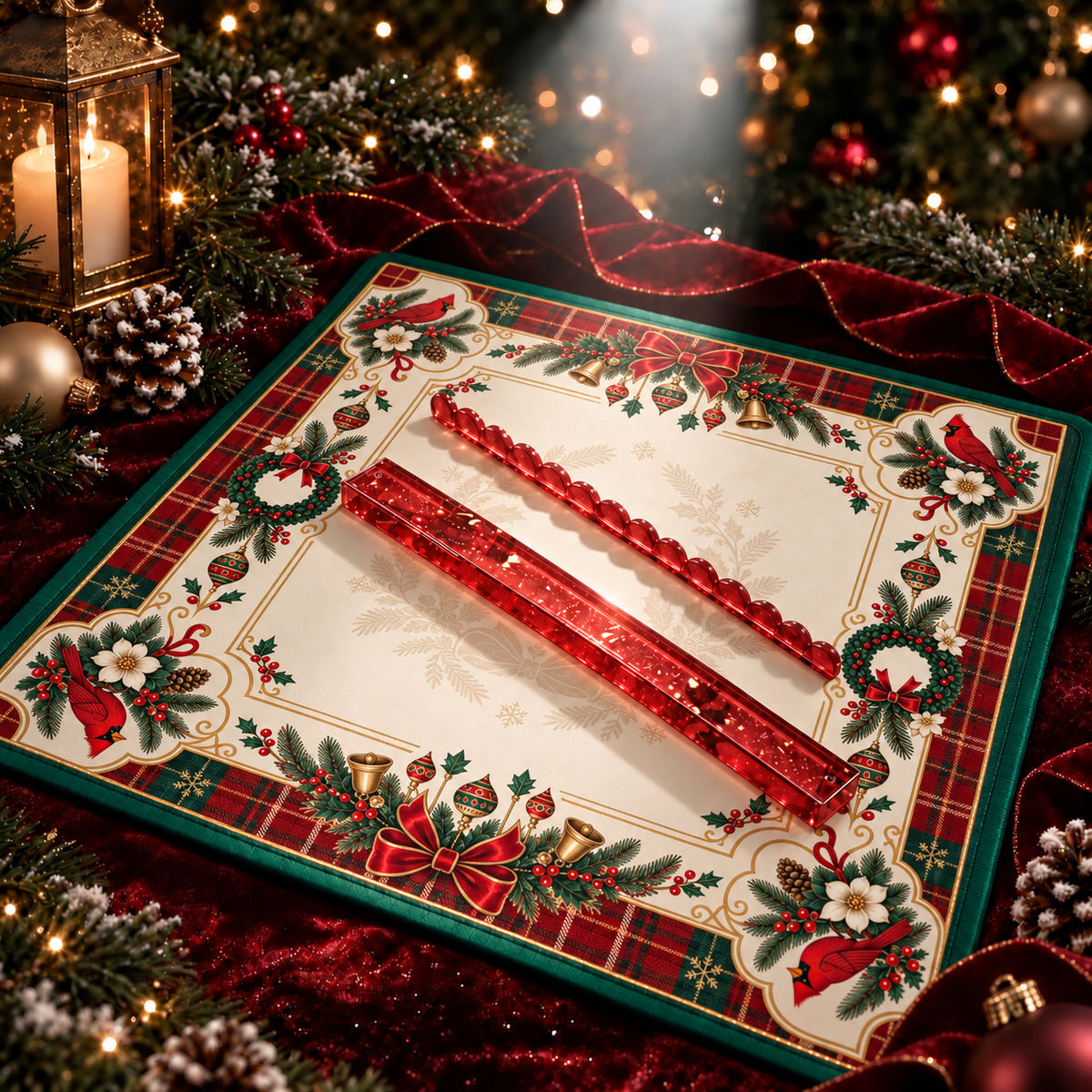
Dice and racks are the most appreciated gifts because they're practical, colorful, and easy to store. A paired set of engraved racks with pushers is a thoughtful present for someone who already owns a tile set. A mat is a bigger investment but perfect for someone hosting games. Avoid gifting someone a mat if you don't know their table size. Bags and cases work best as gifts for frequent travelers. Christmas-themed mahjong sets and accessories are seasonal standouts if you're buying in November or December. The safest bet is a dice set in a color that matches a set the recipient already owns—it's always useful and never redundant.
What to check before you order
Measure your table first. Mats range from 27" × 36" to 40" × 60". A mat too small leaves exposed table; too large overhangs and wastes space.
Know your tile count. American mahjong is played with exactly 152 tiles and 8 jokers. A 160-tile set includes spare tiles beyond those used in play. Bags and cases must fit 160 tiles comfortably.
Confirm rack capacity. Most racks hold 13 or 14 tiles. If you're a visual player who spreads tiles wide, measure your hand span and check rack width.
Test material durability. Leather mats hide scratches better than fabric. Acrylic racks are harder to damage than wood. Bone dice are beautiful but need careful storage.
Check compatibility. If you own an acrylic tile set with bright colors, an acrylic rack or dice set in a matching tone will photograph well and feel cohesive during play.
Free US shipping. Mahstead ships all accessories free across the US, so shipping cost isn't a factor—order with confidence.
✨ Find your Mahstead set — free US shipping →
FAQ
Can I use a regular tablecloth as a mahjong mat?
A tablecloth works in a pinch, but it lacks the soft grip and tile containment of a true mat. Tiles slip more, and noise carries. A real mat also includes printed guides for wall position and wind setup, which speeds the game.
What size rack should I buy if I'm a new player?
Start with a standard 13-tile rack. It holds your entire hand in American mahjong and takes up minimal table space. If you play 14-tile variants later, you can add a second rack.
Do I need a separate dice set or does my tile set include dice?
Most Mahstead 160-tile sets do not include dice. You'll need to order dice separately. Dice are affordable and available in bone or acrylic to match your set's color and style.
How long does a bag last before I need to replace it?
A fabric bag used weekly lasts 2–4 years with normal wear. A hard case lasts much longer if you don't overstuff it. Leather bags are more durable than synthetic fabric.
Can I travel through an airport with a mahjong set in a carry-on?
Yes, tile sets are allowed in carry-on and checked luggage. A hard case with a lock provides extra peace of mind and protects your tiles from baggage handling.
What's the difference between pushing a tile and picking it up by hand?
Using a pusher keeps your tiles hidden from opponents and prevents accidental exposure of your hand. Hand-picking tiles means other players can see your tile count and shape as you reach. Pushers are standard in league play.


View More
View More
View More
