
Best Hong Kong Mahjong Apps: Play Live vs. Solo Practice 2026
Last updated: Nov 23, 2026
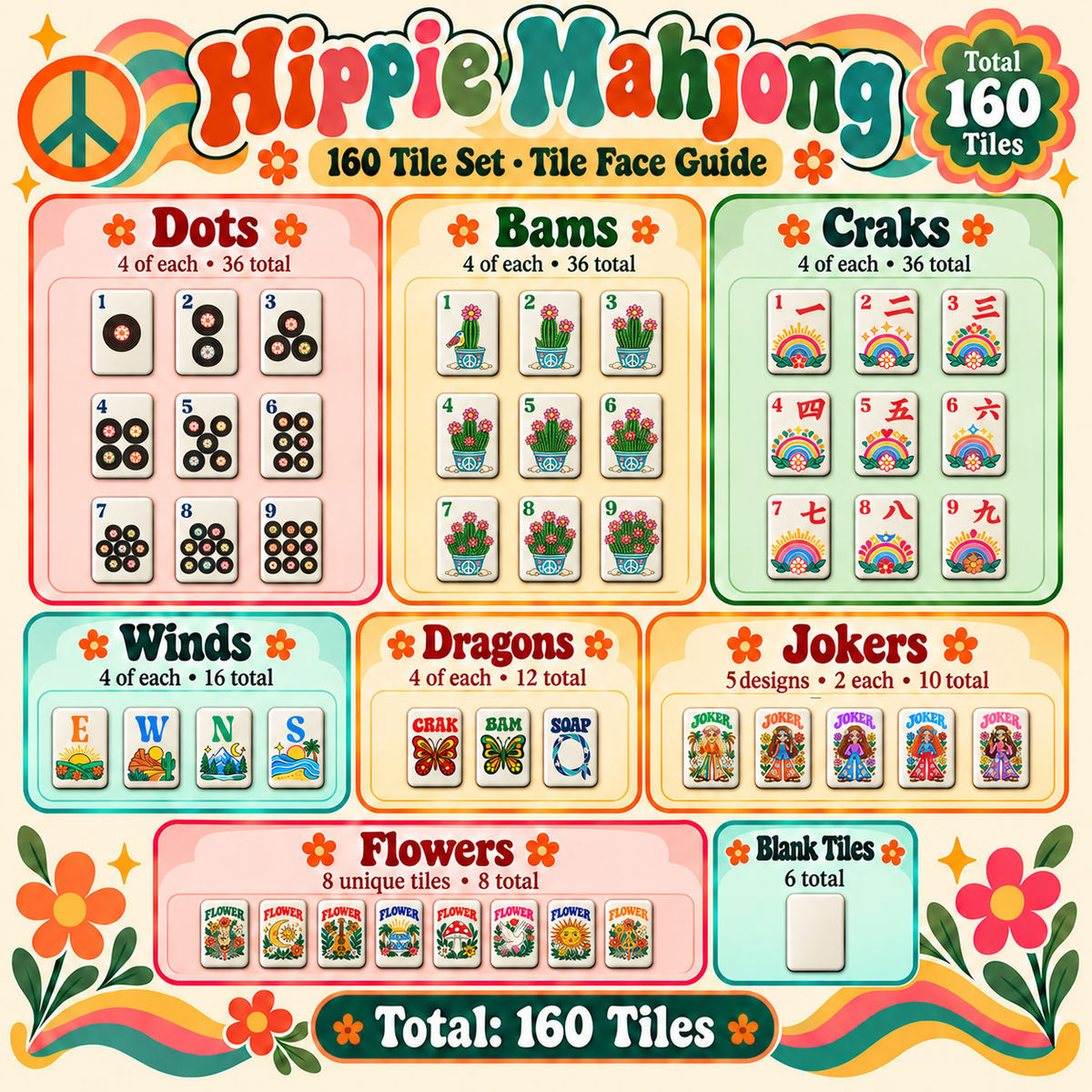
Hong Kong mahjong apps fall into two types: live multiplayer platforms (where you play real money or free games with people worldwide) and solo/AI practice apps. Live apps like those found on iOS App Store and Google Play link you to tables within seconds; most show hand rankings, discard history, and auto-notification of winning hands. Solo apps teach strategy and rules offline—valuable if you're learning from scratch or lack local players. None teach American mahjong (which uses a seasonal card and jokers differently); Hong Kong uses no seasonal restriction and simpler hand patterns. Live apps usually charge per game or require in-app currency; solo apps are often free. Before downloading, check: does the app run stably on your phone, does it offer English-language rules, and do reviews mention fair dealing (no bots pretending to be humans). American mahjong players often find the Hong Kong scoring system bewildering at first, so start with a practice app before wagering. 🀄 Shop best-selling mahjong sets →
What's the difference between live and solo Hong Kong mahjong apps?
Live apps connect you to real players over the internet in real-time games, usually with betting or scoring ladders. You're playing against humans—speed matters, table talk is minimal. Solo apps let you play against AI bots at your own pace, rewind moves, and review hands after play ends. Live teaches real player psychology and speed; solo teaches rules and hand recognition. Choose live if you want the social rush and clock pressure; choose solo if you're still learning Hong Kong hand patterns and need to study each move without feeling rushed. Both can prepare you for in-person play, but neither replaces sitting at a physical table with a mat and tiles.

Which apps have the clearest English rules for beginners?
Most carefully made Hong Kong mahjong apps include a rules section, but depth varies widely. Apps marketed to English-speaking regions usually include hand category charts, scoring breakdowns, and video tutorials. Read reviews from English-speaking players before installing—they'll flag if the English is machine-translated gibberish or genuinely clear. Look for an app that explains the "honor" tiles (winds and dragons), explains what "waiting" means, and shows examples of common winning hands. Free trial plays help: download, run through three practice games, and quit if the interface confuses you. Some apps hide the rules in a buried menu; others make them the home screen—prefer the latter. Avoid apps with no English option at all unless you're already fluent in Mandarin or Cantonese. The goal is to understand why a hand wins, not just memorize sequences.
Do Hong Kong mahjong apps teach you to play American mahjong?
No. They teach you Hong Kong rules, which are fundamentally different. Hong Kong mahjong has fixed hand patterns that repeat year to year (no seasonal card); players declare winning hands immediately; there are far fewer tile combinations that legally win. American mahjong relies on a new card every spring and allows jokers to substitute in named patterns; a hand that wins in Hong Kong might not be legal in American play, and vice versa. If you're learning American for the first time, a Hong Kong app will confuse you—your muscle memory will expect instant hand recognition and fixed patterns. However, a Hong Kong app is excellent cross-training if you already play American: it teaches you to read tile sequences faster and sharpens your pattern spotting. Think of it as learning both chess and checkers; they share the board but not the rules. Play Hong Kong on the app for speed drills, then switch to the American seasonal card when you sit down at a real table.

How do you know if a Hong Kong mahjong app is trustworthy?
Check five things before spending money. First, read reviews on the app store—look for complaints about money disappearing or bots masquerading as real players. Second, verify the publisher: major platforms list a company name, not an anonymous account. Third, play one free game without betting to test for lag, crashes, or sudden disconnects (dead apps often close mid-hand). Fourth, check if the app requires personal banking info or only works via app-store gift cards (the latter is safer). Fifth, read the terms of service for refund policy and data privacy—if it's hostile or vague, move on. Watch YouTube playthroughs of the app before installing; experienced players spot scams faster than new users. If an app promises guaranteed winnings or "untraceable winning methods," it's a scam. Legitimate Hong Kong mahjong apps are operated by gaming companies in regulated jurisdictions (Singapore, Hong Kong, Macau) and are transparent about odds and rules.
Should you use an app to learn mahjong before buying physical tiles?
Yes, if you're brand new. An app costs nothing, teaches hand patterns offline, and lets you make mistakes without embarrassment. Spend a week playing solo games to learn the basic patterns, understand what "calling" and "winning" mean, and recognize tiles quickly. Then—and this is crucial—play on a physical table with real people before buying your own set. Why? Because tiles feel different than screens (they're heavier, cooler, make satisfying sounds), the pace is slower and more social, and the hand-eye coordination required is not the same as swiping. After a few real games, you'll know if mahjong is for you and which style (American vs. Hong Kong vs. Riichi) clicks. Then invest in a quality set. Many people fall in love with an app, buy tiles, and never use them because the physical game feels different. Reverse the order: app first, borrow-or-play-first second, buy third. If you fall in love with Hong Kong mahjong on the app and want to play it in person, you're looking at tiles for Hong Kong rules (simpler tile sets than American, often with brighter artwork). If you decide American mahjong is your style, our best-selling collection includes acrylic sets purpose-built for American play.
Factor | Live App | Solo App | Physical Table |
Cost | Per-game or free (betting optional) | Free–small one-time fee | Tile set + hosting/club dues |
Pace | Fast (real clock) | Slow (your pace) | Medium (social, not rushed) |
Social | Yes (chat, ladder) | No (solo vs. bots) | Yes (in-person talk) |
Learn rules | Okay (quick reference) | Best (pause, rewind, study) | Essential (play real rules) |
Travel | Phone anywhere | Phone anywhere | Requires tiles + table |
Best use | Casual fun, speed practice | Learning patterns, studying | Serious play, real stakes |
🎁 See our most-loved mahjong sets & accessories →
What to check before you buy a mahjong app
Before downloading, confirm: Does it run on your phone OS version? Will you need to pay repeatedly, or is it a one-time fee? Does it auto-save games, or do you lose progress on a crash? Can you adjust tile size and color for visibility? Does it include sound, and can you mute it? Are there privacy settings (do you want your username public)? Finally, uninstall after one week of heavy play—if you're not addicted and itching to join a real table, the app didn't hook you, and you're better off exploring other hobbies than sinking money into apps.
The real question: app or physical tiles?
An app is a preview. Mahjong's greatest pleasure—the click of tiles, the shuffle, the conversation, the suspense—is tactile. Apps remove the ritual. A 2026 beginner can try an app free in minutes; a seasoned player knows apps are training wheels, not the sport. If you fall in love with Hong Kong mahjong on screen and want to graduate to in-person play, physical tiles are your next step. We make 160-tile acrylic American mahjong sets for U.S. players, but if you're drawn to Hong Kong mahjong, look for tile shops specializing in Hong Kong sets locally or online—they'll have brighter, simpler artwork and smaller case counts than American sets. The app teaches the pattern; the tiles teach you to play.
✨ Find your Mahstead set — free US shipping →

FAQ
Can I play Hong Kong mahjong on my Apple or Android phone?
Yes. Both App Store (iOS) and Google Play (Android) host multiple Hong Kong mahjong apps. Search "Hong Kong mahjong" and filter by rating and review language. Most run stably on phones from the last five years.
Will a Hong Kong mahjong app teach me American mahjong rules?
No. Hong Kong uses fixed hand patterns; American uses a seasonal card and jokers. Learning Hong Kong first can actually slow you down when you switch to American—the muscle memory works against you.
Are live mahjong apps safe to play for money?
Reputable apps (published by licensed gaming companies) are as safe as online poker. Unlicensed apps or those with poor reviews are high-risk. Start with free play, verify the publisher, and read recent reviews.
What's the best app for someone who's never played mahjong?
A solo practice app with a strong tutorial and hand-pattern guide. Popular options include those with offline mode (play without internet) and hand replay (rewind and study each move). Once you understand patterns, try live play.
Should I buy a mahjong set after learning on an app?
Wait until you've played on a physical table with real people. Apps feel very different from tiles—the pace, the social rhythm, the hand-eye work are all distinct. Many app enthusiasts never buy tiles; physical players rarely rely on apps after their first month.
Can I use a Hong Kong mahjong app to prepare for American mahjong play?
It's useful for speed and tile recognition, not for rules. The hand patterns are too different. If you play American, study the American card, not a Hong Kong app. If you play both, treat each app as a separate language.


View More
View More
View More
