
Beach Mahjong Party Decorations: Themes, Setup & Where to Buy
Last updated: Nov 23, 2026
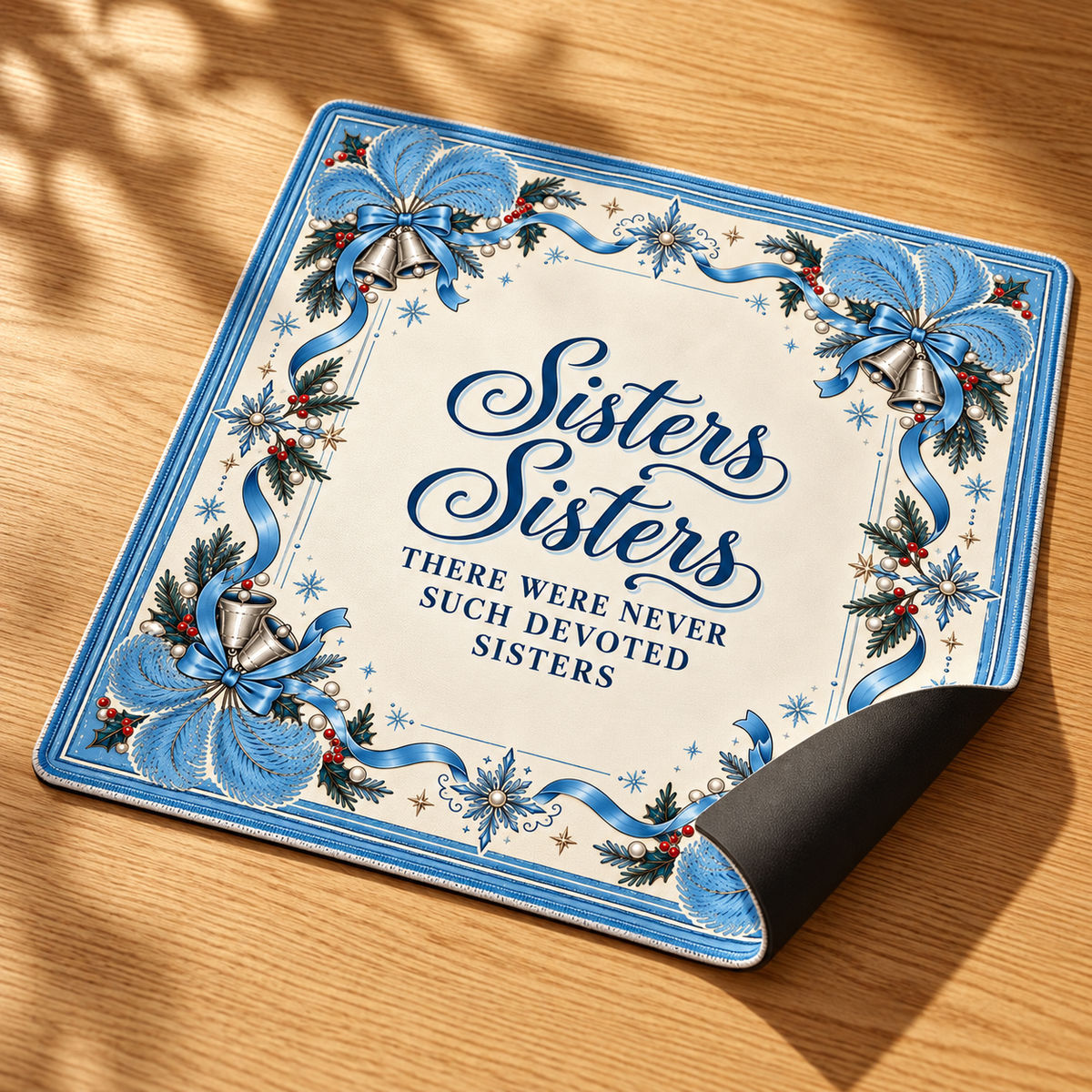
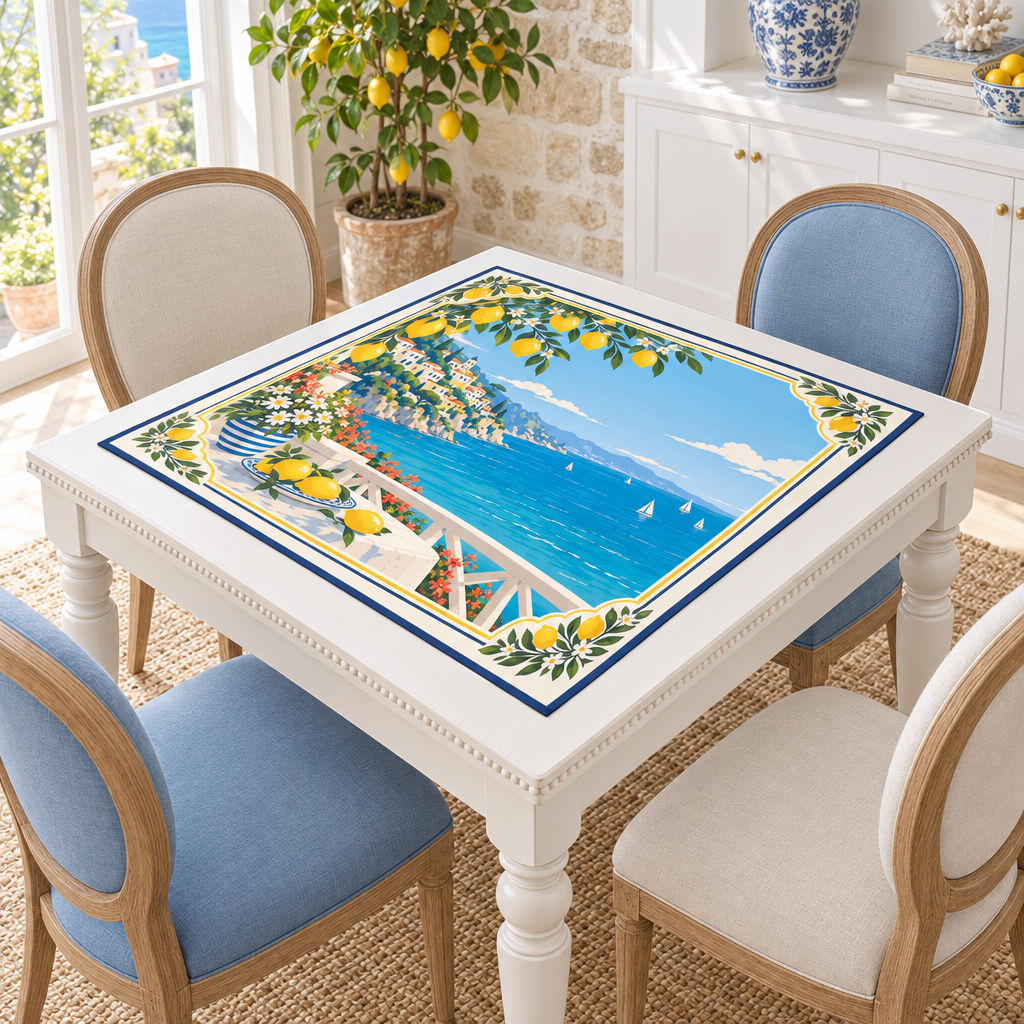
A beach mahjong party blends seaside décor with game-night hospitality: think tropical tile sets, nautical mats, and weatherproof gear that survives salt spray and sand. The core game itself doesn't change—you still need 152 tiles, the current year's National Mah Jongg League card, and four players—but your environment shifts toward palm prints, ocean blues, driftwood accents and seashell centerpieces. Many players bring acrylic sets because they're lightweight, durable and won't absorb moisture; pair these with a protective travel bag and a sturdy mat for stability on uneven ground. Decorations rarely cost more than traditional indoor games because you're reusing beach umbrellas, string lights and existing home decor rather than buying single-use party supplies. The main cost is not the mahjong tiles—it's ensuring your setup weathers wind, sand and sun. Check your tile set's finish before bringing it outdoors; acrylic handles temperature swings better than bone or bamboo. We see most beach players either invest in engraved themed sets that set a tone from the outset, or keep decorations separate and swap in a standard best-selling set for durability. 🀄 Shop best-selling mahjong sets →
What tiles and décor work best at the beach?
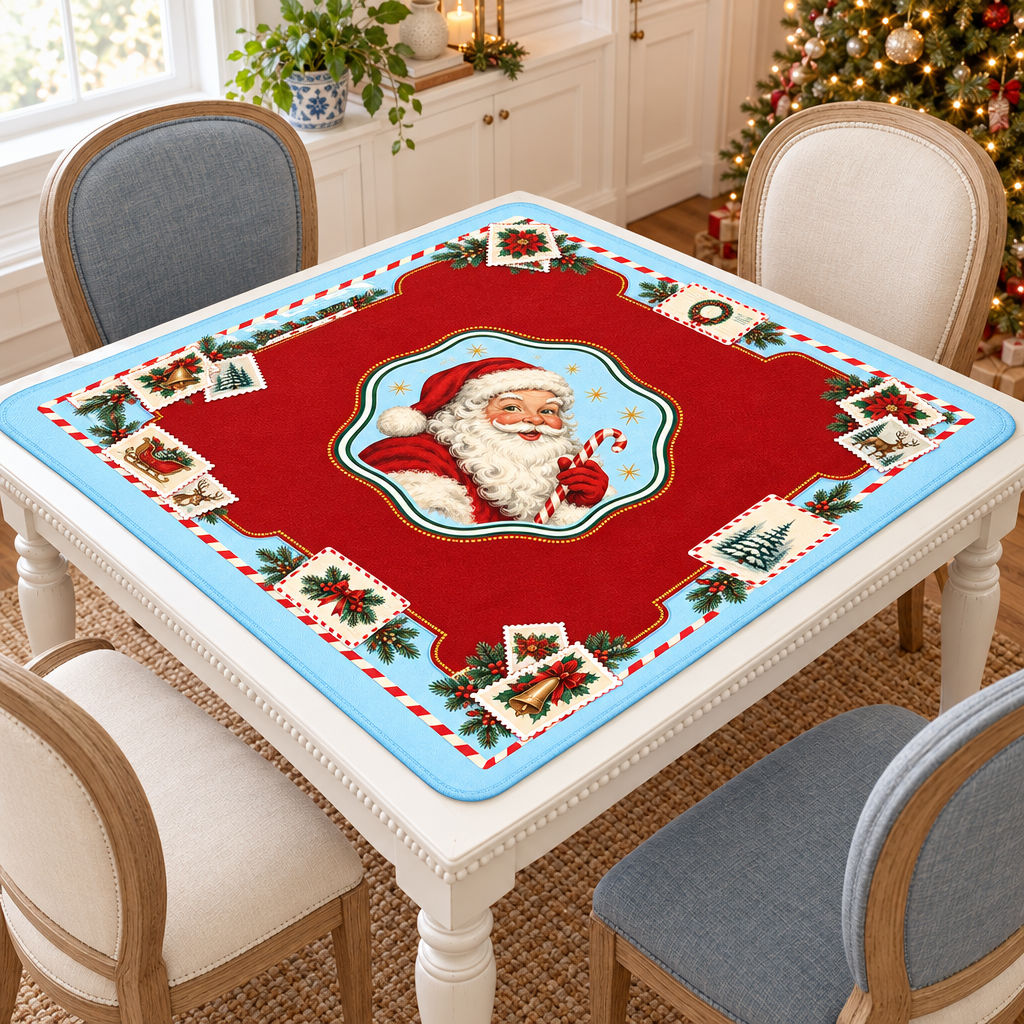
Acrylic tiles withstand sand, salt spray and temperature swings far better than traditional bone or bamboo. We recommend clear or light-colored sets for beach parties because they catch sunlight beautifully and don't absorb heat the way dark tiles do. Pair your tiles with a stable mat that grips sand or secures to a table—wind is your enemy outdoors, and loose jokers disappear quickly. Decorations should be low-maintenance: string lights, umbrellas, and nautical centerpieces (starfish, driftwood, blue linens) require no power or setup beyond what you'd bring to any beach day.
How do you set up the game so nothing blows away?
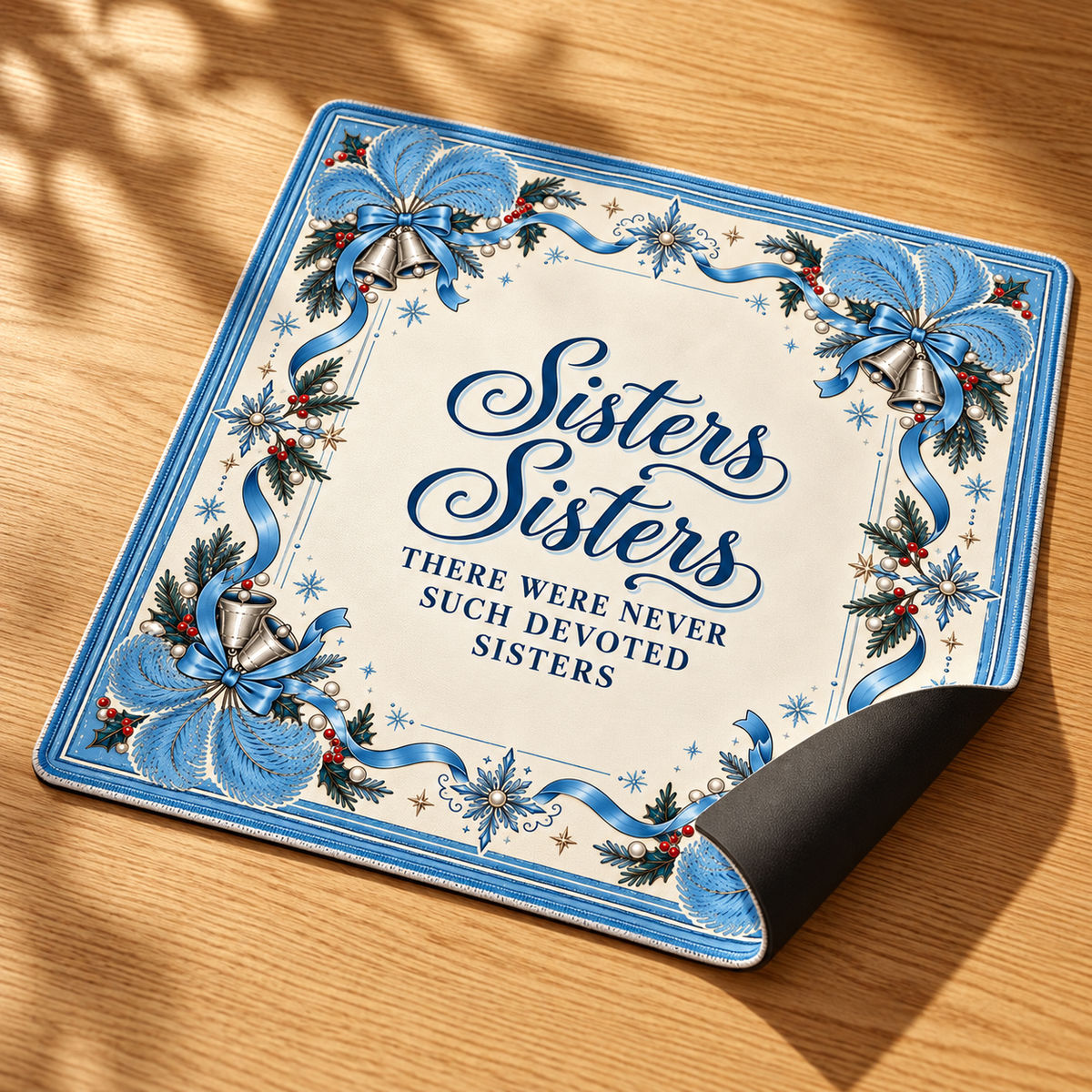
Secure your table first—a low, weighted picnic table beats a card table in wind. Place your mat directly on the surface and use small sandbags or rocks at each corner if gusts are likely. Keep jokers in a cup or small container between turns rather than loose on the mat. A mahjong mat with raised edges and non-slip backing helps contain tiles and reduces scattering when someone reaches across the table. Keep the card in a waterproof sleeve or laminated case so spray and sand don't damage it; the National Mah Jongg League card is your season's bible and worth protecting. Store tiles in a quality travel bag when not in use so they don't pick up sand between rounds.
Should you choose an engraved beach-themed set?
Engraved sets personalize your game and signal to your players that this is a special occasion—not just a casual Tuesday game, but a beach game. They're conversation starters and make great photos. However, they cost more than standard sets and require the same care outdoors. If you're hosting multiple beach parties per season, an engraved set pays dividends in atmosphere and memorability. If this is a one-time event, a standard set plus thoughtful décor achieves the same vibe at lower cost. Either way, acrylic is your material: it handles salt and sand, resists fading and won't split in temperature changes the way bone or bamboo can.
🎁 See our most-loved mahjong sets & accessories →
How do you keep sand and salt from damaging your equipment?
Rinse your tiles with fresh water after play and dry them immediately—salt corrodes even acrylic over time if left wet. Store them in a closed travel bag as soon as you pack up; don't leave them exposed to air and dust on the way home. A mat with a wipeable surface (not fabric) is easier to clean; brush off sand gently with a soft cloth. Keep racks with pushers in a separate compartment so sand in the mechanism doesn't jam the pushers. If you're playing daily over a beach vacation, rinse and dry equipment each evening. For one afternoon, a quick rinse after play is enough. Never pack wet tiles into a bag; moisture invites mold and mildew in storage.
What's the best decoration checklist for a beach mahjong party?
Décor Element | Purpose | Notes |
Beach umbrella (large) | Shade & wind break | Keeps sun off tiles and players' eyes |
String lights or lanterns | Ambiance for evening games | Solar-powered avoids cords in sand |
Nautical table linens (blue, white, striped) | Visual theme | Use clips or weights to prevent flapping |
Cooler with drinks | Practical comfort | Place to the side so it doesn't block play |
Centerpiece (starfish, shells, driftwood) | Focal point | Lightweight and sand-tolerant |
Waterproof card sleeve or laminate | Game continuity | Protects the current-year League card |
Closed tile bag & mat | Equipment safety | Keeps sand out between rounds |
Wet towel or sand bucket | Quick cleanup | Rinse hands and brush tiles as needed |
The most important décor is not what you buy—it's what you prepare. A level table, a secure mat, shade and a drink station transform any beach into a mahjong venue.
How far in advance should you plan a beach mahjong party?
Plan 3–4 weeks ahead. This gives you time to confirm your four players, reserve a beach or picnic area if required, source or order any engraved sets you want, and purchase lightweight décor. Two weeks before, verify you have the current year's National Mah Jongg League card; the card changes every spring, so an old card makes the game impossible. One week out, test your setup in your backyard: position the mat, play a sample hand, and check that your umbrella height doesn't block sightlines. Confirm the weather forecast 2–3 days before and have a rain backup plan. The night before, clean your tiles and mat, pack your travel bag and lay out all décor so you're not scrambling on game day.
✨ Find your Mahstead set — free US shipping →
What to check before you buy
Tile material: Acrylic handles beach conditions best; bone or bamboo warps in humidity and salt.
Bag durability: Your travel bag should have a solid closure and compartments so tiles and décor don't mix with sand.
Card protection: Bring a laminated or waterproof sleeve for the current-year National Mah Jongg League card.
Mat stability: Choose one with non-slip backing and raised edges to contain tiles on uneven or sandy ground.
Player count: Verify you have exactly four players before you plan; American mahjong requires four (or follow special rules for 2 and 3 player variants).
Décor weight: Pick lightweight items that won't tip over in wind or be hard to transport.
Cleanup supplies: Bring fresh water, a soft cloth and a towel so you can rinse tiles immediately after play.
Beach mahjong is not a separate game—it's the same beloved American mahjong you play at home, just set against sand and waves. The real work is in logistics: choosing durable equipment, securing your table against wind, and protecting your tiles from salt and sand. When you do it right, the memory of laughter, ocean air and a winning hand lasts far longer than any indoor game. Start with a solid best-selling set and a quality mat, add your favorite people and some simple coastal touches, and you'll host a party your group talks about all year.
FAQ
Can I use a regular mahjong set at the beach, or do I need a special one?
Any standard 160-tile acrylic set works outdoors. Avoid bone or bamboo in salt and humidity; they warp and crack. Acrylic resists fading, temperature swings and moisture. Rinse and dry your set promptly after play regardless of material.
What happens if sand gets into the tiles or mat?
Brush off loose sand gently with a soft cloth. Rinse tiles with fresh water and dry immediately to prevent salt corrosion. For mats with non-slip backing, brush out sand before storing. Sand inside racks with pushers can jam the mechanism; store racks separately in a sealed compartment.
Do I need a special mahjong card for beach play?
No. Use the current year's National Mah Jongg League card—the same card as indoor play. Protect it in a waterproof sleeve or laminate so spray and sand don't damage it. The card is essential and season-specific; don't play without it.
How many decorations do I actually need for a beach mahjong party?
Focus on practicality over décor. You need shade (umbrella), a stable table, a secure mat and drinks. Add string lights, nautical linens or a centerpiece if you want atmosphere, but the game is the star. Minimal décor reduces setup time and wind hazards.
Should I buy an engraved beach-themed set, or will a standard set do?
A standard acrylic set works perfectly. An engraved set personalizes the party and photographs well but costs more. For a one-time event, pair a standard set with beach décor. For annual parties, an engraved set becomes a tradition worth the investment.
What's the best time of day for a beach mahjong party?
Late afternoon (4–6 p.m.) avoids peak sun and heat while keeping you in daylight. Evening games work with solar string lights. Avoid mid-day direct sun—it creates glare and overheats acrylic tiles. Always have shade from an umbrella or tent.


View More
View More
View More
