
Bakelite vs Resin Mahjong Tiles: Which Should You Buy?
Last updated: Nov 23, 2026
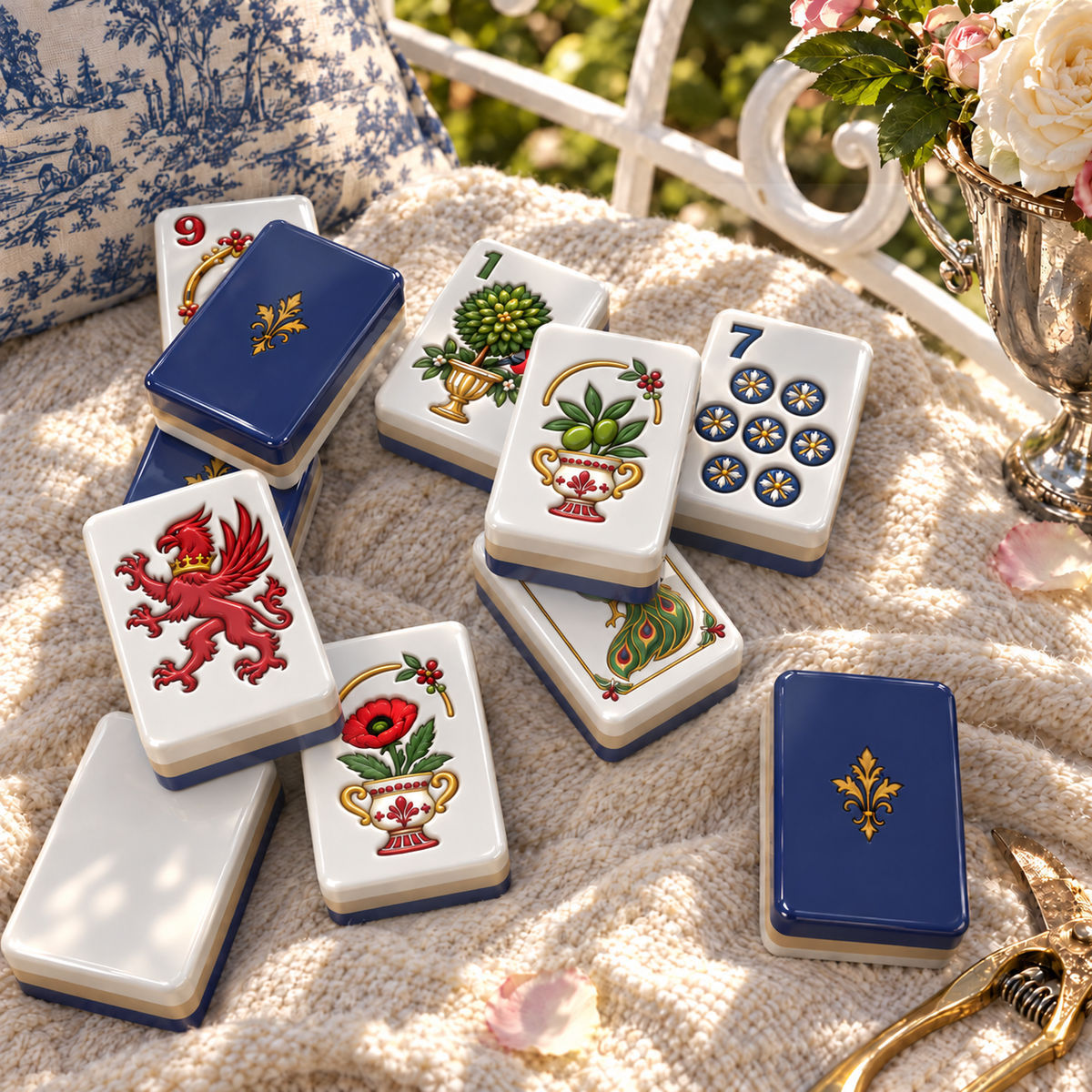
Bakelite tiles—made from phenol-formaldehyde, one of the first plastics—are heavier, denser, and produce a distinctive sharp click when played; they're prized by serious players for their authentic feel and longevity, though they cost more upfront. Resin tiles are lighter, quieter, and easier to manufacture, making them more affordable and ideal for casual players, travelers, and beginners; resin can chip more easily but replacement tiles are cheaper. Both are safe and legal for American mahjong. Bakelite dominates among veteran home-game groups; resin suits families learning the game or players who prioritize portability. Mahstead offers engraved American mahjong sets in both materials, each with custom designs and free US shipping.
Choosing between bakelite and resin mahjong tiles means deciding between tradition and practicality—and your answer depends on how you play. Let's walk through the real differences so you can commit with confidence.
What exactly is bakelite, and why do mahjong players love it?
Bakelite is a thermoset plastic invented in 1907, composed of phenol and formaldehyde. Once molded, bakelite cannot be reshaped or recycled; it's essentially permanent. Mahjong tiles made from bakelite are dense, heavy, and feel substantial in your hand—many players describe this weight as part of the authentic game experience. Bakelite tiles also produce a crisp, distinctive sound when shuffled or played, which longtime players associate with serious mahjong. The material is durable: a well-kept bakelite set can last decades without fading or warping. Bakelite does discolor slightly over time (yellowing or darkening), which collectors often view as character rather than damage. Because bakelite requires more labor to cast and finish, sets cost more than resin equivalents.

How does resin compare in feel, durability, and sound?
Resin tiles are lighter and quieter than bakelite—the shuffle sounds softer, almost muffled. Resin is easier to manufacture at scale, which keeps costs lower and allows faster delivery. The material resists yellowing better than bakelite, so tiles stay bright over years of casual play. However, resin is more brittle; a dropped tile is more likely to chip or crack than a bakelite tile would. Resin tiles can also warp or fade if exposed to direct heat or sunlight for extended periods. For a casual player or someone who travels with their set, resin's lower weight and cost often outweigh these vulnerabilities. Resin tiles feel slightly slippery compared to bakelite, which some players find less satisfying but others prefer for speed play.
Which material costs more, and when is that difference worth it?
See current price on the product page for both materials; bakelite typically commands a premium because production is slower and the material itself is more expensive. If you play weekly or more, amortizing the cost of bakelite over years of regular use makes the upfront spend reasonable. If you host occasional games, play casually, or are introducing new players to the game, resin delivers the same legal American mahjong experience at a lower entry point. First-time buyers and learners often choose resin to test commitment without risk; upgrading to bakelite later is common once the game becomes a regular habit. For gifts—especially to uncertain recipients—resin removes the guilt of a high-stakes purchase. For heirloom-caliber sets you want to pass to family, bakelite's durability and character justify the expense.
What does the material feel like in your hands, and does it matter?
Bakelite feels weighty and substantial; picking up a bakelite tile requires a tiny bit more effort than resin, which can slow reflexes for very fast players but satisfies players who value ritual and deliberateness. The surface of bakelite is slightly warmer to the touch and develops a patina. Resin feels slicker and more uniform; tiles glide across a mat with less resistance. Competitive American mahjong players who use hand racks often prefer bakelite because the extra weight helps tiles stay seated. Casual players on a cloth mat may not notice the difference. The sound difference is real: bakelite's crisp click signals serious play, while resin's softer clatter suits relaxed games. Preference here is deeply personal—try a friend's set if you can, or accept that either material is correct.

Which material should you choose based on your situation?
Your Situation | Better Choice | Why |
Weekly home games | Bakelite | Durability, authentic sound, long-term value |
Travel or casual play | Resin | Lighter, lower cost, less worry about damage |
First-time buyer | Resin | Test commitment; upgrade later if hooked |
Competitive player | Bakelite | Weight, feel, and respect within the community |
Children or beginners | Resin | Affordable, forgiving, replacement tiles are cheap |
Heirloom gift | Bakelite | Character, longevity, collectible appeal |
Indoor outdoor use | Resin | Better UV resistance than bakelite |
How do you spot quality within each material?
Regardless of material, inspect tiles for consistent engraving (characters should be crisp and centered), even weight distribution (shuffle a small pile; no tile should feel obviously heavier or lighter), and smooth edges (no rough seams or burrs). With bakelite, look for uniform color—heavy streaking or chalky spots can indicate poor casting. With resin, confirm that symbols don't feel raised or ridged; they should be flush. Ask whether the set includes replacement tiles; both materials should come with spares. Check whether jokers are clearly marked and not opaque or hard to count during play. If ordering online, confirm the set includes the full 152 playing tiles plus 8 jokers, as well as engraved designs that match your aesthetic. Our best-selling sets in both materials come ready to play out of the box.
🀄 Shop best-selling mahjong sets →
What should you check before you buy?
Before committing, verify these details:
Material confirmation: Ask the seller explicitly whether tiles are bakelite or resin—don't assume from price alone.
Tile count: Confirm the set is 152 tiles + 8 jokers (a 160-tile set includes spares; never add extras to active play).
Engraving: Look at photos; symbols should be clear and consistent, not faded or blotchy.
Weight and sound: If buying online, read reviews from other players describing the feel and shuffle sound.
Edges and seams: Zoom into photos if available; tiles should look finished, not raw or roughly molded.
Joker clarity: Jokers must be unmistakable during fast play—solid colored, clearly marked, or distinctly shaped.
Return policy: Confirm you can return or exchange if tiles arrive damaged or misrepresented.
Storage and care: Bakelite needs a cool, dry place to avoid warping; resin benefits from shade to prevent fading. A quality mahjong bag or case protects both materials during storage and travel.
🎁 See our most-loved mahjong sets & accessories →
The real answer is this: if you're building a home game you'll keep for years, bakelite rewards that investment with authenticity and durability. If you're exploring the game, traveling, or introducing others to mahjong, resin gets you playing legally and affordably, with the option to upgrade later. Neither choice is wrong—only the choice that matches how you actually play matters.
✨ Find your Mahstead set — free US shipping →

FAQ
Can I mix bakelite and resin tiles in the same game?
Technically yes, but no—the weight, sound, and feel will be inconsistent, throwing off rhythm and shuffling. Play with a single material.
Do bakelite tiles yellow or discolor over time, and is that a defect?
Yes, bakelite yellows slightly with age and light exposure; this is normal and expected, not a defect. Many players view the patina as proof of a vintage, well-loved set.
Are resin tiles less durable because they're cheaper?
Resin is more brittle than bakelite and chips more easily, but it's not "cheap" in quality—it's a different material suited to different play styles. A resin set treated well lasts years.
Which material is better for a gift to someone new to mahjong?
Resin, because the lower cost reduces pressure on the recipient to love the game immediately, and replacement tiles are affordable if someone breaks one learning to play.
Do tournament American mahjong rules require a specific material?
No—American mahjong is played legally with either bakelite or resin. Tournament organizers don't mandate material; bakelite simply dominates among serious players by tradition and preference.
How do I care for bakelite vs. resin tiles to make them last?
Both should be stored in a cool, dry place away from direct sunlight. Keep them in a protective bag or case. Avoid stacking tiles under heavy weight or exposing them to heat sources. Wipe bakelite tiles occasionally with a soft, dry cloth; resin is slightly more stain-resistant.


View More
View More
View More
