
Bakelite Mahjong Sets: What to Know Before You Buy
Last updated: Nov 23, 2026
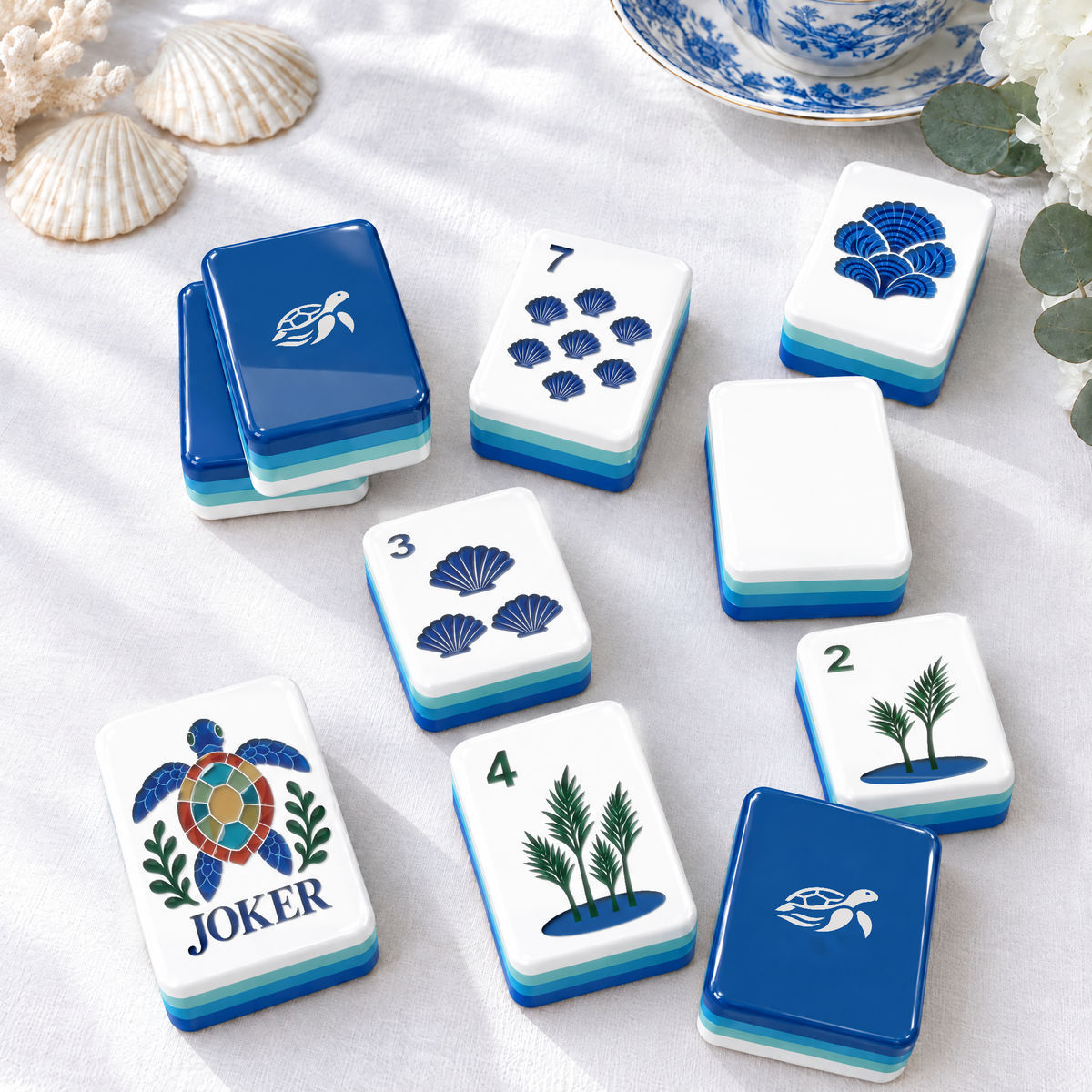
Bakelite is a rigid plastic composite, invented in the 1920s, that delivers the heft and acoustic snap serious players love. Genuine bakelite tiles feel substantial in hand, produce a satisfying clack when tiles meet the mat, and age beautifully with patina. American mahjong sets use bakelite, resin, or acrylic tiles; bakelite remains the gold standard for tournament play and home games where durability matters over decades. A standard American set contains 152 tiles plus 8 jokers—bakelite versions typically run heavier and cost more upfront, but require minimal maintenance. The key before buying: verify tile material (bakelite, resin, or acrylic), check weight per tile, confirm the set includes a mat and rack, and read return policies. Mahstead's best-selling mahjong sets span all three materials, so you can compare feel and value directly.
What exactly is bakelite in a mahjong tile?
Bakelite is a thermosetting plastic made by reacting phenol and formaldehyde—the same chemistry that produced vintage radio housings and early electrical components. In mahjong tiles, bakelite creates a durable, non-porous surface that resists staining and scratching. Over decades, bakelite develops a subtle sheen and color deepening, rather than degrading. It's heavier than acrylic or modern resin, which players interpret as authenticity and quality. Most tournament-grade American sets use bakelite or premium resin that mimics its performance.

How do bakelite tiles compare to acrylic and resin?
Material | Weight (typical) | Sound | Durability | Maintenance | Best for |
Bakelite | 7–8g per tile | Crisp clack | 50+ years | Wipe only | Tournament, collectors, daily play |
Premium Resin | 5–7g per tile | Similar to bakelite | 20–30 years | Wipe, occasional polish | Serious home players |
Acrylic | 3–5g per tile | Lighter, higher pitch | 10–15 years | Rinse, air-dry | Beginners, travel, budget players |
Bakelite dominates if you play several times per week or want a set that improves with age. Acrylic suits travel and casual games; resin bridges the gap. Feel the weight in your own hands before committing—tile heft affects rhythm and confidence at the table.
What's the real cost difference, and what does it include?
Bakelite sets cost more because the material itself is pricier and production takes longer—the tiles must be individually cast and hand-finished to ensure weight consistency and clear engravings. A bakelite set from Mahstead typically includes 152 tiles in a storage case or bag, and many come with a mat and racks. Acrylic alternatives cost less but won't last as long or feel as substantial in rapid, repeated play. Rather than guessing, check the product page to see current pricing and exactly what ships with each set. Free US shipping means you're not padding the cost with logistics, so the real savings come from comparing materials and extras included.
🀄 Shop best-selling mahjong sets →

Which bakelite set should a beginner or serious player choose?
Beginners benefit from engraved American mahjong sets in acrylic because the engravings stay readable and the lower cost means less guilt if a tile chips during learning. Once you commit to weekly play, a bakelite set pays for itself in longevity and enjoyment. Serious players upgrading from acrylic should prioritize weight, sound, and tile thickness—bakelite typically excels on all three. Test a friend's set before buying if possible; if not, Mahstead's curated collections let you filter by material, so you see what's available and can phone ahead or check product descriptions for exact tile composition. The mat and racks matter too—mahjong mats and racks with pushers pair with any tile type, so don't overlook them.
What are the most common mistakes when buying bakelite sets?
Assuming all "bakelite" labels are genuine. Some sellers use "bakelite" loosely to mean "premium plastic"; request photos or product specs showing tile weight and material certifications.
Ignoring tile thickness. Bakelite tiles range from thin (easy to flip, travel-friendly) to thick (tournament-standard, less likely to chip). Thicker tiles = better durability and feel.
Forgetting the complete setup. A beautiful tile set alone won't work well without a proper mat—cheap mats cause tiles to skid and slide, defeating the advantage of heavy bakelite. Plan for a mat and racks with pushers from the start.
Buying a set without checking return or replacement policies. Bakelite can crack if dropped or exposed to extreme temperature swings. Know your recourse before purchase.
Not confirming the full tile count. American mahjong always uses 152 tiles plus 8 jokers—sets sold as 160 or 166 tiles include spare jokers and blanks for replacement. Verify this before ordering.
What should you check before ordering a bakelite set?
Before clicking "buy," answer these five questions:
Material confirmed? Does the product listing explicitly state "bakelite," "resin," or "acrylic"? If vague, ask the seller.
Weight and thickness noted? Look for tile weight (grams per tile) and thickness (mm). Bakelite tiles typically exceed 6g and 7mm.
Includes mat and racks? The best sets bundle a mat and racks; if not, budget for them separately. Mahjong mats and racks with pushers run mid-range and are essential for daily play.
Case or bag for storage? Bakelite tiles deserve protection. A padded travel bag or hard case preserves them.
Return window and replacement tiles? A 30-day return window is standard. Ask if spare tiles are available separately.
🎁 See our most-loved mahjong sets & accessories →
Bakelite remains the material of choice for players who value authenticity, durability, and the tactile pleasure of the game. The upfront cost reflects decades of use; acrylic and resin work for casual players, but bakelite earns its place at serious tables. Visit our mahjong titles collection to compare materials side by side, and don't hesitate to reach out—we play weekly and can answer your specific questions based on real table experience. Whether you're starting out or upgrading, the right set transforms how you feel about the game.
✨ Find your Mahstead set — free US shipping →

FAQ
Is bakelite better than resin for everyday mahjong?
Bakelite lasts longer and ages beautifully, but premium resin offers 80% of the feel at lower cost. If you play more than twice weekly, bakelite pays off; casual players may prefer resin or acrylic.
Can I clean bakelite tiles with water?
Yes. Wipe tiles with a damp, lint-free cloth and air-dry immediately. Avoid harsh chemicals or prolonged soaking—bakelite is durable but not waterproof.
What's the difference between a 152-tile set and a 160-tile set?
A 152-tile set contains exactly what you need to play American mahjong (152 tiles + 8 jokers). A 160-tile set includes spare jokers and blanks for replacement if tiles are lost or damaged during years of play.
Do bakelite tiles make a noticeably different sound than acrylic?
Yes. Bakelite produces a sharper, more satisfying clack due to its density and rigidity. Acrylic sounds lighter and higher-pitched. Many experienced players find the bakelite sound reassuring and enjoyable.
How do I know if a set is genuine bakelite or just marketed that way?
Request the tile weight and material specification from the seller. Genuine bakelite tiles weigh 6–8 grams each; acrylic typically weighs 3–5 grams. Check the product page or ask directly—reputable sellers like Mahstead provide transparent material specs.
What's the lifespan of a bakelite mahjong set with regular play?
A well-maintained bakelite set lasts 30–50 years or more. Acrylic sets typically last 10–15 years before tiles become brittle. Resin falls in between at 20–30 years, depending on play frequency and storage conditions.


View More
View More
View More
