
Are Resin Mahjong Tiles Good? Pros, Cons & What to Know
Last updated: Nov 23, 2026
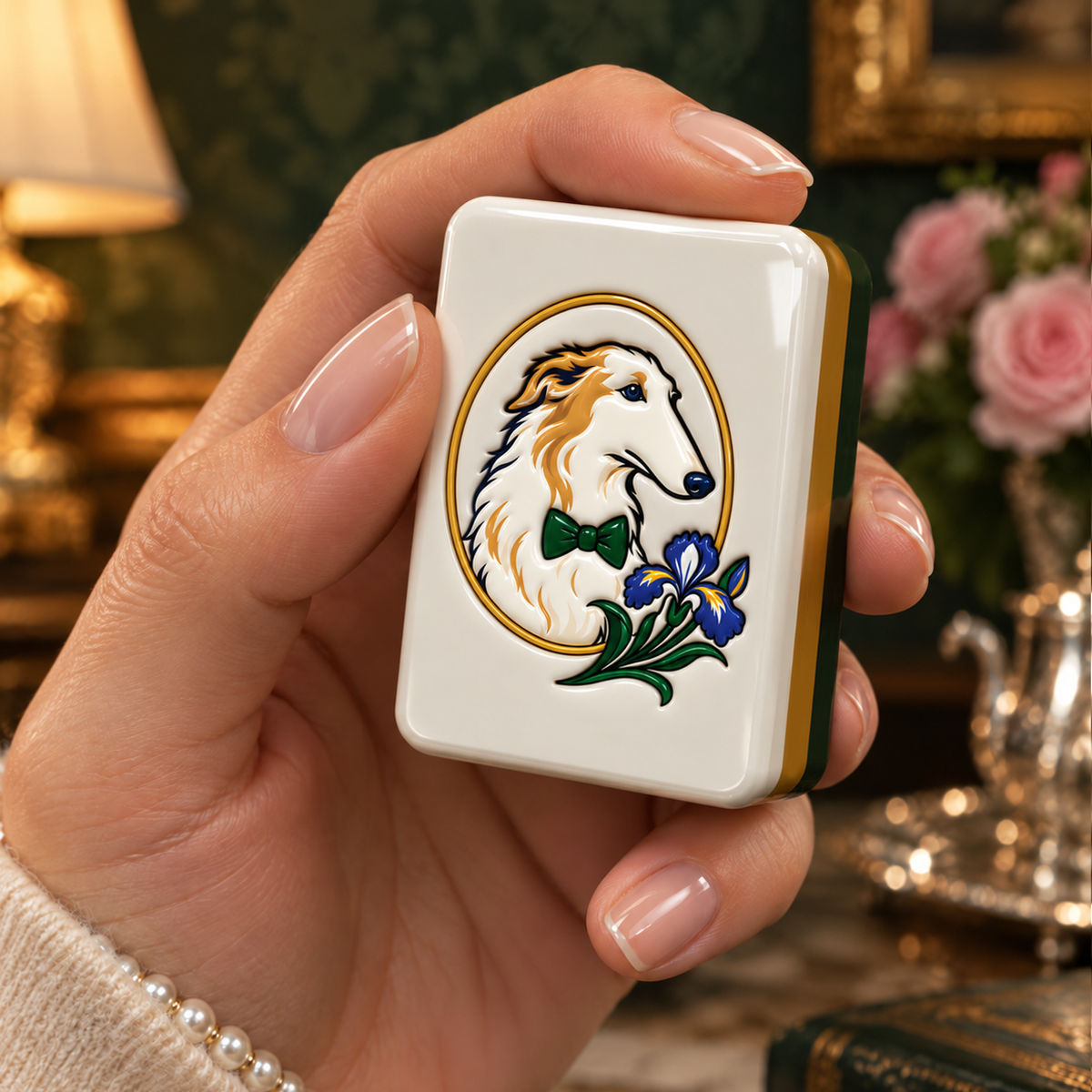
Resin tiles are genuinely good for most players, especially those hosting weekly games or hosting casually, but "good" depends on what you value. They won't chip or crack like bone, cost less, and allow engraved designs and custom colors—real advantages for American mahjong sets. The main honest downsides: they're lighter (less satisfying clack), can feel slippery on some mats, and the tactile feedback differs from traditional materials. If you've played bone tiles for decades, the switch takes adjustment. If you're new to mahjong or want durability without fussing over moisture and handling, resin works well. Our 160-tile acrylic American sets balance playability with longevity; most players hosting regular games report they prefer the low-maintenance profile once they adjust to the feel. Cost matters too—resin sets from reputable makers cost less than premium bone, making them sensible for groups. 🀄 Shop best-selling mahjong sets →
Why do resin tiles sound and feel different from bone?
Resin is denser and lighter than bone; it has less acoustic resonance. When you draw a tile or make a pung, bone produces a deeper, richer clack that many players love—it's part of mahjong's sensory ritual. Resin tiles on a mat produce a higher-pitched, sharper sound, closer to plastic. The weight difference matters too: bone tiles have heft that slows your draw slightly, creating a deliberate rhythm; resin tiles move faster across the mat, which some find jarring at first. Tactile feedback also shifts—bone has subtle warmth and slight texture variation, while resin is uniformly smooth and cool. After 3–5 game nights, most players' brains adjust and stop noticing; the real decision is whether the ritual matters more than convenience.

Are resin tiles durable enough for weekly play?
Yes. Resin tiles resist chipping, cracking, and moisture damage far better than bone. Bone tiles, especially older or cheaper ones, can chip at the edges if dropped or stacked carelessly—and moisture from hand cream, humidity, or spilled tea can cause warping or discoloration over months. Resin tiles laugh at that. We've seen acrylic and resin sets played twice weekly for years with only cosmetic wear. The real durability advantage: if you're hosting games and tiles pass through many hands, resin sets don't require the babying—the protective cases and careful stacking—that bone demands. The trade-off is surface scratches; resin can show fine scuff marks over time, whereas bone develops a patina that players often find beautiful. For serious frequent play, resin still outperforms in reliability and cost-of-ownership.
How does engraving on resin tiles affect gameplay?
Engraved resin tiles are fully legible—numbers and suit symbols are routed or printed clearly into the tile face, so they never fade mid-game. This is actually a gameplay advantage if you play with custom designs or joke tiles that add humor to your group's weekly nights. The engraving doesn't add thickness or roughness that interferes with shuffling or drawing; the routed channels are shallow and smooth. One honest note: if you order a set with engraved personalization (names, dates, or club logos), verify the design on a sample or image before committing—custom runs can't be undone. Our engraved American mahjong sets include design proofs so you see what's coming. The surface-level drawback is that engraving shows dust and debris slightly more than plain tiles, but a light cloth wipe before play fixes that in seconds.
🎁 See our most-loved mahjong sets & accessories →
What maintenance do resin tiles actually need?
Almost none, which is the real win. Bone tiles require regular handling with dry hands, storage in humidity-controlled bags, and occasional light cleaning with a soft, barely damp cloth. Resin tiles tolerate normal human neglect. Store them in any decent case or bag, don't leave them in a car in summer heat for weeks, and you're fine. A light wipe with a dry microfiber cloth keeps them dust-free. Unlike bone, they don't absorb odors from the room or picks up moisture that causes subtle warping. If someone spills water on a few tiles, you just wipe and dry them—no panic about swelling or staining. The only real risk is prolonged UV exposure (direct sunlight on the tiles for months) which can fade lighter colored resins, but that's a rare edge case. For hosting players who pack up weekly and store sets in a bag between games, resin is genuinely hassle-free.

How do resin tiles compare to bone on cost and value over time?
Factor | Bone (premium) | Resin (acrylic/high-grade) | Winner for most |
Entry cost | Higher | Lower | Resin |
Durability | Chips/cracks possible | Chip-resistant | Resin |
Maintenance burden | Humidity, careful handling | Minimal | Resin |
Sensory experience | Rich sound, warm feel | Higher pitch, smooth | Bone (preference) |
Customization | Limited | Full engraving + color | Resin |
5-year cost to host a group | Repairs/replacements likely | One set, one bag | Resin |
Collectibility | Appreciates if handmade | Stable | Bone (hobby) |
For a group hosting weekly mahjong nights, resin wins on value—you buy once, play indefinitely, and never worry about a tile catastrophe mid-game. Bone appeals to collectors or players who prioritize the aesthetic and tactile ritual above cost. If you're torn, our best-selling mahjong sets offer resin at a sweet spot: durable, customizable, and priced so you won't hesitate to invite friends over.
What should you check before buying a resin mahjong set?
Weight per tile: Solid resin tiles are heavier than hollow plastic ones. Feel the sample if possible—if they're feather-light, quality may be cut.
Tile finish: Glossy resin can be slippery on mats; matte or slightly textured finishes grip better. Ask the maker about the finish or request photos in overhead lighting.
Joker count: American mahjong always plays with exactly 152 tiles + 8 jokers. Verify the set includes 8 jokers, not fewer (some budget sets skimp). Sets are sold as 160-tile (152 + spares), not 144 or 166, so count before purchase.
Color legibility: Numbered or engraved tiles must be readable at arm's length in normal room light. Check sample photos under typical lighting, not studio shots.
Case quality: Tiles are useless if your case falls apart. Inspect whether the bag has internal dividers (easier packing) and whether zippers are reinforced.
Compatibility with your mat: Resin tiles on a fabric mat can slide; a mat with rubber backing or a bamboo rack helps. See our guide to choosing a mahjong mat for pairing advice.
Warranty or guarantee: Reputable makers stand behind their sets. Confirm the return or defect policy before you order—don't assume.
A quick decision framework: is resin right for you?
Choose resin if:
You host weekly or monthly games with rotating players
You want durability without fussing over storage or hand care
You like the idea of engraved names, dates, or custom designs
Budget matters—you'd rather spend less upfront
You're new to mahjong and aren't yet attached to bone's feel
Choose bone if:
You play daily or in a serious club context where ritual and sound matter deeply
You've played bone for years and the switch feels wrong
You see mahjong tiles as heirloom objects to pass down
You love the warm tactile experience and rich clack above all else
Budget is unlimited and durability is secondary to aesthetics
Most casual and intermediate players land in the resin camp—it's the practical choice for real-world game nights. Shop our collection of engraved American mahjong sets to see what designs and customizations are available, and remember: you can always upgrade to bone later if mahjong becomes a lifelong passion.
✨ Find your Mahstead set — free US shipping →

FAQ
Do resin tiles wear out faster than bone?
No. Resin resists chipping and moisture damage better. Bone tiles can develop surface cracks or edge chips after years of use, especially if dropped or exposed to humidity swings. Resin tiles may show fine scratches, but they remain structurally sound indefinitely under normal play.
Can I mix resin tiles from different sets?
Not reliably. Resin from different makers or batches may vary slightly in color, weight, or size—mixing them will be noticeable during play and may confuse players. Stick with one complete set per game, per the American mahjong rule of exactly 152 tiles + 8 jokers.
Why do some resin tiles feel greasy or slippery?
Low-grade resin or a glossy finish can feel slick, especially on fabric mats. Higher-quality resin with a matte or lightly textured surface grips better. Request photos or samples before buying; if you already have slippery tiles, a bamboo rack or rubber-backed mat solves the problem.
How long do resin tiles last if I play twice a week?
Easily 10+ years with minimal fading or wear. We've observed sets played twice weekly for over 5 years with only cosmetic surface marks. Resin doesn't fatigue like bone; it has no internal grain that can crack under stress.
Are resin tiles safe if someone has a latex or plastic allergy?
Most mahjong resin (acrylic, polyester, melamine) doesn't trigger latex allergies. However, if someone has a severe plastic sensitivity, confirm the resin type with the maker before ordering. Bone is the safest alternative for those with chemical sensitivities.
Can I engrave resin tiles after I buy the set?
Not cleanly. Professional routed engraving requires industrial equipment; DIY attempts risk cracking the tile. Order engraved from the maker at purchase. If you want to add personalization later, adhesive labels or a custom scorepad are safer options.


View More
View More
View More
