
Are Old Mahjong Sets Worth Money? A Player's Guide
Last updated: Nov 23, 2026
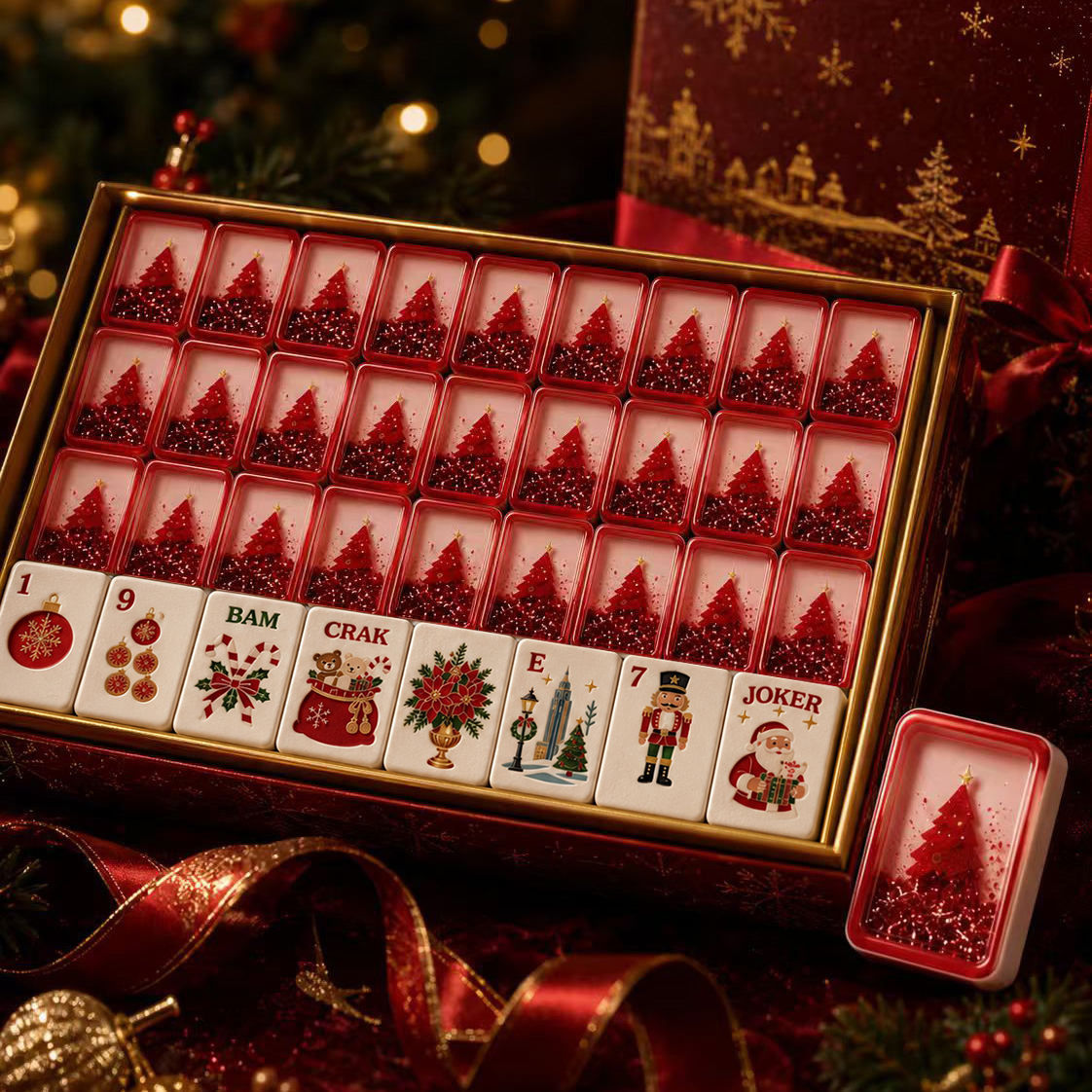
Yes, old mahjong sets can be worth money, but age isn't the whole story. Value depends on materials (bone and bamboo command more than plastic), maker's mark or provenance, tile condition (chips and stains tank value fast), and rarity—a pre-1950s carved ivory set in mint condition might fetch real money at auction, while a yellowed plastic 1970s import may not. Chinese hand-painted sets from the early 20th century, Japanese sets with gilt detail, and numbered or artist-signed pieces tend to appreciate. American bakelite sets from the 1920s–40s hold steady collector interest. Check online auction results and antique dealer listings for comparable sales; condition photos matter most. If you're a regular player, a well-maintained vintage set becomes both heirloom and functional tool—something modern acrylic or resin sets simply can't replicate, though they offer consistency and durability our weekly games rely on.
What Makes a Mahjong Set Worth Real Money?
Material is the primary driver. Bone and bamboo sets, especially hand-carved or inlaid with jade or mother-of-pearl, command collector premiums because they're labor-intensive and finite. Bakelite (early plastic, brittle, warm to touch) from the 1920s–1940s appeals to art deco enthusiasts. Ivory, once common in luxury sets, now faces legal and ethical barriers that ironically increase auction prices for pre-restriction examples—though we'd urge you to collect responsibly. Cheap plastic from the 1960s–90s rarely appreciates unless it's a numbered limited edition or bears a famous maker's name. A single artist signature or studio mark (Chinese or Japanese) typically adds 30–50 percent to an otherwise modest set.

How Do You Know If a Vintage Set Is Authentic?
Examine the tile surface under magnification. Hand-painted details should show slight irregularities and wear patterns consistent with age; factory printing is too uniform. Check the back of tiles for tool marks, aging patterns, or maker stamps. Authentic bone tiles age to a warm cream or tan; bright white plastic doesn't. Look for weight—genuine bone and bamboo feel substantial; modern reproductions may feel hollow or too light. Compare your set's style to museum or dealer catalogs online; reproduction "antique" sets flood markets and can fool newcomers. If you can't identify the maker or find a matching example in a credible collection, assume it's decorative reproduction unless proven otherwise.
What Condition Issues Tank or Boost Resale Value?
Issue | Impact | Why It Matters | Salvageable? |
Chip or crack on face | −30–60% | Core gameplay suffers; collectors demand mint | Rarely—requires expert restoration |
Faded or worn paint | −20–40% | Pattern illegibility; aesthetic diminishment | Partially—can be re-detailed by restorers |
Discoloration or stain | −15–35% | Suggests storage neglect or water damage | Sometimes—depends on root cause |
Missing tiles (1–8) | −40–80% | Set is incomplete; playability compromised | Only if spares exist and match period |
Original case, documentation | +25–50% | Provenance and completeness boost appeal | Yes—keep all original packaging |
Gentle patina, no damage | 0–10% | Collectors prize "honest wear" over sterility | Yes—authenticity signal |
The single biggest mistake we see: cleaning or refinishing a vintage set without expert consultation. Well-meaning owners strip patina that authenticates age, or use harsh chemicals that blur painted details irreversibly. If you inherit or buy a vintage set, photograph it first, document any maker marks or signatures, and only then decide whether to preserve or restore.
When Should You Play a Vintage Set vs. Keep It as Investment?
If the set is under 40 years old, made of durable materials (bone, bamboo, quality bakelite), and shows no active deterioration, playing it strengthens its story and keeps it functional. We host weekly games with sets from the 1960s–90s and they've held up beautifully because we use mahjong mats to protect the surface and store them in padded travel bags between sessions. Tiles exposed to direct sunlight, temperature swings, or humidity shifts degrade faster than those played on regularly and stored indoors. Pre-1950s sets or those with significant market value (documented auction history, rare provenance, artist attribution) deserve conservation: display in a climate-controlled cabinet, handle minimally, and consult a restoration specialist before any cleaning. If you're uncertain about value, commission a single professional appraisal before deciding—the cost often pays for itself in clarity.
🀄 Shop best-selling mahjong sets →

How Do You Research and Price an Old Set?
Start with online auction site sold listings (not asking prices, which are often inflated). Filter by completion, material, era, and condition to find 5–10 comparable sales. Average the final hammer prices, not retail estimates. Check antique dealer websites and specialist mahjong forums—they're candid about market shifts and authentication tips. If your set is Chinese, cross-reference against museum collections (the Metropolitan Museum and Getty have searchable online catalogs). For Japanese sets, contact Japanese antique dealers who specialize in kanji-marked tiles. Local auction houses will often provide free estimates if you bring the set in person; their appraisers can spot fakes instantly. Photograph every tile, case, and mark clearly—sellers who win trust provide documentation. If you're buying, insist on a return window and request close-up photos of any damage before committing.
What's the Difference Between a Collectible Vintage Set and a Playable One?
A collectible vintage set is rare, documented, and ideally unplayed (mint or near-mint condition). It holds or appreciates in value because scarcity and material quality are finite. A playable vintage set is functional but may show use: minor scratches, fading, or gentle patina. It's worth playing because its real value lies in the joy of using it and its resilience. We recommend playable vintage sets for regular players; they're often 50–70 percent cheaper than collector-grade examples and offer authenticity without the storage anxiety. If you love the feel of bone tiles and the weight of racks with pushers laden with genuine materials, a well-kept 30–50-year-old set delivers that tactile ritual modern acrylic can't quite match. Conversely, if you host eight-player rotations or teach beginners, an engraved acrylic set with clear tile faces and consistent feel protects your investment and keeps the focus on learning the game.
🎁 See our most-loved mahjong sets & accessories →
What to Check Before You Buy or Sell an Old Set
Count all tiles. American mahjong = 152 playing tiles + 8 jokers = 160 total per standard set. Missing tiles are red flags unless the set is explicitly incomplete and priced accordingly.
Inspect under light. Look for hairline cracks, especially on corners and edges where tiles were stacked or stored under pressure.
Document markings. Photograph any Chinese characters, artist signatures, studio stamps, or numbered labels. These are your authentication trail.
Test for water damage. Smell the box and tiles—musty odor signals mold risk. Warped tiles or loose bamboo strips indicate prior flooding.
Verify the era. Cross-reference tile design, packaging style, and material composition against known production periods. Reproduction sets often mix-and-match anachronistic details.
Check case condition separately. A cracked or water-stained case may tank the set's overall appeal even if tiles are pristine; conversely, original cases boost value by 20–30 percent.
Ask about provenance. Where did the seller acquire it? Family heirloom, estate sale, or dealer stock? Chain of ownership matters to collectors.
Confirm completeness of racks, pushers, and dice if included. Modern sets sometimes lack these; older sets may have them and add appeal.
✨ Find your Mahstead set — free US shipping →

FAQ
How much is a typical 1970s mahjong set worth?
Most 1970s plastic sets sell for $20–$100 unless they're signed limited editions or have rare tile art. Condition and completeness matter more than age at this price point; missing tiles or staining cuts value in half.
Is ivory in a mahjong set illegal to sell?
Pre-1989 ivory is legal to own and sell domestically in most U.S. jurisdictions, but export/import is restricted. Check local and federal wildlife regulations before listing online; many auction platforms ban ivory sales outright regardless of legality to simplify compliance.
Can I restore yellowed or cracked tiles myself?
Not recommended. DIY cleaning often removes patina or damages paint; epoxy repairs are visible under magnification and signal amateur restoration to buyers. If restoration matters, hire a professional conservator who specializes in Asian gaming pieces.
What's the difference between a set's play value and its collector value?
Play value = usability and durability for weekly games (typically $30–$200 for modern or well-maintained vintage). Collector value = rarity, provenance, and investment potential (can range $300–several thousand for documented pieces). A set with high play value may have low collector value and vice versa.
Should I get a vintage set appraised before selling?
Yes, if you suspect it's pre-1950s, has a maker's mark, or cost more than $500 at original purchase. A professional appraisal costs $75–$300 but protects you from underpricing a rare set and provides documentation for insurance or inheritance purposes.


View More
View More
View More
