
Are Ivory Mahjong Tiles Good? Real Player Breakdown
Last updated: Nov 23, 2026
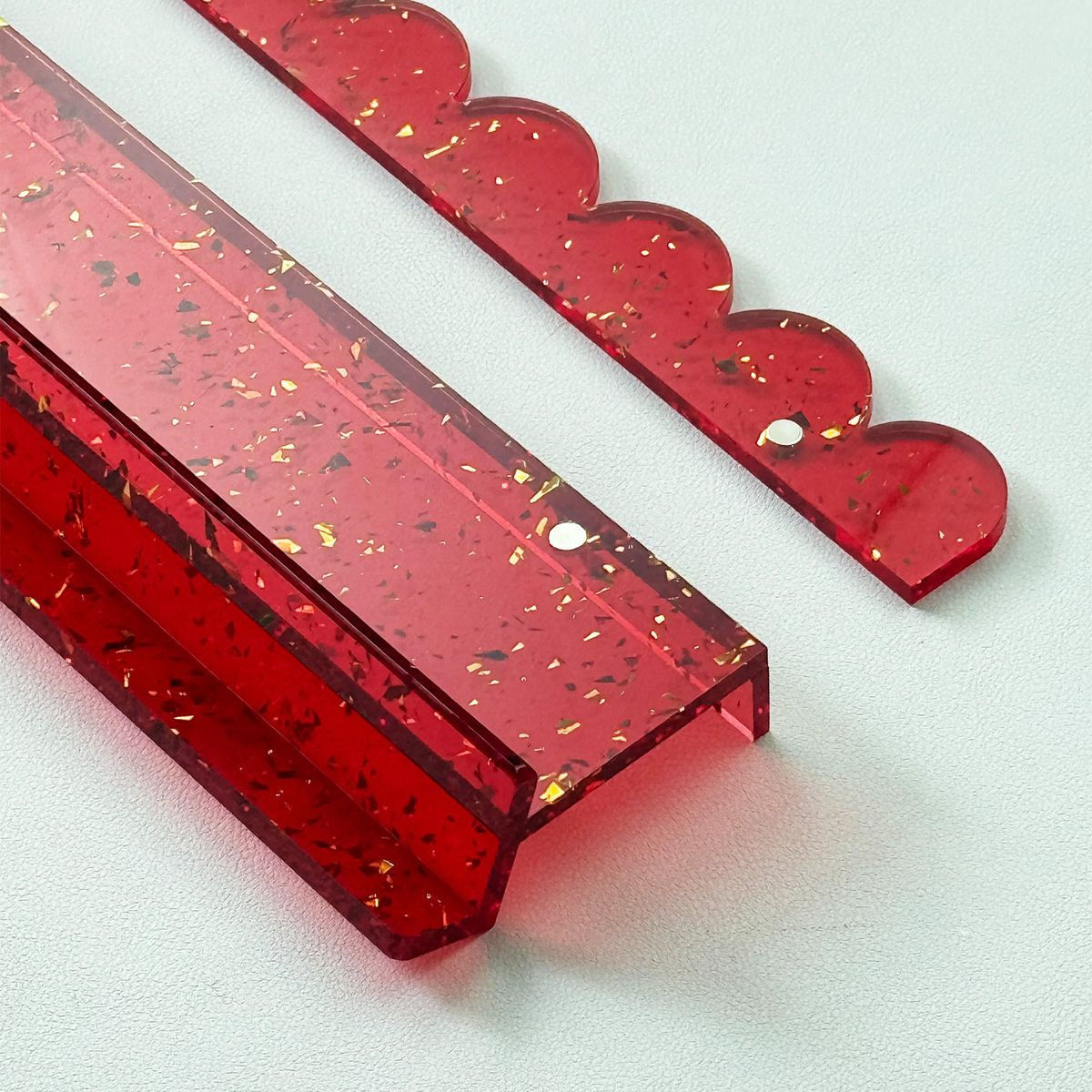
Ivory tiles sound and feel beautiful to experienced players but show wear quickly under weekly use, chip easily, and can stain with age. Acrylic tiles dominate American mahjong today because they're durable, consistent, loud enough for group play, and survive humid basements and kitchen tables. If you inherit bone-and-bamboo sets or play in heritage venues, ivory works; for new players starting a weekly game, acrylic gives you reliability without compromising sound quality. The choice ultimately depends on whether aesthetics or longevity matters more to your group—and how often you play. Mahstead builds acrylic sets with the weight and acoustic profile serious players want, letting you focus on the game instead of protecting tiles.
Ivory mahjong tiles sound and feel beautiful to experienced players but show wear quickly under weekly use, chip easily, and can stain with age. Acrylic tiles dominate American mahjong today because they're durable, consistent, loud enough for group play, and survive humid basements and kitchen tables. If you inherit bone-and-bamboo sets or play in heritage venues, ivory works; for new players starting a weekly game, acrylic gives you reliability without compromising sound quality. The choice ultimately depends on whether aesthetics or longevity matters more to your group—and how often you play. Mahstead builds acrylic sets with the weight and acoustic profile serious players want, letting you focus on the game instead of protecting tiles.
What exactly is ivory in mahjong tiles?
Ivory traditionally means bone (often cattle bone) carved and hand-painted, sometimes inlaid with bamboo or wood trim. In pre-1950s Chinese and early American sets, bone was the standard—it's warm, slightly flexible, and produces a muted clack players associate with authenticity. Modern "ivory-look" tiles are usually acrylic mimicking that cream color; true bone sets are now rare, expensive, and mostly found in antique collections or specific cultural circles. Real bone yellows, cracks, and absorbs odor and moisture over decades. If a seller claims "ivory" without specifying bone or acrylic, ask directly—the material matters for performance.
🀄 Shop best-selling mahjong sets →

How do ivory tiles perform during regular weekly play?
Ivory sounds warm and satisfying for the first few years but begins to chip at edges and corners where tiles stack in racks and collide during shuffles. Bone is porous—tea, humidity, and hand oils seep in, yellowing or staining patches unevenly. Players report that after 3–5 years of weekly games, shuffled batches develop inconsistency: some tiles stick slightly, others glide, making the Charleston (the pre-game tile pass) slower and more frustrating. Maintenance becomes constant: careful racking, drying after humid nights, occasional gentle cleaning. Acrylic eliminates this friction. It resists staining, won't absorb moisture, and maintains consistent feel after a decade of play.
Why do players still choose ivory despite the maintenance?
The tactile and sonic pleasure is real. Bone produces a lower-pitched clack than acrylic—less sharp, more resonant—which experienced players find calming and familiar. Holding a bone tile feels warmer and slightly less uniform than plastic, which some read as "authentic" or "crafted." For players in their 60s and 70s who learned on bone sets in Taiwan, Hong Kong, or from family, switching to acrylic can feel wrong even if logically it makes sense. Heritage and muscle memory matter. Some community groups and cultural venues maintain ivory sets deliberately as living artifacts. That choice is honest and intentional—not a practical one, but a cultural one.
Acrylic vs. ivory: a player's comparison table
Trait | Ivory (Bone) | Acrylic |
Initial feel | Warm, slightly irregular | Smooth, uniform |
Sound | Muted, resonant clack | Sharper, cleaner clack |
Durability (5 yr weekly play) | Chips, yellows, inconsistent | No visible wear |
Stain resistance | Low (absorbs tea, oils) | High (wipes clean) |
Humidity tolerance | Poor (warps, swells) | Excellent (unchanged) |
Maintenance | Frequent (drying, gentle racking) | None (normal storage) |
Long-term cost | High (replacement needed) | Low (lasts decades) |
Aesthetic | Heritage, warm | Modern, uniform |
✨ Find your Mahstead set — free US shipping →

When should you actually buy ivory tiles?
Choose bone-and-bamboo if you're replacing a family set, joining a heritage club that requires traditional equipment, or you play monthly or less frequently—light use means ivory lasts. Choose acrylic if you're hosting a weekly game at home, loaning sets to new players, or playing in humid climates like Texas or Florida. Acrylic sets from our best-selling collection cost significantly less than quality bone, require zero maintenance, and sound loud enough for group play without anyone missing the "authentic" tone. Many tournament players actually prefer acrylic because consistency matters: every tile shuffles and stacks the same way, every week.
The real barrier: where to find and afford ivory now
True bone-and-bamboo sets are increasingly scarce and expensive, often found only through antique dealers, estate sales, or specialty shops that serve specific cultural communities. New "ivory" sets marketed online are almost always acrylic—there's no market for hand-carved bone anymore at consumer scale. If you want the genuine article, expect to hunt actively and pay significantly. For most new American players, the choice isn't "ivory or acrylic"—it's "acrylic or nothing," because ivory simply isn't available at reasonable cost. This makes the question less "are ivory tiles good?" and more "is the heritage worth the hunt?" For most households, the answer is no.
Our engraved mahjong sets let you personalize acrylic with custom designs, giving you durability and a set that feels distinctly yours—no hunting required, no maintenance headache, free shipping across the US.
🎁 See our most-loved mahjong sets & accessories →
What to check before you buy
Material claim: Does the listing say "acrylic," "bone," or just "ivory"? Ask the seller directly if unclear.
Your play frequency: Weekly games → acrylic. Monthly or less → ivory is defensible if price/availability fit.
Climate: Humid regions (coastal, subtropical) → acrylic mandatory. Bone warps unpredictably.
New player: Always recommend acrylic. No one regrets durability; many regret fragile tiles.
Heritage intent: If you're building a cultural artifact or learning traditional play, ivory has value. Price it accordingly and commit to care.
Set completeness: A standard American set has 152 tiles plus 8 jokers. Verify the count regardless of material.

FAQ
Do ivory tiles really sound better than acrylic?
Yes, bone produces a lower, warmer clack that many experienced players prefer—it's calming and resonant. Acrylic is sharper and cleaner. Whether "better" depends on whether you value heritage or consistency; both are loud enough for group play.
Will ivory tiles yellow or crack if I play weekly?
After 2–5 years of weekly shuffles, bone edges chip and the surface yellows unevenly from hand oils and ambient moisture. Cracks appear in poorly stored sets. Acrylic shows no visible wear under the same use.
Are ivory tiles worth the extra cost?
Only if you play sparingly (monthly or less), inherit them, or intentionally collect for cultural reasons. Weekly players spend more on replacement and maintenance than they save upfront—acrylic becomes cheaper long-term.
Can I mix ivory and acrylic tiles in one set?
Functionally yes, but it's confusing during fast play; different tiles respond differently in racks and during shuffling. Most groups keep sets pure—either all one material or don't mix.
Where can I buy real bone mahjong tiles now?
True bone-and-bamboo sets are rare in modern retail, found mainly through antique dealers, estate sales, and shops serving specific cultural communities. Most "ivory" sets sold new are acrylic. Verify material with the seller before buying.
How should I store and care for ivory tiles?
Keep in a cool, dry place away from direct sunlight; wipe gently with a dry cloth; never soak. After humid games, air-dry the tiles and case overnight. Store far from heat sources. Acrylic needs none of this—normal storage is fine.
Do tournament players use ivory or acrylic?
Nearly all competitive American mahjong uses acrylic. Consistency matters: every tile must shuffle, stack, and feel identical. Ivory's variability becomes a disadvantage at that level, not an asset.
What's the difference between 152-tile and 160-tile sets?
A standard American game uses exactly 152 tiles and 8 jokers. Sets sold as 160 tiles include spare jokers or blank tiles for replacement if pieces are lost. The extra tiles never go into play—they're insurance.


View More
View More
View More
