
Are Glitter Acrylic Mahjong Tiles Good? Real Durability Guide
Last updated: Nov 23, 2026
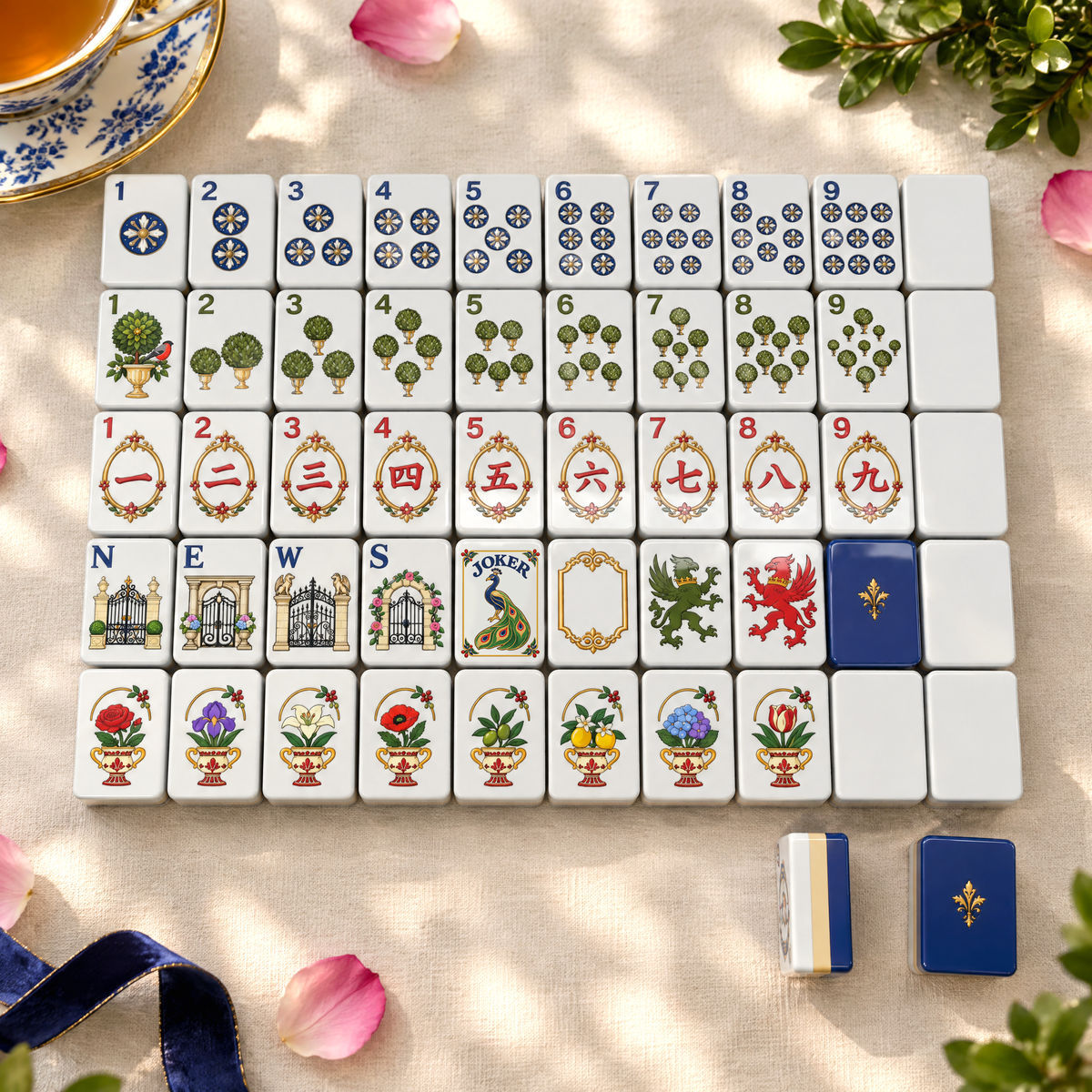
Glitter acrylic tiles look stunning under table lamps but glitter particles shed into the mat, rack, and hands during shuffling and regular play, dulling the shine within months to a year if played weekly. Solid-color or frosted acrylic tiles retain their finish far longer because the color and texture are integral to the material, not a surface coat. If you play casually (a few times yearly), glitter tiles reward the aesthetic with no practical penalty. If you host weekly games or tournament play, solid acrylics outperform: glitter catches light once, then starts looking worn. Mahstead's engraved American mahjong sets come in solid and frosted designs that hold detail season after season without sparkle loss. Choose glitter for display, solid for play.
What causes glitter tiles to wear so fast?
Glitter is a layer of aluminum or plastic particles adhered to the tile surface with resin. Every shuffle, every hand pick-up, every push against the rack pushers creates friction that loosens those particles. After 50–100 shuffles (roughly one night of play for four players), visible glitter transfers to your rack, mat, and fingers. After six months of weekly play, the tiles look dull. The base acrylic underneath remains intact—you're not looking at a cracked tile—but the visual appeal disappears exactly when you're getting good at the game and want to invite players over monthly.

How do solid-color acrylics compare to glitter?
Solid acrylics have color mixed throughout the material during manufacturing. Because there's no top layer to shed, the finish remains consistent across 500+ plays. A frosted solid tile (matte rather than high-gloss) hides fingerprints and minor scratches better than glossy. Solid acrylics weigh the same as glitter tiles, feel identical in hand, and shuffle just as quietly. The trade-off: no sparkle, so they're visually "plain" on first sight. But after a year of play, a solid set looks new while glitter sets show their age. Best-selling mahjong sets at Mahstead use solid acrylic, which is why they're recommended for groups that meet weekly.
When is glitter actually the right choice?
Glitter tiles suit three scenarios: (1) you play fewer than six times per year and care most about first impressions; (2) you're a collector displaying a set in a curio cabinet without shuffling; (3) you want an heirloom-style centerpiece for a single celebratory game, then store it. If any of those apply, glitter delivers. If you're assembling a set for a mahjong group, a family game night rotation, or hosting monthly, glitter will disappoint by month eight. The frustration isn't the cost—it's the regret of choosing sparkle over longevity.
What's the real durability ranking?
Finish type | Weekly play lifespan | Visual aging | Best for ---|---|---|--- Solid acrylic, frosted | 3+ years | Minimal | Active players Solid acrylic, glossy | 2–3 years | Shows fingerprints | Tournament groups Glitter acrylic | 6–12 months | Noticeable dulling | Collectors, occasional players Bamboo or bone (vintage) | 5+ years | Patina, charm | Museum displays
Acrylic (solid or glitter) beats bamboo for consistent sizing and official tournament compliance. Bamboo develops microwarping over time, which throws off shuffling. Our players prefer solid acrylic for both reliability and the fact that you can write directly on engraved sets to personalize them for gifts without degrading the finish.
🀄 Shop best-selling mahjong sets →
How to tell if a glitter tile is high-quality or low-quality?
A high-quality glitter tile uses larger, uniform particles and a durable resin adhesive; it sheds slowly (noticeable after month 4). A budget glitter tile uses fine sparkle particles or weak adhesive; it sheds noticeably after two weeks. Before you buy, ask: Is the glitter flake uniform or mixed sizes? (uniform = better). Does glitter rub off on your fingers when you handle the sample? (any transfer = it will shed fast). Are the engravings (if any) crisp or rounded? (crisp = newer molds, likely better batch control). A real retailer will let you handle a sample; if you're ordering blind, solid acrylic removes the guesswork.

What about mixing glitter and solid tiles in one set?
Don't. If you have a few glitter tiles and want to add solid acrylics to replace worn ones, mixing creates an inconsistent shuffle feel and looks mismatched. The glitter tiles (even dull) catch light differently than solids. If you're replacing tiles after a year, you've reached the point where replacing the entire set costs less in frustration than patching. Bulk acrylic sets are manufactured as matched batches, so if you love a particular frosted green or engraved design, buy a replacement set rather than mixing finishes.
🎁 See our most-loved mahjong sets & accessories →
How do engraved tiles hold up compared to plain tiles?
Engraved tiles have numbers and suit symbols cut (not printed) into the surface. Because the design is carved into the acrylic, it can't fade, chip off, or dull in the way printed or glittered designs can. An engraved frosted tile is the durability gold standard: the engraving catches light in the frosted texture, so the tiles remain easy to read across the table after 500+ plays. Engraved American mahjong sets cost more upfront but eliminate the risk of painted symbols wearing away or glitter shedding. If you're hosting weekly games or want to pass a set to the next generation, engraved is the longest-lasting choice.
What's the honest maintenance tip for any acrylic set?
Store tiles in a breathable bag or case (not sealed plastic) to prevent moisture buildup. Shuffle gently—fast or aggressive shuffling accelerates wear on any tile. Wipe tiles with a dry, lint-free cloth after play; never use water or alcohol, which can cloud acrylic or loosen adhesives on glitter. If you play on a mat (which you should, to reduce shuffling impact), glitter particles settle in the mat rather than on your rack. Keep the mat clean with a lint roller between games. These habits extend any set's life by 1–2 years, but they can't reverse glitter shedding that's already begun.
What to check before you buy
Play frequency: Weekly or more → solid acrylic. Six times per year or less → glitter acceptable.
Engraving or print: Engraved tiles (especially on frosted finishes) outlast printed or glittered by 2–3 years.
Finish: Frosted hides wear; glossy shows fingerprints and scratches sooner.
Tile sample: If ordering online, check the retailer's return policy in case glitter sheds faster than described.
Mat and case: Pair your tiles with a mahjong mat and protective case to reduce shuffling wear by 30–40%.
✨ Find your Mahstead set — free US shipping →
The bottom line
Glitter acrylic tiles are real tiles—not fake or unplayable—but they trade longevity for sparkle. If you're building a set you'll use weekly, or you want a gift that'll last through years of family games, choose solid or frosted acrylic (ideally engraved). If you're buying one glitter set for a single event or collector's display, you'll enjoy it. The mistake is mid-tier: buying glitter because it's cheaper than engraved, then feeling frustrated when the shine is gone by next winter. Solid acrylics cost only slightly less than quality glitter sets and look professional after a year while glitter sets look tired. We recommend solid acrylics for any group that plays monthly or more, and we're honest about it because we've seen too many players replace a worn glitter set within a year of starting weekly games.

FAQ
Will glitter tiles work fine for casual holiday play?
Yes. If you play mahjong two to four times per year, glitter tiles will look great for at least 2–3 years before noticeable dulling. They're fun for one-off events.
Can I clean glitter off tiles to make them last longer?
Gently wiping with a dry cloth removes loose glitter but won't restore shine or slow shedding. The adhesive bond weakens with age and friction, not dirt.
Are frosted solid tiles better than glossy for durability?
Frosted and glossy solid acrylics have the same lifespan (2–3+ years of weekly play). Frosted looks less worn because it hides fingerprints; glossy shows scratches sooner but both perform identically.
Do tournament-legal sets use glitter or solid tiles?
American Mahjong League tournament sets are solid acrylic (usually frosted), never glitter. Glitter is treated as a cosmetic finish, not a playability feature.
If I buy a glitter set now and tiles wear out, can I replace individual tiles?
Yes, but only if you find the exact same batch or a retailer still stocking that design. Most players find it easier to replace the full set after 12–18 months than hunt for matching replacement tiles.


View More
View More
View More
