
Are Acrylic Mahjong Tiles Good? What Players Need to Know
Last updated: Nov 23, 2026
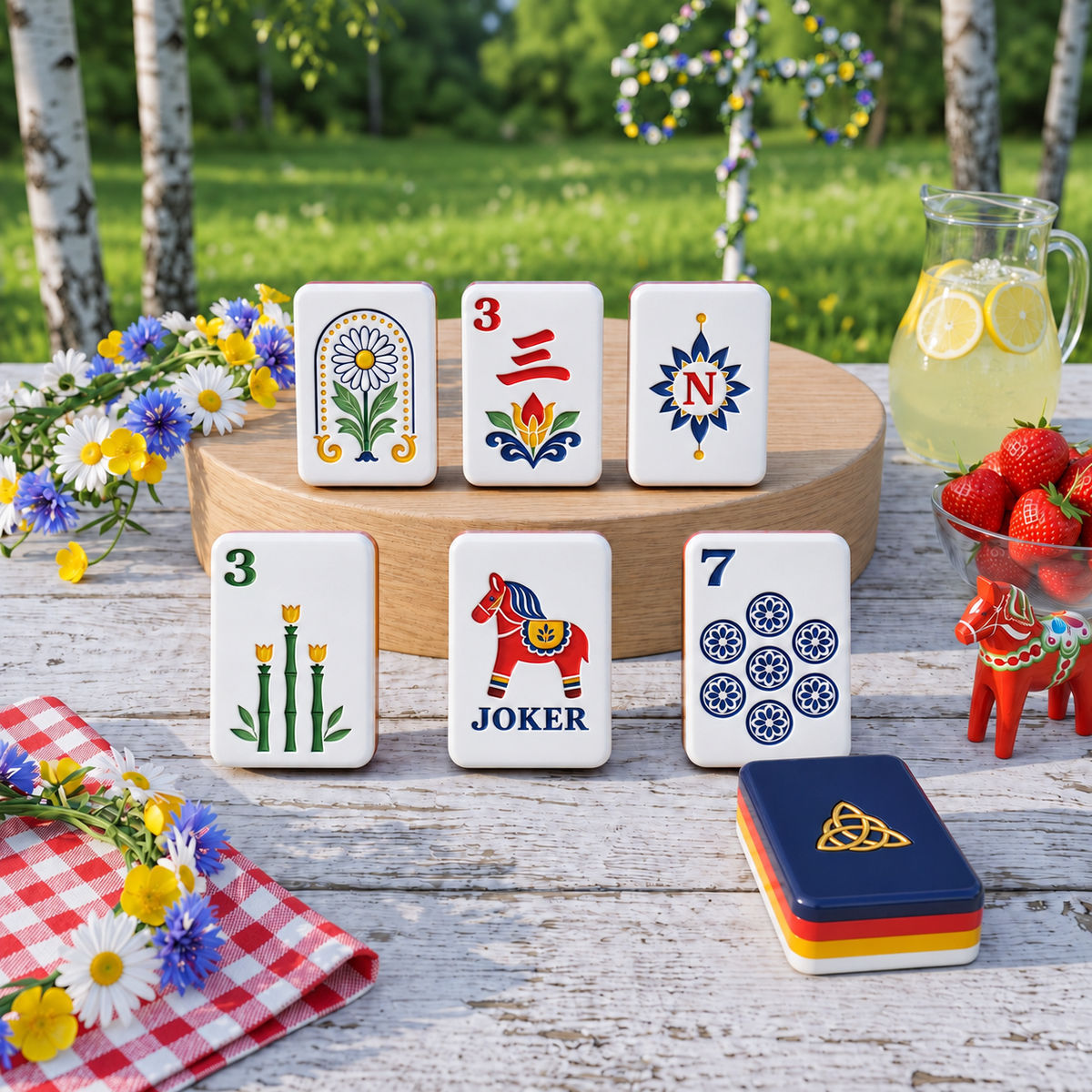
Yes, acrylic tiles are the preferred choice for American mahjong. They're lightweight, resistant to wear, and deliver consistent tile weight and balance essential for fair play. Unlike bone or bamboo sets, acrylics don't chip easily, won't absorb humidity, and look sharp for years. A 160-tile American set includes 152 playing tiles plus spares; acrylic sets hold their engraving and color even after hundreds of games. The tradeoff: some players miss the organic feel of vintage materials, and cheap acrylics can have uneven paint or loose tiles. Quality matters—buy from makers who test tile thickness, balance, and joker durability. Mahstead designs acrylic sets with doubled and weighted tiles, meaning you can feel the difference between a single and a pair, which matters during fast play.
Acrylic tiles are good—in fact, they're the industry standard for serious American mahjong tables today. But "acrylic" covers a wide range, from durable competition-grade sets to flimsy souvenir packs. Understanding what you're buying, and what to avoid, is the fastest way to land a set you'll love for a decade.
What makes acrylic tiles better than other materials?
Acrylic tiles won't warp, crack, or absorb moisture the way bone or wood materials do. They resist staining from spilled drinks, don't fade in sunlight, and keep their hand-feel consistent across all 160 tiles. Most importantly for gameplay: acrylic tiles can be precisely molded and weighted so each single tile, pair, pung, and kong feel distinct in your hand during rapid draws and discards—this matters when you're reading the tile wall or spotting a called piece. Bone and bamboo feel nostalgic but are fragile; plastic (resin) is cheaper but degrades faster and often feels hollow. Acrylic sits between: durable enough for weekly play, weighted enough for real strategy, and precise enough for engraving that stays legible.

How do you tell a quality acrylic set from a poor one?
Pick up the tiles. A good acrylic set has consistent weight—you should feel a slight heft in your palm, not weightlessness. Examine the engravings under light; they should be sharp and filled with contrasting color (red, green, or black paint), not fuzzy or worn. Check that all 152 tiles sit flat on a table (no rocking), and that jokers are clearly marked and joker faces (if printed) don't peel. Test the tile edges: smooth or slightly beveled edges are better than sharp ones that wear your racks quickly. Listen for tile sound—a crisp click when two tiles tap is a sign of proper density; a dull thud often means hollow or poorly cast material. Finally, verify the set came complete: 108 tiles in three suits (Bams, Craks, Dots) numbered 1–9, 16 winds, 12 dragons, 8 flowers, and 8 jokers, plus spares. Browse our best-selling mahjong sets to compare how weight and finish vary.
🀄 Shop best-selling mahjong sets →
Why do some acrylic sets feel so light and cheap?
Thin acrylic tiles and poor casting are the culprits. A lightweight set often means the walls are thin—tiles flex slightly under pressure, making shuffling unpredictable and the wall unstable during play. Lightweight tiles also skip across the table when drawn, and they sound cheap. Cheap acrylics are often molded in one color (cream or white) with paint applied on top; if the paint isn't sealed properly, it flakes off within months. Better sets are molded with color throughout the tile, so engraving reveals the same shade underneath—damage doesn't expose bare plastic. The paint fill also matters: thick, permanent color fills won't fade; thin coatings will. Compare a $X set to a $XX set side by side, and the difference in tile thickness and paint saturation becomes obvious. Don't assume all acrylic is equal; weight and finish separate casual novelty packs from real game sets.
What should you look for in an engraved acrylic set?
Engraving matters more than you'd think. Sharp character lines make tiles readable during fast play and reduce eye strain over a long session. Symbols (Bam bird, Crak character) should be distinct and proportional. Color contrast is essential: if you're playing with red Crak engravings, the red must be bright and opaque against the cream tile base, not pale or translucent. Check how the dragons are marked—Red (associated with Craks), Green (Bams), and White or "Soap" (Dots and zeros) should be unmistakable, especially Soap, which does double duty on the layout. Winds should be clearly labeled N, E, W, S or with classic Chinese characters, consistently sized and positioned. Flowers are often the least critical (many tables don't use them), but they should still be readable. Our engraved American mahjong sets use custom dies and multi-step paint processes so engravings don't blur after heavy use.
✨ Find your Mahstead set — free US shipping →
How does tile weight affect gameplay?
Tile weight is foundational to fair play. Heavy (properly weighted) tiles draw consistently from the wall—each draw takes the same grip strength and movement, so no player has an advantage. Light tiles are unpredictable: some slip, some stick, some sail across the table, creating inconsistency that's invisible but real. Weight also affects shuffling: heavier tiles spread and mix more evenly during the Charleston and wall building. They stack taller, so walls are easier to read. And they feel better in hand—you can sense when you're holding a pung (3 identical tiles) versus a pair or single, which sharpens your game sense during rapid discard. Many casual players don't notice, but anyone who plays weekly will feel it immediately. If you're hosting regular games, tile weight matters for fairness and player comfort.
What's the actual difference between a 160-tile set and other formats?
A standard American game always uses exactly 152 tiles and 8 jokers. A 160-tile set includes those 152 playing tiles plus 8 spares (usually extra jokers and blanks for replacement if a tile breaks). This is the format we design at Mahstead. You never add the spares to the game itself—they're insurance. Some older sets or imports use 144 tiles (no flowers) or 166 tiles (extra blanks), but American mahjong rules, as set by the National Mah Jongg League card each spring, require 152 playing tiles and 8 jokers. A 160-tile set is the practical standard for home and club play because it protects your investment: if one joker cracks or a Dot tile chips, you have a replacement and don't have to retire the set. This is especially important if you play weekly and want your set to last five or ten years.
Feature | Lightweight acrylic | Standard acrylic | Premium weighted acrylic |
Tile thickness | Thin (≤6mm) | Medium (6–7mm) | Thick (7–8mm) |
Wall stability | Rocks slightly | Sits flat | Completely stable |
Paint durability | Flakes after months | Holds 1–2 years | Lasts 5+ years |
Draw feel | Slips; inconsistent | Smooth; predictable | Heavy; distinct in hand |
Best for | Casual play, gifts | Regular weekly play | Competition, frequent hosting |
Why it works | Low cost | Good balance | Fairness, longevity |
What else do you need besides tiles?
Tiles are half the setup. A good mahjong mat protects your table, marks discard zones clearly, and makes shuffling quieter—important if you're playing upstairs or in a condo. Racks with pushers hold and sort your hand so you can play faster and avoid dropping tiles. A travel bag or case keeps your set safe if you host at different homes or travel. Dice ensure random draws and fair wall selection. If you're a serious player, invest in all four: tiles + mat + racks + bag. If you're starting out, begin with tiles and a mat, then add racks and a case as your game grows.
🎁 See our most-loved mahjong sets & accessories →

What should you check before you buy?
Verify the tile count. Confirm it's 152 playing tiles (108 numbered, 16 winds, 12 dragons, 8 flowers, 8 jokers) plus spares, and that all suits and symbols are present.
Feel the weight. Pick up a sample or read detailed reviews about heft and density.
Examine engravings. Look at close-up photos; characters should be sharp, not blurry, and color fill should be opaque.
Check tile edges. Smooth or slightly beveled is better than razor-sharp, which dulls racks and fingers.
Test the seller's support. Can you replace a broken tile? Do they offer a check-out process if a tile arrives damaged? Mahstead ships sets in fitted boxes with tile inspection before packing.
Compare to your budget and table. A casual gift set doesn't need the durability of a weekly-play set. A set for a sunny room should have fade-resistant paint.
Read what experienced players say. Ask at local clubs or online mahjong groups what they use and why.
Is acrylic better for the environment than bone or bamboo?
Acrylic sets are easier to recycle than you'd think (most are recyclable plastic) and they last much longer, so you buy fewer replacements over a lifetime. Bone and bamboo are natural but often come from unclear sourcing and wear out faster. If environmental impact matters to you, a durable acrylic set you keep for ten years beats replacing a delicate bamboo set every two years. Neither material is perfect, but acrylic wins on longevity.
Can you repair or replace tiles in an acrylic set?
Yes, but it depends on the maker. Some manufacturers sell individual replacement tiles; others don't. Mahstead includes spare tiles with every 160-tile set so you have backups. If a tile cracks irreparably, contact the maker before the set is out of warranty—most will replace one or two tiles if they're defective. Custom engraved sets are harder to replace because you'd need the original mold, so ask about replacement policy before you buy.
How long does acrylic last if you play weekly?
A quality acrylic set with proper paint and weight will last 5–10 years of weekly play (500–1000 games) before tiles show significant wear. Paint edges may dull slightly, and repeated shuffling can wear tile edges, but the tiles remain playable. We've seen sets played in that volume stay strong. Lightweight or poorly sealed acrylic may show damage (paint chips, tile cracks) within 2–3 years.
Does the color of acrylic tiles affect gameplay?
Not directly. Cream, white, and light green are the most common bases because they offer the best contrast for red, green, and black engravings—the three colors used to mark Craks, Bams, and Dots. Darker bases (black or navy) are prettier but harder to read quickly, so they're better for display than for serious play. If you play often, stick with cream or white.
What's the difference between painted and molded-in color?
Painted tiles have color applied on top (like a sticker). Molded-in means the color is part of the plastic itself, all the way through. Molded-in is better because damage doesn't expose bare plastic underneath, and paint never chips. Painted tiles are cheaper to make but the paint can flake or wear unevenly. Check product images or ask: does the tile look like paint was added, or is the color uniform throughout?

FAQ
Are acrylic mahjong tiles good compared to bamboo or bone?
Yes. Acrylic is more durable, moisture-resistant, and consistent in weight—critical for fair play. Bone and bamboo feel nostalgic but chip easily and absorb humidity. Acrylic won't warp or stain and lasts 5–10 years of weekly play.
What makes a "good" acrylic tile?
Heavy (thick plastic), flat-sitting, sharp engraving, opaque color fill, and smooth edges. Test the weight in your hand; it should feel substantial, not hollow.
How do I know if an acrylic set is cheap?
Lightweight tiles, fuzzy engravings, thin plastic edges, and thin paint that flakes quickly are signs. Compare side-by-side with a premium set and the difference is obvious.
What does a 160-tile set include?
152 playing tiles (108 numbered suits, 16 winds, 12 dragons, 8 flowers, 8 jokers) plus 8 spare tiles for replacement. You never add spares to the game.
Do acrylic tiles fade or wear out?
Quality acrylic resists fading and wear for years. Cheap acrylics may show paint dulling or chips within months. Sealed, thick engravings hold up best.
Will acrylic tiles scratch or crack easily?
Not if they're properly molded and thick. Thin acrylics crack under dropped weight; thick ones are very durable. Handle normally and they'll outlast your interest in the game.


View More
View More
View More
